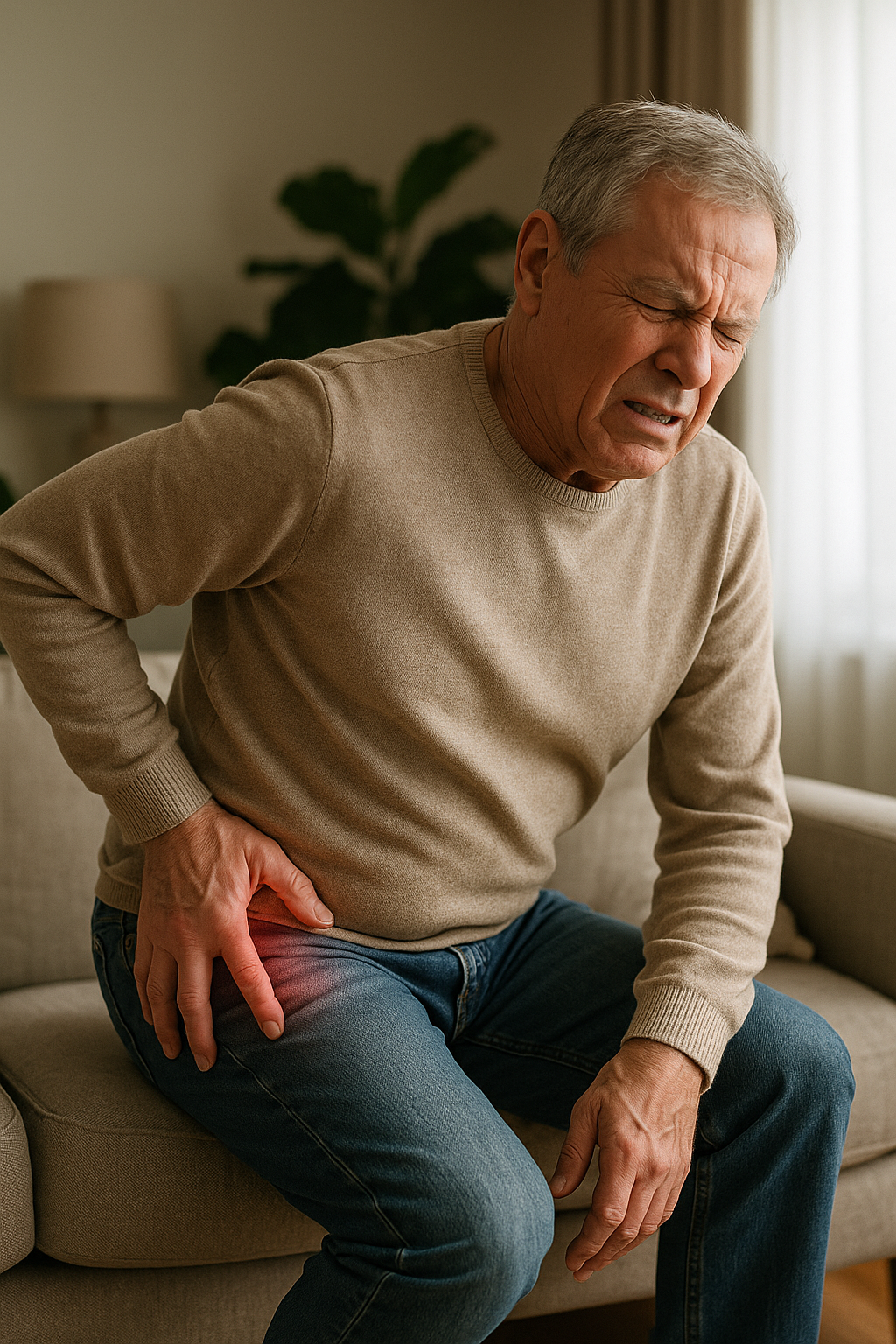
Living with a bad hip is a reality for many adults, especially those over the age of 50. This condition can significantly impact daily activities and overall quality of life. Hip pain can make even the simplest tasks, like walking or standing, a challenge, and it often requires individuals to adjust their routines to manage discomfort effectively.
Understanding hip pain
Hip pain can arise from a variety of causes. One of the most common culprits is osteoarthritis, a degenerative joint disease that leads to the breakdown of cartilage and subsequent joint pain. This condition is particularly prevalent in older adults and is a leading cause of hip discomfort. Other potential causes include labral tears, which involve damage to the cartilage in the hip joint and are often seen in athletes or active individuals. Stress fractures, soft tissue injuries involving muscles or tendons, and avascular necrosis, which is the loss of blood supply to the femoral head, can also contribute to hip pain. Additionally, spinal conditions such as herniated discs or sciatica can refer pain to the hip area, complicating diagnosis and treatment.
The persistent discomfort and mobility challenges associated with these conditions can be debilitating. Hip pain often leads to a reduced range of motion, stiffness, and difficulty bearing weight, which can significantly hinder one's ability to perform everyday activities. The symptoms may also include swelling, tenderness, and in some cases, a popping or clicking sound during movement, all of which can contribute to a decreased quality of life.
Purpose of the post
This blog post aims to guide readers through the complexities of hip pain, offering insights into its causes and the impact it can have on daily life. We will explore various treatment options, from conservative approaches like physical therapy and medication to more advanced interventions such as injections or surgery. Practical advice will also be provided to help manage symptoms and improve quality of life, empowering readers to take proactive steps in dealing with a bad hip. Whether you're experiencing mild discomfort or severe pain, understanding the underlying issues and available treatments is crucial for finding relief and maintaining an active, fulfilling lifestyle.
Causes of a bad hip: a closer look
When discussing the causes of a bad hip, osteoarthritis stands out as the primary factor, particularly among older adults. This degenerative joint disease results in the gradual breakdown of cartilage, leading to joint pain and stiffness. The prevalence of osteoarthritis increases with age, making it a significant concern for those over 50. However, it's not the only cause of hip pain.
Labral tears are another common issue, especially among athletes and active individuals. The labrum is a ring of cartilage that follows the outside rim of the hip joint socket. Tears in this area can occur due to repetitive motion or acute injuries, leading to pain and instability in the hip.
Stress fractures, often seen in individuals who engage in high-impact activities like running, can also contribute to hip pain. These fractures occur when there is a small crack in the bone due to repetitive stress rather than a single traumatic event.
Soft tissue injuries, involving muscles, tendons, or bursae around the hip, can also lead to discomfort. Bursitis, for example, is the inflammation of the bursae, small fluid-filled sacs that cushion the bones, tendons, and muscles near the joints. This condition is often caused by repetitive activities that overwork or irritate the hip joint.
Avascular necrosis is a less common but serious condition where the blood supply to the femoral head is compromised, leading to bone tissue death and subsequent joint pain. This condition can result from trauma, long-term use of high-dose steroid medications, or excessive alcohol consumption.
Lastly, spinal conditions such as herniated discs or sciatica can refer pain to the hip area. These conditions involve nerve compression that can cause pain to radiate from the lower back to the hip and beyond.
Recognizing the symptoms of a bad hip
Understanding the symptoms associated with a bad hip is crucial for early diagnosis and effective management. Common symptoms include persistent or intermittent pain in the hip or groin area, which can vary in intensity. This pain may worsen with activity or after long periods of inactivity.
Reduced range of motion and stiffness are also prevalent symptoms, making it difficult to perform everyday activities like bending, walking, or climbing stairs. In severe cases, individuals may experience difficulty bearing weight on the affected hip, leading to a noticeable limp.
Swelling, tenderness, and possible redness around the hip joint are additional signs that can indicate inflammation or injury. Some people may also hear popping or clicking sounds during hip movement, which can be a sign of labral tears or other joint issues.
Diagnosis and when to seek medical help
If you experience persistent hip pain that interferes with your daily activities or sleep, it's essential to seek medical evaluation. A healthcare professional can help determine the underlying cause of the pain and recommend appropriate treatment options.
Diagnostic tools such as X-rays, MRIs, or physical examinations are commonly used to assess hip health. X-rays can reveal changes in bone structure, while MRIs provide detailed images of soft tissues, including cartilage and muscles. A thorough physical examination can also help identify specific movements or activities that exacerbate the pain.
Seeking timely medical advice is crucial, especially if the pain follows an acute injury, is associated with instability or swelling, or if you have a history of hip issues. Early intervention can prevent further damage and improve the prognosis for individuals dealing with a bad hip.
Treatment options for a bad hip
When it comes to managing a bad hip, various treatment options are available, ranging from conservative approaches to more advanced interventions. Initially, conservative treatments are often recommended to alleviate symptoms and improve mobility. Rest and activity modification are crucial in reducing stress on the hip joint, allowing for healing and pain relief. Over-the-counter pain medications, such as acetaminophen or nonsteroidal anti-inflammatory drugs (NSAIDs), can help manage discomfort and inflammation.
Physical therapy plays a significant role in the conservative management of hip pain. A tailored exercise program can strengthen the muscles around the hip joint, improve flexibility, and enhance overall function. Stretching exercises are particularly beneficial in maintaining range of motion and preventing stiffness.

Lumbar support belt
Provides lower back support and relief for pain and tension in the lumbar area. Adjustable and ideal for sitting or activity.
For individuals who do not respond to conservative measures, advanced treatments may be necessary. Injections, such as corticosteroids, can provide temporary pain relief by reducing inflammation in the hip joint. In severe cases where joint damage is extensive, surgical options like hip replacement may be considered. This procedure involves replacing the damaged hip joint with an artificial one, significantly improving pain and mobility.
Home treatment advice and lifestyle changes
In addition to medical treatments, certain home remedies and lifestyle changes can support hip health. The RICE method—Rest, Ice, Compression, and Elevation—can be employed to manage acute pain and swelling. Applying ice packs to the affected area can help reduce inflammation, while compression and elevation can minimize swelling.
Maintaining a healthy weight is crucial in reducing stress on the hip joints. Excess weight can exacerbate hip pain and increase the risk of further joint damage. Incorporating bone-strengthening exercises, such as weight-bearing activities and resistance training, can improve bone density and joint stability.

Men's Posture Shirt™ - White
Posture correcting shirt with patented technology for pain relief in back, neck, and shoulders. Documented medical device.
Risk factors and prevention tips
Understanding the risk factors associated with hip pain can aid in prevention. Age is a significant risk factor, as the likelihood of developing conditions like osteoarthritis increases with age. Osteoporosis, injuries, repetitive overuse, certain medical conditions, and poor diet can also contribute to hip issues.
Preventive measures include maintaining a healthy weight, engaging in regular low-impact exercises like swimming or cycling, and implementing fall prevention strategies for older adults. Ensuring a diet rich in calcium and vitamin D supports bone health and reduces the risk of fractures.
Frequently Asked Questions
What causes hip pain at night?
Hip pain at night can be exacerbated by certain sleeping positions or conditions like bursitis, which involves inflammation of the fluid-filled sacs cushioning the hip joint. Adjusting sleeping positions and using supportive pillows can help alleviate nighttime discomfort.
Can you walk with a bad hip?
Walking with a bad hip can be challenging, especially if the pain is severe. Mobility aids like canes or walkers may be necessary to reduce weight-bearing on the affected hip and improve stability. Consulting with a healthcare professional can provide guidance on safe walking practices.
What exercises are good for hip pain?
Gentle exercises and stretches can help improve flexibility and strength in the hip joint. Activities such as swimming, cycling, and yoga are excellent low-impact options. It's essential to consult a physical therapist to tailor an exercise program that suits individual needs.
When should I consider surgery for hip pain?
Surgery may be recommended when conservative treatments fail to provide relief, and there is significant joint damage or severe arthritis. A thorough evaluation by an orthopedic surgeon can determine if surgery, such as hip replacement, is a suitable option.
How can ergonomic aids help with hip pain?
Ergonomic aids, such as supportive chairs or cushions, can alleviate pressure on the hips and promote better posture. These aids can be particularly beneficial for individuals who spend long periods sitting, helping to reduce strain on the hip joints.
Källor
- Bauerfeind Group. "Osteoarthritis of the Hip: Causes, Symptoms, and Treatment."
- McLaren Health Care. "Five Symptoms That May Be Telling You It's Time for a Hip Replacement."
- Orlando Orthopaedic Center. "Hip Pain Down the Leg."
- Cleveland Clinic. "Hip Pain."
- Van Thiel, M.D. "7 Common Causes of Hip Pain & Treatment Options."
- Mayo Clinic. "Hip Pain in Adults."
- UChicago Medicine. "Hip Care."
- Jacksonville Orthopaedic Institute. "5 Hip Symptoms You Should Not Ignore."
- Barber Total Joint. "5 Signs You Could Have a Possible Hip Problem."