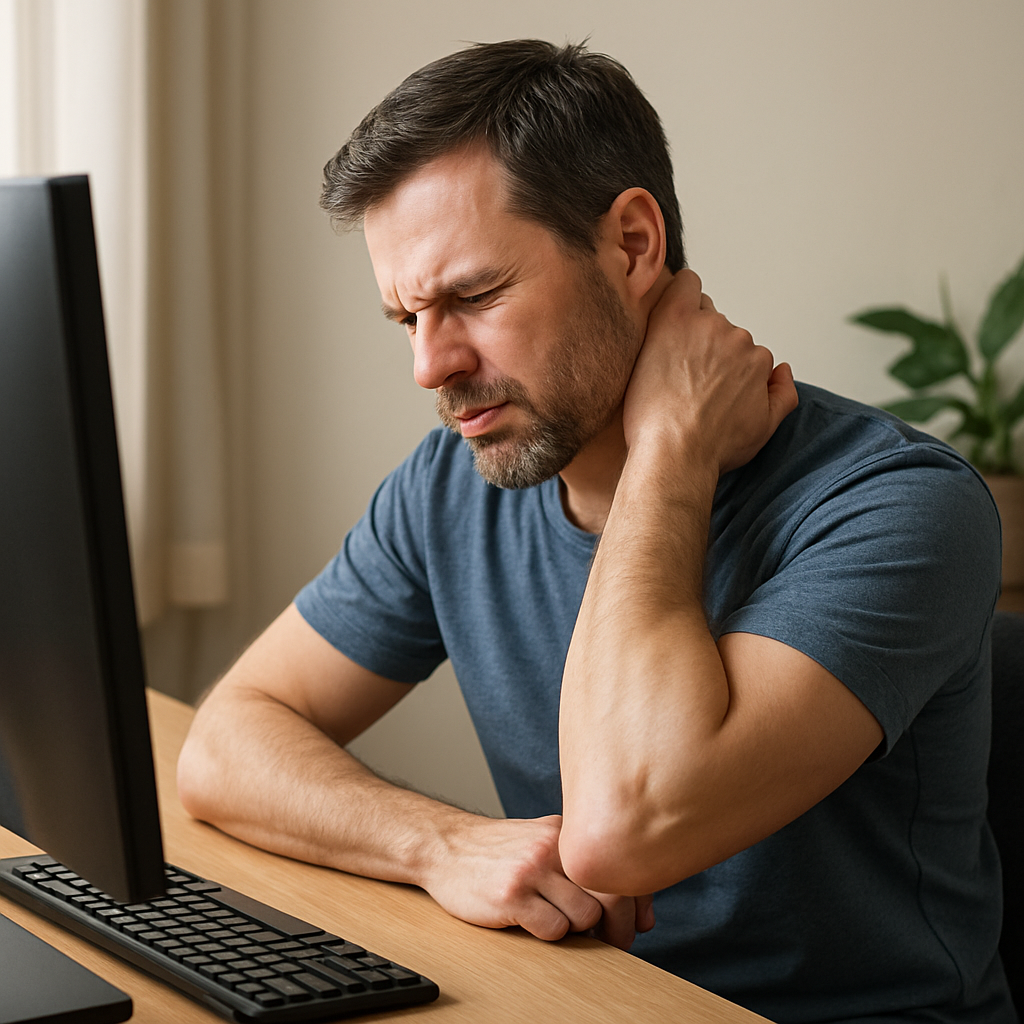
Understanding lumbar pain, commonly referred to as low back pain, is crucial for many individuals who experience discomfort or limitations in their daily lives. The lumbar region, located in the lower back, plays a significant role in supporting much of the body's weight. This makes it particularly prone to pain and injury, which can affect anyone from office workers to manual laborers. Addressing lumbar pain through everyday adjustments is essential for improving quality of life and maintaining productivity.
The prevalence and impact of lumbar pain
Lumbar pain is not just a personal inconvenience; it is a leading cause of disability worldwide. According to the World Health Organization, it affects millions of people, significantly impacting daily activities and overall productivity. The biopsychosocial model of health emphasizes that lumbar pain is multifaceted, involving physical, psychological, and social factors. Recognizing this complexity is vital for developing effective management strategies that go beyond simple physical remedies.
The objective of the post
This blog post aims to explore practical, non-invasive strategies to manage and alleviate lumbar pain through lifestyle and ergonomic adjustments. By focusing on everyday changes, individuals can find relief and prevent further discomfort. From adjusting workstations to adopting better posture, these strategies are designed to be accessible and effective. By understanding and implementing these adjustments, you can take proactive steps towards reducing lumbar pain and enhancing your overall well-being.
Causes and risk factors of lumbar pain
Understanding the underlying causes of lumbar pain is crucial for effective management and prevention. Common causes include muscle or ligament strain, which can occur from overexertion or improper lifting techniques. Bulging or ruptured discs are also frequent culprits, often resulting from wear and tear or injury. Conditions such as arthritis and osteoporosis contribute to lumbar pain by affecting the spine's structural integrity. Skeletal irregularities, like scoliosis, can exacerbate discomfort in the lumbar region.
Several risk factors increase the likelihood of developing lumbar pain. Age is a significant factor, as the spine undergoes degenerative changes over time. A sedentary lifestyle and lack of exercise can weaken muscles and reduce flexibility, making the lumbar region more susceptible to injury. Obesity adds strain to the lower back, while psychological conditions, such as depression and anxiety, can amplify pain perception. Smoking is another risk factor, as it impairs blood flow to the spine, hindering healing and increasing vulnerability to pain.
Recognizing red flags and when to see a doctor
While most cases of lumbar pain are benign and can be managed with self-care, certain symptoms warrant medical evaluation. Severe pain following trauma, such as a fall or accident, should prompt immediate medical attention. Neurological symptoms, including numbness, tingling, or weakness in the legs, may indicate nerve involvement and require prompt assessment. Additionally, loss of bladder or bowel control, known as incontinence, is a red flag that necessitates urgent medical consultation.
It is essential to distinguish between mechanical pain, which is typically localized and related to movement, and more serious conditions that might require advanced medical intervention. If lumbar pain persists despite conservative treatment or is accompanied by red flags, seeking professional evaluation is crucial to rule out underlying pathologies.
Self-management and ergonomic adjustments for lumbar pain relief
Maintaining physical activity is vital for managing lumbar pain. Contrary to outdated advice, prolonged bed rest can exacerbate symptoms and delay recovery. Instead, gentle movement and regular exercise help maintain flexibility and strength, reducing pain and preventing future episodes.
Ergonomic adjustments play a significant role in alleviating lumbar pain, particularly for those who spend long hours at a desk. Ensuring a proper desk setup is crucial; the chair should support the natural curve of the spine, and the monitor should be at eye level to avoid straining the neck and back. At home, practicing safe lifting techniques, such as bending at the knees and keeping the load close to the body, can prevent strain on the lumbar region.
Incorporating ergonomic aids, such as lumbar supports or posture shirts, can provide additional support and reduce strain on the spine. These tools are especially beneficial for individuals with chronic lumbar pain, as they promote better posture and alleviate pressure on the lower back.

Lumbar support belt
Provides targeted lower back support via adjustable compression, ideal for daily relief and activity.

ActivePosture® Shirt for men
Posture shirt with built-in tension points to help maintain upright posture and relieve discomfort.
By understanding the causes and risk factors of lumbar pain and implementing self-management strategies and ergonomic adjustments, individuals can effectively manage their symptoms and improve their quality of life. These proactive steps are essential for preventing future episodes and maintaining overall spinal health.
Conservative management strategies for lumbar pain
For those experiencing lumbar pain, conservative management strategies offer a non-invasive approach to relief. Nonsteroidal anti-inflammatory drugs (NSAIDs) are commonly recommended to alleviate pain and reduce inflammation. Physical therapy is another cornerstone of conservative treatment, focusing on exercises that strengthen the back and improve flexibility. Additionally, applying heat or ice can help manage acute pain, while graded exercise programs encourage gradual increases in activity levels to prevent further injury.
Incorporating lifestyle modifications is equally important in managing lumbar pain. Maintaining a healthy weight reduces the strain on the lower back, while stress reduction techniques, such as mindfulness and relaxation exercises, can mitigate pain exacerbation due to tension and anxiety. These strategies collectively contribute to a holistic approach to managing lumbar pain.
Integrating ergonomic practices into daily life
Integrating ergonomic practices into everyday routines is essential for preventing and managing lumbar pain. For office workers, adjusting the chair and desk height is crucial to maintaining proper posture. Taking regular breaks to stand and stretch can alleviate tension and promote circulation. Manual laborers, on the other hand, benefit from employing proper lifting techniques and using assistive devices to minimize strain on the lumbar region.
Visual aids, such as diagrams or infographics, can be instrumental in demonstrating proper posture and ergonomic setups. These tools provide clear guidance on maintaining a spine-friendly environment, both at work and at home. Additionally, visual assessment tools or checklists can help individuals evaluate their own posture and work environment, ensuring that they are taking the necessary steps to protect their lumbar health.
Frequently asked questions
Is lumbar pain serious?
While most lumbar pain is benign and mechanical in nature, certain symptoms require medical attention. If the pain is severe, persistent, or accompanied by neurological symptoms, such as numbness or weakness, it is important to seek medical evaluation to rule out more serious conditions.
When should I see a doctor for lumbar pain?
You should see a doctor if you experience severe or persistent lumbar pain, especially if it follows trauma, or if you have neurological symptoms like numbness, weakness, or incontinence. These symptoms may indicate a more serious underlying issue that requires professional assessment.
Does poor posture cause lumbar pain?
Poor posture can contribute to lumbar pain by placing additional strain on the lower back. Improving posture through ergonomic adjustments, such as proper chair height and monitor placement, can alleviate discomfort and prevent future episodes of lumbar pain.
What are some exercises for lumbar pain relief?
Gentle stretching and strengthening exercises can help alleviate lumbar pain and improve flexibility. Activities such as yoga, swimming, and pilates are beneficial for strengthening the core muscles, which support the spine and reduce strain on the lumbar region.
Källor
- Hospital for Special Surgery. "Lower Back Pain In-Depth."
- Mount Sinai. "Low Back Pain."
- Yale New Haven Health. "Lower Back Pain."
- National Center for Biotechnology Information. "Comprehensive Review on Low Back Pain."
- Cleveland Clinic. "Lower Back Pain."
- American Academy of Orthopaedic Surgeons. "Low Back Pain."
- Mayo Clinic. "Back Pain: Symptoms and Causes."
- University of Maryland Medical System. "Spine Health: Signs and Symptoms."
- American Society of Anesthesiologists. "Back Pain Management."