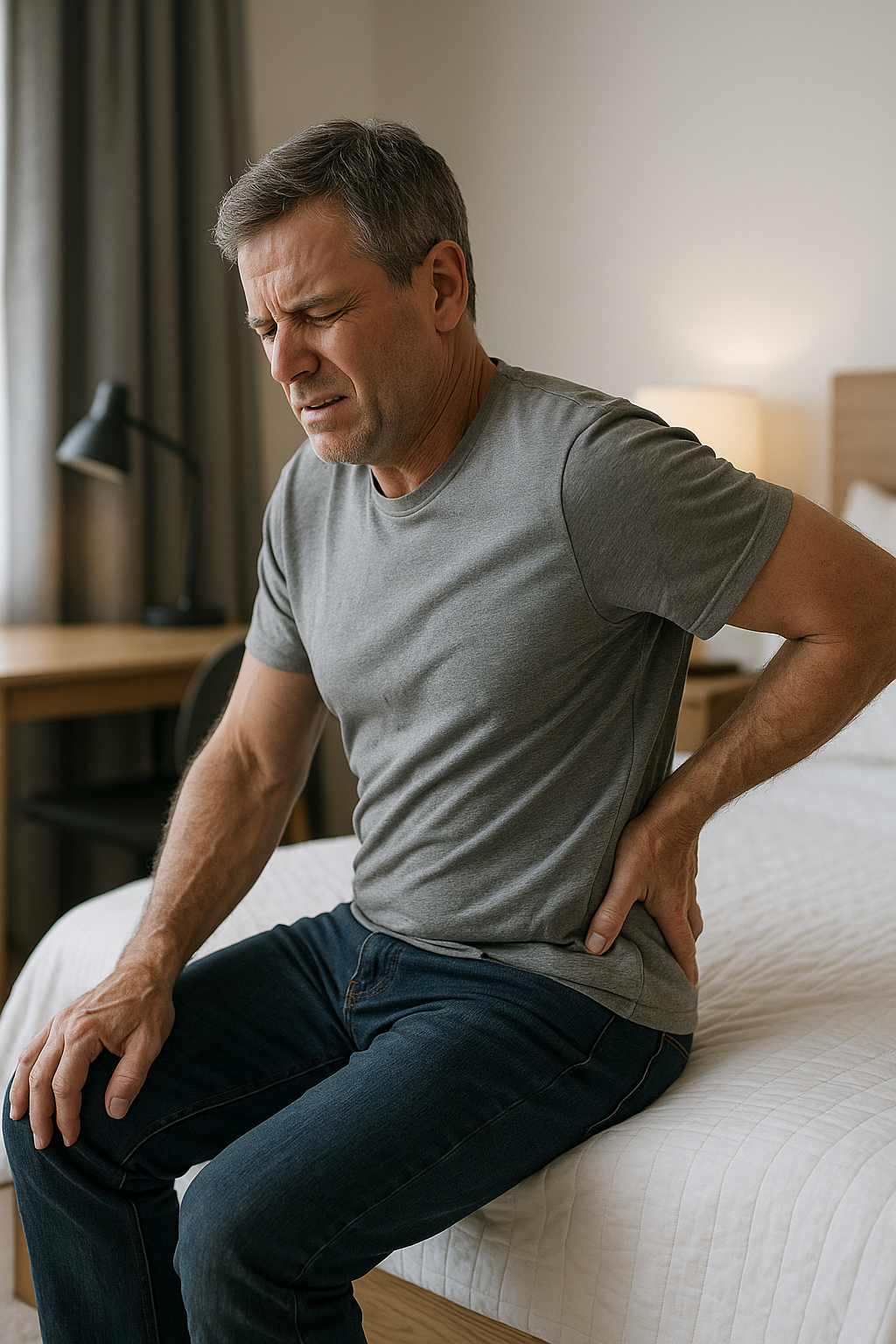
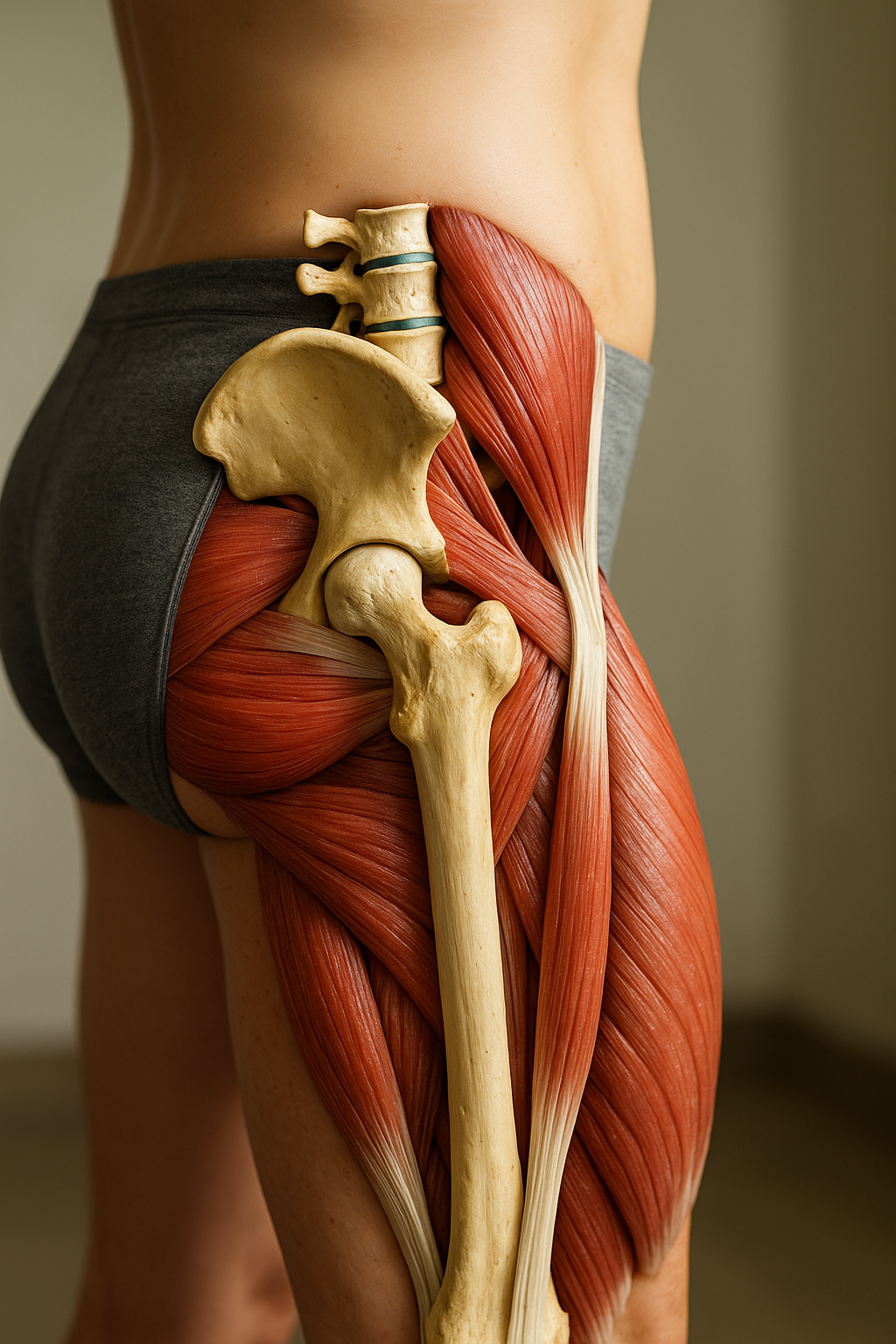
Scheuermann's disease, a structural condition affecting the spine, is characterized by hyperkyphosis or excessive curvature, primarily impacting the thoracic region. However, in type 2 cases, it can also involve the lumbar area, leading to a significant concern: Scheuermann lumbar pain. This condition is not just a matter of structural deformity; it profoundly affects those living with it, particularly due to the resulting lumbar pain.
understanding the impact of Scheuermann lumbar pain
In individuals with Scheuermann's disease, lumbar pain arises due to structural changes such as vertebral wedging and compensatory lumbar hyperlordosis. These alterations in spinal structure increase the mechanical load on the lower back, often leading to discomfort and pain. For those affected, this pain is more than a physical sensation; it can disrupt daily activities and quality of life.
The significance of lumbar pain in Scheuermann’s disease cannot be overstated. It affects everyday tasks, especially those that require prolonged periods of sitting or physical exertion. Activities like working at a desk, driving, or engaging in physical exercise can become challenging, necessitating effective pain management strategies. As such, understanding and addressing this pain is not only about alleviating discomfort but also about maintaining functionality and quality of life.
daily life challenges and the need for pain management
For individuals with Scheuermann lumbar pain, the impact on daily life can be profound. Simple activities that involve sitting for extended periods, such as office work or commuting, can exacerbate pain. Physical activities that involve bending, twisting, or lifting can also intensify discomfort, making it essential to adopt effective pain management strategies.
Managing lumbar pain effectively is crucial for maintaining an active and fulfilling lifestyle. Without proper management, the pain can become a constant barrier, limiting participation in both professional and personal activities. Therefore, understanding the nature of Scheuermann lumbar pain and implementing strategies to manage it are vital steps in ensuring that those affected can lead comfortable and productive lives.
In conclusion, Scheuermann lumbar pain is a significant issue for those with type 2 Scheuermann’s disease. The structural changes in the spine not only cause discomfort but also impact daily life, highlighting the importance of effective pain management. By understanding the condition and its effects, individuals can better navigate the challenges it presents, leading to improved quality of life and functionality.
mechanics behind scheuermann lumbar pain
Understanding the mechanics of Scheuermann lumbar pain requires a look at the structural changes within the spine. The condition is marked by kyphosis and vertebral wedging, which significantly alter how weight is distributed along the spine. This altered load distribution increases stress on the lumbar region, often leading to chronic pain. Compensatory lumbar hyperlordosis, where the lower back curves excessively to balance the upper spine's curvature, further exacerbates this stress. This compensation can increase pressure on the facet joints and intervertebral discs, contributing to the discomfort experienced by individuals.
Common symptoms associated with Scheuermann lumbar pain include persistent back pain, muscle stiffness, and tight hamstrings. Fatigue is also a frequent issue, as the body expends extra energy to maintain balance and posture. These symptoms can become more pronounced during activities that involve twisting, bending, or extended periods of sitting, which are common in many daily routines.
common triggers and symptom patterns
Identifying and understanding the triggers that exacerbate lumbar pain is crucial for effective management. Daily activities such as office work can significantly worsen symptoms due to prolonged sitting and poor ergonomic setups. Similarly, driving or commuting involves long hours in a fixed position, which can increase discomfort. Physical activities, especially those involving repetitive bending or twisting, can also trigger pain.
To visualize these triggers and offer solutions, consider the following table:
| Activity | Common Triggers | Ergonomic Solutions |
|---|---|---|
| Office Work | Prolonged Sitting | Use a chair with lumbar support, adjust desk height |
| Driving | Long Hours in a Fixed Position | Take breaks, adjust seat for support |
| Physical Activities | Repetitive Bending/Twisting | Incorporate stretching and strengthening exercises |
conservative management strategies
Conservative management is often the first line of treatment for Scheuermann lumbar pain. This approach includes a combination of stretching, strengthening exercises, and non-steroidal anti-inflammatory drugs (NSAIDs) to manage pain and improve mobility. Stretching exercises targeting the hamstrings, hip flexors, and pectorals can enhance flexibility and reduce muscle tension. Strengthening exercises focusing on the core muscles, trunk extensors, and glutes can provide better support for the spine, helping to alleviate pain.
Incorporating breathing and thoracic mobility techniques can also be beneficial. These techniques help in expanding the thoracic region, reducing rigidity, and improving overall posture. A sample home exercise program might include instructional videos or illustrations to guide individuals through these exercises effectively.
By understanding the mechanics behind Scheuermann lumbar pain and implementing these conservative management strategies, individuals can significantly reduce their symptoms and improve their quality of life. These approaches not only address the immediate pain but also contribute to long-term spinal health and functionality.
ergonomic solutions for managing scheuermann lumbar pain
For individuals dealing with Scheuermann lumbar pain, optimizing ergonomics in daily activities can make a significant difference. One of the key areas to address is the workstation. Adjusting your chair to provide proper lumbar support, with an appropriate seat depth and backrest angle, can alleviate strain on your lower back. Incorporating a standing desk can also be beneficial, allowing you to alternate between sitting and standing, which helps in reducing prolonged pressure on the lumbar spine. Using anti-fatigue mats can further enhance comfort when standing.

Lumbar support belt
Adjustable belt for lower back pain relief and lumbar stabilisation during activity or rest.
Sleep ergonomics are equally important. Choosing a mattress with the right firmness and adopting sleep positions that minimize lumbar strain can contribute to better spinal alignment and reduce pain. Additionally, posture aids, such as those offered by Anodyne, can support thoracolumbar control, helping to reduce muscle fatigue and promote better posture throughout the day.

Men's Posture Shirt™ - Black
Posture shirt with NeuroBand™ tech to relieve pain, activate muscles, and improve posture.
when to seek medical or surgical evaluation
While conservative management is effective for many, there are instances when professional evaluation is necessary. Red-flag symptoms, such as neurologic deficits or significant curve progression, warrant immediate attention. Although surgery is rarely required for Scheuermann lumbar pain, it may be considered for severe cases with neurologic compromise. It's crucial to consult with a healthcare professional to determine the best course of action based on individual symptoms and progression.
long-term outlook and work ability
The long-term outlook for individuals with Scheuermann lumbar pain varies. While many manage their symptoms effectively through conservative measures, there is an increased risk of chronic back pain. Practical advice on self-management, pacing, and workplace accommodations can significantly enhance quality of life and work ability. Regularly incorporating ergonomic strategies and exercises into daily routines can help maintain spinal health and functionality.
frequently asked questions
can scheuermann’s disease cause lower back pain?
Yes, particularly in type 2 cases where the thoracolumbar or lumbar regions are involved. The compensatory lumbar hyperlordosis associated with Scheuermann’s disease can also contribute to lower back pain.
which sitting position is best if I have scheuermann and lumbar pain?
Using a chair with adjustable lumbar support and maintaining a neutral spine position is recommended. This setup helps reduce strain on the lower back, making sitting more comfortable.
do I need surgery for scheuermann lumbar pain?
Surgery is rarely needed and is typically reserved for severe cases with neurologic compromise. Most individuals manage well with conservative care, including exercises and ergonomic adjustments.
what exercises can help alleviate lumbar pain from scheuermann’s?
Exercises focusing on stretching and strengthening are beneficial. Targeting the core, hamstrings, and hip flexors can help alleviate pain and improve spinal support and flexibility.
how can ergonomic aids assist in managing scheuermann lumbar pain?
Ergonomic aids, such as lumbar supports and posture shirts, can provide additional support and promote better posture. These tools complement exercise and therapy, helping to manage pain more effectively.
Källor
- Physiotherapie Berlin Mitte. "Scheuermann's Disease: Causes, Symptoms, and Physiotherapeutic Treatment."
- Regenerate Chiropractic. "Scheuermann's Disease: What Is It and What to Do About It?"
- Wikipedia. "Scheuermann's Disease."
- Physio-pedia. "Scheuermann's Kyphosis."
- Orthopaedie in Düsseldorf. "Morbus Scheuermann."
- NCBI Bookshelf. "Scheuermann's Disease."
- Spine Company. "Scheuermann Thoracic."
- Leading Medicine Guide. "Scheuermann's Disease."
- The Royal Children's Hospital Melbourne. "Scheuermann's Disease."