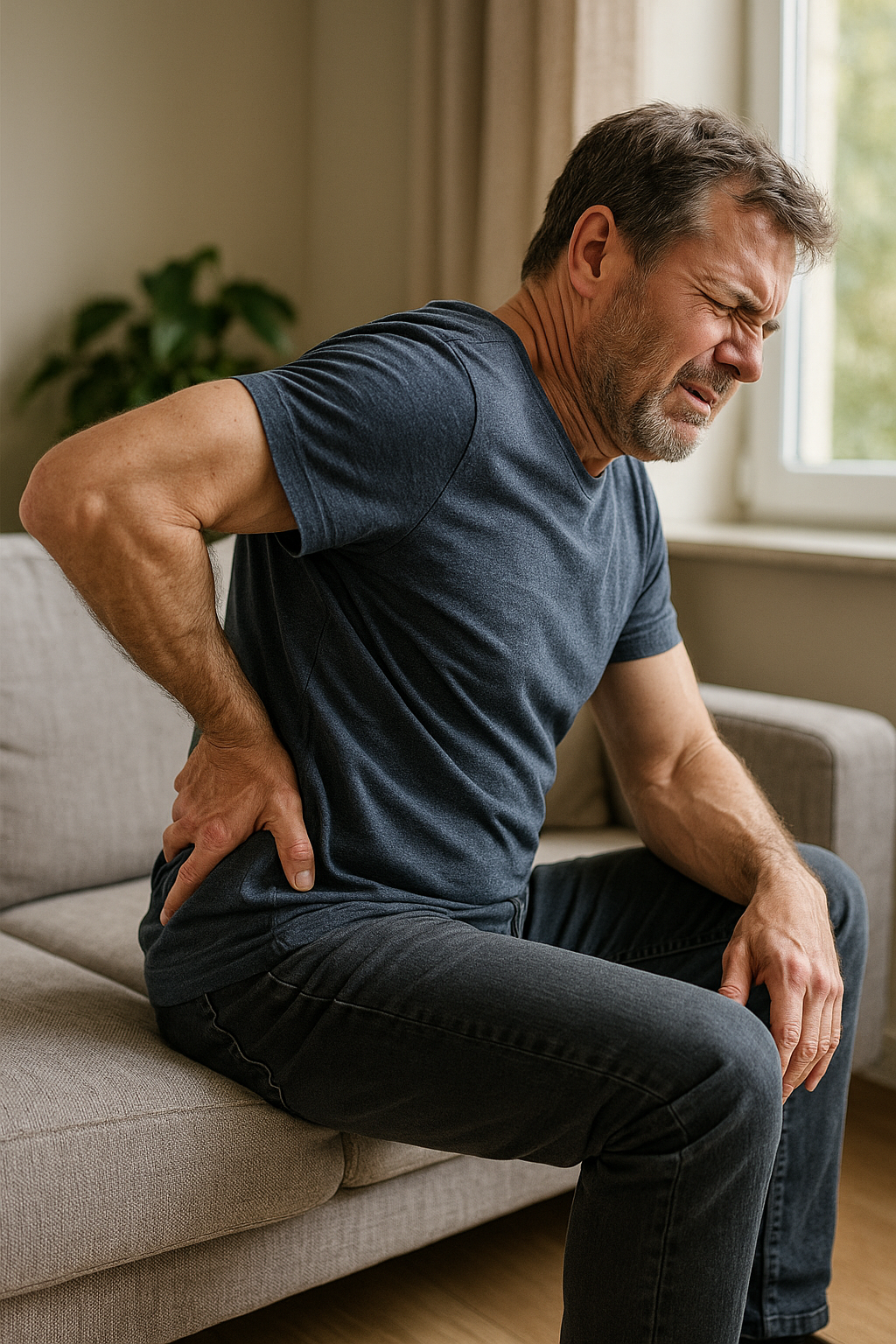
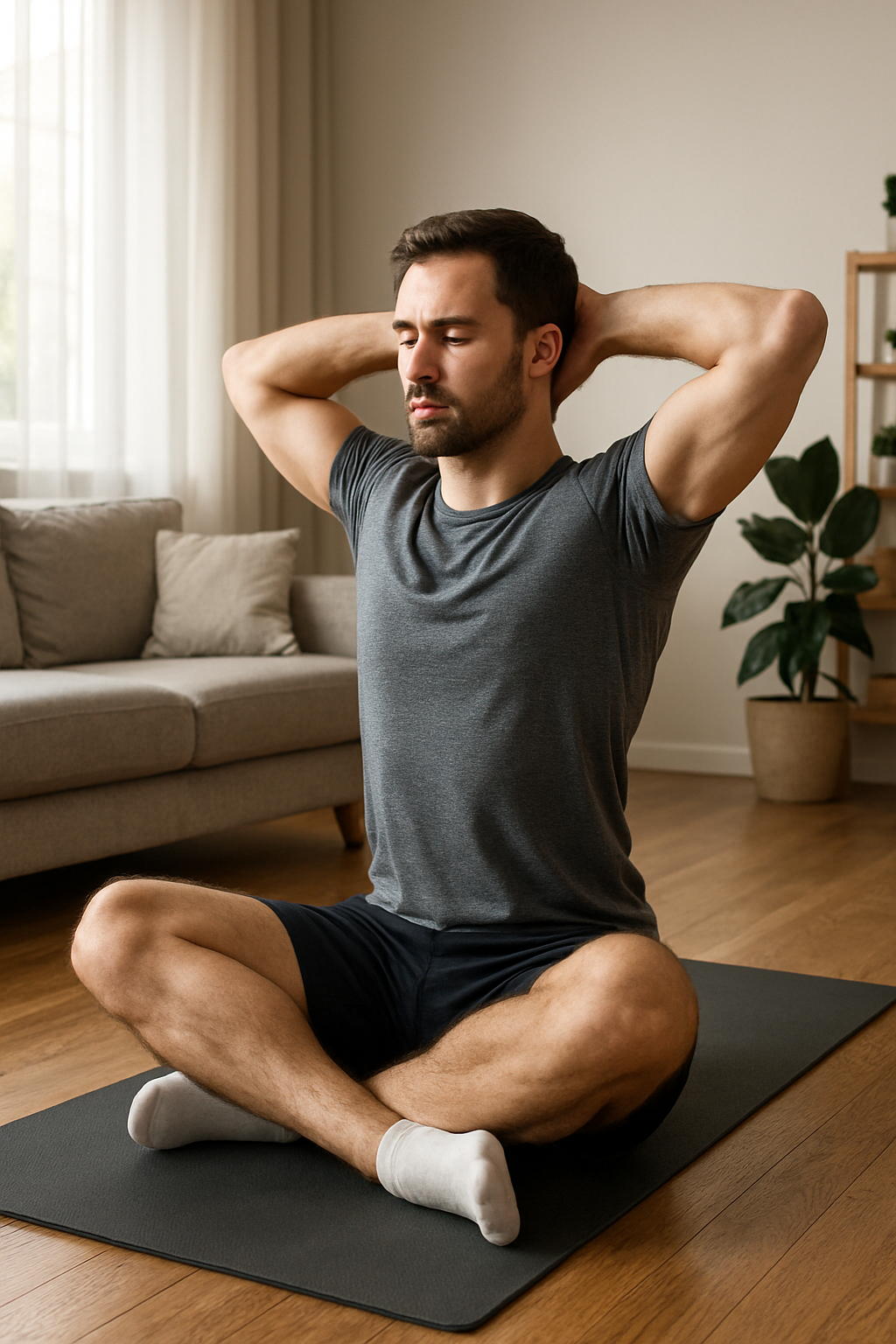
The hip muscles play a vital role in our daily lives, influencing everything from how we walk to our ability to maintain balance and stability. These muscles are central to our body's mechanics, providing the necessary support and flexibility for a range of movements. Whether you're climbing stairs, bending down to pick something up, or simply sitting at a desk, your hip muscles are hard at work. However, they are often overlooked until issues arise, such as pain from prolonged sitting or poor posture.
understanding the anatomy of hip muscles
The hip muscles are divided into four main groups: the gluteal group, lateral rotator group, adductor group, and iliopsoas group. Together, these groups comprise 17 main muscles that work in harmony to facilitate movement and stability. The gluteal group includes muscles like the gluteus maximus, which is crucial for hip extension, and the gluteus medius and minimus, which are important for abduction and medial rotation. The lateral rotator group consists of muscles like the piriformis, which aid in external rotation and joint stability.
The adductor group, including muscles such as the adductor magnus and gracilis, is responsible for adduction and maintaining static balance. Lastly, the iliopsoas group, comprising the psoas major and iliacus, is key for primary hip flexion and anterior stability. These muscles collectively ensure that our hips function smoothly, allowing for a wide range of motion and supporting our body's weight during various activities.
addressing the content gap
Despite the crucial role that hip muscles play in our overall health and mobility, there is a noticeable lack of information linking hip muscle anatomy to ergonomics, posture, and pain relief. Many resources focus on the anatomical aspects of the hip muscles without connecting these details to practical applications, such as how poor posture or prolonged sitting can lead to hip discomfort. This blog aims to bridge that gap by exploring the connection between hip muscles and ergonomics, offering insights into how understanding these muscles can help alleviate pain and improve stability.
detailed anatomy of hip muscles
The hip muscles are intricately designed to perform a variety of essential functions, divided into four primary groups, each with its specific roles. The gluteal group comprises the gluteus maximus, medius, minimus, and the tensor fasciae latae (TFL). These muscles are pivotal for movements such as extension, abduction, and medial rotation of the hip. The gluteus maximus, being the largest muscle in the body, is crucial for extending the hip, especially during activities like climbing stairs or standing up from a seated position. Meanwhile, the medius and minimus, along with the TFL, are essential for stabilizing the pelvis during activities like walking or running.
The lateral rotators include muscles like the piriformis, obturator internus and externus, gemelli, and quadratus femoris. These muscles are responsible for external rotation and play a critical role in maintaining joint stability. They are particularly active when the body requires stability during rotational movements, such as turning or twisting.
The adductor group consists of the adductor magnus, longus, brevis, pectineus, and gracilis. These muscles are primarily responsible for adduction, which involves moving the leg toward the body's midline. They also contribute to static balance, helping maintain an upright posture and stability when standing still.
Finally, the iliopsoas group includes the psoas major and iliacus, which are the primary hip flexors. These muscles are essential for anterior stability and are heavily engaged during activities that involve lifting the knee or bending forward. Understanding the specific functions of these muscle groups underscores their importance in everyday movements and overall hip health.
functional roles and stability of hip muscles
Hip muscles can be categorized into local stabilizers and global movers, each playing a distinct role in maintaining hip stability and facilitating movement. Local stabilizers, such as the deep rotators and the gluteus medius and minimus, are crucial for joint compression and stability. These muscles work closely to ensure the hip joint remains stable during various activities, preventing undue stress on other body parts.
According to insights from Physio-pedia, the deep rotators act as active stabilizers, and their function is similar to that of the rotator cuff in the shoulder. This highlights their importance in maintaining joint integrity and preventing dislocations. The gluteus medius and minimus are particularly vital in preventing pelvic drop during single-leg stances, which is essential for activities such as walking and running.
In contrast, global movers are larger, more superficial muscles that produce significant torque and are primarily responsible for executing large movements. These include muscles like the gluteus maximus, which is heavily involved in powerful movements such as jumping or sprinting.
common dysfunctional patterns affecting hip muscles
Several common dysfunctional patterns can affect the hip muscles, often leading to discomfort and pain. One prevalent issue is the impact of prolonged sitting, which can cause the hip flexors to become tight and the extensors to weaken. This imbalance often results in an anterior pelvic tilt, contributing to lower back pain and discomfort.
Another common issue is weak abductors, particularly the gluteus medius and minimus, which can lead to a pelvic drop. This dysfunction can cause increased stress on the iliotibial (IT) band and lead to knee valgus, where the knees cave inward during activities like squatting or running.
Tightness in the deep rotators, especially the piriformis, can also lead to complications such as sciatic nerve irritation, resulting in buttock pain and discomfort. These dysfunctional patterns highlight the importance of maintaining balanced hip muscle strength and flexibility to prevent pain and improve overall stability.
practical exercises and ergonomics for hip muscles
To enhance the strength and flexibility of your hip muscles, incorporating practical exercises into your routine can be highly beneficial. Simple self-tests, such as the single-leg stance or mini squats, can help identify imbalances or weaknesses in the hip area. Exercises like clamshells, side-lying leg lifts, and seated hip rotations are effective in targeting the gluteal and lateral rotator groups, promoting stability and flexibility. These exercises can be easily performed at home and are ideal for individuals looking to improve their hip muscle function.
In addition to exercises, ergonomic solutions play a crucial role in maintaining hip health, especially for those who spend extended periods sitting. Ergonomic chairs, cushions, and standing desks are designed to support a neutral pelvis, reducing the strain on hip flexors and extensors. By promoting a balanced posture, these products help prevent muscle fatigue and discomfort, making them valuable investments for anyone seeking to alleviate hip-related issues.

Lumbar support belt
Support and stabilize your lower back to relieve pain and tension during daily activities.
ergonomic products and their benefits
Investing in ergonomic products can significantly contribute to hip health by minimizing the load on specific muscle groups. Ergonomic chairs and cushions provide the necessary support to maintain a neutral hip position, preventing prolonged shortening of the hip flexors. This support is essential in reducing the risk of developing anterior pelvic tilt and associated lower back pain.
Standing desks encourage movement and dynamic posture changes, allowing the gluteus medius and minimus to remain active and engaged throughout the day. This continuous engagement helps maintain pelvic stability and reduces the risk of muscle imbalances. By incorporating these products into your daily routine, you can create a more supportive environment for your hip muscles, promoting overall well-being.

Women's Posture Shirt™ - Black
Patented shirt that activates muscles, supports posture, and relieves tension or pain.
when to seek professional help for hip issues
While exercises and ergonomic solutions can address many hip-related concerns, certain symptoms may require professional intervention. Persistent pain, difficulty in weight-bearing activities, or significant discomfort during movement are indicators that it may be time to consult a healthcare professional. Early intervention can prevent further complications and ensure that you receive appropriate treatment tailored to your specific needs.
frequently asked questions
what are the main functions of hip muscles?
Hip muscles facilitate movement, stability, and balance, playing a crucial role in daily activities such as walking, running, and maintaining posture.
how does sitting affect hip muscles?
Prolonged sitting can lead to tight hip flexors and weak extensors, resulting in pain and instability due to muscle imbalances.
what exercises can help strengthen hip muscles?
Exercises like clamshells, side-lying leg lifts, and seated hip rotations are effective in improving hip muscle strength and flexibility.
how can ergonomic products aid in hip pain relief?
Ergonomic products support proper posture, reduce muscle strain, and promote balanced muscle activity, helping to alleviate hip pain.
when should i consult a healthcare professional for hip pain?
Seek professional help if you experience persistent pain, difficulty in movement, or significant discomfort, as these symptoms may indicate underlying issues requiring medical attention.
Källor
- Physio-pedia. (n.d.). "Functional Anatomy of the Hip: Muscles and Fascia."
- Colorado Springs Orthopaedic Group. (n.d.). "Hip Anatomy and Functions of the Hip."
- Wikipedia. (n.d.). "Muscles of the Hip."
- Jacksonville Orthopaedic Institute. (n.d.). "Muscles of the Hip."
- NCBI. (n.d.). "Hip Anatomy, Function and Common Problems."
- International Hip Preservation Society. (n.d.). "Hip Muscle Anatomy, Functions, Injuries, and Rehab Guide."
- YouTube. (n.d.). "Understanding Hip Muscle Anatomy."
- Cleveland Clinic. (n.d.). "Hip Joint."