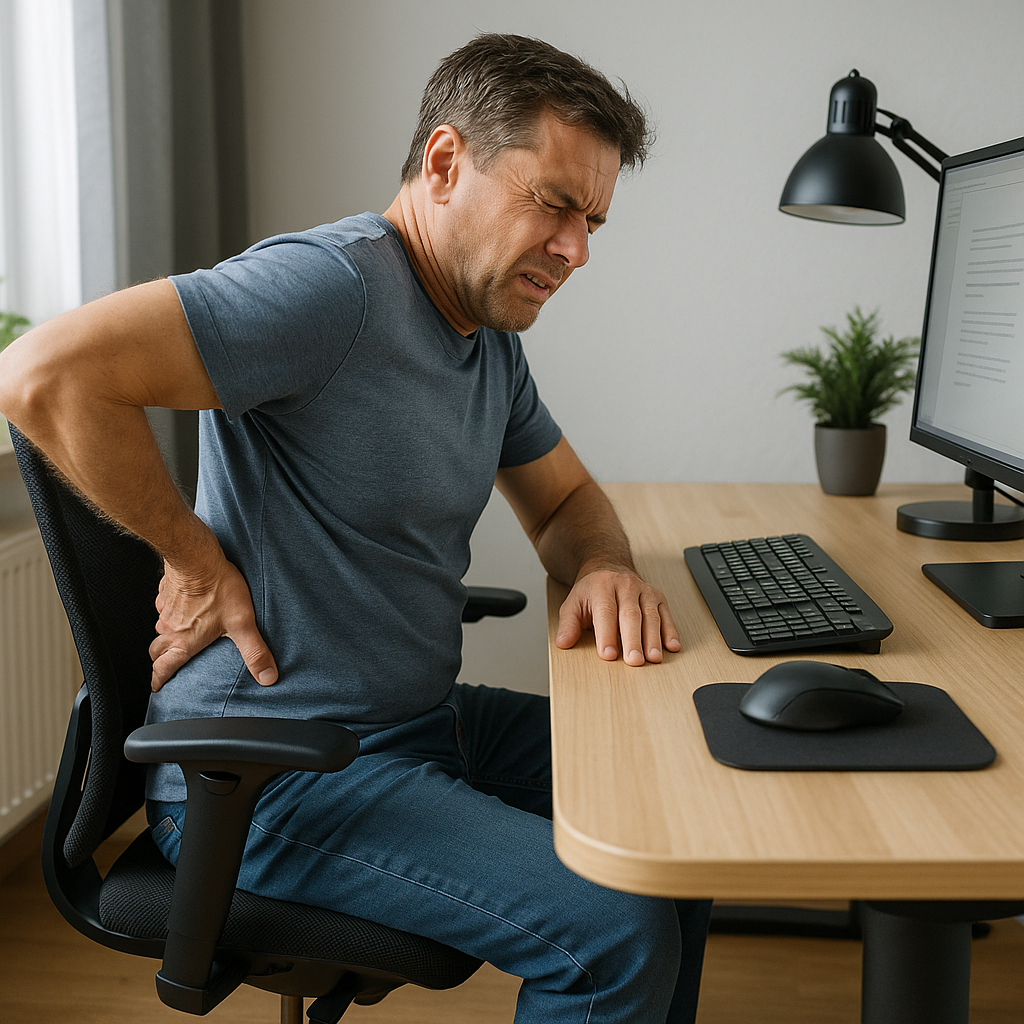
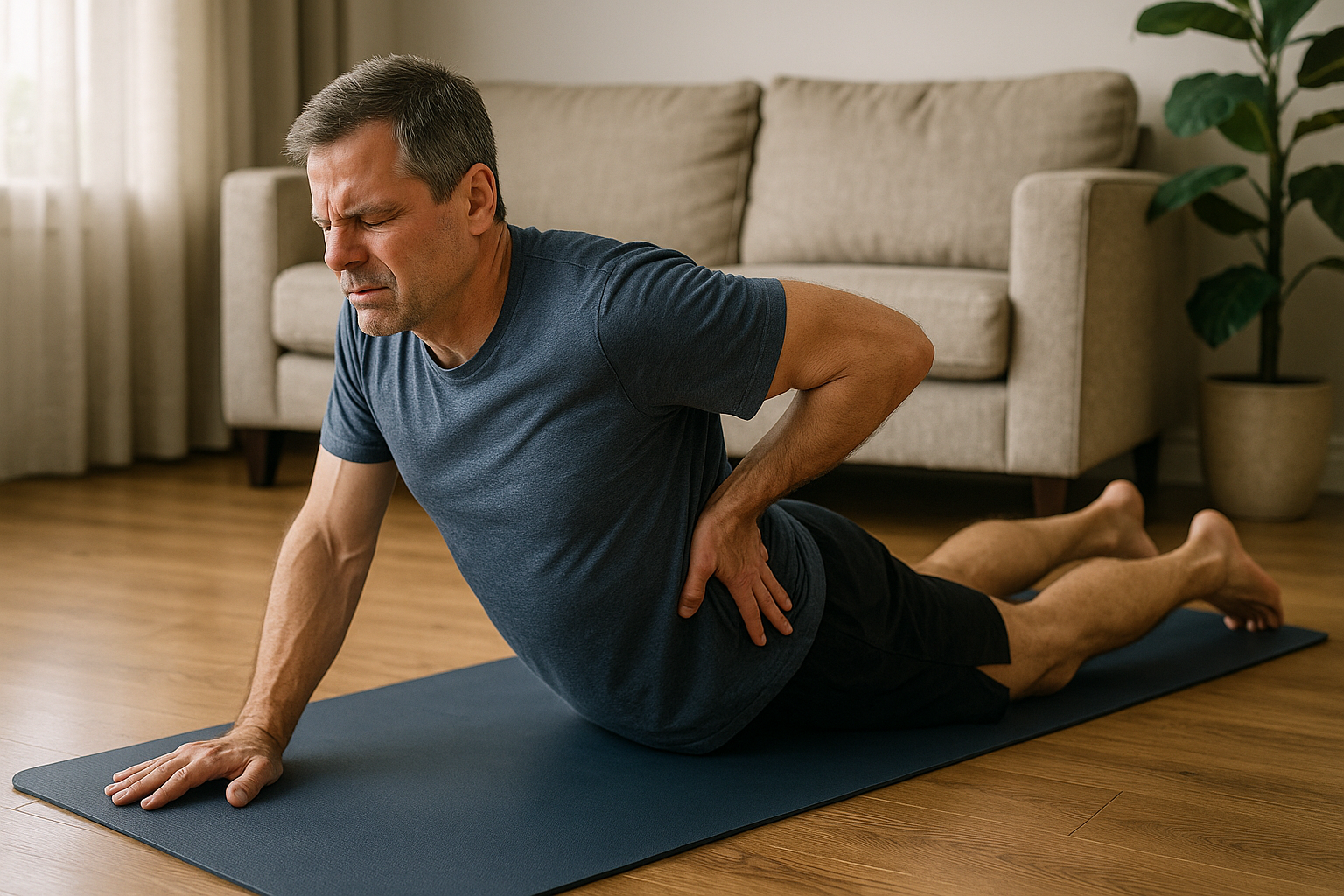
Understanding crooked back disease is essential for those who may be experiencing symptoms or know someone who is. Often referred to in medical terms as scoliosis, this condition is characterized by a sideways curvature of the spine. While the spine naturally curves slightly in the front-to-back direction, scoliosis involves an abnormal lateral curve, which can lead to a variety of health issues if not properly managed. Recognizing the signs of scoliosis early on is crucial for effective intervention and management, helping individuals maintain a better quality of life.
Prevalence and impact of crooked back disease
Scoliosis affects millions of people worldwide, spanning all ages from children to adults. It is a condition that does not discriminate, impacting both genders and various age groups. The prevalence of scoliosis highlights the importance of awareness and education about this condition. If left untreated, scoliosis can lead to significant challenges in daily life, affecting physical health and overall well-being. Individuals with scoliosis may experience discomfort, pain, and even limitations in mobility, emphasizing the need for timely diagnosis and management strategies.
Setting the stage for relief
The purpose of this blog post is to provide a comprehensive understanding of scoliosis, often referred to as crooked back disease. We aim to delve into the symptoms, causes, and potential relief strategies available for those affected by this condition. By focusing on ergonomic solutions and lifestyle adjustments, we hope to equip readers with practical tools and knowledge to manage scoliosis effectively. Through this exploration, we aim to empower individuals with scoliosis to take proactive steps towards improving their spinal health and enhancing their quality of life.
defining scoliosis: understanding the spine's sideways curve
Scoliosis, commonly referred to as crooked back disease, is characterized by a lateral, or sideways, curvature of the spine. Unlike the spine's natural front-to-back curves, scoliosis presents with an abnormal sideways curve that can appear as an "S" or "C" shape when viewed from the back. This condition can vary in severity, with some individuals experiencing mild curvatures that require minimal intervention, while others may face more pronounced curves necessitating comprehensive treatment plans.
To better visualize these spinal deviations, consider diagrams or illustrations that depict the different types of spinal curvatures associated with scoliosis. These visual aids can be invaluable in helping individuals and caregivers recognize the signs and understand the condition more thoroughly.
recognizing the symptoms of scoliosis
Identifying the symptoms of scoliosis early can lead to more effective management. Common physical signs include uneven shoulders, a noticeable protrusion of one shoulder blade, and a visible lean of the body to one side. In some cases, individuals may also experience back pain or nerve-related symptoms such as tingling, numbness, or weakness in the extremities.
To assist in self-assessment, consider using a checklist or table that outlines these symptoms, encouraging individuals to seek medical advice if they suspect scoliosis. Early intervention can prevent the progression of the condition and improve overall outcomes.
types and causes of scoliosis
- Idiopathic scoliosis: This is the most common form of scoliosis, with no identifiable cause. It often develops during adolescence and is more prevalent in females than males.
- Congenital scoliosis: This type occurs due to malformations of the spine present at birth. It can result from developmental abnormalities in the womb.
- Neuromuscular scoliosis: Associated with neuromuscular conditions such as cerebral palsy or muscular dystrophy, this type of scoliosis arises from muscle imbalances and weakness.
- Degenerative scoliosis: Typically seen in older adults, this form results from spinal wear and tear, often linked to conditions like arthritis or osteoporosis.
Understanding these distinctions is crucial for tailoring treatment approaches and managing scoliosis effectively.
impact of scoliosis on daily life
The effects of scoliosis extend beyond the spine's curvature, impacting various aspects of daily life. Physically, individuals may experience chronic pain, muscle imbalances, and, in severe cases, breathing difficulties due to rib cage compression. These physical challenges can lead to fatigue and reduced mobility, affecting one's ability to perform daily activities.
Psychologically, scoliosis can influence self-esteem and body image, particularly in adolescents who may feel self-conscious about their appearance. It's important to address these emotional aspects alongside physical treatment to ensure comprehensive care.
Testimonials from individuals living with scoliosis can provide valuable insights into the condition's impact, offering encouragement and practical advice for those newly diagnosed. By sharing these personal experiences, we can foster a supportive community for individuals managing scoliosis.
management and relief strategies for crooked back disease
When it comes to managing crooked back disease, or scoliosis, non-surgical interventions play a crucial role in alleviating symptoms and improving quality of life. Physical therapy, exercises, and stretches are foundational strategies that can help manage scoliosis symptoms effectively. These activities aim to strengthen the muscles supporting the spine, improve posture, and increase flexibility, which can collectively reduce discomfort and prevent further curvature progression.

Women's Posture Shirt™ - Black
Patented technology shirt activates muscles, improves posture, and relieves pain for women.

Lumbar support belt
Support and stabilize your lower back to help relieve pain, especially during daily activities.
ergonomic solutions for scoliosis
Ergonomic solutions are essential for individuals with scoliosis, particularly in work and home environments. Supportive chairs, posture correctors, and customized workspaces can significantly enhance comfort and reduce strain on the spine. These aids are designed to promote proper alignment and posture, which can mitigate pain and prevent further deterioration of the spinal curve. Incorporating ergonomic products into daily routines can be a game-changer for those managing scoliosis.
lifestyle modifications for spinal health
Maintaining a healthy lifestyle is integral to managing scoliosis. Staying active, maintaining a healthy weight, and practicing good posture are key components of a scoliosis management plan. Regular physical activity not only strengthens the muscles but also enhances overall health, which is vital for individuals with scoliosis. Additionally, being mindful of posture during daily activities can prevent unnecessary strain on the spine, contributing to long-term spinal health.
focus on adult scoliosis and long-term management
Adults with degenerative scoliosis face unique challenges, often requiring a tailored approach to management. Long-term pain management is crucial, and strategies such as regular physical therapy, ergonomic adjustments, and lifestyle modifications can help in preventing the progression of the condition. Adults should also focus on maintaining flexibility and strength through exercises specifically designed for scoliosis, which can help in managing symptoms and improving quality of life.
preventive measures for scoliosis progression
Preventing the progression of scoliosis involves a proactive approach to spinal health. Exercises and stretches that promote spinal flexibility and strength are essential. Additionally, the role of ergonomics cannot be overstated in preventing further deterioration. By integrating ergonomic solutions into daily life, individuals can support their spine's natural alignment and reduce the risk of exacerbating the condition.
product integration opportunities for scoliosis management
For those seeking relief from scoliosis symptoms, various ergonomic products can offer significant benefits. Supportive chairs, posture correctors, and adjustable desks are just a few examples of products designed to enhance spinal health. When choosing ergonomic products, it's important to consider individual needs and the specific type of scoliosis. A comparison table of different pain management approaches can also be useful in identifying the most suitable solutions for managing scoliosis effectively.
frequently asked questions
What is the main cause of scoliosis?
While many cases of scoliosis are idiopathic, meaning the cause is unknown, other causes include congenital factors, where the spine malformation is present at birth, and neuromuscular conditions, which are associated with diseases that affect muscle control.
Can scoliosis be cured?
Scoliosis cannot be cured, but it can be effectively managed with a combination of lifestyle changes, physical therapy, and ergonomic aids. Early detection and intervention are key to preventing further progression and managing symptoms.
How can I prevent my scoliosis from getting worse?
To prevent scoliosis from worsening, focus on maintaining good posture, engaging in regular exercises that strengthen the back and core, and using ergonomic products to support spinal alignment. Regular check-ups with a healthcare provider are also recommended.
Are ergonomic products effective for scoliosis?
Ergonomic products are highly effective in complementing medical treatments for scoliosis. They help improve posture, reduce pain, and enhance overall quality of life by supporting the spine's natural alignment.
What are the best exercises for scoliosis?
Exercises that strengthen the back and core, such as planks, pelvic tilts, and latissimus dorsi stretches, are beneficial for individuals with scoliosis. These exercises improve flexibility and support spinal health.
Källor
- National Institute of Arthritis and Musculoskeletal and Skin Diseases. "Scoliosis."
- WebMD. "Causes of Scoliosis."
- Lowenstein, J. "8 Ways Scoliosis Can Affect the Body."
- Penn Medicine. "Scoliosis."
- Hospital for Special Surgery. "Degenerative Scoliosis."
- NHS. "Scoliosis."
- Cleveland Clinic. "Scoliosis."