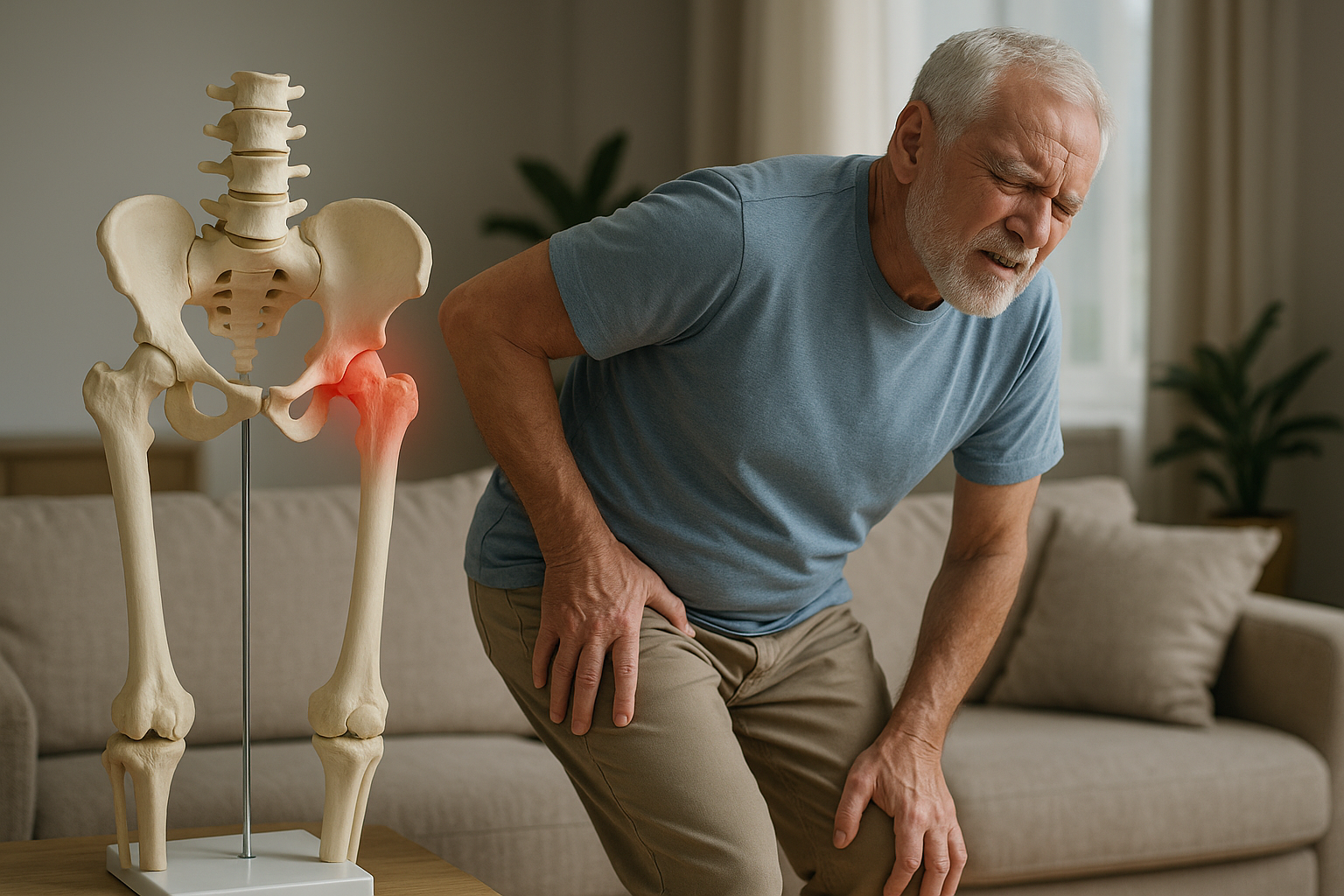
Lower back stiffness is a prevalent issue affecting many adults today, often manifesting as discomfort or restricted mobility. This common ailment can be attributed to various factors, with modern lifestyles playing a significant role. The demands of contemporary work environments, often characterized by prolonged sitting and inadequate posture, exacerbate the problem, leading to increased tension and stiffness in the lower back region. Understanding the root causes of this stiffness is the first step toward finding effective solutions.
One of the primary contributors to lower back stiffness is the sedentary nature of many people's daily routines. Long hours spent sitting at a desk or in front of a computer without proper ergonomic support can lead to muscle imbalances and tension. This is where the concept of ergonomics becomes crucial. Ergonomics, the science of designing and arranging things people use so that the people and things interact most efficiently and safely, offers a proactive approach to managing and preventing stiffness.
the role of ergonomics in promoting comfort
Ergonomics plays a vital role in promoting comfort and reducing strain on the body. By optimizing the design of workspaces, furniture, and tools, ergonomics helps to alleviate physical stress and prevent injuries. For those experiencing lower back stiffness, ergonomic solutions can be particularly beneficial. These solutions include adjustable chairs, desks at the correct height, and supportive accessories that encourage proper posture and alignment.
Implementing ergonomic changes in daily life can significantly impact overall well-being. By focusing on creating a supportive environment, individuals can reduce the risk of developing chronic stiffness and discomfort. Ergonomic solutions not only address the immediate symptoms of lower back stiffness but also serve as preventive measures, helping to maintain long-term spinal health.
As we delve deeper into the topic, it becomes evident that ergonomic adjustments are not just about comfort—they are about empowering individuals to take control of their health. By understanding the importance of ergonomics and its practical applications, people can make informed decisions that enhance their quality of life. In the following sections, we will explore the specific causes of lower back stiffness and how ergonomic solutions can provide relief and prevention.
common causes of stiff lower back
Understanding the root causes of a stiff lower back is crucial for effective management and prevention. One of the primary contributors is muscle tightness and imbalances, particularly in the thighs and hips. According to insights from SpineOne, tight hip flexors can significantly impact the lower back, causing discomfort and stiffness. These muscles, when overly tight, can pull on the lower back, leading to an imbalance that manifests as stiffness.
Another significant factor is improper sitting posture. Prolonged periods of sitting, especially without adequate support, can lead to muscle fatigue and tension in the lower back. UPMC and SpineOne emphasize that poor posture, often seen in modern office environments, exacerbates lower back issues. When individuals sit with slouched shoulders or without lumbar support, it places additional strain on the spine, contributing to stiffness over time.
medical insights into back pain
From a medical perspective, back pain can be classified into various categories, each with distinct symptoms and causes. The American Association of Neurological Surgeons (AANS) and the Hospital for Special Surgery (HSS) provide detailed insights into these classifications. Muscle strains and sprains are common, often resulting from sudden movements or overuse. Chronic back pain, on the other hand, may stem from more persistent issues like degenerative disc disease or arthritis.
It's important to recognize when back pain requires medical attention. UPMC suggests that if pain persists beyond typical recovery timelines, such as 10-14 days for muscle strains, or if there are additional symptoms like radiating leg pain, it may be time to consult a healthcare professional. Moreover, HSS highlights that mechanical injuries account for a staggering 97% of back pain cases, underscoring the importance of addressing mechanical issues through ergonomic strategies.
ergonomic solutions for relieving stiffness
Addressing lower back stiffness effectively often involves making ergonomic changes, particularly in the workplace. An ergonomic desk setup can significantly reduce strain on the back. This includes using chairs with proper lumbar support, desks at the correct height, and accessories like footrests and monitor stands to ensure optimal posture. Adjusting these elements can help mitigate the effects of prolonged sitting and promote a healthier spine.

Lumbar support belt
Provides stabilisation, compression, and relief for lower back pain and tension.
At home, ergonomic aids such as lumbar supports and specially designed cushions can provide relief. These tools help maintain the natural curve of the spine, reducing pressure on the lower back. By incorporating these ergonomic solutions into daily routines, individuals can not only alleviate existing stiffness but also prevent future discomfort.

Men's Posture Shirt™ - White
Patented Posture Shirt activates muscles and relieves pain for better posture every day.
In conclusion, understanding the causes of lower back stiffness and implementing ergonomic solutions are essential steps toward achieving comfort and preventing further issues. By addressing muscle imbalances, improving posture, and utilizing ergonomic tools, individuals can significantly enhance their quality of life and reduce the risk of chronic back problems.
lifestyle integration for long-term relief
Integrating lifestyle changes is crucial for achieving long-term relief from a stiff lower back. Regular exercise and movement play a pivotal role in combating stiffness. Incorporating activities such as stretching, yoga, and strength training into daily routines can help maintain flexibility and strengthen the muscles that support the spine. These exercises not only alleviate existing tension but also prevent future stiffness by promoting better posture and muscle balance.
Breaking the cycle of prolonged sitting is another essential component of lifestyle integration. Frequent breaks to stand, stretch, or walk around can significantly reduce the strain on the lower back. Ergonomic practices, such as using a standing desk or ensuring proper chair height, can further support spinal health. By consciously incorporating these habits into daily life, individuals can mitigate the risks associated with sedentary behavior and improve overall back health.
preventive measures for a healthier back
Preventive measures are key to mitigating future stiffness and ensuring a healthier back. Designing an ergonomic workspace is one of the most effective strategies. This involves setting up a desk and chair that promote proper posture, using tools like lumbar supports and footrests, and positioning monitors at eye level to avoid neck and back strain. These adjustments help create an environment that supports the natural alignment of the spine, reducing the likelihood of stiffness.
Additionally, being mindful of posture throughout the day is essential. Simple practices, such as sitting with the back straight and shoulders relaxed, can make a significant difference. Educating oneself about body mechanics and ergonomic principles can empower individuals to make informed choices that enhance their well-being. By prioritizing these preventive measures, individuals can take proactive steps to maintain spinal health and prevent the onset of stiffness.
frequently asked questions
What are the early signs of lower back stiffness?
Early signs of lower back stiffness include difficulty moving or straightening the back, a sensation of tightness, and discomfort during certain movements. According to insights from the Cleveland Clinic and Mayo Clinic, these symptoms may indicate the onset of stiffness and should be addressed promptly to prevent worsening.
How can ergonomic changes alleviate back stiffness?
Ergonomic changes can alleviate back stiffness by supporting natural posture and reducing muscle strain. Using ergonomic products like adjustable chairs, desks, and lumbar supports helps align the spine properly, minimizing pressure on the lower back and promoting comfort.
When should I seek medical attention for lower back pain?
Medical attention should be sought if lower back pain is accompanied by red flags such as radiating leg pain, numbness, or persistent symptoms that do not improve with home treatment. UPMC recommends consulting a healthcare professional if pain persists beyond typical recovery timelines or if there are additional concerning symptoms.
What are some quick ergonomic fixes for office workers?
Quick ergonomic fixes for office workers include adjusting chair height so feet rest flat on the floor, positioning the monitor at eye level to avoid neck strain, and using a lumbar support cushion to maintain the natural curve of the spine. These simple adjustments can significantly improve office ergonomics and reduce lower back stiffness.
Can lifestyle changes prevent lower back stiffness?
Lifestyle changes can indeed prevent lower back stiffness. A holistic approach that includes regular exercise, ergonomic workspace design, and posture awareness is essential. By integrating these practices into daily life, individuals can reduce the risk of developing stiffness and maintain a healthier back.
Källor
- Summit Medical Center. "Stiff Back: Causes & Treatments."
- UPMC. "Lower Back Pain."
- Hospital for Special Surgery. "Lower Back Pain: In-Depth Overview."
- Hinge Health. "Tight Lower Back: Causes and Solutions."
- Mayo Clinic. "Back Pain: Symptoms and Causes."
- MedlinePlus. "Back Pain."
- University of Maryland Medical System. "Spine Signs & Symptoms."