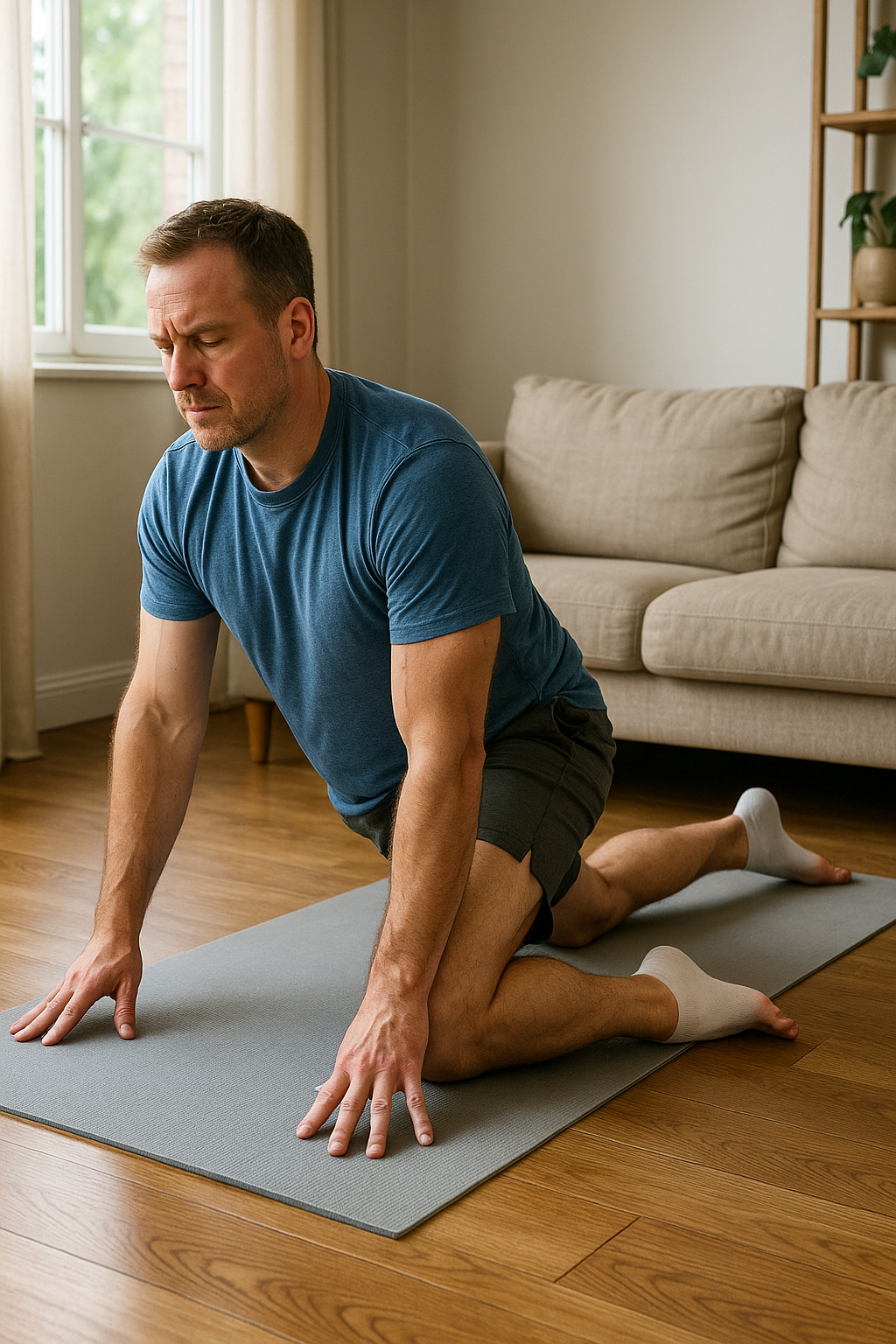
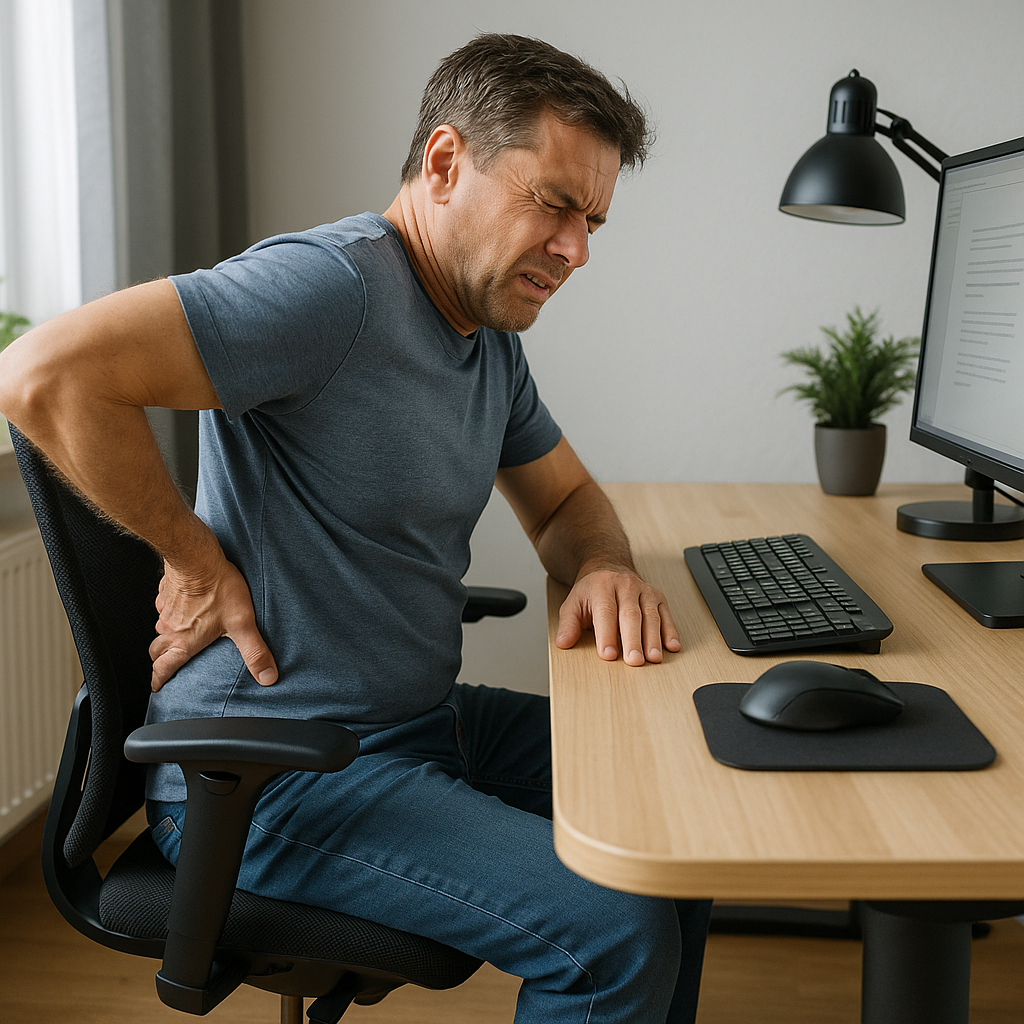
In the grand symphony of human movement, our hips play the role of a crucial conductor, orchestrating balance, strength, and flexibility. Whether you're dancing, running, or simply walking, your hips are at the center of it all, providing the pivotal support and range of motion needed for everyday activities. However, when hip pain strikes, it can feel like the music has stopped, impacting not just your mobility, but your overall quality of life.
Hip pain is a common ailment that affects a significant portion of the population. From the young and active to the elderly, many individuals experience discomfort in this vital joint. The causes of hip pain are varied, with common culprits including arthritis, bursitis, and injuries. Arthritis, for example, can lead to inflammation and deterioration of the hip joint, while bursitis involves the inflammation of the fluid-filled sacs that cushion the hip. Injuries, such as fractures or labral tears, can also cause significant pain and require immediate attention.
Understanding the importance of hip health
Maintaining healthy hips is essential for sustaining overall mobility and independence. When the hips are compromised, it can lead to a cascade of other musculoskeletal issues. Poor hip health can affect posture, leading to back pain and discomfort in other parts of the body. This interconnectedness underscores the importance of caring for our hips to ensure they remain strong and flexible throughout our lives.

Lumbar support belt
Supports and stabilizes the lower back to help relieve pain and tension during daily activity.
Moreover, understanding the dynamics of hip health empowers individuals to take proactive steps in preventing pain and injury. By recognizing the early signs of hip issues and adopting lifestyle changes, one can significantly reduce the risk of chronic pain and maintain an active lifestyle.
The goal of this post
The purpose of this blog post is to provide valuable insights into relieving hip pain and promoting freedom of movement. We'll explore the anatomy of the hip, delve into common causes of pain, and offer practical advice on non-surgical treatment options. Our aim is to equip you with the knowledge and tools needed to address hip discomfort effectively, so you can continue to move with ease and confidence. Stay tuned as we uncover the secrets to healthy, pain-free hips.
Understanding hip anatomy: the foundation of movement
The hip is one of the largest and most important joints in the human body, designed to support the weight of the body in both static and dynamic postures. It is a ball-and-socket joint, where the ball is the head of the femur (thigh bone) and the socket is the acetabulum of the pelvis. This unique structure allows for a wide range of motion, enabling activities like walking, running, and jumping.
Surrounding this joint are various muscles, tendons, and ligaments that contribute to its stability and movement. Key muscles include the gluteal muscles, which are crucial for movement and balance, and the hip flexors, which play a significant role in lifting the knee and bending at the waist. Ligaments, such as the iliofemoral ligament, provide additional support and limit excessive movement to prevent dislocation. Understanding this complex anatomy is essential for addressing hip pain and maintaining joint health.
Common causes of hip pain: identifying the culprits
Hip pain can stem from various sources, each requiring different approaches for relief.
Arthritis: This is one of the most prevalent causes of hip pain, particularly in older adults. Osteoarthritis, characterized by the degeneration of cartilage, leads to pain and stiffness. Rheumatoid arthritis, an autoimmune condition, can also cause inflammation in the hip joint, resulting in discomfort and reduced mobility.
Bursitis: This condition involves inflammation of the bursae, the small fluid-filled sacs that cushion the hip joint. Bursitis can cause significant pain and tenderness, often exacerbated by movement or pressure on the affected area.
Injuries: Traumatic injuries such as fractures or labral tears can lead to acute hip pain. Fractures, often due to falls or accidents, require immediate medical attention. Labral tears, which involve damage to the cartilage that surrounds the hip socket, can cause pain, clicking, or locking sensations in the joint.
Impact of lifestyle on hip health: making informed choices
Our daily habits significantly influence hip health, and making conscious lifestyle choices can help prevent pain and maintain mobility.
Sedentary lifestyle: Prolonged periods of sitting or inactivity can lead to stiffness and weaken the muscles supporting the hips. Incorporating regular movement and stretching into your routine can help counteract these effects.
Physical activity: Engaging in regular exercise strengthens the muscles around the hip joint, improves flexibility, and reduces the risk of injury. Activities such as walking, swimming, and yoga are excellent for maintaining hip health without placing excessive stress on the joints.
Weight management: Carrying excess weight puts additional stress on the hips, potentially leading to pain and degeneration over time. Maintaining a healthy weight through balanced nutrition and regular exercise can alleviate pressure on the hips and improve overall joint health.
Non-surgical treatment options: finding relief from hip pain
For those experiencing hip pain, several non-surgical treatments can offer relief and improve quality of life.
Physical therapy: A tailored physical therapy program can enhance hip mobility, strengthen supporting muscles, and reduce pain. Therapists often recommend exercises that target specific areas of weakness or stiffness.
Ergonomic aids: Supportive devices, such as cushioned chairs or orthopedic shoes, can help alleviate pressure on the hips and promote better posture. These aids are particularly beneficial for individuals who spend long hours sitting or standing.

Women's Posture Shirt™ - Black
Improves posture and can relieve pain or tension; for everyday wear and activity.
Pain management: Over-the-counter medications, such as non-steroidal anti-inflammatory drugs (NSAIDs), can provide temporary relief from pain and inflammation. Additionally, alternative therapies like acupuncture or hot/cold therapy may offer comfort and reduce discomfort.
By understanding the anatomy, causes, and lifestyle impacts on hip health, individuals can take proactive steps to manage pain and maintain freedom of movement. In the next section, we will explore surgical options and preventive measures to further support hip health.
Surgical treatments for severe hip pain
While non-surgical treatments are effective for many, there are instances where surgery becomes a necessary step towards relief. When hip pain is severe, persistent, and significantly impacts daily life, surgical intervention may be recommended. Common surgical options include hip replacement and arthroscopy.
Hip replacement is often considered for individuals with advanced arthritis or significant joint damage. This procedure involves replacing the damaged hip joint with a prosthetic implant, providing improved mobility and pain relief. It's a well-established surgery with a high success rate, typically recommended when other treatments have failed to provide relief.
Arthroscopy is a minimally invasive procedure used to diagnose and treat hip joint issues. It involves inserting a small camera into the joint to guide the repair of damaged tissues, such as labral tears. Arthroscopy is beneficial for addressing specific injuries and can result in faster recovery times compared to traditional surgery.
Preventive measures and lifestyle changes for healthy hips
Prevention is key to maintaining hip health and avoiding the need for surgical intervention. Regular check-ups and early intervention can make a significant difference. Here are some lifestyle changes and preventive measures to consider:
- Regular exercise: Incorporate activities that improve flexibility and strength, such as yoga, swimming, and walking. These exercises help maintain joint health and reduce the risk of injury.
- Stretching routines: Develop a daily stretching routine to enhance flexibility and prevent stiffness. Focus on hip flexors, glutes, and hamstrings to support overall hip function.
- Ergonomic adjustments: Make ergonomic changes at home and work to reduce strain on the hips. Use supportive chairs, adjust desk heights, and avoid prolonged sitting whenever possible.
- Healthy weight management: Maintain a healthy weight through balanced nutrition and regular physical activity to reduce stress on the hips.
Frequently asked questions
What are the first signs of hip problems?
Early signs of hip problems include pain in the hip or groin area, stiffness, and a reduced range of motion. You may also notice discomfort when walking, standing, or sitting for extended periods.
How can I differentiate between hip pain and back pain?
Hip pain is typically felt in the groin or front of the thigh, whereas back pain may radiate down the back of the leg or buttocks. If the pain worsens with hip movement, it is likely hip-related.
Are there specific exercises to strengthen hips?
Yes, exercises like hip bridges, leg lifts, and gentle yoga poses can help strengthen the muscles around the hip joint. These exercises improve stability and support overall hip health.
When should I see a doctor for hip pain?
If hip pain persists, worsens, or is accompanied by symptoms like swelling, fever, or inability to bear weight, it's essential to seek medical attention promptly.
Can ergonomic aids help with hip pain?
Yes, ergonomic aids such as supportive cushions and braces can provide relief by improving posture and reducing pressure on the hips. These aids are particularly beneficial for those who spend long hours sitting or standing.
By understanding the available treatments and preventive strategies, individuals can take proactive steps to manage hip pain and maintain a healthy, active lifestyle. Remember, early intervention and lifestyle adjustments are key to ensuring long-term hip health and mobility.
Källor
- Fusionsfamilien. (n.d.). ”Hvordan man identificerer og behandler nedsat hørelse.”
- Aalborg Universitetshospital. (n.d.). ”Behandling af øresten eller ørekrystaller.”
- Dimoda. (n.d.). ”Oplev vores innovative høretst.”
- Ørelægen Vesterbro. (n.d.). ”Høreprøver.”
- Akupunktor. (n.d.). ”Vi behandler syn, hørelse, lugt og smag.”
- DkLæger. (n.d.). ”Øre-næse-halslæge.”
- Høreapparatet. (n.d.). ”Dit besøg hos os.”
- Lyocell. (n.d.). ”Mulighed for gratis høretst i dag.”
- Hyldebær. (n.d.). ”Opdag din hørelse med en professionel høretst.”
- Ørelægen Vesterbro. (n.d.). ”Operationer.”