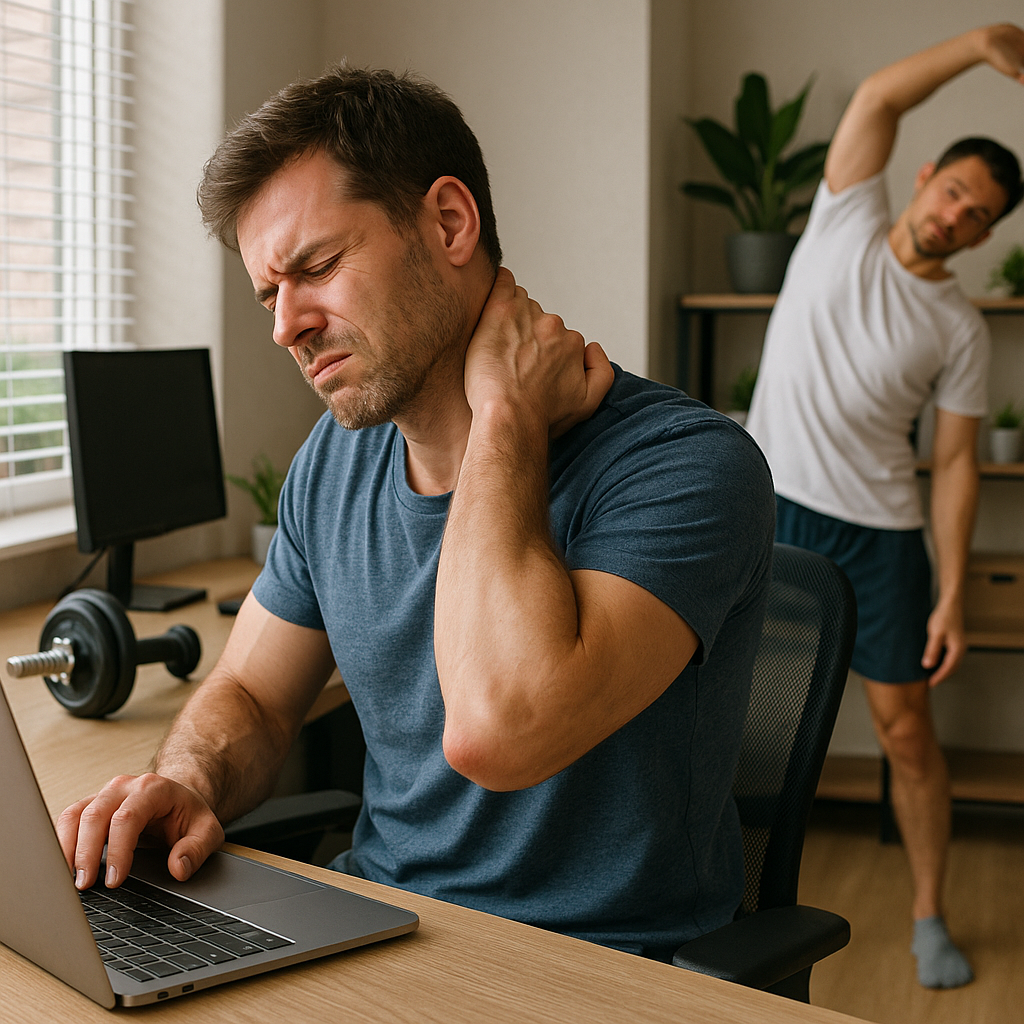
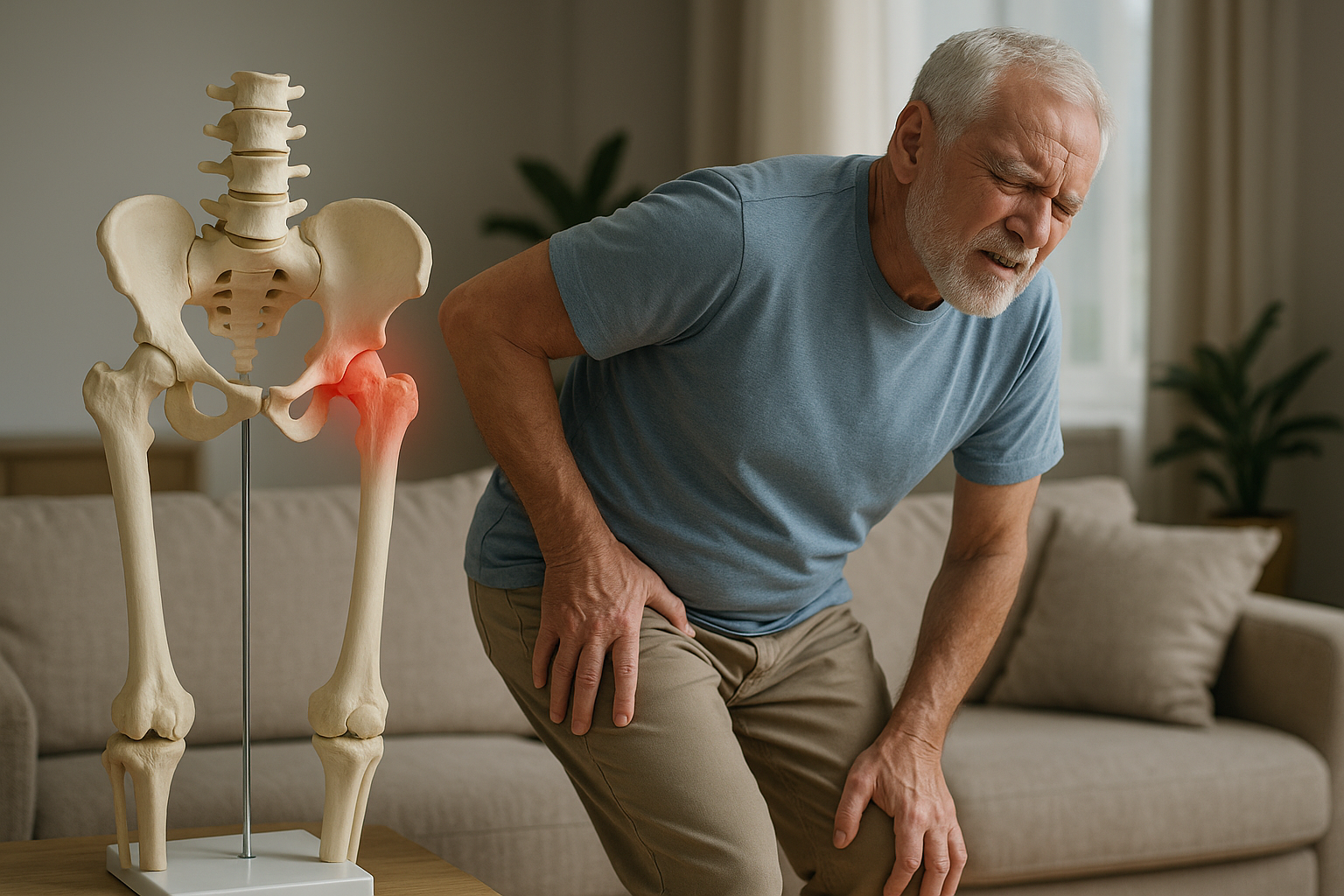
Imagine sitting at your desk for hours, feeling the stiffness creeping into your hips. It's a familiar scenario for many, especially those with sedentary jobs. The discomfort and reduced mobility that follow can be frustrating, affecting your daily activities and overall well-being. This common experience highlights the importance of maintaining hip flexibility, which plays a crucial role in your body's mobility, posture, and function.
Hip flexibility is not just about being able to perform a perfect split or excelling in yoga classes. It is fundamental to your body's ability to move efficiently and comfortably. Tight hips can lead to a cascade of other issues, including lower back pain and poor posture. These problems can further exacerbate discomfort and reduce your quality of life. When your hips are flexible, you can move with ease, maintain better posture, and reduce the risk of injury.
So, what causes our hips to become tight? The modern lifestyle is often to blame. Prolonged periods of sitting, whether at a desk, in a car, or on the couch, contribute significantly to hip stiffness. This sedentary lifestyle can lead to muscle shortening and tightness, especially in the hip flexors. Poor ergonomics, such as an improperly set up desk or chair, can exacerbate these issues, putting additional strain on your hips and lower back.
Fortunately, there are practical solutions to alleviate hip tightness and improve flexibility. In this post, you'll discover a series of effective hip stretches that can be easily integrated into your daily routine. These stretches are designed to target the key muscles around your hips, helping to relieve tension and improve mobility. By incorporating these exercises into your routine, you can experience everyday relief and prevent future discomfort.
Whether you're looking to enhance your athletic performance or simply want to move more comfortably through your daily life, understanding the importance of hip flexibility and knowing how to maintain it is essential. As you continue reading, you'll gain insights into why hips become tight and learn practical stretches that can be performed anywhere, anytime. Embrace the journey to unlocking your hips, and enjoy the freedom of movement that comes with it.
why hips get tight and how to address it
The modern lifestyle, characterized by prolonged periods of sitting, is a significant contributor to hip tightness. Whether you're working at a desk, commuting, or simply relaxing at home, extended sitting can cause your hip flexors to become shortened and stiff. This sedentary behavior leads to reduced blood flow and muscle activation, further exacerbating the problem.
Another factor contributing to tight hips is poor ergonomics. An improperly set up workspace can strain your hips and lower back, leading to discomfort and stiffness. Ensuring that your desk and chair are adjusted to support a healthy posture is crucial in preventing these issues. Additionally, limited movement throughout the day can cause muscles to become less flexible, making regular stretching essential to counteract this effect.

Lumbar support belt
Supports and stabilises your lower back, helping with pain and tension during daily activities.
effective hip stretches for improved flexibility
Incorporating specific stretches into your daily routine can significantly alleviate hip tightness and enhance flexibility. Here are some effective stretches to consider:
kneeling hip flexor stretch
Start by kneeling on one knee with the other foot in front, forming a 90-degree angle. Keep your back straight and gently push your hips forward until you feel a stretch in the front of your hip. Hold for 20-30 seconds, then switch sides. This stretch targets the hip flexors, helping to counteract the effects of prolonged sitting.
pigeon pose
A popular yoga pose, pigeon pose offers a deep hip opening. Begin in a tabletop position, bring one knee forward and place it behind your wrist, with the ankle near the opposite wrist. Extend the other leg back, keeping your hips square. Lean forward to deepen the stretch, holding for 30 seconds to a minute on each side. This pose is excellent for releasing tension in the hips and improving overall flexibility.
seated butterfly stretch
Sit on the floor with the soles of your feet together and knees bent outward. Hold your feet and gently press your knees toward the ground using your elbows. Maintain a straight back and hold the stretch for 20-30 seconds. The seated butterfly stretch is effective for loosening the inner thighs and hips, promoting better mobility.
foam rolling techniques
Foam rolling is a great complementary technique to relieve muscle tension and improve flexibility. Focus on rolling the hip flexors, glutes, and surrounding muscles. Spend about 1-2 minutes on each area, using slow, controlled movements to target tight spots. Foam rolling enhances blood flow and helps break down muscle knots, making it an excellent addition to your stretching routine.
visual demonstrations to enhance understanding
While written instructions provide a solid foundation, visual demonstrations can further enhance your understanding of these stretches. Consider exploring reputable YouTube channels or videos that offer guided, visual instruction. These resources can help ensure you're performing each stretch correctly and effectively, maximizing the benefits.
By integrating these hip stretches into your daily routine, you can experience significant relief from stiffness and improve your overall mobility. Remember, consistency is key. Regular practice will yield the best results, allowing you to move more freely and comfortably throughout your day.
integrating hip stretches into your daily routine
Incorporating hip stretching into your daily routine doesn't have to be a daunting task. With a few simple adjustments and mindful practices, you can seamlessly integrate these beneficial stretches into your day, promoting flexibility and reducing discomfort. Here are some practical tips to help you get started:
workplace tips for hip health
Given that many of us spend a significant portion of our day at work, it's crucial to find ways to incorporate stretching into your workday. Consider taking short breaks every hour to stand and stretch. Simple movements like the seated butterfly stretch can be done right at your desk. Additionally, after long meetings or periods of sitting, a quick walk around the office can help alleviate stiffness and promote circulation.
developing a daily stretching routine
Creating a daily routine that includes hip stretching can lead to lasting relief and improved mobility. Start your day with a few minutes of stretching to wake up your muscles and prepare your body for the day ahead. In the evening, unwind with a series of stretches to release any tension built up throughout the day. A sample routine might include the kneeling hip flexor stretch, pigeon pose, and foam rolling techniques, each performed for 20-30 seconds.
ergonomic solutions for better hip health
In addition to regular stretching, ergonomic solutions can play a significant role in maintaining hip health. Investing in an adjustable chair or a standing desk can help you maintain a healthy posture and reduce the strain on your hips. Ergonomic aids such as lumbar support cushions or footrests can also contribute to a more comfortable and supportive workspace, preventing hip tightness from developing.

Men's Posture Shirt™ - Black
Patented NeuroBand™ technology helps improve posture, relieve tension, and promote better body alignment.
prevention and maintenance for long-term benefits
While stretching is an effective way to relieve existing hip tightness, prevention is equally important. Maintaining good posture throughout the day can prevent unnecessary strain on your hips and lower back. Be mindful of your posture when sitting, standing, or walking, ensuring that your spine is aligned and your weight is evenly distributed.
Regular movement is another key aspect of prevention. Incorporate small bouts of activity throughout your day, such as taking the stairs instead of the elevator or going for a short walk during lunch breaks. These habits not only support hip health but also contribute to overall well-being.
frequently asked questions
what causes hip tightness?
Hip tightness is often caused by prolonged sitting, poor posture, and lack of movement. It can also result from repetitive activities that involve the hip flexors.
how often should I stretch my hips?
It's recommended to stretch your hips daily, especially if you have a sedentary lifestyle. Aim for at least 5-10 minutes of stretching each day.
can stretching help with hip pain?
Yes, regular stretching can alleviate hip pain by improving flexibility and reducing muscle tension. However, it's important to consult a healthcare professional if the pain persists.
are there any tools that can help with hip stretching?
Foam rollers, yoga blocks, and resistance bands can enhance the effectiveness of hip stretches by providing support and added resistance.
can I do hip stretches at work?
Absolutely. Simple stretches like the seated butterfly stretch can be done at your desk. Consider taking short breaks to stand, stretch, and walk around to maintain hip flexibility.
Källor
- Prevention. (n.d.). "12 Yoga Poses to Open Your Hips." Prevention.
- Medical News Today. (n.d.). "Everything You Need to Know About Hip Flexor Strain." Medical News Today.
- Fitness Blender. (n.d.). "8 Minute Hip Mobility Routine - Fix Tight Hips." Fitness Blender.
- Sunny Health & Fitness. (n.d.). "Hip Stretch & Mobility: Flexibility in 10 Minutes." Sunny Health & Fitness.
- Peloton. (n.d.). "Hip Mobility Exercises to Improve Flexibility and Reduce Pain." Peloton.