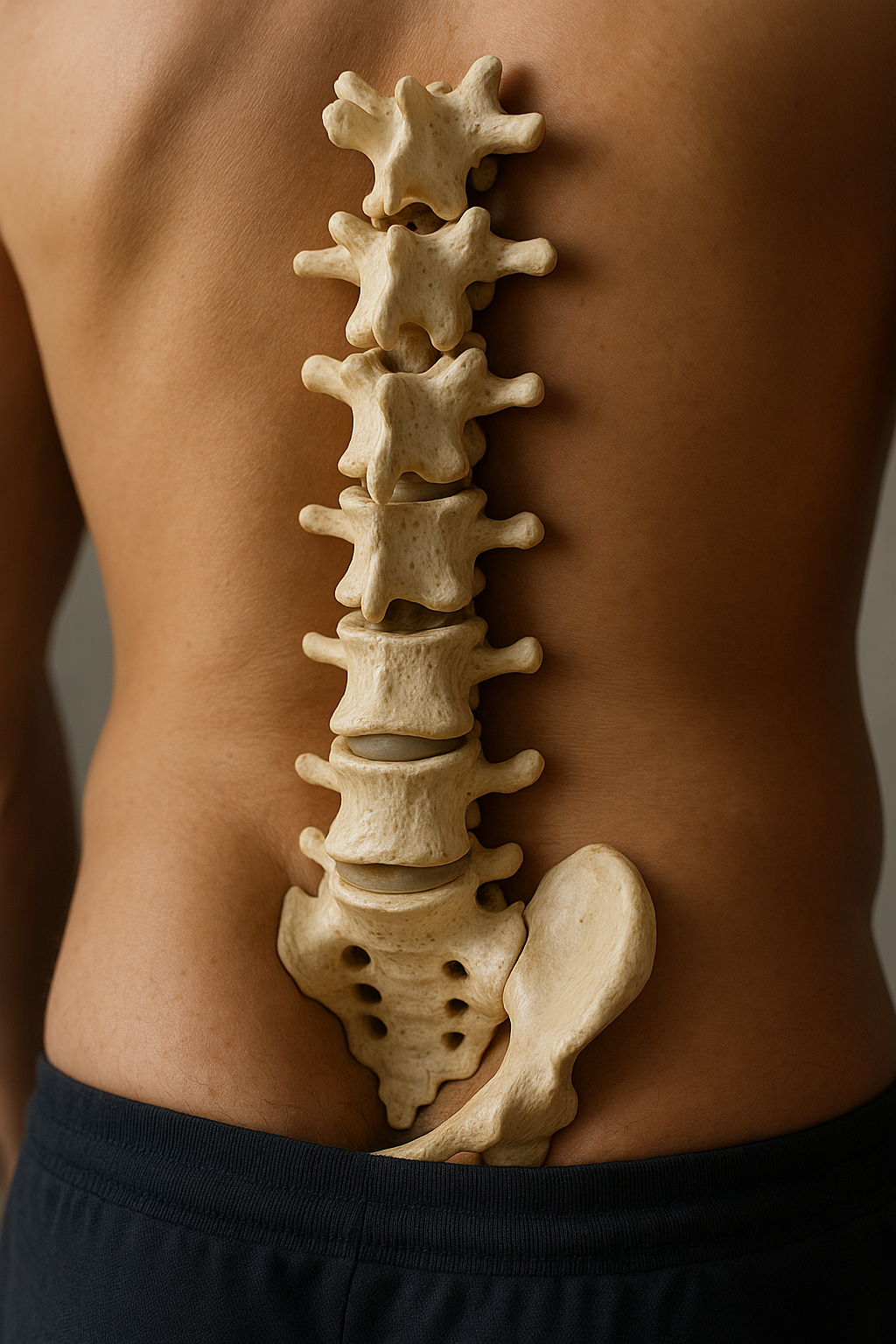
Back pain is a common ailment that affects millions of people worldwide, often stemming from sedentary lifestyles and prolonged periods of sitting. One effective method to combat this discomfort is through back twist exercises, which have gained popularity for their ability to enhance core strength and alleviate back pain. These exercises not only help in strengthening the core muscles but also play a crucial role in improving overall posture and flexibility.
In today's fast-paced world, many individuals find themselves tied to desks and screens, leading to a surge in back pain cases. This prevalent issue has sparked a growing interest in exercises that can be easily integrated into daily routines to provide relief and prevent further discomfort. Back twist exercises are particularly beneficial as they target the obliques and other core muscles, contributing to better stability and posture.
the rise of ergonomic support
While traditional exercises like back twists are effective, incorporating ergonomic support into your routine can enhance their benefits. Ergonomics focuses on designing environments and products that fit the user's needs, thereby reducing the risk of musculoskeletal disorders. By integrating ergonomic practices with back twist exercises, individuals can achieve a more balanced and pain-free lifestyle.
Ergonomic support can come in various forms, such as adjustable chairs, lumbar supports, and even specific exercise tools like resistance bands. These aids ensure that the body maintains proper alignment during exercises, preventing strain and enhancing the effectiveness of the workout. For those suffering from chronic back pain or looking to prevent injuries, combining ergonomic support with back twist exercises offers a comprehensive approach to wellness.

Women's Posture Shirt™ - Black
Patented Neuroband™ tech supports posture, relieves pain, and boosts postural awareness.
purpose of the post
This blog post aims to explore the synergistic relationship between back twist exercises and ergonomic support. By understanding how these two components work together, individuals can develop a routine that not only alleviates pain but also strengthens the core and promotes overall well-being. Whether you're a desk worker looking to counteract the effects of prolonged sitting or someone seeking to enhance their fitness regimen, integrating these practices can lead to significant improvements in your quality of life.
Stay tuned as we delve deeper into the different types of back twist exercises and how ergonomic integration can elevate your exercise routine, providing practical tips and insights for optimal results.
understanding back twists
Back twist exercises offer a diverse range of movements that cater to different fitness levels and health benefits. Among the most popular are oblique twists, standing spinal twists, and supine twists. Each of these exercises targets specific muscle groups and provides unique advantages.
Oblique twists primarily focus on the oblique muscles, which are crucial for core stability and balance. According to the American Sports & Fitness article, these exercises not only contribute to a toned midsection but also enhance functional strength, which is essential for everyday movements.
Standing spinal twists, highlighted by Ocoach, are particularly effective for those seeking relief from back pain and improved mobility. These exercises emphasize posture correction and flexibility, making them ideal for individuals who spend long hours sitting. The step-by-step instructions provided by Ocoach ensure that even beginners can perform these twists safely and effectively.
Supine twists, as discussed by QI Spine, are another excellent option for spinal health. These exercises gently stretch the spine and can aid in digestion and metabolism, offering a holistic approach to wellness. The supine twist is especially beneficial for those looking to enhance their overall well-being while focusing on spinal health.
health benefits of back twists
Incorporating back twist exercises into your routine can lead to significant health benefits. Core strengthening is one of the primary advantages, as these exercises engage the obliques and other core muscles. Hinge Health emphasizes that a strong core is essential for maintaining stability and proper posture, reducing the risk of back pain.
Moreover, back twists offer therapeutic benefits, particularly in pain relief. Spinal twists enhance flexibility and help correct posture, which can alleviate discomfort caused by prolonged sitting or poor posture habits. By regularly performing these exercises, individuals can experience improved mobility and reduced pain.
Beyond physical health, back twists contribute to holistic wellness. QI Spine highlights additional benefits such as improved digestion and metabolism, which can lead to better overall health. By integrating these exercises into your routine, you can achieve a balanced approach to fitness and well-being.
ergonomic integration for enhanced benefits
Understanding the importance of ergonomics is crucial when performing back twist exercises. Ergonomics is the science of designing environments and products that fit the user's needs, reducing the risk of musculoskeletal disorders. By applying ergonomic principles to back twist exercises, you can enhance their effectiveness and prevent injuries.
Maintaining proper posture during exercises is essential to prevent strain and maximize benefits. An ergonomic setup can include using support cushions, resistance bands, and other tools to ensure correct alignment. These aids help maintain the body's natural posture, allowing for safer and more effective exercise sessions.
For desk workers, back twist exercises can be particularly beneficial. Prolonged sitting can lead to back pain and poor posture, but incorporating ergonomic principles into your daily routine can counteract these effects. By using adjustable chairs and lumbar supports, you can create a workspace that promotes better posture and reduces the risk of pain.
In conclusion, integrating ergonomic support with back twist exercises offers a comprehensive approach to wellness. By understanding the different types of back twists and their health benefits, you can develop a routine that enhances core strength, alleviates pain, and promotes overall well-being. Stay tuned for more insights on how to combine these practices for optimal results.
combining back twists with ergonomic support for optimal wellness
Integrating back twist exercises with ergonomic practices is a strategic approach to enhancing your overall wellness routine. By doing so, you not only strengthen your core but also create a supportive environment that reduces the risk of injury and promotes recovery. This combination is particularly beneficial for individuals who spend long hours sitting or those looking to improve their posture and alleviate back pain.
Preventive measures are crucial when performing back twist exercises. Ensuring that your body is correctly aligned and supported can significantly reduce the risk of strain or injury. Ergonomic tools such as lumbar supports, adjustable chairs, and resistance bands can aid in maintaining proper posture during exercises, allowing for a safer and more effective workout.
Creating a balanced exercise routine that includes both back twists and ergonomic practices is essential for achieving optimal results. Incorporating these elements into your daily routine can help prevent injuries and support recovery, ensuring that you maintain spinal health and overall well-being.
recovery and support through ergonomic aids
Ergonomic aids play a vital role in supporting recovery and maintaining spinal health, especially when combined with back twist exercises. Products such as ergonomic chairs, lumbar cushions, and adjustable desks can help create a supportive environment that enhances the benefits of your exercise routine.
These tools not only provide comfort and support during exercises but also promote proper posture throughout the day. By using ergonomic aids, you can reduce the risk of developing musculoskeletal disorders and ensure that your body is well-aligned, both during exercise and in everyday activities.
For individuals seeking to enhance their back twist exercises, investing in ergonomic products can make a significant difference. These aids not only complement your workout routine but also contribute to a holistic approach to wellness, ensuring that you achieve your fitness goals while maintaining spinal health.

Lumbar support belt
Adjustable lumbar belt to support and stabilize your lower back and relieve pain.
frequently asked questions
what are the best back twist exercises for beginners?
Beginner-friendly back twist exercises include seated twists and basic oblique twists. To perform a seated twist, sit on the floor with your legs extended, bend one knee, and place the opposite elbow on the outside of the bent knee. Gently twist your torso in the direction of the bent knee. For oblique twists, sit with your knees bent and feet flat on the floor, lean back slightly while keeping your back straight, and twist your torso side to side.
how can ergonomic tools enhance my exercise routine?
Ergonomic tools such as lumbar supports, adjustable chairs, and resistance bands can enhance your exercise routine by ensuring proper alignment and reducing strain. These aids help maintain correct posture during exercises, making your workouts safer and more effective.
can back twist exercises be harmful if done incorrectly?
Yes, back twist exercises can be harmful if done incorrectly. Common mistakes include twisting too quickly or without proper alignment, which can lead to strain or injury. To avoid this, focus on maintaining a controlled movement and proper posture throughout the exercise.
how often should I perform back twist exercises for optimal results?
For optimal results, it is recommended to perform back twist exercises 2-3 times per week, allowing for rest days in between sessions. This frequency can be adjusted based on individual fitness levels and goals.
are there any specific ergonomic products recommended for back twist exercises?
Specific ergonomic products recommended for back twist exercises include lumbar support cushions, ergonomic chairs, and resistance bands. These tools can help maintain proper posture and support your body during exercises, enhancing the benefits of your routine and reducing the risk of injury.
By integrating ergonomic support with back twist exercises, individuals can enhance their core strength, alleviate back pain, and prevent future injuries, creating a holistic approach to wellness and fitness.
Källor
- Dieringe. "Spine Twist Exercises."
- YouTube. "Back Pain Relief Exercises."
- YouTube. "Core Strengthening Routine."
- Mayo Clinic. "Seated Spinal Twist."
- YouTube. "Flexibility and Mobility Exercises."
- YouTube. "Twist Exercises for Beginners."
- YouTube. "Yoga for Spinal Health."
- YouTube. "Advanced Back Twist Techniques."
- FYZICAL. "Body Twist with Heels Lifted."