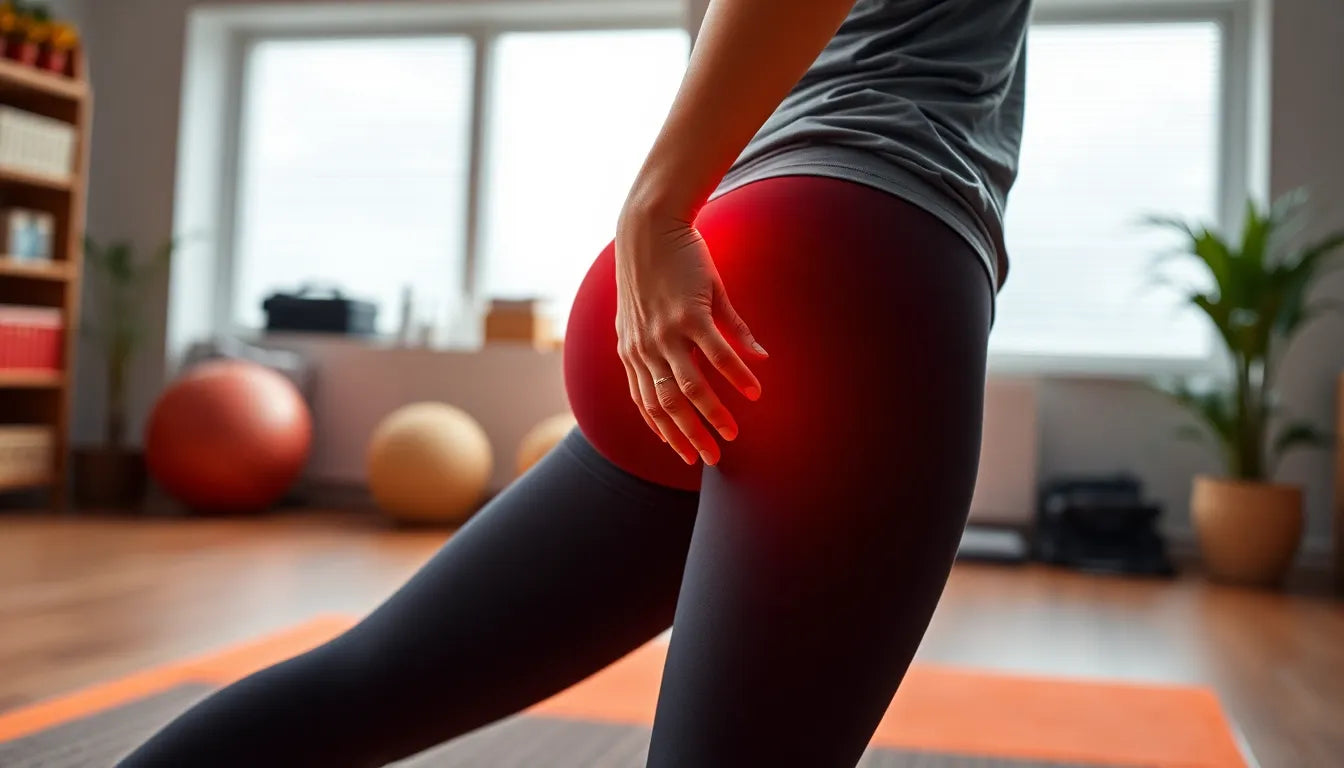
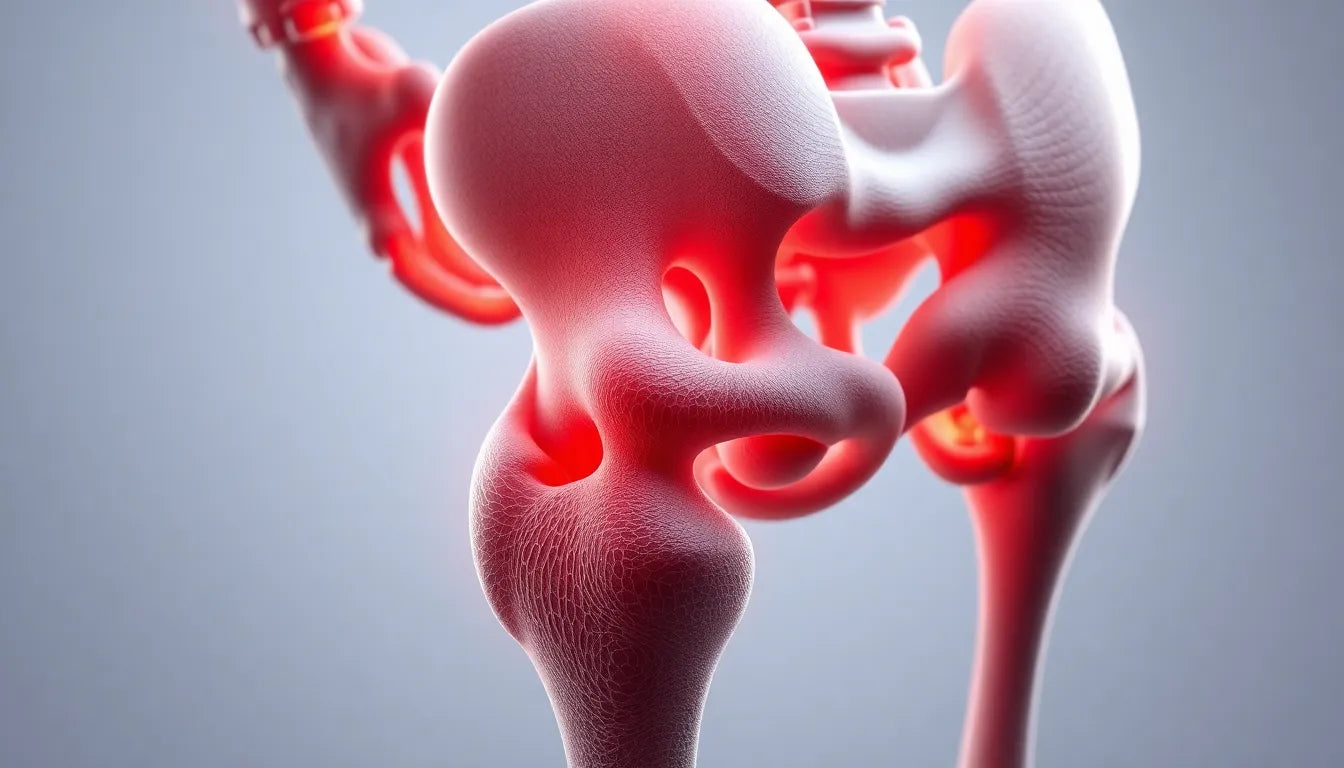
Have you ever experienced a sudden twinge in your hip after sitting for too long or felt discomfort while trying to stand up after a long day at the desk? If so, you're not alone. Hip flexor pain is a common issue, especially among those leading sedentary lifestyles. Understanding the hip flexor muscles is crucial for maintaining overall mobility and health, as these muscles play a vital role in our daily movements.
Understanding hip flexor muscles
The hip flexor muscles are a group of muscles located in the front of the hip. They are responsible for key movements such as walking, running, and even sitting. These muscles include the iliopsoas, rectus femoris, sartorius, and pectineus. Together, they work to lift the thigh towards the abdomen, a motion essential for various activities, from climbing stairs to performing athletic movements.
In today's world, where many people spend hours sitting at a desk or in front of a screen, issues like tightness and pain in the hip flexors have become increasingly prevalent. This is largely due to the muscles being in a shortened position for extended periods, leading to stiffness and discomfort.
The purpose of this post
This post aims to shed light on the anatomy and function of the hip flexor muscles, providing you with the knowledge needed to maintain their health and prevent pain. By exploring the structure and role of these muscles, you'll gain insights into how they contribute to your overall movement and what you can do to keep them flexible and strong.
Through understanding and proper care, you can unlock the secret to pain-free hip flexors, enhancing your mobility and quality of life. Stay tuned as we delve deeper into the specifics of these crucial muscles and share strategies to keep them in optimal condition.
Anatomy and function of hip flexor muscles
To truly understand the importance of hip flexor muscles, it's essential to delve into their anatomy and function. These muscles are pivotal in facilitating movement and stability, particularly in the lower body. Let's take a closer look at the major players:
Iliopsoas: This is a combination of the iliacus and psoas major muscles. It is the primary hip flexor and plays a crucial role in lifting the thigh towards the torso. The iliopsoas is vital for activities such as walking, running, and bending.
Rectus Femoris: Part of the quadriceps group, this muscle is unique because it crosses both the hip and knee joints. It assists in hip flexion and is also responsible for knee extension, making it integral to movements like kicking and squatting.
Sartorius: Known as the longest muscle in the human body, the sartorius runs diagonally across the thigh. It aids in flexing, abducting, and laterally rotating the hip, as well as flexing the knee. This muscle allows for a wide range of leg movements, contributing to activities like sitting cross-legged.
Pectineus: This small yet powerful muscle assists in hip flexion and adduction, stabilizing the pelvis and supporting the thigh's inward movement. The pectineus is particularly active in activities that require quick changes in direction.
The role of hip flexors in movement
The hip flexor muscles work in concert to enable a variety of movements. They are essential for lifting the leg, stabilizing the pelvis, and maintaining balance. Whether you're sprinting down a track or simply standing up from a chair, these muscles are hard at work. They also play a significant role in maintaining posture, especially when sitting for extended periods.
Visualizing these muscles can aid in understanding their function. Imagine a simple diagram showing the location of each muscle, illustrating how they connect the pelvis to the femur and contribute to the complex mechanics of movement.
Common issues and causes of hip flexor problems
Despite their importance, hip flexor muscles are prone to several issues, primarily due to modern lifestyle habits. One of the most common problems is muscle tightness, often resulting from prolonged sitting. When seated, the hip flexors remain in a shortened position, leading to stiffness and discomfort over time.
Strains are another prevalent issue, usually occurring when the muscles are overstretched or subjected to sudden force. This can happen during activities that involve quick starts and stops, like running or playing sports. According to recent data, hip flexor strains account for a significant number of sports-related injuries, highlighting the need for proper care and conditioning.
Statistics suggest that individuals who sit for more than six hours a day are at a higher risk of developing hip flexor tightness and related discomfort. This underscores the importance of incorporating regular movement and stretching into daily routines to alleviate and prevent such issues.
Understanding these common problems and their causes is the first step towards maintaining healthy hip flexors. By recognizing the signs of tightness and strain, you can take proactive measures to address them, ensuring these crucial muscles remain pain-free and functional.
Prevention and treatment strategies for healthy hip flexors
Maintaining healthy hip flexor muscles is essential for preventing pain and enhancing mobility. Here are some effective strategies to keep your hip flexors in optimal condition:
Exercises and stretches for flexibility and strength
Incorporating specific exercises into your routine can significantly improve the flexibility and strength of your hip flexors. Here are some recommended exercises:
- Lunges: Perform forward lunges to stretch and strengthen the hip flexors. Ensure your knee does not extend beyond your toes to avoid strain.
- Hip Bridges: Lie on your back with your feet flat on the ground, then lift your hips towards the ceiling. This exercise strengthens the glutes and stretches the hip flexors.
- Dynamic Stretches: Incorporate leg swings and high knees into your warm-up routine to enhance hip mobility.
For optimal results, consider creating a daily checklist of these exercises to ensure regular practice and improvement.
Ergonomic solutions for hip flexor health
Proper ergonomics play a vital role in preventing hip flexor strain, especially for those who spend significant time sitting. Here are some tips to consider:
- Ergonomic Furniture: Invest in ergonomic chairs that support proper posture, keeping the hips and knees at a 90-degree angle.
- Standing Desks: Use a standing desk to alternate between sitting and standing throughout the day, reducing the pressure on hip flexors.
- Posture Awareness: Maintain an upright posture and avoid crossing legs while sitting to prevent unnecessary strain on the hip flexors.
Implementing these ergonomic solutions can help alleviate pressure on the hip muscles and promote better posture, reducing the risk of hip flexor issues.

Lumbar support belt
Supports and stabilises your lower back to relieve pain and tension during activity or rest.

Men's Posture Shirt™ - Black
Patented shirt that helps activate muscles and improve posture, may relieve tension and pain.
Frequently Asked Questions
What are the symptoms of hip flexor strain?
Common symptoms of hip flexor strain include pain in the front of the hip, stiffness, and a reduced range of motion. You may also experience discomfort when lifting the leg or during physical activities.
How can I tell if my hip flexors are tight?
Signs of tight hip flexors include difficulty standing up straight, lower back pain, and discomfort during activities like running or cycling. If you notice these symptoms, consider incorporating stretches into your routine.
How often should I stretch my hip flexors?
It's recommended to stretch your hip flexors 3-4 times a week, particularly if you sit for extended periods. Regular stretching helps maintain flexibility and prevent tightness.
Can hip flexor pain be a sign of a more serious condition?
While hip flexor pain is often due to strain or tightness, persistent or severe pain should be evaluated by a healthcare professional to rule out underlying conditions such as hip impingement or arthritis.
By understanding and addressing hip flexor issues, you can maintain their health and enjoy pain-free movement. Implement these strategies and solutions to keep your hip flexors strong and flexible, enhancing your overall quality of life.
Källor
- "Hip Flexor Muscles Anatomy." Back Muscle Solutions.
- "Hip Flexor Muscle or Flexors of Hip." Jacksonville Orthopaedic Institute.
- "Anatomy, Bony Pelvis and Lower Limb, Hip Flexors." NCBI Bookshelf.
- "Hip Flexor Muscles Anatomy." Dr. Benjamin Domb.
- "Hip and Thigh Muscles." Kenhub.
- "Hip Flexors." Physio-pedia.
- "Understanding Hip Flexor Muscles." YouTube.