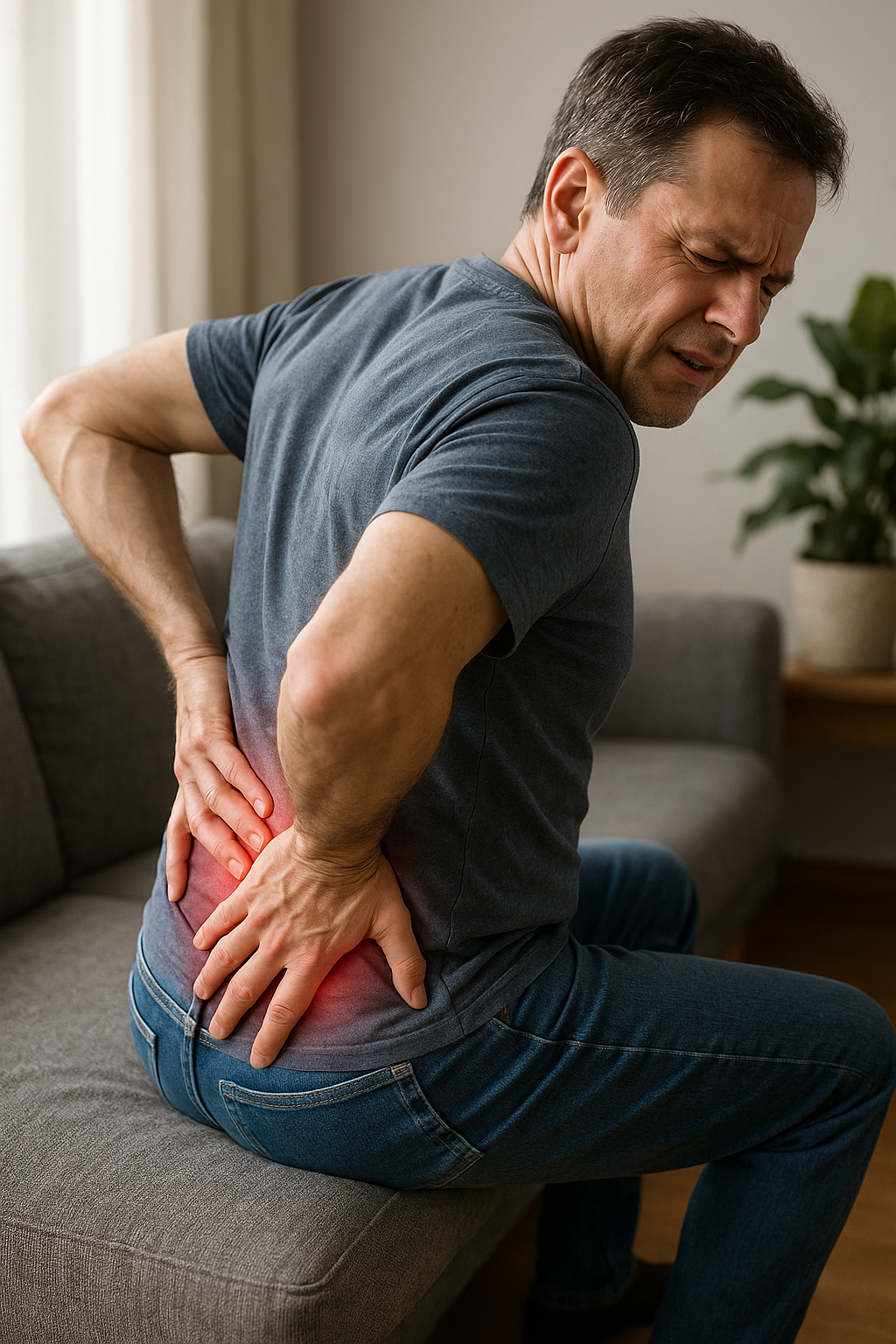
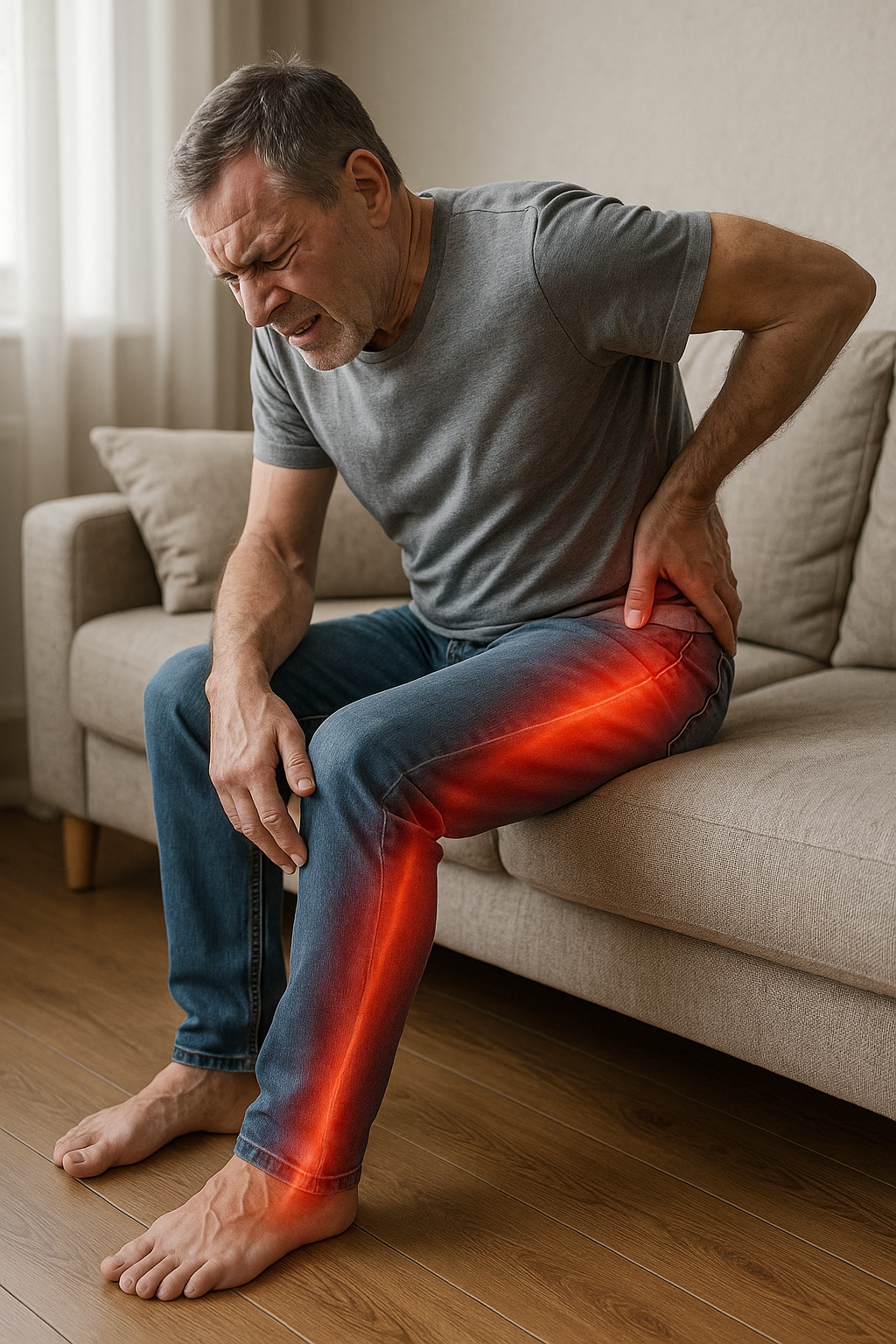
Lower back and leg pain is a common affliction that affects millions of people worldwide, disrupting daily routines and diminishing overall productivity. This pervasive issue often leaves individuals grappling with discomfort that can range from mild to debilitating, impacting their ability to perform even the simplest tasks. Despite its prevalence, many sufferers struggle to identify the underlying causes of their pain, often attributing it to general back issues without delving deeper into specific conditions.
common misconceptions about lower back and leg pain
One of the most significant misconceptions surrounding lower back and leg pain is the tendency to blame it solely on generic back problems. While it's true that back pain is a common complaint, the specific causes can vary widely. Many individuals overlook the possibility of conditions like sciatica, which is a major contributor to this type of pain. Sciatica is often misunderstood, leading to misdiagnosis and ineffective treatment plans. This lack of awareness can prolong suffering and delay recovery, making it crucial to understand the specific causes of pain.
purpose of the post
The aim of this blog post is to shed light on the real culprits behind lower back and leg pain, with a particular focus on sciatica and related conditions. By exploring these issues, we hope to provide readers with a clearer understanding of their pain and offer actionable insights for relief. Whether you're experiencing sharp, shooting pains or persistent discomfort, recognizing the true source of your symptoms is the first step toward effective management and recovery. In the following sections, we'll delve deeper into the mechanics of sciatica, explore other potential causes of pain, and offer guidance on when to seek professional help. Our goal is to empower you with the knowledge needed to tackle your pain head-on and reclaim your quality of life.
understanding sciatica and its causes
Sciatica is a condition characterized by pain that originates from the irritation or compression of the sciatic nerve, which is the longest nerve in the human body. This nerve runs from the lower back, through the buttocks, and down each leg, which is why sciatica often manifests as pain radiating from the lower back to the legs. The discomfort can vary from a mild ache to a sharp, burning sensation, and in some cases, it can be excruciating, making it difficult to stand or sit for extended periods.
common causes of sciatica
One of the most prevalent causes of sciatica is a herniated disc. This occurs when the soft center of a spinal disc pushes through a crack in the tougher exterior casing, pressing on the nerve roots. This pressure can lead to inflammation, pain, and often some numbness in the affected leg.
Another significant cause is lumbar spinal stenosis, a condition characterized by the narrowing of the spinal canal in the lower back. This narrowing can compress the nerves traveling through the lower back into the legs, leading to symptoms similar to sciatica.
Additionally, piriformis syndrome, a less common cause, occurs when the piriformis muscle in the buttock irritates the sciatic nerve. This can result in pain and numbness along the path of the nerve.
symptoms to watch for
The symptoms of sciatica can vary, but they typically include sharp or shooting pain, numbness, tingling, and muscle weakness in the leg or foot. It's important to note that sciatica usually affects only one side of the body. In severe cases, individuals may experience loss of bowel or bladder control, which is a red flag indicating the need for immediate medical attention.
other causes of lower back and leg pain
While sciatica is a common cause of lower back and leg pain, other conditions can also contribute to these symptoms. Lumbar degeneration or arthritis can lead to pain by affecting the joints and discs in the spine. This degeneration can reduce mobility and lead to stiffness and discomfort.
Injuries or strains from physical activities, such as lifting heavy objects or sudden movements, can also cause lower back and leg pain. These injuries can result in muscle spasms, inflammation, and pressure on the nerves.
diagnosis and when to seek help
Diagnosing the exact cause of lower back and leg pain often involves a combination of physical examinations and diagnostic tests. One common test is the straight-leg raise test, which helps identify disc herniation as a potential cause of sciatica. Imaging tests like MRI or CT scans may also be used to get a clearer picture of the spine and surrounding tissues.
It is crucial to seek medical attention if you experience severe pain, numbness, or weakness in the legs. Additionally, if you notice any loss of bladder or bowel control, immediate medical evaluation is necessary. Early intervention can prevent further complications and help in devising an effective treatment plan.
Effective treatment options for lower back and leg pain
Addressing lower back and leg pain effectively requires a combination of self-care and medical interventions, tailored to the underlying cause and severity of the symptoms. For many individuals, initial treatment can begin at home with simple remedies aimed at reducing discomfort and promoting healing.
Self-care and home remedies
Rest is often the first step in managing pain, allowing the body to heal naturally. Alternating between ice and heat therapy can also be beneficial; ice helps reduce inflammation and numb sore tissues, while heat can relax tight muscles and improve blood flow. Gentle stretching and strengthening exercises, particularly those focused on the core and lower back, can further aid in alleviating pain and preventing future episodes. Wearing a posture shirt may also help support your back during recovery.

Lumbar support belt
Støtter og stabiliserer lænden – ideel til lindring ved iskias og lændesmerter.
Medical interventions
For more persistent or severe pain, medical interventions may be necessary. Over-the-counter pain relievers, such as non-steroidal anti-inflammatory drugs (NSAIDs), can help manage symptoms. In some cases, doctors may recommend stronger medications or corticosteroid injections to reduce inflammation and pain. Radiofrequency ablation (RFA) is another option for chronic pain, offering long-term relief by disrupting nerve activity. Surgery is typically reserved for cases where conservative treatments have failed, and symptoms significantly impact daily life.
Prevention and ergonomic solutions
Preventing lower back and leg pain involves adopting ergonomic solutions and lifestyle changes that minimize strain on the spine and improve overall posture.
Ergonomic adjustments
Proper posture is crucial in preventing pain. Ergonomic chairs, lumbar supports, and adjustable desks can help maintain the spine's natural alignment, reducing the risk of pain associated with prolonged sitting or standing. Ensuring that your workspace is set up to promote good posture can significantly impact your comfort and long-term spinal health.

Men's Posture Shirt™ - Black
Forbedrer kropsholdning og kan lindre smerter og spændinger i ryg og nakke.
Daily habits for pain prevention
Incorporating regular physical activity into your routine is essential for maintaining a healthy spine. Activities like walking, swimming, and yoga can improve flexibility, strength, and balance. Additionally, being mindful of body mechanics when lifting heavy objects or performing repetitive tasks can prevent unnecessary strain on the back.
Concluding thoughts
Understanding the true cause of lower back and leg pain is the first step toward effective management and prevention. By recognizing the symptoms and seeking appropriate treatment, individuals can take control of their pain and improve their quality of life. Incorporating ergonomic solutions and healthy lifestyle habits can further enhance recovery and prevent future episodes, empowering individuals to lead active and pain-free lives.
Frequently Asked Questions
What is the most common cause of lower back and leg pain?
Sciatica is the most common cause, often resulting from herniated discs or lumbar spinal stenosis, leading to pain that radiates from the lower back to the legs.
How can I differentiate between sciatica and general back pain?
Sciatica typically involves pain that radiates down the leg, often accompanied by numbness or tingling, whereas general back pain is usually localized to the back area.
Are there effective home remedies for sciatica?
Yes, home remedies such as rest, ice/heat therapy, and gentle exercises can help alleviate sciatica symptoms and promote recovery.
When should I seek medical attention for my pain?
Seek medical attention if you experience severe pain, numbness, or loss of bladder/bowel control, as these symptoms may indicate a serious condition requiring immediate intervention.
Can ergonomic aids really help with lower back and leg pain?
Yes, ergonomic aids such as lumbar supports and adjustable desks can significantly reduce strain on the spine, helping to prevent and alleviate lower back and leg pain.
Källor
- "Lower Back and Leg Pain: Causes and Treatments." Pain.com.
- "Understanding Back Pain: 3 Signs It's Time to See a Doctor." HCA Florida Healthcare.
- "Lower Back and Leg Pain." Healthline.
- "Everything You Need to Know About Sciatica." Medical News Today.
- "Low Back Pain vs. Sciatica: How to Tell the Difference." University Hospitals.
- "Signs Your Back Pain May Be Something More Serious." Frisbie Memorial Hospital.
- "Sciatica." Cleveland Clinic.
- "Signs and Symptoms of Spine Conditions." University of Maryland Medical System.