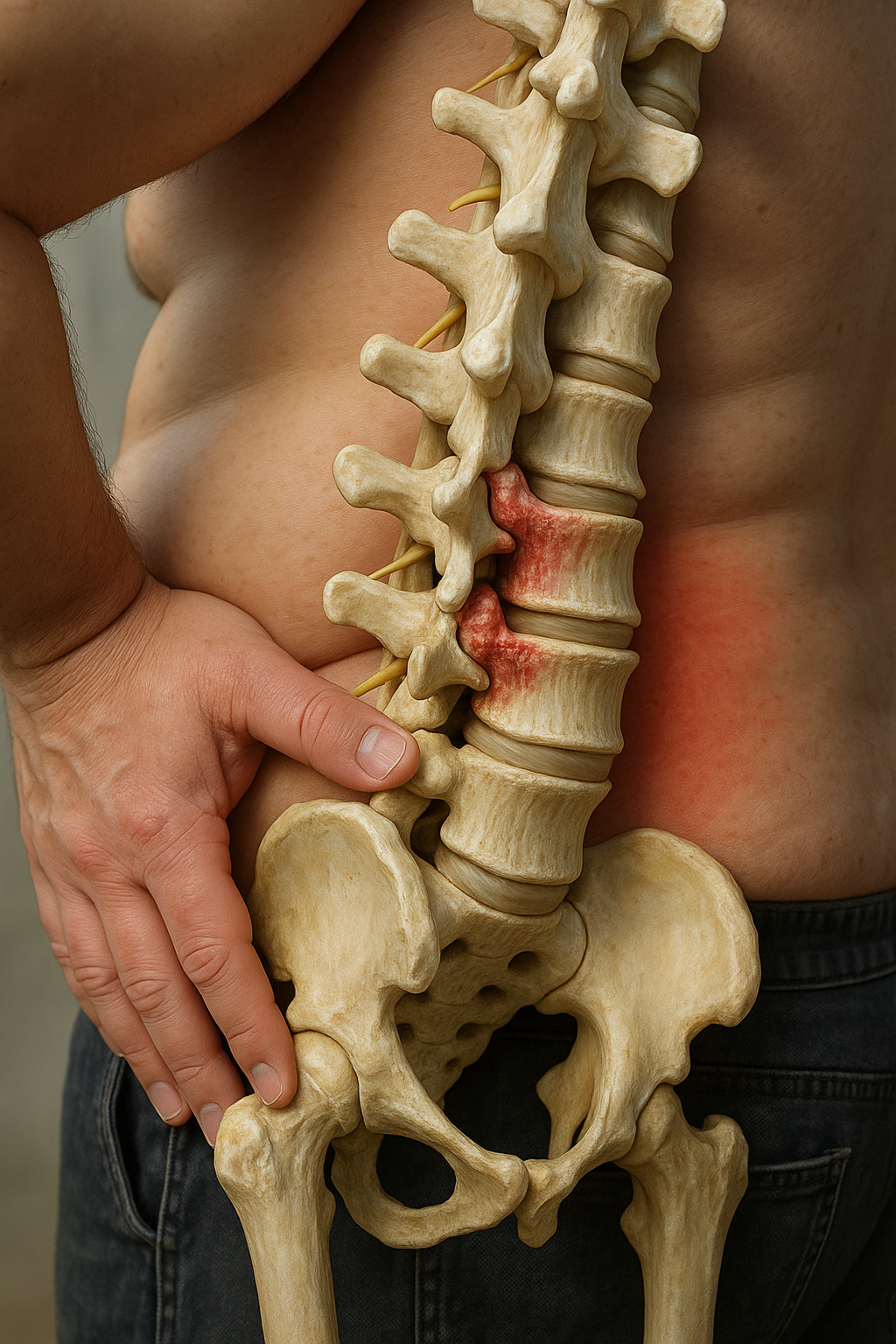
Experiencing a sudden crooked back can be both alarming and uncomfortable. This unexpected change in your spinal alignment can catch you off guard, leading to immediate discomfort and a flurry of questions about what might be happening to your body. Unlike chronic back issues that develop over time, a sudden shift in your spine's position demands prompt attention to understand its causes and find effective relief.
While many people are familiar with chronic back pain or gradual spinal issues, the notion of waking up one day to find your back has taken an unexpected turn is a different story altogether. It’s a scenario that can cause significant concern, especially when it comes to understanding the implications for your overall health and mobility. This sudden change can manifest in various ways, such as noticeable curvature, uneven shoulders, or even a shift in your posture, leading to a cascade of discomfort.
Understanding the urgency of sudden spinal changes
The human spine is a complex structure that supports the body and protects vital neural pathways. When it suddenly deviates from its usual alignment, the effects can be felt throughout the body. Such a change might not just be a superficial issue; it could signal underlying conditions that require immediate attention. Identifying the root cause of a sudden crooked back is crucial, as it helps in determining the appropriate course of action to alleviate the discomfort and prevent further complications.
In this context, it’s essential to acknowledge that while some individuals might experience temporary discomfort due to muscle spasms or minor injuries, others could be facing more significant challenges such as rotoscoliosis. This condition involves a rotational component of spinal curvature, distinguishing it from standard scoliosis. Understanding these nuances is vital for anyone seeking to address their sudden spinal changes effectively.
Setting the stage for relief
The journey to finding relief from a sudden crooked back involves a multi-faceted approach. It begins with understanding the potential causes and extends to exploring various strategies for pain management and long-term care. Whether the issue stems from genetic predispositions, environmental triggers, or acute injuries, knowing the possible origins of your discomfort can guide you toward the right solutions.
This blog post aims to delve into the causes, implications, and relief strategies for sudden spinal curvature. By exploring these aspects, we hope to provide you with valuable insights and practical advice that can help you navigate this unexpected challenge with confidence. As you continue reading, you'll discover more about the different types of spinal curvature, symptoms to watch for, and immediate steps you can take to alleviate discomfort and restore balance to your life.
Understanding sudden spinal curvature
Sudden changes in spinal alignment can be disconcerting, especially when they manifest as a noticeable curvature. One particular condition to be aware of is rotoscoliosis. Unlike standard scoliosis, which involves a lateral curvature of the spine, rotoscoliosis includes a rotational component that can lead to more complex spinal deformities. This condition can arise unexpectedly due to various factors, making it crucial to understand its potential causes and symptoms.
Common causes of sudden spinal curvature
Several factors can contribute to the onset of a sudden crooked back. Genetic predispositions play a significant role, as individuals with a family history of spinal issues may be more susceptible to abrupt changes in spinal alignment. Environmental factors, such as poor posture or repetitive strain, can also trigger acute spinal curvature. Additionally, sudden injuries or muscle spasms may lead to an unexpected shift in the spine's position, causing immediate discomfort and concern.
Types and symptoms of scoliosis
Understanding the different types of scoliosis is essential for identifying and addressing sudden spinal curvature. According to WebMD and the Mayo Clinic, scoliosis is categorized into congenital, neuromuscular, and degenerative types. Congenital scoliosis is present at birth, while neuromuscular scoliosis is associated with conditions that affect the nerves and muscles. Degenerative scoliosis typically occurs in older adults due to age-related changes in the spine.
Common symptoms of scoliosis, as noted by sources like the Scoliosis Center of Utah and the NHS, include uneven shoulders, back pain, and noticeable postural changes. These visible indicators can help in self-diagnosis, prompting individuals to seek professional evaluation and intervention. It's important to recognize these signs early to prevent further complications and manage the condition effectively.
Systemic effects of spinal curvature
Beyond the visible symptoms, spinal curvature can have systemic effects on the body. Dr. Jason Lowenstein highlights that significant spinal deformities can impact the nervous system, potentially leading to issues with balance and coordination. Additionally, spinal curvature can affect digestion and cardiac function, underscoring the importance of addressing these changes promptly. Understanding these broader implications can guide individuals in seeking comprehensive care and management strategies.
Immediate pain management and relief
When faced with a sudden crooked back, immediate relief is often a top priority. Ergonomic solutions, such as back braces and posture correctors, can provide much-needed support and alleviate discomfort. These tools help stabilize the spine, allowing for better alignment and reducing strain on affected areas.

Men's Posture Shirt™ - Black
Posture shirt with NeuroBand™ technology for improved posture and pain relief.

Women's Posture Shirt™ - White
Posture shirt activates your muscles, relieves tension, and improves postural awareness.
Postural correction products are particularly effective in offering temporary relief. They encourage proper posture, which can minimize pain and prevent further deterioration of spinal health. Additionally, lifestyle modifications, such as ergonomic adjustments in the workplace and regular physical activity, can play a crucial role in managing sudden spinal curvature.
Implementing these strategies can help individuals regain comfort and mobility, paving the way for long-term management and recovery. By addressing the immediate symptoms and exploring ergonomic aids, those experiencing a sudden crooked back can find relief and begin their journey toward improved spinal health.
Long-term management strategies for sudden spinal curvature
Addressing a sudden crooked back goes beyond immediate relief; it involves implementing long-term management strategies to ensure sustained spinal health. One of the most effective approaches is physical therapy, which plays a crucial role in managing spinal curvature and enhancing mobility. Through targeted exercises and stretches, physical therapy can help realign the spine, reduce pain, and improve overall function.
In addition to professional therapy, incorporating specific exercises into your routine can significantly strengthen the back muscles and improve posture. Activities such as yoga, Pilates, and core-strengthening exercises are particularly beneficial. These exercises not only support spinal alignment but also enhance flexibility and stability, contributing to overall well-being.
Regular monitoring of spinal health is essential for those experiencing sudden curvature. Routine check-ups with healthcare professionals can help track the condition's progress and adjust treatment plans as needed. Early intervention and consistent monitoring can prevent further complications and ensure that any necessary adjustments are made promptly.
Frequently Asked Questions
What causes a sudden crooked back?
A sudden crooked back can be caused by various factors, including injuries, muscle spasms, and underlying health conditions such as rotoscoliosis. Genetic predispositions and environmental factors, like poor posture or repetitive strain, can also contribute to sudden spinal curvature.
How can I tell if my back is crooked?
Identifying a crooked back involves looking for symptoms such as uneven shoulders, visible curvature, and noticeable changes in posture. If you experience persistent back pain or observe these signs, it is advisable to seek a professional evaluation for an accurate diagnosis.
What are the best immediate relief options for sudden back curvature?
Immediate relief options for sudden back curvature include ergonomic aids such as back braces and posture correctors. These tools provide support and help realign the spine. Additionally, making ergonomic adjustments in your workspace and engaging in regular physical activity can alleviate discomfort.
Can a sudden crooked back be corrected?
While a sudden crooked back can be challenging, it can often be improved through a combination of therapy, exercises, and lifestyle changes. Physical therapy is particularly effective in addressing spinal alignment and enhancing mobility. Consistent practice of strengthening exercises can also contribute to long-term improvement.
When should I see a doctor about my back curvature?
If you experience persistent pain, significant changes in posture, or any other concerning symptoms, it is important to consult a healthcare professional. Early intervention can prevent further complications and ensure that you receive the appropriate care and management for your condition.
Kilder
- Treating Scoliosis. "Twisted Spine Condition: Rotoscoliosis Explained."
- Cleveland Clinic. "Lordosis."
- WebMD. "Types of Spine Curvature Disorders."
- Medical News Today. "Flatback Syndrome."
- Mayo Clinic. "Scoliosis: Symptoms and Causes."
- Lowenstein, J. "8 Ways Scoliosis Can Affect the Body."
- Hospital for Special Surgery. "Degenerative Scoliosis."
- NHS. "Scoliosis."
- Cleveland Clinic. "Scoliosis."
- Spine Connection. "Hyperlordosis."