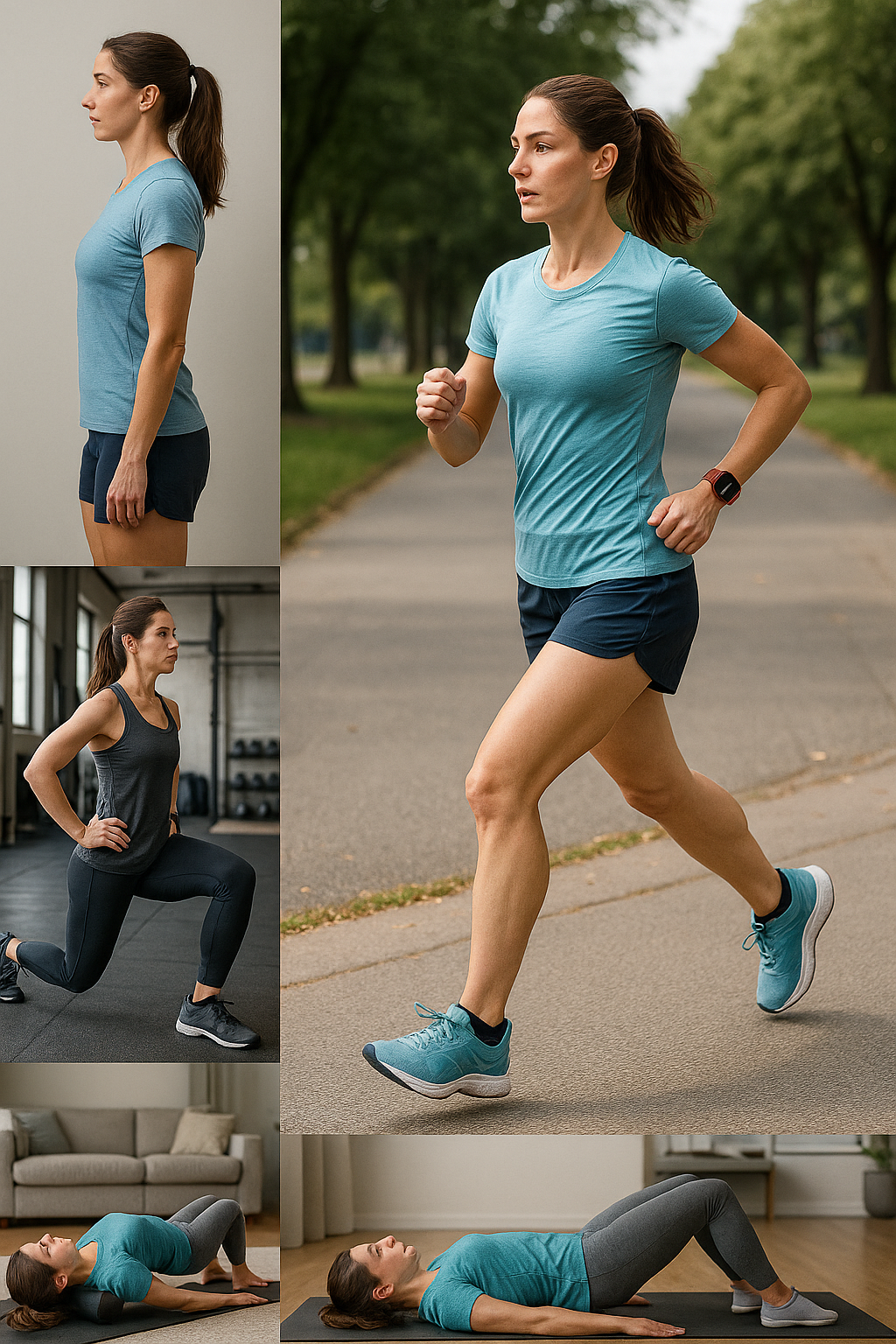
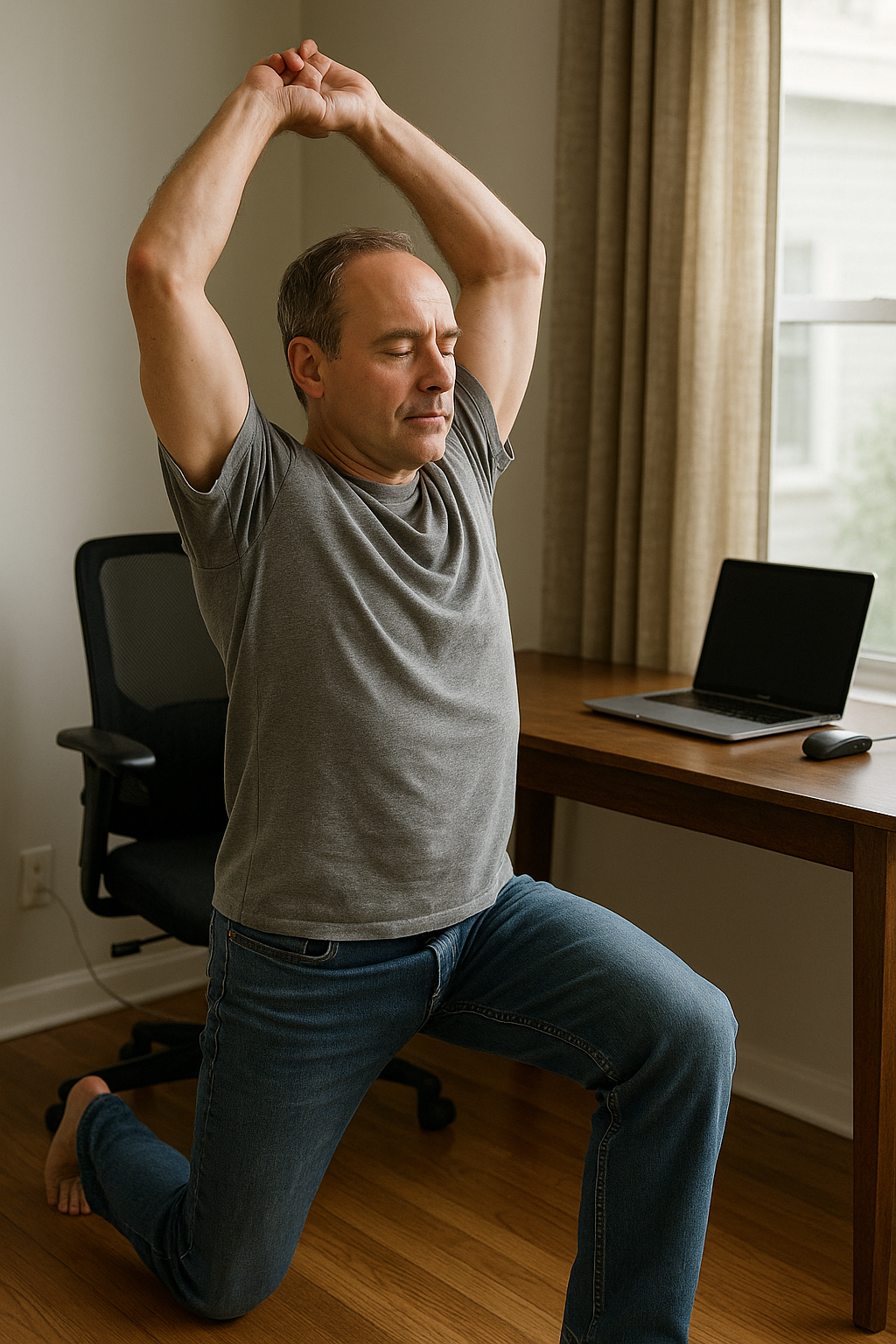
Cardio fitness is one of those health metrics that sounds like it belongs to athletes, yet it matters just as much if your “training ground” is a desk chair. In simple terms, cardio fitness—often called cardiorespiratory fitness (CRF)—describes how efficiently your heart, lungs and blood vessels deliver oxygen to working muscles during sustained activity. The better that system works, the easier it feels to climb stairs, carry groceries, or keep up on a brisk walk without getting winded.
What makes cardio fitness especially powerful is that it’s not only about performance. CRF is increasingly treated as a meaningful health marker, in the same conversation as blood pressure and cholesterol. A higher level of cardiorespiratory fitness is consistently linked with a lower risk of cardiovascular disease and a lower risk of early death. In other words, improving cardio fitness isn’t just “doing more cardio”—it’s building capacity in a system that supports long-term health.
What cardio fitness really measures
At the center of most discussions about cardio fitness is VO₂max: the maximum amount of oxygen your body can use during intense exercise. Think of it as a snapshot of your aerobic engine size. A higher VO₂max generally means you can produce more energy aerobically, sustain effort longer, and recover faster between bouts of activity.
While VO₂max is often associated with running tests and lab equipment, you don’t need to be an endurance athlete to benefit from understanding it. For many people—especially those who sit for long periods—tracking cardio fitness can be a practical way to spot early declines in conditioning and to see progress when lifestyle changes start to stick.

Men's Posture Shirt™ - Black
Improves posture, activates muscles, and relieves pain. Ideal for work, exercise, and leisure.
How to measure cardio fitness in real life
The gold standard for measuring VO₂max is a supervised test in a lab or sports medicine setting, where breathing gases are analyzed during progressively harder exercise. That’s the most precise option, but it’s not the only one.
Today, many wearables estimate cardio fitness using heart rate patterns and activity data. Devices like Apple Watch and Garmin can provide a VO₂max estimate or a cardio fitness score that’s useful for trending over time—even if it’s not perfect. If you prefer something simpler, standardized field tests (like timed walk or run tests) can also give a practical read on your current level.
Next, we’ll break down these measurement methods, what counts as true cardio, and how to improve cardio fitness with a plan that works in a busy, often sedentary, workday.
Methods to measure cardio fitness
If you want a clear picture of your cardio fitness, it helps to understand what each testing option can (and can’t) tell you. The goal isn’t to chase a perfect number, but to get a reliable baseline and a way to track change over time.
Lab testing: vo₂max and cardiopulmonary exercise testing
The most accurate way to assess cardiorespiratory fitness is a lab-based VO₂max test, often performed as part of cardiopulmonary exercise testing (CPET). You’ll typically exercise on a treadmill or stationary bike while intensity increases in stages. A mask measures the oxygen you inhale and the carbon dioxide you exhale, and your heart rate is monitored throughout.
This setup allows clinicians or sports medicine professionals to identify your true maximal oxygen uptake and observe how your heart and lungs respond as the workload rises. It’s the best option when precision matters, when you have medical risk factors, or when you want a detailed breakdown of exercise capacity. The trade-off is access and cost: it requires specialized equipment and trained supervision.
Wearables: estimated cardio fitness scores
Many smartwatches and fitness trackers estimate VO₂max or provide a cardio fitness score using heart rate data, pace or power, and movement patterns captured over multiple workouts. For many people, this is the most practical tool because it turns everyday training into a long-term trend line.
However, wearable estimates have limitations. Accuracy can vary based on how the device fits, whether the heart rate sensor reads well during motion, and the type of activity you do (outdoor running and brisk walking are often easier for algorithms to interpret than strength circuits or stop-start sports). Heat, stress, sleep, caffeine, and dehydration can also shift heart rate and make a score look better or worse than your true fitness. The best way to use wearables is to focus on direction over time rather than obsessing over single-day changes.
Field tests: accessible and repeatable
Field tests are simple, standardized ways to gauge cardio fitness without lab equipment. Common options include timed walk tests, timed runs, or step tests. The value of a field test is consistency: repeat the same test under similar conditions every 4–8 weeks and look for improvements in time, distance, or perceived effort.
To keep results meaningful, choose a test you can perform safely, warm up first, and avoid comparing your outcome to someone else’s. Your best comparison is you, over time.

Women's Posture Shirt™ - White
Improves posture, helps relieve pain, and supports muscles with NeuroBand™ technology.
How to improve cardio fitness without burning out
Improving cardiorespiratory fitness comes down to giving your heart and lungs a reason to adapt, then repeating that stimulus consistently. Most people do best with a blend of steady work and higher-intensity efforts.
- Moderate-intensity steady-state: sustained movement where you can talk in short sentences but wouldn’t want to sing. This builds an aerobic base and is easier to recover from.
- Vigorous or interval training: short bouts that push you close to your limit, separated by easier recovery periods. This can be time-efficient and can drive VO₂max improvements when used appropriately.
A practical target is to align with public health guidelines: around 150 minutes of moderate-intensity activity per week, or 75 minutes of vigorous activity, or a combination. If you’re starting from a sedentary baseline, begin by increasing duration first (more total minutes), then gradually add intensity. Progression can be as simple as adding 5–10 minutes to a session, adding a day per week, or introducing one interval-focused workout.
What counts as cardio (and what doesn’t)
Cardio isn’t defined by sweat alone. True cardiovascular training is typically continuous, repetitive activity (or structured intervals) that challenges oxygen delivery and use long enough to create adaptation. Running, cycling, rowing, swimming, brisk incline walking, and elliptical training are classic examples.
Walking absolutely counts as cardio fitness training for beginners, people returning after time off, or anyone whose current conditioning makes brisk walking feel challenging. As fitness improves, the same flat walk may become too easy to keep driving change. That doesn’t mean walking is “bad”; it means you may need to adjust the dose by increasing pace, adding hills or incline, extending duration, or mixing in short faster segments.
On the other hand, some activities raise heart rate without providing enough sustained cardiovascular stress to improve cardiorespiratory fitness. A busy day on your feet, a few minutes of rushing between meetings, or a highly stop-start workout may feel tiring, but it may not be structured enough to build your aerobic system. If your goal is better cardio fitness, aim for sessions where effort is intentional, repeatable, and progressively challenging.
Why cardio fitness is a health marker, not just a workout goal
Cardio fitness, often described as cardiorespiratory fitness (CRF), is increasingly viewed as a practical “vital sign” because it reflects how well your body can deliver and use oxygen during sustained activity. Unlike a single workout metric, CRF captures the combined function of your heart, lungs, blood vessels, and working muscles. That is why it can help predict long-term cardiovascular risk and overall health outcomes more broadly than many people expect.
For everyday life, higher cardio fitness usually shows up as a larger buffer between you and fatigue. Tasks like walking uphill, carrying bags, playing with children, or climbing stairs require a smaller percentage of your maximum capacity when your CRF is higher. That buffer often makes it easier to stay active consistently, which then reinforces the cycle: more activity supports better cardio fitness, and better cardio fitness makes activity feel more manageable.
How to use cardio fitness tracking as motivation (without obsessing)
One of the most useful ways to approach cardio fitness is to treat it as feedback, not a verdict. If you use a wearable VO₂max estimate or repeat a field test every few weeks, the value is in the trend line. Small day-to-day fluctuations are normal because heart rate responds to sleep, stress, hydration, heat, caffeine, and illness. A single low reading does not mean your fitness has dropped overnight.
Instead, look for patterns over time and connect them to behavior. If your cardio fitness score improves during weeks when you hit your walking or cycling sessions, that is a clear signal that the dose is working. If it stalls, it may be a cue to adjust one variable: add 5–10 minutes to one session, include a mild incline, or introduce a short interval session once per week. This approach keeps the process practical and sustainable, especially for people balancing work, family, and limited training time.
New ways to assess cardio fitness: from long-term estimates to spot checks
Most popular wearables estimate cardio fitness by combining heart rate data with movement information collected across multiple workouts. This method can be helpful because it is passive and builds a long-term picture. The trade-off is that it typically requires consistent data collection under the right conditions (for example, steady outdoor walking or running at a measurable pace) to produce stable results.
Emerging technologies are exploring faster “spot measurement” approaches that aim to estimate VO₂max with short recordings, sometimes taken at rest, using advanced sensors and algorithms. The promise is convenience: a quick check-in that could make monitoring CRF more accessible for people who do not run, do not train outdoors, or cannot collect enough standardized workouts for a watch to generate confident estimates.
It is worth keeping expectations realistic. Whether the estimate comes from a lab test, a wearable trend, or a newer sensor, the most meaningful question is still the same: are you improving your ability to sustain effort over time? If the answer is yes—and your training is safe and consistent—your cardio fitness is moving in the right direction.
Frequently Asked Questions
What is VO₂max and why is it important?
VO₂max is the maximum rate at which your body can take in, transport, and use oxygen during progressively harder exercise. It is one of the clearest indicators of cardio fitness because it reflects the capacity of the heart, lungs, blood vessels, and muscles to support sustained work. In practical terms, a higher VO₂max usually means you can do more at a given effort level and recover faster between bouts of activity.
How often should I engage in cardio workouts?
A widely used target is at least 150 minutes of moderate-intensity cardio per week, or 75 minutes of vigorous-intensity cardio, or a combination of both. Many people find it easiest to spread this across the week (for example, 3–5 sessions) and build consistency first, then gradually increase duration or intensity.
Can walking improve my cardio fitness?
Yes. For beginners, sedentary individuals, or anyone returning after time off, brisk walking can be an effective way to improve cardiorespiratory fitness. As your conditioning improves, you may need to increase the challenge to keep progressing—by walking faster, adding hills or incline, extending the duration, or including short faster intervals.
How do wearables estimate my cardio fitness?
Wearables typically estimate cardio fitness by analyzing heart rate responses alongside activity data such as pace, distance, or power output. The result is often presented as an estimated VO₂max or a cardio fitness score. Because the estimate is influenced by sensor accuracy and day-to-day factors like heat, stress, and sleep, it is best used to track longer-term trends rather than focusing on single readings.
What are some beginner-friendly cardio exercises?
Walking, cycling, swimming, and low-impact aerobics are common beginner-friendly options because they can be scaled to your current fitness level and are often easier on the joints. The best choice is one you can do consistently, at an intensity that feels challenging but manageable, and that you can gradually progress over time.
Källor
- Cleveland Clinic. (n.d.). "The Many Benefits of a Cardio Workout." Health Essentials.
- UMass Memorial Health. (n.d.). "Cardiovascular Fitness: A Powerful Predictor of Health and Longevity." Simply Well.
- Runner's World. (2019). "Cardio Fitness." Runner's World.
- American Heart Association. (n.d.). "AHA Recommendations for Physical Activity in Adults." Heart.org.
- Skyterra Wellness. (n.d.). "Cardio 101: The Basics of Cardiovascular Fitness." Skyterra Wellness.
- Philips. (n.d.). "What is the Cardio Fitness Index?" Philips.
- The Body Refinery. (n.d.). "Cardio Fun Facts." The Body Refinery.
- Fossil Group. (n.d.). "What is Cardio Fitness?" Fossil Group Support.
- My HealtheVet. (2020). "The Importance of Cardio." My HealtheVet.
- National Center for Biotechnology Information. (2022). "Article PMC9586848." NCBI.
- Harvard Health Publishing. (n.d.). "How Much Cardio Should You Do?" Harvard Health.
- Myprotein. (n.d.). "Cardio Gym Hjemmetræning: Cardiovaskulær Træning." The Zone.
- Abbott. (n.d.). "Cardiovascular Fitness: What It Means to Your Heart Health." Abbott Newsroom.
- National Center for Biotechnology Information. (2022). "Article PMC9586849." NCBI.
- Insight CLA. (n.d.). "Cardio Fitness Score." Insight CLA Blog.