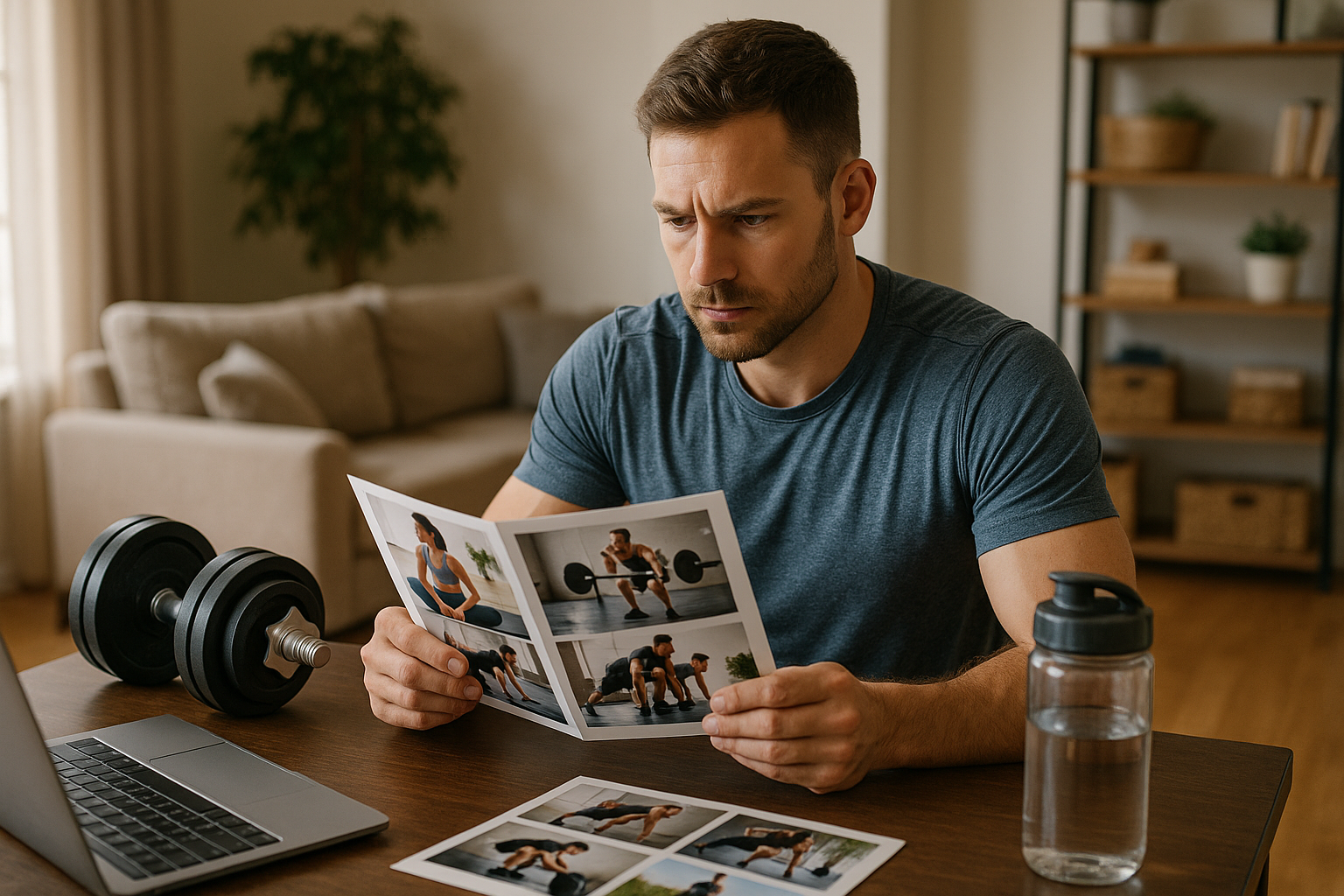
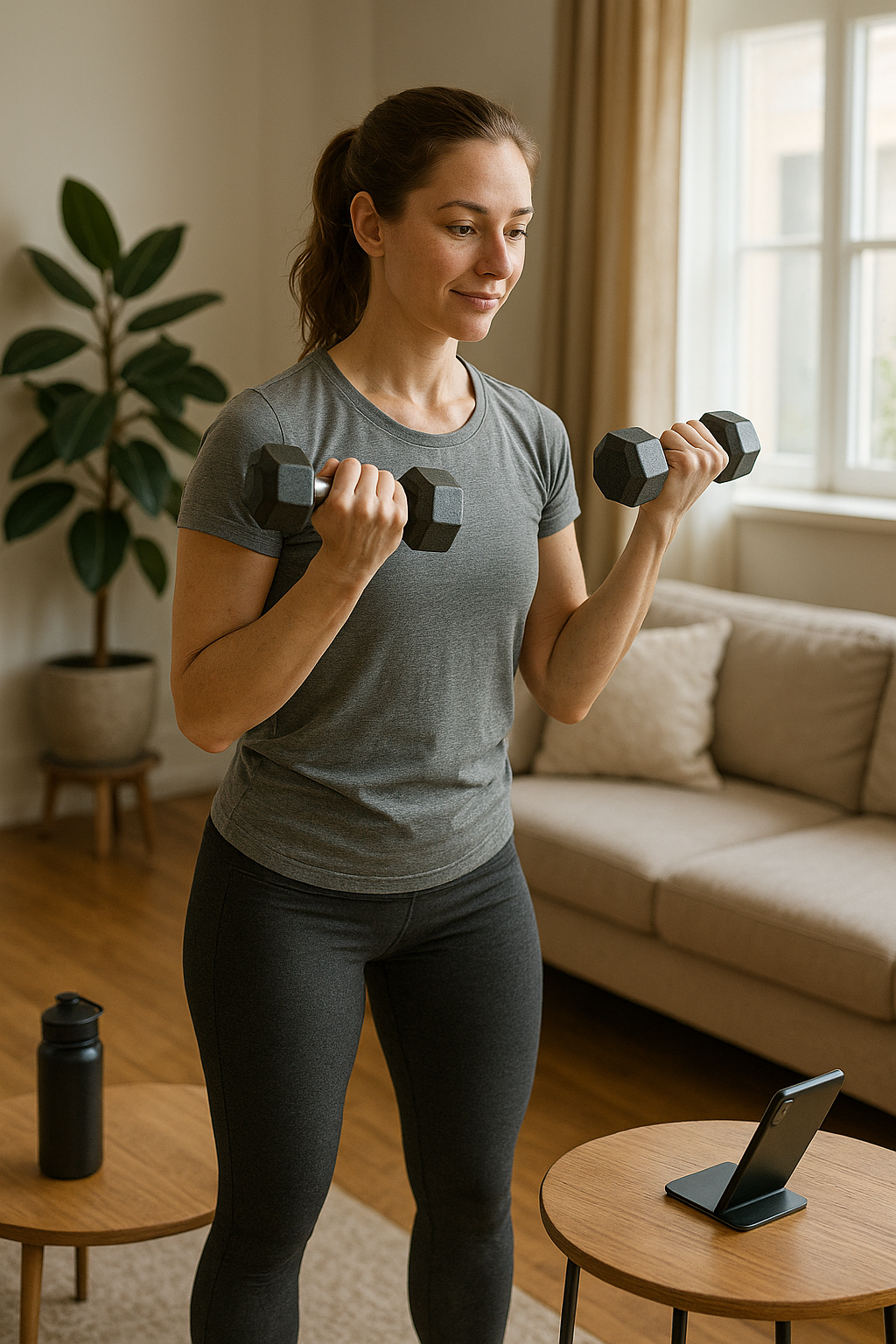
Functional training has become one of the most talked-about approaches in modern fitness, and for good reason: it’s designed to make your body work better in real life. Instead of training only for what you can lift in the gym, functional training focuses on the movements you repeat every day—getting up from a chair, carrying shopping bags, climbing stairs, reaching overhead, or lifting something from the floor without straining your back.
If you’ve ever felt strong during a workout but still awkward, stiff, or unstable in daily tasks, you’re not alone. Many people are now looking for training methods that improve not just strength, but also mobility, balance, and coordination. That’s exactly where functional training fits in, and why it’s popular among everyone from beginners and office workers to older adults and people with physically demanding jobs.
What is functional training?
What is functional training at its core? It’s a way of exercising that trains movement patterns rather than isolated muscles. That means you practice coordinated, multi-joint actions—like squatting, hinging, pushing, pulling, rotating, and carrying—so your body learns to produce force, control motion, and stay stable in positions that mirror everyday life.
In practical terms, functional training often combines strength and stability in the same exercise. You’re not only building muscle; you’re also training your joints, core, and nervous system to work together efficiently. The goal is better movement quality: smoother motion, better posture control, and more confidence when you need to react, change direction, or handle uneven loads.
Why functional training matters for everyday life
Daily life is full of small “performance tests” that don’t look like gym machines: twisting to grab something from the back seat, balancing while stepping off a curb, or carrying a heavy bag on one side. Functional training benefits come from preparing your body for those situations by improving:
- Mobility to move through a healthy range of motion without feeling restricted
- Balance and coordination to stay steady and controlled, especially when you’re tired or distracted
- Core stability to support your spine during lifting, reaching, and repetitive tasks
- Injury prevention by strengthening the muscles and movement strategies that protect joints under load
Think of functional strength training as building a body that’s not only stronger, but also more capable—so everyday movement feels easier, safer, and more comfortable over time.

Men's Posture Shirt™ - Black
Activates muscles for improved posture and can relieve pain and tensions daily.
Functional training vs. traditional strength training
Functional training and traditional strength training can both make you stronger, but they often do it in different ways. Traditional strength training is commonly organised around individual muscles (or muscle groups) and measurable loads—how much you can lift, how many reps you can do, or how much muscle you can build. Functional strength training is usually organised around movement patterns and control—how well you can squat, hinge, push, pull, rotate, and carry with good alignment and stability.
That difference matters because everyday tasks rarely use one muscle at a time. Real life is multi-directional and sometimes unpredictable: you lift a box while turning, carry a bag on one side, step over obstacles, or reach overhead while keeping your ribs and pelvis steady. Functional training aims to prepare you for those demands by training multiple joints and muscles to work together.
| Category | Functional training | Traditional strength training |
|---|---|---|
| Goal | Movement efficiency, control, and real-life performance | Muscle size and maximal strength in specific lifts |
| Movement style | Multi-joint, compound, often multi-planar | Often isolated or machine-guided, usually single-plane |
| Main benefits | Better daily function, balance, coordination, and injury resilience | Increased strength and hypertrophy, easier load progression |
| Example exercises | Squats, lunges, hinges, carries, push-pull patterns | Bicep curls, leg extensions, leg press, pec deck |
In practice, you don’t have to choose one or the other. Many people get the best results by combining them: using traditional strength work to build capacity, and functional exercises to make that strength usable in daily life.
Benefits of functional training in everyday life
The biggest functional training benefits show up outside the gym. When you train movements instead of isolated muscles, you’re building strength that transfers to daily tasks and supports long-term comfort.
- Strength and mobility together to help you move through a healthy range of motion while staying strong in those positions. This is especially useful for tasks like bending to pick something up, reaching overhead, or getting up from the floor.
- Better balance and coordination because many functional exercises challenge your ability to stabilise, shift weight, and control your body. That can reduce the risk of missteps and improve confidence on stairs, uneven ground, or slippery surfaces.
- Injury prevention through movement quality by improving how you load your hips, knees, shoulders, and spine. When your body can distribute force well, you’re less likely to “borrow” movement from areas that shouldn’t take the strain (like the lower back during lifting).
- More efficient posture and breathing mechanics as core stability and ribcage control improve. Many people notice they can sit, stand, and walk with less tension when they train stability and alignment consistently.
A simple way to think about it: functional training helps you build a buffer. The stronger and more coordinated you are in common movement patterns, the less stressful everyday tasks feel.
Examples of functional exercises and the movement patterns they train
Functional fitness examples usually fall into a few foundational patterns. These are the “building blocks” of daily movement, and they can be trained with bodyweight, resistance bands, dumbbells, kettlebells, or cables depending on your level.
- Squat: Trains sitting down and standing up, getting in and out of a car, or lowering to pick something up. Key focus is keeping your feet grounded, knees tracking well, and your torso controlled.
- Hinge: Supports bending and lifting with the hips (not the lower back). This pattern is central to safe lifting mechanics for laundry baskets, boxes, and groceries. Think of pushing your hips back while keeping a long spine.
- Lunge: Builds single-leg strength and stability for walking, climbing stairs, stepping off curbs, and changing direction. It also highlights left-right imbalances that can affect knees and hips.
- Push and pull: Improves upper-body strength for tasks like pushing doors, getting up from the floor, pulling something toward you, or carrying objects close to the body. Balanced pushing and pulling can also support shoulder comfort.
- Core stabilisation: Teaches your trunk to resist unwanted movement (like excessive arching, twisting, or collapsing). This matters when you carry uneven loads, reach overhead, or lift while turning.
If you want a quick reality check for whether an exercise is “functional,” ask: does it help me do something I actually do in life—more easily, more safely, or with less discomfort? If the answer is yes, it belongs in your plan.

Women's Posture Shirt™ - Black
Supports and stimulates muscles to improve posture and relieve pain or tension.
Who benefits most from functional training?
Because it focuses on movement patterns you use every day, functional training can be adapted to almost any age, fitness level, or starting point. The key is that the exercises are scalable: the same pattern (like a squat or hinge) can be trained with bodyweight, light resistance, or heavier loads depending on your needs.
- Beginners: Functional training is often easier to understand because it mirrors real-life actions. Starting with simple bodyweight movements helps build confidence, coordination, and consistency without needing complex equipment.
- Older adults: Training sit-to-stand strength, balance, and controlled stepping can support independence. Many people also find that improving mobility and stability makes everyday tasks feel safer and less tiring.
- Office workers: Long hours of sitting can contribute to stiffness in the hips and upper back and reduced core endurance. Functional strength training can help restore movement variety through squats, hinges, carries, and pulling patterns that support posture and comfort.
- People with physically demanding jobs: If you lift, carry, push, pull, or work in awkward positions, functional training can build capacity in the same patterns you rely on at work. This can improve movement efficiency and reduce the chance of overloading one area repeatedly.
- People returning to exercise: After a break, it can be helpful to rebuild basic movement quality before chasing intensity. Functional training provides a structured way to reintroduce load and complexity gradually.
How ergonomics supports functional movement
Understanding what is functional training also means understanding the environment you move in. Even great training can be undermined by poor daily mechanics—like lifting with a rounded back, working at a desk set too low, or repeatedly reaching and twisting from an awkward position.
Ergonomics supports functional movement by reducing unnecessary strain and helping you use the strength and control you build in training. When your workspace and daily habits encourage better alignment, it becomes easier to maintain a neutral spine, keep loads close to the body, and distribute effort through the hips and legs instead of the lower back or shoulders.
- Match your setup to your body: Adjust chair height, screen level, and keyboard position so you are not forced into constant forward head posture or rounded shoulders.
- Use “training cues” in daily life: Practice the same principles you use in functional exercises—brace gently through the core, hinge at the hips to lift, and avoid twisting under load by turning your feet instead.
- Reduce repetitive overload: Break up long sitting periods with short movement breaks, and rotate tasks when possible to avoid repeating the same pattern for hours.
- Consider support tools when needed: Ergonomic aids can help you maintain better positions while you build strength and endurance. The goal is not to replace movement, but to make safer movement easier to maintain throughout the day.
How to start functional training safely
Functional training works best when you prioritise quality and consistency. A small number of well-executed movements, repeated regularly, tends to outperform doing many exercises with poor control.
- Start with bodyweight: Learn the basics of squatting, hinging, stepping, pushing, and pulling before adding load. If you cannot control the movement without weight, adding weight usually reinforces the wrong strategy.
- Focus on movement quality: Use a slower tempo, pause in stable positions, and aim for smooth reps. Good form often looks controlled and repeatable, not rushed.
- Progress gradually: Increase one variable at a time—load, range of motion, or complexity. For example, master a supported split squat before moving to walking lunges with weights.
- Choose pain-aware options: Discomfort in muscles is normal; sharp pain in joints is not. Reduce range of motion, slow down, or use support (like holding onto a stable surface) while you build capacity.
If you are unsure where to begin, a simple weekly structure is to train the main patterns—squat, hinge, lunge, push, pull, carry, and core stability—using a level of resistance that allows clean, controlled reps.
Frequently Asked Questions
Is functional training good for beginners?
Yes. Functional training is beginner-friendly because it uses natural movement patterns and can start with bodyweight only. This makes it easier to learn proper mechanics before progressing to heavier resistance.
Is functional training better than strength training?
It depends on your goal. Functional training prioritises movement quality, coordination, and real-life carryover. Traditional strength training is often more direct for building maximal strength or muscle size. Many people benefit from combining both approaches.
What are examples of functional fitness?
Common functional fitness examples include squats, hip hinges (such as deadlift patterns), lunges, step-ups, pushing and pulling movements, loaded carries, rotational work, and core stabilisation exercises that train you to resist unwanted movement.
Can functional training help prevent injury?
It can help reduce injury risk by improving balance, coordination, mobility, and how you distribute load through the body during everyday tasks. Better movement efficiency and core stability can also reduce unnecessary strain on joints and the lower back.
Källor
- Anytime Fitness. "What is Functional Training?"
- Primal Play. "7 Benefits of Functional Training."
- Wikipedia. "Functional Training."
- Westwood Fitness. "Benefits and Examples of Functional Fitness."
- Nike. "What is Functional Training?"
- SignatureMD. "The Benefits of Functional Fitness for Everyday Life."
- YMCA of Central Kentucky. "What is Functional Strength Training?"
- Healthline. "Functional Fitness for Adults."
- Cleveland Clinic. "Functional Strength Training."
- Carbon Performance. "The Importance of Functional Training in Everyday Life."
- Retro Fitness. "Functional Fitness Training for Everyday Strength."
- Verve Fitness. "What is the Difference Between Strength Training and Functional Training?"