What would change if your training finally felt easier to stick with, easier on your body, and still moved you forward? For many people, the goal is better fitness, but the path gets messy in real life: long workdays, inconsistent routines, and that nagging feeling that your body is always a step behind your motivation.
Better fitness is often sold as intensity, sweat, and quick results. In practice, it’s much more useful to think of it as a well-rounded upgrade: more strength for daily tasks, better endurance for energy and heart health, improved mobility so your joints move freely, and steadier posture so your body can handle training without unnecessary strain. When those pieces work together, progress tends to feel more sustainable, and you’re less likely to get derailed by aches, setbacks, or burnout.
What better fitness really means in a busy world
In a fast-paced schedule, the “best” plan is rarely the most extreme one. Better fitness is the ability to train consistently at a level that fits your life, recover well, and keep your body aligned so you can repeat the work tomorrow. That includes paying attention to how you move outside the gym, too—because your posture at the desk, in the car, or on the sofa can influence how your body performs when you lift, run, or do bodyweight training.
A simple way to measure whether you’re moving toward better fitness is to ask:
- Do I feel stronger and more capable in everyday movements?
- Is my stamina improving without constant exhaustion?
- Do I move with control, or am I compensating with tight shoulders, a sore back, or stiff hips?
Trends, tools, and the challenges that trip people up
Right now, fitness is split between two big lanes: digital programs that promise structure on your phone, and local gyms or studios that offer equipment, coaching, and community. Both can work well, and many people combine them. The real challenge is not access—it’s follow-through.
Motivation naturally rises and falls, and injuries often happen when enthusiasm outruns preparation. Pushing harder isn’t always the answer; training smarter usually is. That’s why a posture-friendly, pain-aware approach matters: it helps you build momentum without relying on extremes. In the next sections, we’ll look at how gyms and apps fit into the bigger picture, and why posture and ergonomics can be a surprisingly practical shortcut to better fitness.
Choosing the right path: gyms, studios, and digital fitness
One reason better fitness can feel confusing is that there are more options than ever—and each one promises results. The best choice is usually the one that matches your personality, schedule, and injury history, because consistency beats the “perfect” plan you rarely follow.
Local gyms and studios: structure, coaching, and community
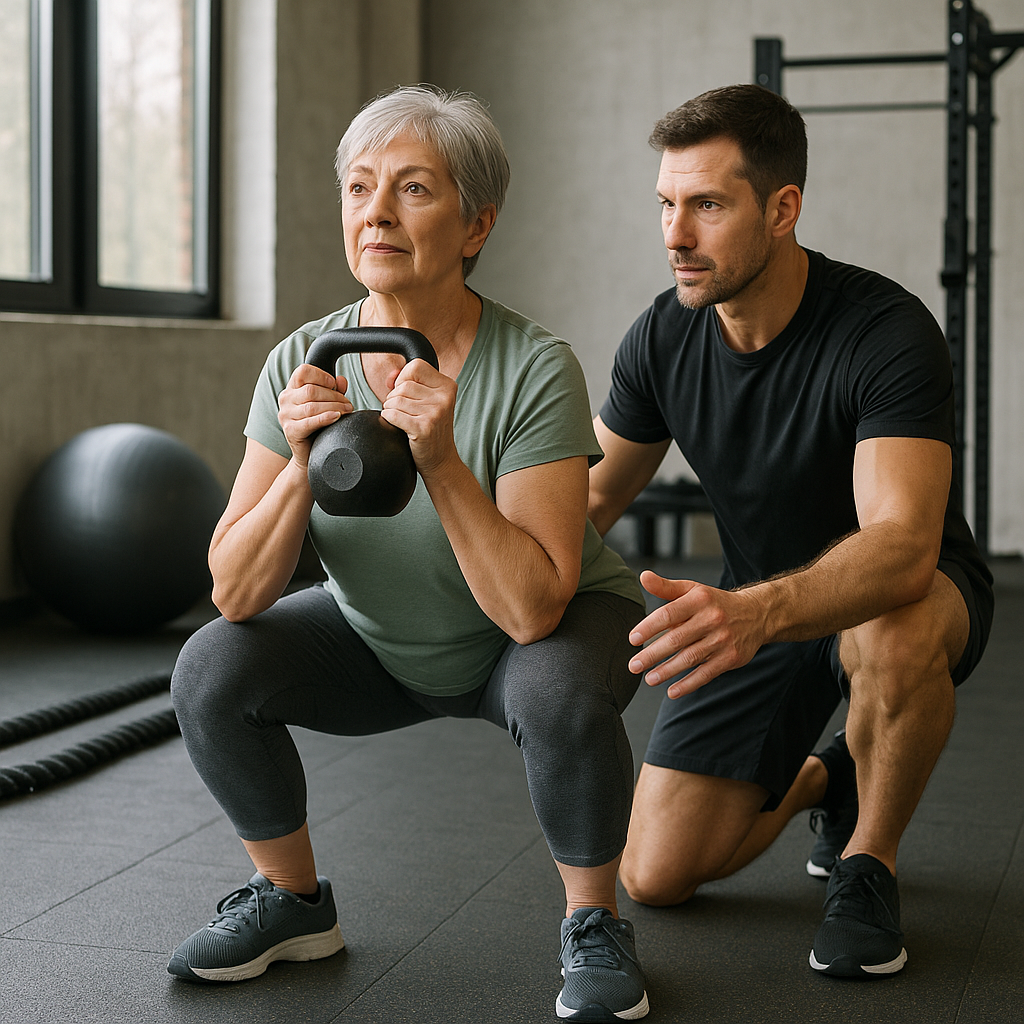
Gyms and studios still play a major role because they reduce friction: equipment is ready, the space is designed for movement, and it’s easier to separate training time from home and work. For many people, the biggest advantage is feedback. A coach can spot technique issues you may not feel—like a rounded upper back in a deadlift or shoulders creeping up during presses—before they turn into pain.
Studios also add a community element that supports adherence. When you see familiar faces, book classes, or follow a program with milestones, you’re more likely to show up on low-motivation days. If you’re comparing local options, look for:
- Accessibility: location, opening hours, and how easy it is to get there on busy days.
- Variety: strength, conditioning, mobility, and beginner-friendly classes so you can progress without jumping too fast.
- Coaching quality: clear cues, modifications, and a focus on technique—not just intensity.
Digital fitness apps: flexibility and habit-building
Digital programs and fitness apps have become popular because they fit into real life. If your schedule changes week to week, an app can provide structure without requiring you to be somewhere at a specific time. Many platforms also include features that support habit-building: reminders, streaks, progressive plans, and short sessions that make it easier to start.
The trade-off is that you don’t automatically get form corrections. If you use an app, it helps to choose plans that include warm-ups, mobility work, and clear exercise demonstrations. A simple upgrade is to record a few reps of key movements (like squats or push-ups) and check whether your posture stays stable as you fatigue.
Why posture and ergonomics are a shortcut to better fitness
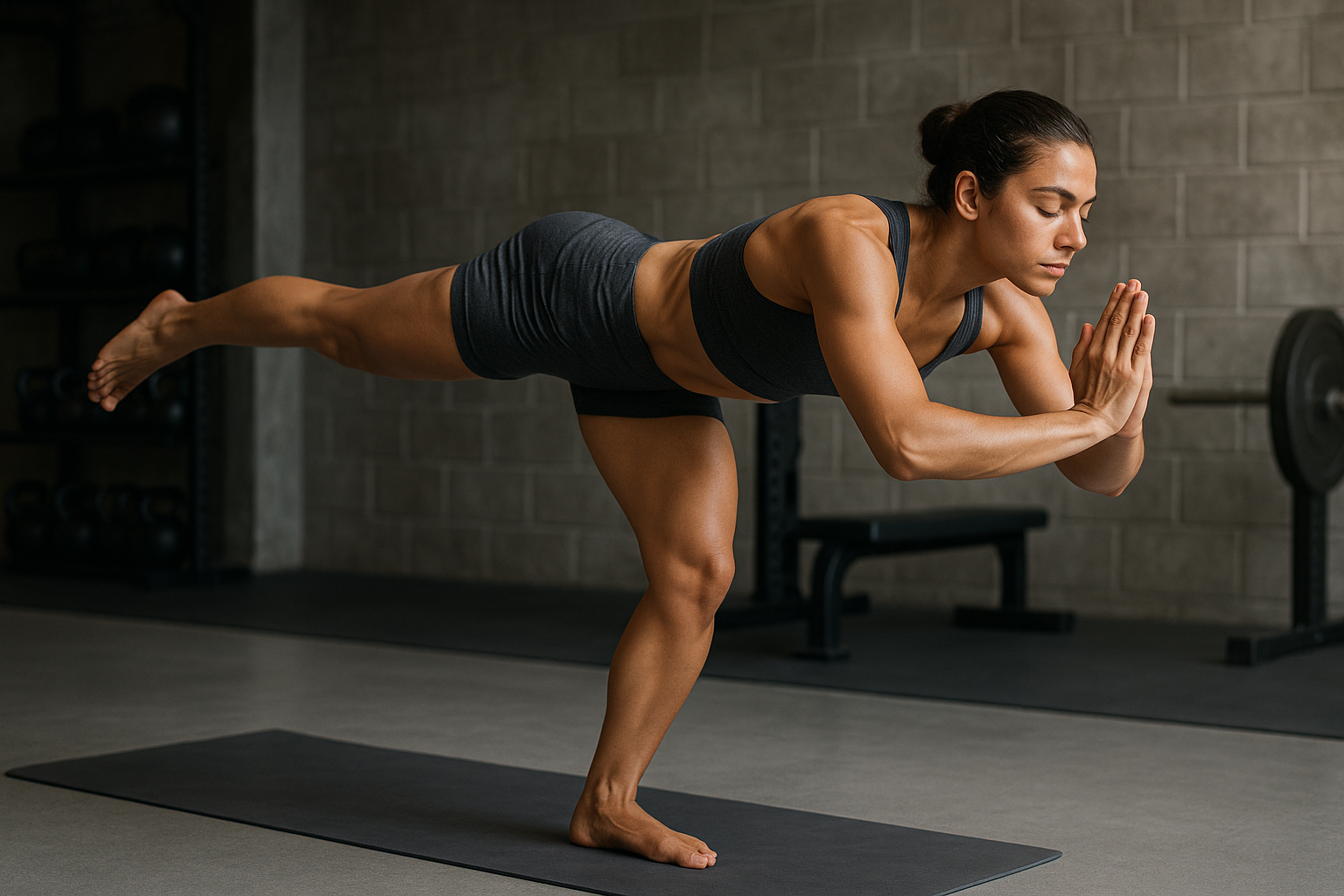
Posture isn’t about looking “perfect.” It’s about how efficiently your body stacks and stabilises itself during movement. When your alignment is off—often from long hours sitting, scrolling, or driving—your workouts can become less effective because the wrong muscles take over. That can limit strength gains, reduce range of motion, and increase the risk of overuse issues in the neck, shoulders, lower back, hips, and knees.
Ergonomics supports posture by reducing the amount of strain you accumulate between workouts. If your day is spent in a slumped position, your training session has to “undo” that before you can train well. Small changes—like adjusting screen height, using a supportive chair setup, or taking short movement breaks—can make your warm-up faster and your technique more consistent.

Men's Posture Shirt™ - Black
Improves posture, relieves tension, and activates muscles for everyday relief.

Women's Posture Shirt™ - Black
Improves posture, supports muscles, and relieves tension for daily activities.
Posture-friendly workouts you can build into your day
You don’t need to overhaul your routine to train posture. The goal is to add a few targeted movements that improve mobility where you’re stiff and build endurance where you’re unstable—especially around the upper back, shoulders, hips, and core. These exercises work well as a warm-up, a desk break, or a short finisher after training:
- Wall angels: stand with your back to a wall and slide your arms up and down to encourage upper-back extension and shoulder control.
- Chin tucks: gently draw the head back (as if making a double chin) to train deep neck stability without straining.
- Thoracic rotations: rotate through the upper back to restore movement that often gets “locked” by sitting.
- Glute bridges: strengthen the hips and teach pelvic control, helpful for reducing lower-back compensation.
- Dead bug: build core stability while keeping the ribs and pelvis controlled, improving bracing for lifting.
- Band pull-aparts or rows: strengthen the upper back to support shoulder positioning during pressing and daily posture.
Common fitness myths that slow progress
Better fitness is often delayed by ideas that sound motivating but create setbacks in practice. One of the most persistent is no pain, no gain. Training can be challenging, but pain is not a requirement for progress. Sharp, escalating, or joint-focused pain is a signal to adjust technique, load, or range of motion—not a badge of effort.
Another myth is that more exercise always means better results. In reality, adaptation happens when training stress is balanced with recovery. If you constantly add volume or intensity without enough rest, performance can stall and small aches can become persistent problems. Sustainable fitness practices look less dramatic, but they work: steady progression, planned easier days, and enough sleep and nutrition to support muscle repair and energy.
If you want a simple rule: aim to finish most sessions feeling like you could do a little more. That’s often the sweet spot where you build momentum, protect your joints, and keep showing up—exactly what better fitness requires.
Better fitness for real life: desk days, busy weeks, and limited time
Even the best training plan can fall apart if it ignores how you actually spend your day. For many people, the biggest obstacles to better fitness are not a lack of knowledge or willpower, but long hours sitting, unpredictable schedules, and the way fatigue changes posture and technique. The goal is to build a routine that works with your lifestyle, not against it.
Desk work and better fitness: reduce the “hidden load”
Desk workers often train on top of a body that has already done hours of low-level work: rounded shoulders, a stiff upper back, tight hip flexors, and a core that has been “off” all day. This can make strength training feel harder than it needs to and can increase the chance of flare-ups in the neck, shoulders, and lower back.
Two practical strategies help:
- Use movement snacks: 1–3 minutes of easy mobility a few times per day can reduce stiffness without requiring a full workout.
- Set up your workstation to support alignment: screen at eye level, feet supported, and a chair setup that allows your ribs and pelvis to stay stacked rather than collapsed.
If you want a simple desk-break sequence, rotate through: 8–10 chin tucks, 8–10 thoracic rotations per side, and 10–15 glute bridges. Done consistently, these small inputs make it easier to keep good positions when you squat, hinge, press, or run.
Busy schedules: make training smaller, not optional
When time is tight, the common mistake is to wait for a “perfect” hour-long slot. A better approach is to protect frequency and scale the dose. Three short sessions per week often beat one long session you keep postponing.
Options that work well for busy weeks:
- 10–20 minute strength circuits: choose 3–4 movements (for example: squat pattern, hinge pattern, push, pull) and keep rest short.
- Micro-cardio: brisk walking meetings, stairs, or a short bike commute can build endurance without extra planning.
- Minimum effective sessions: on low-energy days, do a warm-up plus one main lift or one short interval block, then stop. Consistency matters more than “winning” every workout.
How to build a personalised plan for better fitness
A personalised plan does not need to be complicated. It needs to be realistic, repeatable, and aligned with your current capacity. If posture or recurring aches are part of your story, your plan should include a small amount of mobility and stability work alongside strength and conditioning.
Set goals you can actually execute
Start with outcomes you can measure and behaviours you can control. A useful structure is:
- One performance goal: for example, improve push-ups, run a comfortable 5K, or deadlift with stable form.
- One consistency goal: for example, train 3 times per week for 6 weeks.
- One posture-friendly goal: for example, complete 5 minutes of mobility on workdays or take two movement breaks daily.
This combination supports better fitness without relying on motivation alone. It also reduces the risk of doing “too much too soon,” which is a common cause of setbacks.
Track progress without overcomplicating it
Tracking should clarify what is working, not create extra stress. Choose a few indicators and review them weekly:
- Training log: exercises, sets, reps, and how hard it felt (easy/moderate/hard).
- Energy and recovery: sleep quality, soreness that lasts more than 48 hours, and overall mood.
- Movement quality: note whether posture holds under fatigue (for example, does your upper back round or do shoulders creep up?).
If performance improves while aches stay stable or decrease, you are moving in the right direction. If pain increases or technique breaks down, adjust volume, intensity, or exercise selection before you push harder.
Frequently Asked Questions
How can I improve my better fitness without going to a gym?
You can build better fitness with home workouts, online classes, and outdoor training. Bodyweight strength work (squats, lunges, push-ups), resistance bands, and brisk walking or running cover most needs. The key is progression: gradually add reps, resistance, or time, and include a short warm-up that supports posture and joint control.
What role does nutrition play in achieving better fitness?
Nutrition supports training performance, recovery, and body composition. A balanced approach typically includes enough protein to support muscle repair, carbohydrates for training energy, healthy fats, and consistent hydration. If your goal is fat loss, a modest calorie deficit helps; if your goal is strength or muscle gain, adequate total calories and protein matter most.
How long does it typically take to see fitness improvements?
Many people notice early changes in energy, coordination, and exercise tolerance within 2–4 weeks of consistent training. Visible changes in strength, endurance, or body composition often become clearer over 6–12 weeks, depending on starting point, recovery, and how well the plan fits your lifestyle.
What are some common signs of overtraining?
Common signs include persistent fatigue, declining performance, disrupted sleep, irritability, elevated soreness that does not resolve, and more frequent aches or minor injuries. If these show up, reduce intensity or volume for a week, prioritise sleep and nutrition, and reintroduce progression gradually with a focus on technique and posture.
Källor
- Verro Training. (n.d.). "What Makes Good Research: Best Ways to Analyze Fitness Data."
- BehaviorFit. (n.d.). "From Weak to Strong: 4 Phases of Tracking a Decade of Fitness Data."
- Norwegian SciTech News. (2020). "Fitness Calculator Can Reveal a Lot About Your Health."
- National Center for Biotechnology Information. (n.d.). "Fitness and Health: A Comprehensive Review."
- Carle Health & Fitness. (2025). "Weekly Wellness: Fitness Tip - Data Tracking & Analysis."
- Quistgaard, T. (n.d.). "Afhandlinger om Fitness og Sundhed." Syddansk Universitet.
- Zing Coach. (n.d.). "How to Measure Training Effectiveness."
- ArcGIS StoryMaps. (n.d.). "Understanding Fitness Trends through Data Visualization."