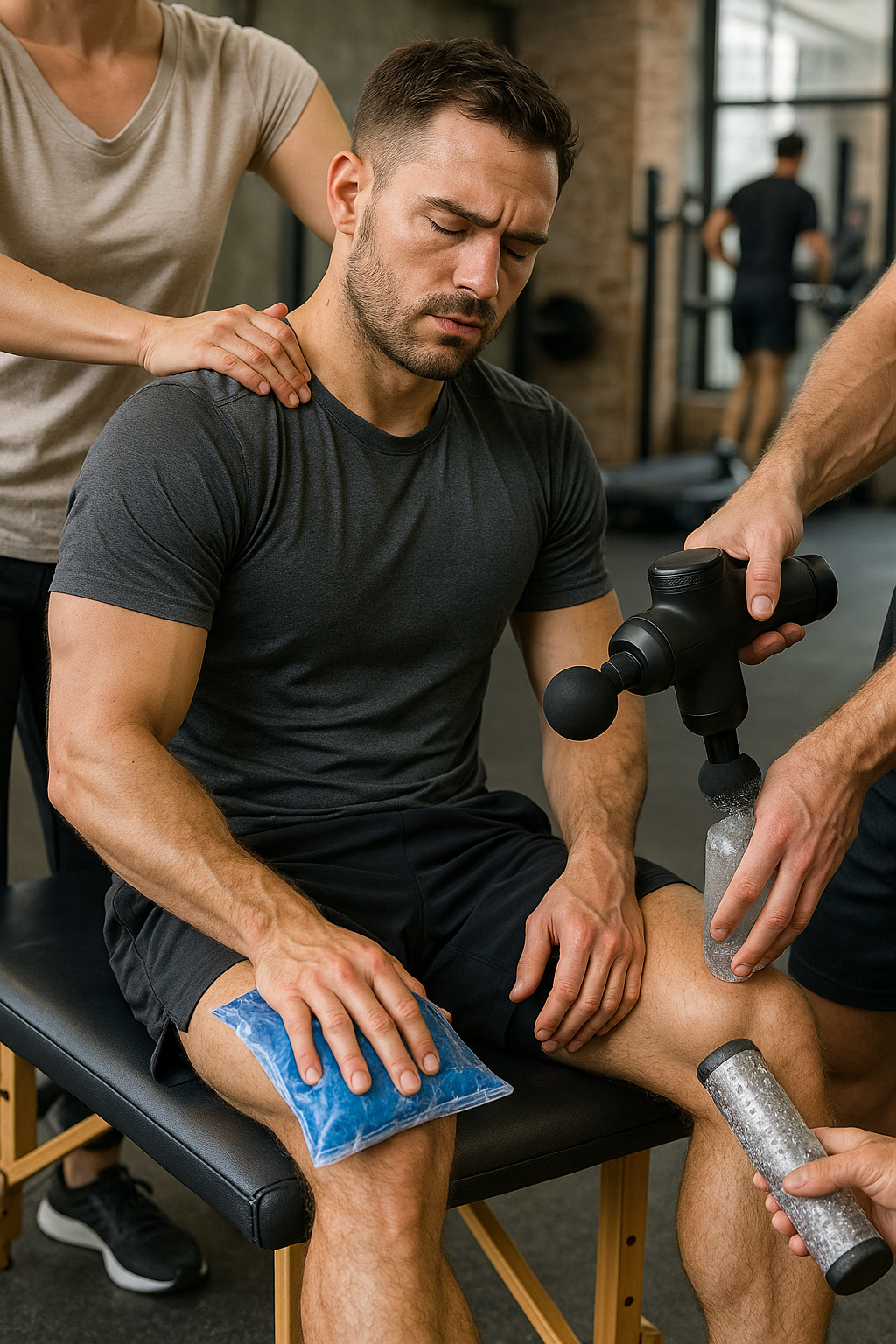
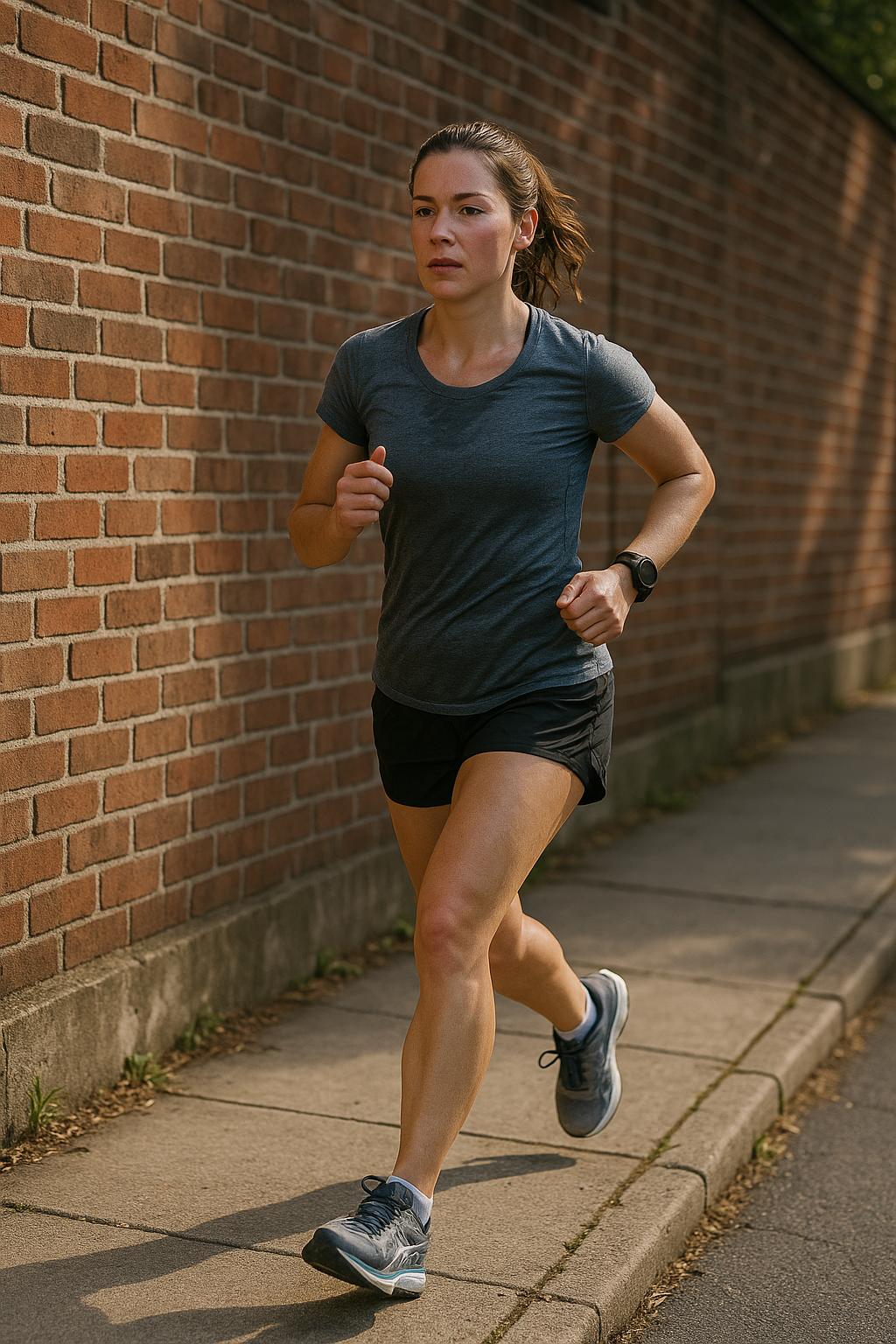
You can plan the perfect workout, hit your targets, and still leave results on the table if you skip one simple step: the cool down. It’s the part many of us rush through—because the “real work” feels like it’s already done. But ending a session with a smart, structured cool down can be the difference between waking up ready to move and waking up stiff, sore, and reluctant to train again.
When you stop abruptly after strength training, running, or HIIT, your body doesn’t instantly switch from high gear to rest mode. Your heart rate is still elevated, your breathing is fast, and your muscles are warm and loaded. Without a gradual downshift, it’s common to feel tightness later in the day, heavier legs the next morning, and that familiar delayed onset muscle soreness that can make stairs feel like a challenge. Over time, repeatedly skipping this transition can also increase the risk of small strains—especially in areas that already take a beating, like calves, hamstrings, hips, shoulders, and the lower back.
A good cool down isn’t complicated, and it doesn’t need to be long. In fact, the most effective routines are usually the most realistic: a few minutes of gradually lowering intensity, followed by targeted stretches and calm breathing that helps your body settle. The goal is simple—bring your system back toward baseline while giving your muscles a chance to release tension and recover more efficiently.
Why a cool down is the missing link in many routines
Most people train with a clear purpose: build strength, improve endurance, lose weight, or feel better in their body. A cool down supports all of those goals because it focuses on what happens after the effort—when recovery and adaptation actually take place. Done consistently, it can help you maintain mobility, move with better control, and show up to your next session feeling more prepared instead of “still recovering.”
It also solves a practical problem: time. If you only have 5–10 minutes left, you can either scroll on your phone and head out, or you can invest those minutes in a cool down that pays you back with smoother movement and less post-workout stiffness.
What you’ll learn in this guide
In the rest of this post, we’ll break down what a cool down is, what’s happening in your body as you transition from training to rest, and how to build a simple routine you’ll actually stick to. You’ll also get practical, beginner-friendly tips—so you can finish every workout with a cool down that feels good, fits your schedule, and supports better recovery.
Understanding what a cool down really is
A cool down is the planned transition from exercise to rest. Instead of stopping suddenly, you gradually reduce intensity so your body can shift from “work mode” to recovery. Think of it as the bridge between training stress and the adaptation you want—stronger muscles, better endurance, and more consistent performance.
During hard exercise, your heart rate and breathing rise to deliver oxygen to working muscles, your blood vessels widen, and your nervous system stays alert. A proper cool down helps reverse those changes in a controlled way. As you move at a lower intensity—easy walking after a run, light cycling after intervals—your heart rate starts to drop steadily, circulation remains active, and your body begins clearing metabolic byproducts created during higher effort. This is one reason many routines start with 2–5 minutes of gentle movement before any stretching: it keeps blood flowing while your system downshifts.
What happens in your body during a cool down
The most noticeable change is cardiovascular: heart rate and breathing rate decrease as demand for oxygen falls. For many people, a short period of low-intensity movement is enough to bring the pulse down significantly within minutes, which can reduce that “wired” feeling after intense training.
Muscles also begin to relax. After lifting, sprinting, or HIIT, muscle fibers can stay in a semi-contracted state, especially in areas that work hardest—calves, quads, hip flexors, glutes, chest, and shoulders. Cooling down encourages a gradual reduction in tension, which can make it easier to restore normal range of motion and move comfortably later in the day.
You’ll often hear people mention lactic acid in connection with recovery. The key point is that your body continues processing the byproducts of intense effort after exercise ends, and light movement supports circulation while that process happens. The result is a smoother transition to rest compared to stopping abruptly.
Benefits of cooling down for recovery, mobility, and injury prevention
A consistent cool down is linked with fewer “niggles” that can derail training. Many fitness resources cite research suggesting a meaningful reduction in injury risk—often reported in the 30–50% range—when athletes include structured recovery habits, including cool down work, alongside smart training loads. While no routine can eliminate injuries entirely, the pattern is clear: people who regularly restore mobility and reduce post-session tension tend to stay more training-ready.
Cooling down can also help manage delayed onset muscle soreness (DOMS). You may still feel some soreness after a new or intense session, but gentle movement, stretching, and breathing can reduce the feeling of stiffness and help you regain comfortable motion sooner. Another major benefit is flexibility: static stretching performed after training—when tissues are warm—can support long-term mobility, particularly around the hips, ankles, and shoulders.
Core components of an effective cool down routine
For most workouts, aim for a total of 5–10 minutes. If you’re short on time, even 5 focused minutes is far better than none.
1) Gradual reduction in intensity (2–5 minutes)
Choose an easy version of what you just did: walk after running, slow pedaling after cycling, or gentle marching and arm circles after strength training. Keep it comfortable—you should be able to breathe through your nose or speak in full sentences.
2) Static stretches for major muscle groups (2–4 minutes)
Hold each stretch about 20–40 seconds, staying below sharp pain and focusing on steady breathing.
- Hamstrings: Hinge at the hips with a long spine, soft knees, and feel the stretch along the back of the thigh.
- Quads: Standing quad stretch or side-lying quad stretch to open the front of the thigh after running or squats.
- Calves: Wall calf stretch with the heel down to reduce lower-leg tightness.
- Hip flexors: Half-kneeling hip flexor stretch to counter sitting and heavy lower-body training.
- Chest and shoulders: Doorway chest stretch or clasped-hands stretch behind the back to ease upper-body tension.
3) Breathing techniques to shift into recovery (1–2 minutes)
Finish with slow, controlled breathing to help your body relax. Try inhaling through the nose for 4 seconds, then exhaling for 6–8 seconds. Keep your shoulders relaxed and let the exhale be long and smooth. This yoga-inspired approach can reduce post-workout stress and make the cool down feel restorative instead of rushed.
Visual aids that make cool downs easier to follow
If you’re building this into a habit, visuals help. Consider adding an infographic that shows each stretch position with simple cues (where you should feel it, common mistakes, and recommended hold time). Video tutorials are also popular for beginners because they guide pacing and breathing—especially useful when you’re learning how a cool down should feel from start to finish.
Using ergonomic aids to upgrade your cool down
A solid cool down can be done with nothing but your bodyweight, but ergonomic aids can make it more effective—especially if you tend to feel tight in the same areas after training. Tools like foam rollers and resistance bands help you target specific muscles, improve control in stretches, and reduce the “I’m not flexible enough” barrier that makes many people skip recovery work.
Foam rollers are useful for self-massage and for reducing the feeling of muscle tightness after hard sessions. They can be especially helpful for the calves, quads, glutes, and upper back—areas that often feel loaded after running, strength training, or long days of sitting. Keep pressure moderate and move slowly. Spend about 30–60 seconds per area, pausing briefly on tender spots without forcing into sharp pain.
Resistance bands add support and precision. They can help you hold positions with better alignment (for example, a hamstring stretch without rounding your back) and can assist with gentle mobility work around the shoulders and hips. Bands are also practical if you cool down at home or in a small gym space.
If posture is a recurring issue—such as rounded shoulders from desk work—consider pairing your cool down with posture-focused supports and upper-back mobility drills. The goal is not to “fix posture” in one session, but to consistently reduce tension and restore a more neutral position so your next workout starts from a better baseline.

Men's Posture Shirt™ - Black
Patented posture shirt for men that activates muscles and can relieve pain and tension.

Women's Posture Shirt™ - Black
Supportive posture shirt for women with Neuroband™ technology for pain relief.
Targeted cool down routines for different needs
The best cool down is the one that matches what your body just did. Use the routines below as templates and adjust based on where you feel tightness.
Cool down for runners (5–10 minutes)
- 2–3 minutes easy walk: Let your breathing settle and your heart rate drop gradually.
- Calf stretch (30–40 seconds per side): Heel down, knee straight, then repeat with a slight knee bend to reach deeper calf tissues.
- Quad stretch (30–40 seconds per side): Keep knees close and hips gently tucked to avoid arching the lower back.
- Hamstring stretch (30–40 seconds per side): Hinge at the hips with a long spine.
- Optional foam rolling (1–2 minutes): Calves and quads, slow passes.
This cool down prioritizes the lower legs and thighs, where runners often accumulate tension that can affect stride mechanics over time.
Cool down for office workers (5–8 minutes)
- 1–2 minutes gentle movement: March in place, shoulder rolls, and easy arm swings.
- Chest stretch in a doorway (30–40 seconds): Open the front of the shoulders after prolonged sitting.
- Upper-trap/neck stretch (20–30 seconds per side): Keep the shoulder down as you tilt the head away.
- Hip flexor stretch (30–40 seconds per side): Half-kneeling, squeeze the glute on the back leg to reduce front-hip tightness.
- Band-assisted shoulder mobility (30–60 seconds): Controlled, pain-free range.
This cool down is designed to “undo” common desk posture patterns so your training recovery supports your daily comfort too.
Cool down for seniors (5–10 minutes)
- 2–4 minutes easy walking: Use a stable surface or support if needed.
- Seated hamstring stretch (20–30 seconds per side): Gentle hinge forward without rounding aggressively.
- Calf stretch at a wall (20–30 seconds per side): Keep it comfortable and steady.
- Supported balance drill (30–60 seconds): Stand near a wall or chair and practice shifting weight side to side.
- Slow breathing (60 seconds): Long exhale to promote relaxation.
For seniors, the cool down should feel safe, controlled, and repeatable. Consistency matters more than intensity.
Frequently Asked Questions
What is the best way to cool down after a workout?
The best cool down combines a gradual reduction in intensity, static stretches for the muscles you used most, and controlled breathing. This approach helps lower heart rate, reduce muscle tension, and shift your body into recovery mode.
How long should a cool down last?
A cool down typically lasts 5–10 minutes. After very intense sessions, leaning closer to 10 minutes can feel better, but even 5 focused minutes can make a noticeable difference in stiffness and recovery.
Can I skip the cool down if I'm short on time?
If time is limited, do a shorter cool down rather than skipping it. Prioritize 2 minutes of easy movement and 2–3 key stretches for the tightest areas (often calves, quads, hips, chest, or shoulders).
Are there any tools that can help with cooling down?
Yes. Foam rollers can provide targeted muscle relief, and resistance bands can improve stretch positioning and shoulder or hip mobility. Posture-focused supports can also complement a cool down for people who carry tension from prolonged sitting.
How does cooling down prevent injuries?
A cool down can reduce injury risk by gradually lowering heart rate and easing muscles out of high tension, which supports better movement quality and recovery between sessions. Over time, maintaining mobility and reducing persistent tightness can help prevent strains—especially in commonly overloaded areas like calves, hamstrings, hips, shoulders, and the lower back.
Källor
- "The Importance of Cool Down in Exercise Recovery." National Center for Biotechnology Information.
- "Hearing Loss Prevention: Tips and Strategies." WebMD.
- "Tinnitus: Understanding and Managing the Condition." NHS.
- "Muffled Hearing: Causes and Treatments." Healthline.
- "Ear Barotrauma: Symptoms and Management." Cedars-Sinai.