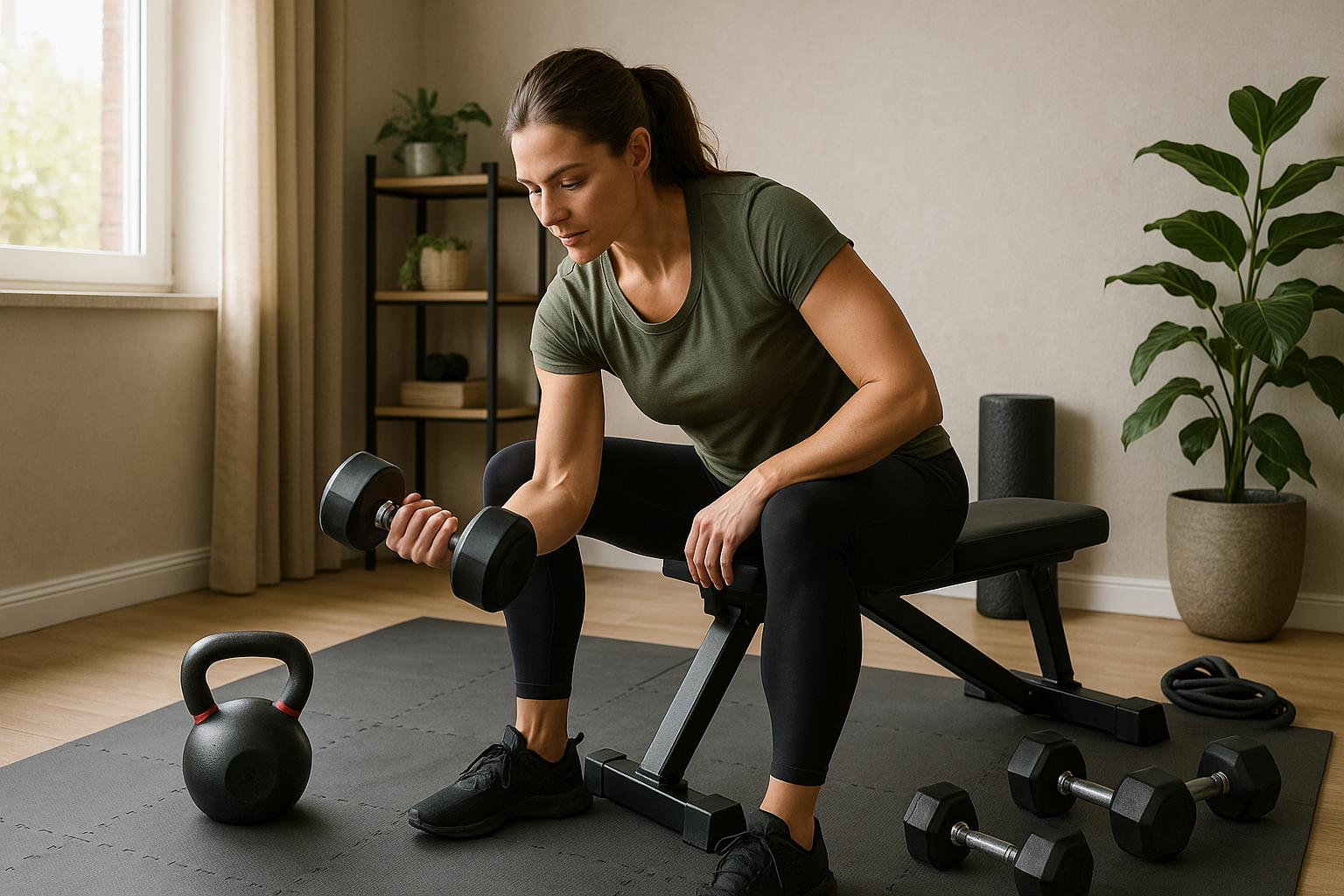
In 2026, home workout equipment isn’t just a set of weights in the corner—it’s become a smarter, more space-aware part of everyday life. After years of shifting routines and busier schedules, more people want training that fits around work, family, and limited square footage. The result is a new generation of at-home gear that feels less like a compromise and more like an upgrade: connected, compact, and designed to keep you consistent.
What’s changed most is the experience. Instead of repeating the same routine until motivation fades, today’s setups lean into guidance, feedback, and variety. Smart screens, app integration, and AI-driven coaching are now common features, helping beginners feel confident and giving experienced lifters better structure. At the same time, equipment makers have gotten serious about design—foldable frames, modular add-ons, and quieter mechanics that make it easier to train without turning your home into a full-time gym.
Why 2026 home gyms look different
The strongest trend is a move toward gear that does more with less. Space-efficient tools like adjustable dumbbells and compact cable-style trainers can replace entire racks of equipment, while still letting you progress over time. For cardio, connected machines have become more immersive and less monotonous, with gamified training that encourages you to show up even on low-energy days. This shift matters because consistency is usually the real challenge—not knowing what to do, but actually doing it week after week.
Another defining change is how data and comfort are being treated as essentials, not extras. Many people now expect their equipment to track performance, suggest adjustments, and help manage training load. Just as importantly, there’s growing awareness that the “best” setup is the one you can use pain-free. Ergonomics, joint-friendly options, and recovery tools are increasingly part of the conversation, especially for anyone balancing training with desk work or previous injuries.
What you’ll get from this guide
In the sections ahead, we’ll break down the smartest home workout equipment to consider for 2026—covering connected cardio, modern strength systems, and practical space-saving picks that work in apartments and dedicated home gyms alike. The goal is simple: help you build a setup that feels motivating, fits your home, and supports long-term progress without unnecessary complexity.
Smart cardio machines that keep you engaged
Cardio is often the first place people notice the 2026 upgrade in home workout equipment. Instead of staring at a wall and counting minutes, connected machines now use interactive programming, scenic routes, and game-style challenges to make sessions feel shorter and more purposeful. The biggest advantage isn’t just entertainment—it’s adherence. When the workout experience is engaging, you’re more likely to train consistently, which is what ultimately drives results.
Gamified rowers are a standout category. Options like the Aviron Strong Go lean into competition-style workouts and varied training modes that can make intervals feel more like a challenge than a chore. For a more “game-first” experience, the Ergatta Luxe Rower is known for its touchscreen-driven format that turns rowing into performance-based games and goal tracking. Many of these machines also prioritize quieter operation and smaller footprints, which matters if you’re training early in the morning or sharing space with others.
On the treadmill side, models such as the NordicTrack 1750 represent the shift toward immersive training with auto-adjusting features that can change incline and pace to match terrain-style programming. That kind of automation is useful for beginners who don’t know how to structure a session, and for experienced runners who want progressive overload without manually adjusting settings every few minutes.
Strength training innovations: modular and AI-guided
Strength training at home has moved beyond basic benches and a single set of weights. In 2026, the most popular setups are either modular (so you can expand over time) or intelligent (so the system helps coach you). Both approaches solve common home-gym problems: limited space, limited equipment variety, and uncertainty about form and progression.
If you want a traditional foundation with modern flexibility, a power rack like the REP PR-4000 can act as the centerpiece of a serious home gym. The appeal is expandability: you can add attachments over time—such as cable systems, pull-up variations, and storage solutions—without replacing the entire rack. For many lifters, this modular route is also about safety: a stable rack setup supports controlled heavy lifting and makes solo training more practical.
For a more tech-forward approach, AI-driven systems like Tonal focus on guided strength training with real-time feedback and personalized programming. These systems typically shine for households with multiple users because they can adapt recommendations based on performance, track progress automatically, and reduce the guesswork of selecting weights and planning weekly sessions. If your main barrier is not knowing what to do next, smart strength can be the difference between owning equipment and actually using it.
Space-saving equipment for apartments and multipurpose rooms
Not everyone has room for a full rack-and-bench layout, and that’s where compact home workout equipment becomes essential. The most effective small-space setups prioritize versatility per square meter: tools that cover multiple movement patterns, store easily, and still allow progression.
Adjustable dumbbells, such as Bowflex-style select systems, can replace an entire rack of fixed weights while keeping your training options broad—presses, rows, squats, hinges, and accessory work. Pair them with resistance bands to add joint-friendly volume, warm-ups, and travel-ready workouts. Bands also work well for posture-focused training and controlled rehab-style movements, which is especially useful if you spend long hours at a desk.
If you want strength training that packs down even further, portable cable-style options like MaxPro are popular for people who travel or who need equipment that can live in a closet. The key benefit is variety: you can mimic many cable machine movements without dedicating permanent floor space to a large station.
Market insights shaping what people buy in 2026
Consumer demand is still pushing the category forward. Recent market reporting shows that 68% of consumers prioritize fitness, and the home fitness market has grown around 22% annually since 2020. At the same time, premiumization is real: about 60% of buyers say they’re willing to pay more for commercial-grade durability, which explains why sturdier frames, better warranties, and smoother mechanics are becoming standard expectations.
Technology is also a major driver. More than 40% of sales are tied to AI and IoT-enabled products, while roughly 35% include Bluetooth or app integration. In practical terms, that means people increasingly expect their equipment to track performance, sync data, and help guide training decisions—whether that’s pacing a run, progressing strength loads, or simply keeping motivation high through gamified formats.
Building a connected home workout equipment ecosystem
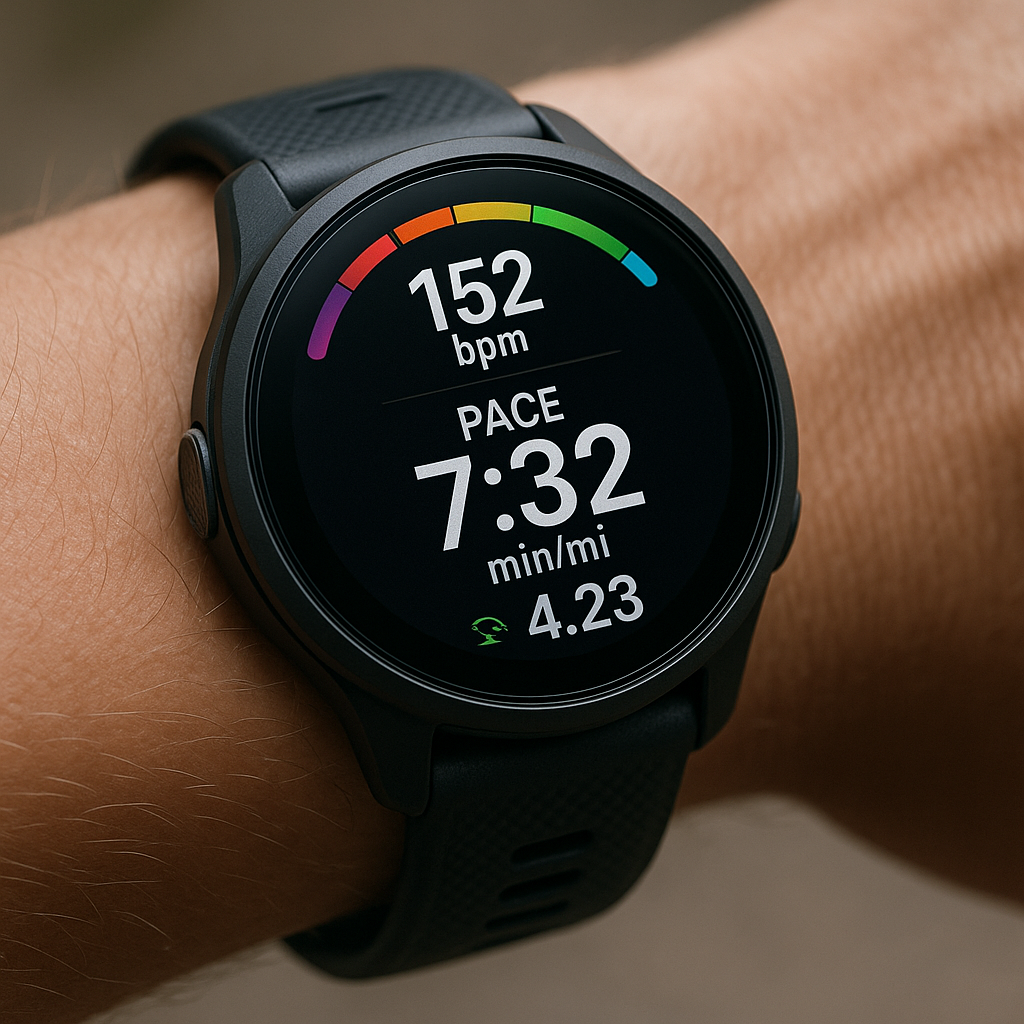
In 2026, the biggest leap in home workout equipment isn’t just smarter machines—it’s how everything works together. Many setups now function like an ecosystem: your cardio machine logs training volume, your strength system tracks progressive overload, and your wearable or app pulls it into one place so you can see trends over weeks, not just single sessions. This is especially useful for people who struggle with consistency, because the system reduces friction: fewer decisions, clearer next steps, and more feedback that reinforces progress.
Subscription models are also shaping what people buy. Instead of paying only for hardware, users increasingly pay for programming, coaching, and new content that keeps training fresh. That matters because boredom is one of the most common reasons home routines fade. When workouts update regularly—new intervals, new strength blocks, new challenges—your equipment stays relevant longer, and you’re less likely to feel like you’ve “outgrown” it after a few months.
Hybrid solutions that feel like commercial gear
Another clear 2026 trend is the blending of home and commercial design. Buyers want equipment that looks good in a living space, holds up under frequent use, and feels stable enough for serious training. This is one reason the premium segment continues to expand, with high-end pro equipment in the $1,500–$5,000 range growing quickly. For many households, the logic is simple: if the gear is durable, comfortable, and easy to use, it becomes part of the weekly routine rather than an occasional project.
Hybrid design also shows up in multi-use stations and modular builds. Instead of owning several single-purpose items, people build a compact “training corner” that supports strength, conditioning, and mobility. When you can move from a short warm-up to loaded work to a cooldown without changing rooms or dragging out extra equipment, you’re more likely to complete the session—especially on busy days.
Recovery and ergonomics: the overlooked performance upgrade
Smarter training in 2026 includes what happens between workouts. Recovery tools—especially percussive therapy devices like Theragun-style massagers—have become common additions to home workout equipment because they support muscle recovery and help manage soreness. While they don’t replace good programming, sleep, and nutrition, they can make it easier to stay consistent by reducing the “I’m too stiff to train” barrier.
Ergonomics is equally important. The most effective home setup is the one you can use comfortably, with good technique, over the long term. That means choosing equipment that matches your space and your body: adjustable handles and seats, stable bases, and resistance options that let you progress without forcing awkward positions. For desk workers and anyone with a history of aches, it’s often worth prioritizing joint-friendly movement patterns, controlled tempo work, and warm-ups that emphasize posture and range of motion.
If you’re deciding what to add next, a practical approach is to balance three categories: one tool for strength progression, one for cardio consistency, and one for recovery or mobility. That combination covers the basics and supports long-term adherence without overcomplicating your home gym.
Frequently Asked Questions
What is the best home workout equipment for small spaces in 2026?
The best small-space home workout equipment focuses on versatility and easy storage. Resistance bands and adjustable dumbbells (such as Bowflex-style systems) cover a wide range of strength movements without taking up much room. If you want cardio, consider compact or foldable machines, and prioritize quieter operation if you share walls or train early.
How has technology impacted home workout equipment?
Technology has made home workout equipment more personalized and easier to follow. AI-driven coaching can suggest training loads and progressions, while IoT and app integration help track workouts automatically. Gamified experiences on connected cardio machines also improve motivation by turning sessions into challenges, goals, and performance-based feedback rather than repetitive time-on-machine.
Are there affordable options for smart home workout equipment?
Yes. Many brands offer entry-level options that still include app connectivity, guided workouts, or basic performance tracking. A cost-effective approach is to start with adjustable dumbbells or bands and add a subscription-based training app, then upgrade to more advanced connected equipment if you consistently use your setup.
What are the key benefits of using smart workout equipment at home?
Smart home workout equipment improves convenience and consistency by reducing guesswork. It can personalize sessions, track progress over time, and adjust workouts based on performance. For many people, the biggest benefit is adherence: engaging programming, feedback, and clear structure make it easier to train regularly and progress safely.
Källor
- "Best Home Gyms." Garage Gym Reviews.
- "Home Gym." Kondition.dk.
- "Top Exercise Machines for Your Home Gym in 2026." Leaps and Rebounds.
- "Hjemmetræningsudstyr." Hjemmetræningsudstyr.dk.
- "The Best Home Workout Equipment." Gym Mikolo.
- "Best Training Equipment for Home Training." Løbeskoshop.dk.
- "Best Exercise Equipment." Outdoor Gear Lab.
- "Top 10 Træningsudstyr." Bodylab.dk.
- "Best Home Gyms." BarBend.