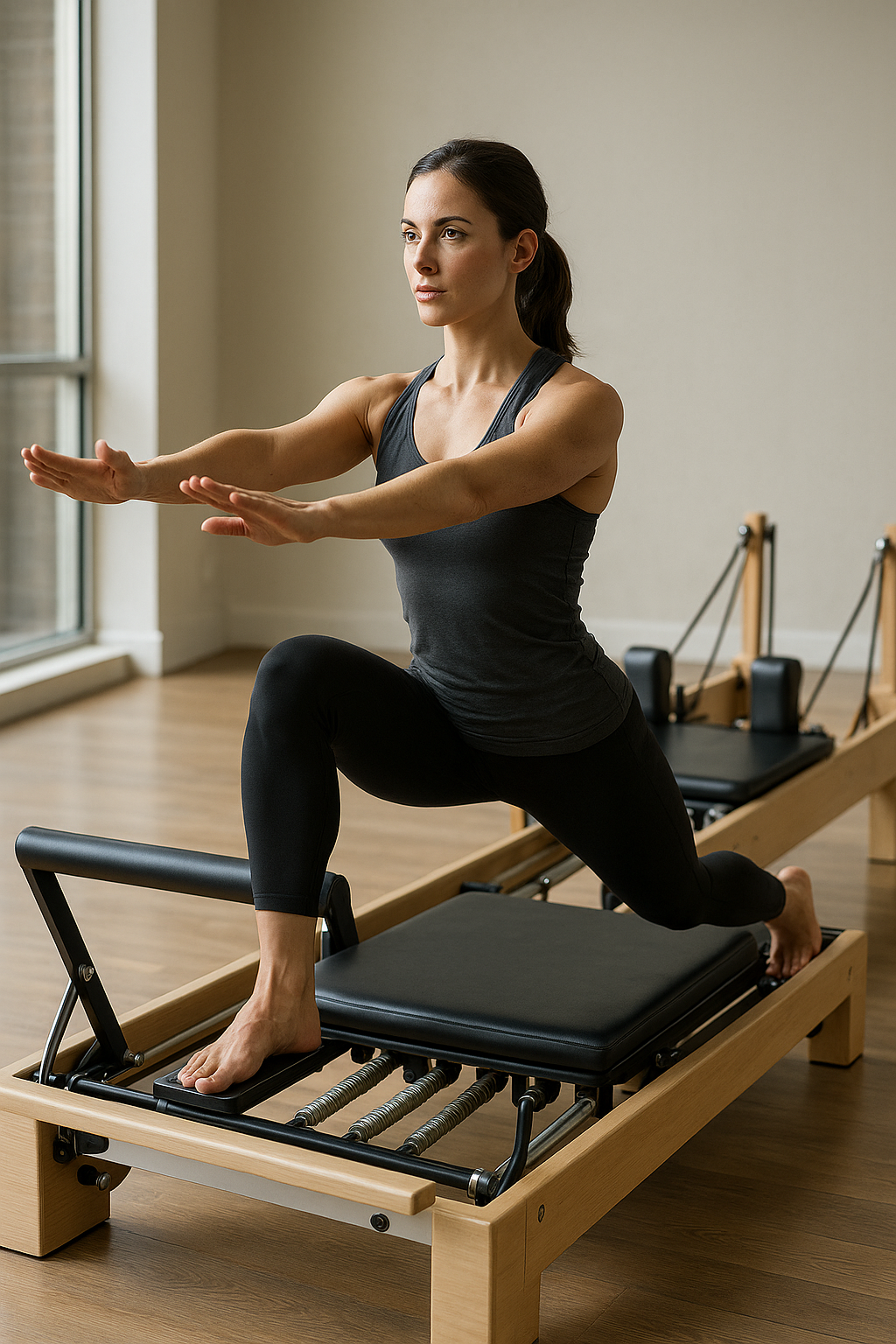
Yoga has a rare ability to feel both timeless and completely modern. What began as an ancient practice rooted in breath, focus, and self-awareness has, for many people today, become a practical way to move better, feel calmer, and build strength without needing a complicated setup. That shift is part of why yoga is everywhere right now: in studios, gyms, workplaces, and living rooms—often streamed on a phone between meetings or after putting the kids to bed.
But popularity isn’t the same as impact. The reason yoga keeps earning its place in modern routines is that it works on more than one level. A consistent practice can improve mobility and posture, support joint-friendly strength, and help you notice the small habits that create tension—like holding your breath during stress or hunching over a laptop. At the same time, yoga’s emphasis on breathing and attention can create a mental “reset,” which is why so many people reach for it when life feels busy, noisy, or physically stiff.
Why yoga fits modern life
Wellness trends come and go, but yoga has adapted without losing its core. You can practice for five minutes or fifty. You can choose a calming flow to unwind, a stronger session to challenge your body, or a gentle approach that prioritises recovery. That flexibility makes yoga especially relevant now, when many of us balance long hours of sitting with bursts of activity—and when stress management is as important as fitness goals.
It also helps that yoga meets people where they are. Beginners often start because they want to feel less tight, improve balance, or move with fewer aches. Others come to it for performance support, using yoga to complement strength training, running, or team sports. And for those who prefer guidance, local classes and studios make it easy to get hands-on instruction and a sense of routine.
What you’ll get from this guide
In this post, we’ll explore the transformative power of yoga in a grounded, everyday way. You’ll learn how yoga can support physical fitness, mental clarity, and emotional balance—and how to make it realistic to stick with, whether you practice at home, in a studio, or a mix of both. We’ll also look at how the right approach (and simple tools like supportive props) can make yoga feel more comfortable, more accessible, and more effective from day one.
Physical benefits that carry into everyday life
Yoga is often described as a flexibility practice, but its physical impact is broader and more practical than simply “touching your toes.” Over time, consistent sessions can improve joint range of motion, build functional strength, and support posture by training the body to stabilise well in different positions. That matters if you sit for long periods, lift weights, run, or simply want to move through daily tasks with less stiffness.
Flexibility gains tend to show up first in commonly tight areas like hips, hamstrings, calves, and the front of the shoulders. But the real win is balanced mobility: learning to move freely without dumping strain into the lower back, neck, or knees. Strength develops in a joint-friendly way too, because many poses require you to hold your bodyweight with control. Plank variations, chair pose, and warrior sequences challenge the legs, glutes, and core, while downward-facing dog and dolphin build shoulder stability and upper-body endurance.
Posture is another major benefit. Yoga trains awareness of spinal alignment and ribcage position, which can help counter the rounded shoulders and forward head posture that often come from desk work. Poses such as mountain pose, cobra, locust, and bridge encourage extension through the upper back and activation through the posterior chain, supporting a more upright, comfortable stance.

Women's Posture Shirt™ - Black
Improves posture, relieves pain and tension, perfect for daily posture support.
Yoga can also support cardiovascular and respiratory function, depending on the style and intensity. Faster flows can raise the heart rate and improve stamina, while slower practices still train breathing efficiency by encouraging steady, controlled inhales and exhales. Over time, learning to breathe more fully—especially into the sides and back of the ribcage—can make movement feel less taxing and help reduce the “shallow breathing” pattern that often appears during stress.
Mental and emotional benefits beyond the mat
The mental side of yoga is not separate from the physical side; it’s built into how you practise. When you hold a pose, notice sensations, and keep breathing steadily, you’re training the ability to stay present without immediately reacting. This is one reason yoga is frequently used as a tool for stress reduction: it combines movement with attention and breath regulation, which can help downshift the nervous system after a demanding day.
Many people also find yoga helpful for anxiety and low mood because it creates a predictable routine and a clear focus point. Instead of ruminating, you’re asked to pay attention to what’s happening now: where you feel tension, how your breath changes, and what happens when you soften effort. That repeated “return to the present” can improve mental clarity and concentration over time.
Breathing techniques are a key part of this. A simple starting point is diaphragmatic breathing: inhale through the nose and let the belly and lower ribs expand, then exhale slowly and fully. Another accessible option is a longer exhale pattern (for example, inhale for a count of four and exhale for a count of six), which many people find calming. If you prefer a short meditation, try a two-minute body scan at the end of practice: move attention from the feet to the head, noticing sensations without judging them.
How to integrate yoga into a busy lifestyle
The best routine is the one you can repeat. If time is tight, aim for short sessions that are easy to start: 10 minutes of mobility in the morning, a 15-minute flow after work, or a gentle wind-down before bed. Consistency matters more than intensity, especially at the beginning. A realistic goal could be two to four sessions per week, with optional “micro-practices” on the other days (a few sun salutations, a hip opener, or a brief breathing practice).
Choosing the right style helps you stick with it. Hatha is often slower and technique-focused, making it a solid entry point. Vinyasa tends to be more dynamic and can feel like a workout when sequences are linked with breath. Iyengar is detail-oriented and prop-friendly, which can be ideal if you want precise alignment and a supportive setup. If you’re unsure, try a few class types and pay attention to how your body feels the next day: challenged is fine, but sharp pain or lingering joint irritation is a sign to modify.
For a home practice, set up a small, repeatable space. You don’t need a dedicated room, but you do need fewer barriers to starting. Keep your mat accessible, choose comfortable clothing, and consider simple props that make positions more ergonomic. Blocks can bring the floor closer in forward folds, reduce wrist strain in certain shapes, and support balance. A strap can help you maintain good alignment without forcing flexibility, especially in hamstring and shoulder stretches. If you’re working on comfort, a folded blanket under the knees or hips can make seated and kneeling poses more sustainable.
Finally, treat yoga as skill-building rather than performance. The goal is not to “achieve” a pose, but to practise with control, breath, and appropriate effort. When you prioritise how a posture feels over how it looks, you’re more likely to progress safely—and more likely to keep yoga as a long-term part of your life.
Advanced yoga practices for deeper progress
Once yoga feels familiar—when you can move with steady breath, recognise your limits, and recover well between sessions—you may be curious about more structured or demanding approaches. Advanced yoga does not have to mean extreme flexibility or difficult arm balances. In practice, “advanced” often means greater consistency, more refined technique, and a clearer understanding of how to build strength and mobility without aggravating joints.
Ashtanga yoga is one of the most well-known progressive styles. It follows set sequences that are repeated over time, which makes it easier to track progress and develop discipline. Because the practice is physically demanding and often fast-paced, it can be a good fit for people who enjoy routine and measurable improvement. The key is to prioritise form over speed, especially in transitions, and to modify when needed to protect wrists, shoulders, and the lower back.
Kundalini yoga is different in focus and experience. It typically combines movement, breathwork, chanting, and meditation in ways that can feel energising and introspective. For some people, it offers a strong mental reset and a sense of emotional clarity. If you are new to Kundalini, start with beginner-friendly classes and pay attention to how you feel after practice, particularly if you are sensitive to intense breathing techniques.
Workshops and retreats can also be a meaningful next step. A workshop often focuses on one theme—such as hip mobility, backbends, inversions, or breathwork—giving you time to learn progressions and alignment details that are hard to cover in a standard class. Retreats offer immersion: fewer distractions, more recovery time, and space to practise, reflect, and build a routine you can bring home. If you are choosing a retreat, look for clear descriptions of daily intensity, class style, and modification options.
Finding support through the yoga community
Yoga is often practised individually, but community can be a major reason people stay consistent. A good class environment provides structure, accountability, and feedback—especially helpful when you are working on alignment, breathing, or safe progression. It can also reduce the “all-or-nothing” mindset by normalising modifications and showing that different bodies will look different in the same pose.
Local studios and teachers can help you match yoga to your goals, whether that is stress relief, strength, mobility, or recovery. If you are searching online, be specific. Instead of only typing yoga, try terms that reflect your needs and location, such as beginner yoga classes in your area, yoga for back pain, or Iyengar yoga near you. This makes it easier to find classes that fit your level and helps you avoid sessions that are too intense too soon.
Online groups and live-streamed classes can also be effective, particularly if your schedule is unpredictable. To make online practice safer, choose instructors who offer clear cues, demonstrate modifications, and encourage rest when needed. If you regularly experience discomfort in knees, wrists, or hips, consider using knee support to make positions more ergonomic and sustainable—comfort supports consistency, and consistency drives results.

Men's Posture Shirt™ - White
Posture-correcting shirt with patented NeuroBand™ technology for relief and muscle support.
Final thoughts on the transformative power of yoga
Yoga tends to change people in practical ways first: better mobility, fewer aches from sitting, improved strength and balance, and a calmer response to everyday stress. Over time, the bigger shift is often self-awareness—knowing when to push, when to pause, and how to use breath and movement to feel more stable in your body and mind.
If you want yoga to be a long-term habit, keep it simple. Choose a style you enjoy, practise at an intensity you can recover from, and build gradually. Progress is not only about deeper stretches or harder flows; it is about moving with control, breathing with intention, and creating a routine that supports your life.
Frequently Asked Questions
What is the best time of day to practice yoga?
The best time is the time you can practise consistently. Morning yoga can help reduce stiffness, improve focus, and set a steady tone for the day. Evening yoga can support recovery, downshift stress, and improve sleep quality—especially if you choose slower movement and longer exhales. If you feel tight in the morning, start gently and build intensity later in the day.
How often should I practice yoga to see benefits?
Many people notice improvements with two to four sessions per week, especially when combined with short “micro-sessions” on busy days. Even 10–15 minutes can be effective if you practise regularly. If your goal is strength or cardiovascular challenge, add one or two more dynamic sessions, but keep at least one easier practice for recovery.
Can yoga help with specific health conditions?
Yoga is commonly used to support issues such as back pain, arthritis, and high blood pressure by improving mobility, building joint-friendly strength, and reducing stress. The right approach matters: choose classes that emphasise alignment, controlled pacing, and modifications. If you have a diagnosed condition, persistent pain, or medical concerns, consult a qualified healthcare professional before changing your routine.
Do I need special equipment to start yoga?
You can start with minimal equipment: a stable mat and comfortable clothing are usually enough. Props can make yoga more accessible and comfortable. Blocks can reduce strain by bringing the floor closer, a strap can support safe range of motion, and a folded blanket can cushion knees or hips in seated and kneeling poses.
Is yoga suitable for all ages and fitness levels?
Yes. Yoga is highly adaptable, with options ranging from gentle and restorative practices to strong, athletic flows. Most poses can be modified to suit flexibility, strength, balance, and mobility needs. If you are new, returning after a break, or managing limitations, start with beginner-friendly classes and prioritise comfort, control, and steady breathing.
Kilder
- Beaire. (n.d.). "History of Yoga." Aire Magazine.
- Clear Hearing Seattle. (n.d.). "The Benefits of Yoga and Mindfulness for Hearing Health."
- Everyday Yoga. (n.d.). "History of Yoga."
- Beverly Hills Hearing. (n.d.). "Yoga & Meditation Helps Hearing Health."
- Wikipedia. (n.d.). "Yoga."
- Campaign for Better Hearing. (n.d.). "Can Yoga Improve My Hearing?"
- Ugeavisen Vejle. (n.d.). "Historien Bag Yoga."
- Republic Hearing Care. (2024). "Enhancing Your Hearing Health: The Benefits of Yoga and Meditation."
- Intersport. (n.d.). "Hvor Stammer Yoga Fra."
- Family Hearing Care. (n.d.). "Can Yoga Help Alleviate Hearing Loss Symptoms?"
- Manduka. (n.d.). "Things You Didn't Know About Yoga."
- Pittsburg Hearing. (n.d.). "Can Yoga Help Alleviate Hearing Loss Symptoms?"
- Yoga Journal. (n.d.). "Yoga's Greater Truth."
- Arkansas Hearing Aid. (n.d.). "Can Yoga Help Alleviate Hearing Loss Symptoms?"