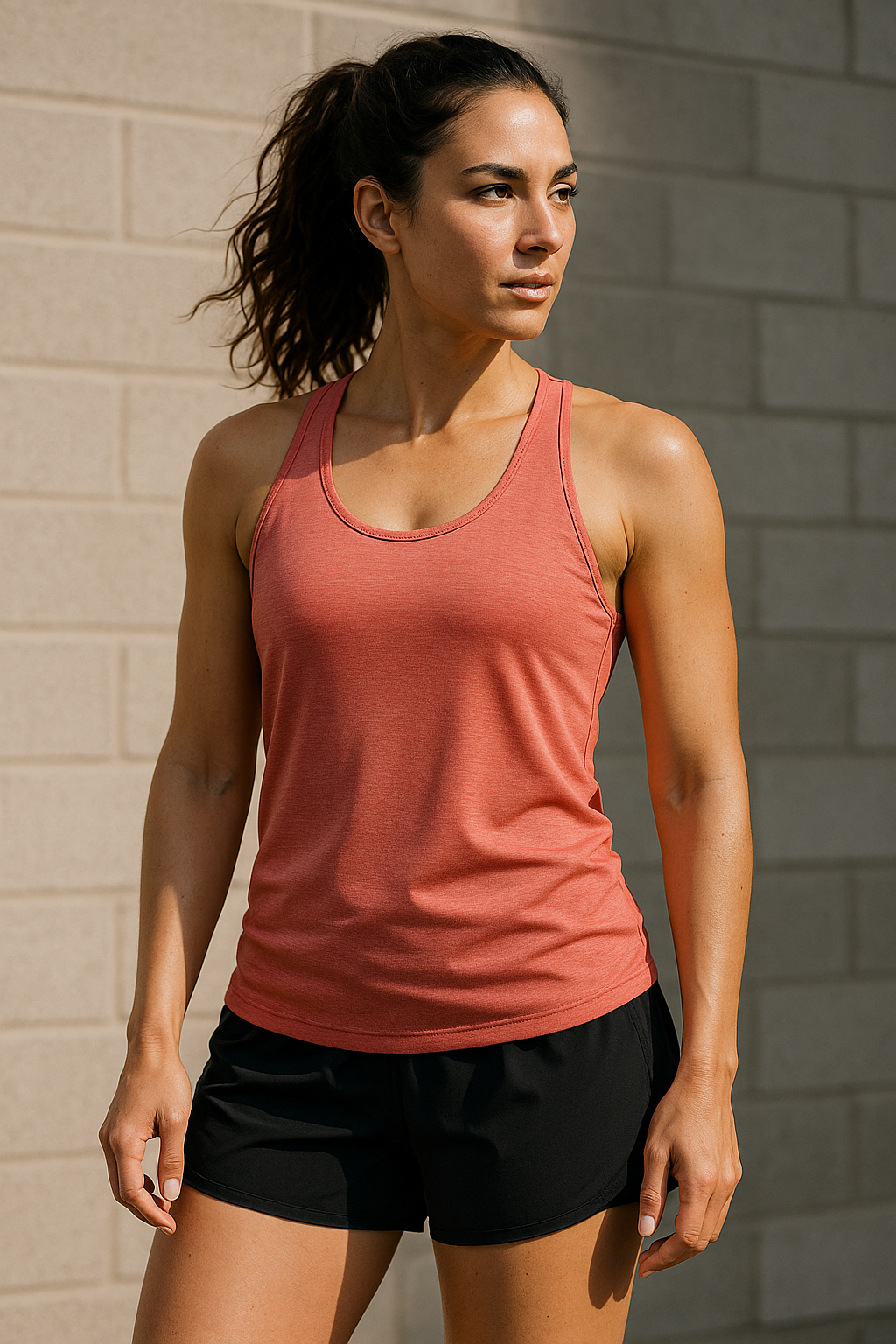
Pilates and yoga have moved from niche studio classes to everyday essentials for people who want to feel stronger, move better, and decompress without punishing their joints. Both are low-impact, adaptable, and easy to scale—whether you’re easing back into training, balancing a busy workweek, or simply looking for a smarter way to build consistency. That popularity also explains a common dilemma: when you’re choosing one practice to commit to, how do you decide between them?
If your goal is the ultimate mind-body balance, pilates vs yoga can feel like a trick question. On the surface, they share a lot: controlled movement, attention to alignment, breath awareness, improved flexibility, and strength that doesn’t rely on heavy loads. Many people try one class, enjoy it, then wonder if the other option would be “better” for posture, core strength, stress, or back comfort. The truth is that both can be excellent—just in different ways, and often for different reasons.
This guide is here to make that choice easier. We’ll compare how Pilates and yoga differ in focus, movement style, equipment, and the mental side of training. We’ll also look at how each practice tends to support common goals like improving posture, building a more stable core, increasing range of motion, and staying active with fewer aches. If you’re a desk worker dealing with stiffness, an active person who wants better control and balance, or someone returning from a setback, understanding the differences can help you pick a path that fits your body and your schedule.
Why the comparison matters for everyday movement
The best exercise is the one you’ll do consistently, but consistency is easier when your training matches your needs. Some people want a structured, technique-driven session that targets deep stability and control. Others want a practice that blends movement with stillness and helps quiet a busy mind. And many want both—strength that supports daily life, plus a routine that reduces tension from long hours sitting, scrolling, or commuting.

Women's Posture Shirt™ - Black
Improves posture and provides relief with patented Neuroband™ technology.
In the next sections, we’ll break down what sets Pilates and yoga apart, where they overlap, and how to choose based on your goals—whether that’s core stability, flexibility, stress management, or a more resilient body that moves well day after day.
Core focus and philosophy: control vs connection
The biggest difference in pilates vs yoga is what each method prioritises. Pilates is built around controlled, precise movement with a strong emphasis on the “powerhouse”—the deep abdominal muscles, pelvic floor, diaphragm, and stabilisers around the spine and hips. In practice, that means you spend a lot of time improving how you position your ribs, pelvis, and shoulder blades so your body can produce force without compensating. This is one reason Pilates is frequently used in rehabilitation settings and by people who want to improve posture and movement efficiency.
Yoga, on the other hand, is typically taught as a holistic practice that blends physical postures with breathwork and mindful attention. While modern yoga classes can be very fitness-focused, the tradition includes a philosophical component that encourages self-awareness and mental steadiness. For many people, yoga feels less like “training a muscle” and more like training the nervous system to downshift—especially in slower styles that prioritise breathing, relaxation, and longer holds.
Movement style: repetitive strength work or poses and flow
Pilates sessions often use repeated, dynamic patterns that challenge stability while the limbs move—think leg circles, controlled roll-downs, and bridging variations. The goal is not to rush, but the pace can feel more continuous and “workout-like,” especially in mat classes that link exercises together. Because the movements are consistent and measurable, it can be easier to track progress in strength, control, and endurance over time.
Yoga movement varies widely depending on the style. Some classes focus on holding poses for longer periods to build strength and mobility in end ranges. Others, such as Vinyasa, link poses into flowing sequences that raise the heart rate and challenge coordination. At the other end of the spectrum, restorative yoga and Yoga Nidra are designed to be deeply calming, using stillness and guided relaxation to reduce stress and improve recovery.
Equipment and environment: reformers vs a simple mat
Pilates is often associated with equipment—especially the reformer, which uses springs for adjustable resistance. Apparatus-based Pilates can be helpful for alignment because it provides feedback: the carriage, straps, and footbar guide your range of motion and can make it easier to feel which muscles should be working. It also allows you to scale exercises up or down without adding impact, which is useful if you’re rebuilding strength after time off or managing recurring aches.
Yoga is more minimal by design. A mat is usually enough, with optional props like blocks, straps, bolsters, or blankets to make poses more accessible or comfortable. This simplicity is a major reason yoga is easy to practise at home or while travelling. It also makes it easier to build a short daily routine—five to ten minutes of mobility and breathwork can still feel meaningful.
Mental and spiritual elements: focus and injury prevention vs meditation
Both practices train attention, but they do it differently. Pilates uses concentration as a tool for quality control: you’re constantly refining alignment, breathing, and timing to reduce compensation. That body awareness can translate into better movement habits outside the studio—like bracing your trunk when lifting, sitting with less collapse through the spine, or walking with more hip stability.
Yoga tends to place a stronger emphasis on meditation and stress reduction. Breathwork (often taught as pranayama) is used to regulate the nervous system, and many classes include moments of stillness that encourage reflection. For people who carry tension in the neck, shoulders, jaw, or lower back during busy weeks, that mental component can be just as valuable as the physical work.
Physical benefits and suitability: what your body may notice first
Pilates is well known for building deep core strength and improving posture—often felt as better support through the lower back, more stable hips, and stronger glutes. Because it targets control and alignment, it can be a smart option if your goal is to move with less strain during everyday tasks, especially if you sit for long periods and feel stiff through the hip flexors or upper back.
Yoga often stands out for improving flexibility, balance, and overall range of motion. Many people notice freer shoulders, looser hamstrings, and improved balance in single-leg positions. It can also support whole-body wellness by pairing movement with recovery-focused habits, which may help you feel less “wired” and more resilient over time.

Men's Posture Shirt™ - Black
Posture shirt for men that improves posture and can relieve pain and tension.
Injury risk: low-impact doesn’t mean risk-free
Both are generally low-impact, but the risk profile differs. Pilates is typically rehab-oriented and can be scaled with small ranges of motion, which may reduce strain when you’re returning from injury. Yoga is also low-impact, but advanced poses and aggressive stretching can be risky if you push beyond your current mobility or load the spine in compromised positions. Whichever you choose, prioritise good instruction, gradual progression, and a version of the practice that matches your body today—not the one you think you “should” be doing.
Combining pilates vs yoga for a more complete routine
If pilates vs yoga feels like an either-or decision, it may help to reframe the question: what if each practice covers a different part of the same goal? Pilates tends to build the “support system” that keeps your spine and hips stable under load—useful if you sit a lot, lift children, train in the gym, or want fewer flare-ups from poor posture. Yoga, meanwhile, often improves mobility and helps you shift out of stress mode through breath and downregulation. Together, they can create a balanced approach that supports strength, flexibility, and recovery without high impact.
A simple way to integrate both is to assign them different roles in your week. Pilates can be your structured strength-and-control session (for example, 2–3 times weekly), while yoga can be your mobility and nervous-system reset (1–3 times weekly). This split also reduces the temptation to force flexibility before you have the stability to control it—one of the most common reasons people feel “loose” but still achy.
How to build a hybrid plan that matches your goals
The most effective routine is one you can repeat. Instead of trying to do everything at once, choose a primary goal and let the second practice support it:
- If you want better posture and fewer desk-related aches: prioritise Pilates for core endurance and scapular control, then add short yoga sessions to open the hips and chest and reduce tension.
- If you want flexibility without feeling unstable: use Pilates to strengthen deep stabilisers around the spine and pelvis, then practise yoga with props and controlled ranges rather than pushing end-range stretches.
- If stress is your main issue: keep Pilates sessions moderate and technique-focused, and use yoga (especially slower styles) for breathwork, longer holds, and relaxation.
In practice, a “hybrid” session can be as simple as 20 minutes of mat Pilates (core, glutes, spinal control) followed by 10 minutes of yoga (gentle hip opening, thoracic rotation, and a calm breathing finish). This approach gives you measurable strength work and a clear recovery component in one block of time.
What research and coaching experience suggest
Across studies and real-world coaching, both methods are consistently linked to improvements in balance, body awareness, and movement quality when practised regularly. Pilates is often highlighted for its usefulness in rehabilitation and for building trunk stability, while yoga is frequently associated with stress reduction and improved range of motion. The practical takeaway is that consistency matters more than the label: a well-taught beginner class done weekly will typically outperform an “ideal” plan you cannot sustain.
To keep progress steady and reduce injury risk, apply the same principles to both practices: start with accessible variations, increase difficulty gradually, and treat discomfort as information—not a challenge to push through. If you have osteoporosis, recurring back pain, or a history of joint instability, choose classes that emphasise alignment and controlled progressions, and avoid aggressive stretching or advanced spinal loading until you have professional guidance.
Choosing what to start with
If you only want to pick one to begin, use your current needs as the deciding factor. Pilates is often the easiest entry point if you want a structured system for core strength, posture, and controlled movement. Yoga may be the better first step if you want a practice that combines movement with relaxation and can be done almost anywhere with minimal equipment. Either way, you can reassess after 4–6 weeks: if you feel stronger but still stiff, add yoga; if you feel more mobile but still unstable, add Pilates.
Frequently Asked Questions
Which is better for beginners, pilates or yoga?
Both are beginner-friendly. Pilates often feels more structured because exercises are taught with specific alignment cues and repeatable progressions. Yoga offers a wider range of class styles, so beginners may benefit from starting with gentle, beginner, or alignment-focused sessions rather than fast-paced flows.
Can pilates or yoga help with chronic pain?
Yes, both can support pain management when taught appropriately. Pilates is commonly chosen for back discomfort because it emphasises trunk stability, posture, and controlled strengthening. Yoga can be helpful when pain is linked to stress, tension, or limited mobility, especially in slower classes that prioritise breathwork and gradual range of motion. If pain is persistent or severe, consult a qualified healthcare professional before starting.
Is special equipment necessary for pilates or yoga?
Not necessarily. Pilates can be done on a mat with no equipment, although reformers and other apparatus are often used to add resistance and provide alignment feedback. Yoga typically requires only a mat, with optional props like blocks, straps, or bolsters to make poses more accessible and comfortable.
How do I choose between pilates and yoga for my fitness goals?
Match the practice to your primary goal. Choose Pilates if you want core strength, improved posture, and a rehab-friendly approach to building control. Choose yoga if you want flexibility, balance, and a stronger focus on relaxation and mindfulness. If you want both stability and stress reduction, combining pilates vs yoga in a weekly routine is often the most practical solution.
Källor
- Fit Reisen. (n.d.). "Yoga vs. Pilates: Die wichtigsten Unterschiede."
- Kübler Sport. (n.d.). "Unterschied Yoga & Pilates."
- Premium Medical Circle. (n.d.). "Pilates vs. Yoga: Welches Training passt zu Ihnen?"
- Akademie für Sport und Gesundheit. (n.d.). "Vergleich Yoga & Pilates."
- Lotuscrafts. (n.d.). "Yoga und Pilates: Unterschied."
- Vela Pilates. (n.d.). "Was ist der Unterschied zwischen Yoga und Pilates?"
- XTRAFIT. (n.d.). "Yoga vs. Pilates."
- 4F Store. (n.d.). "Pilates und Yoga: Was ist der Unterschied und was solltest du wählen?"