Runner's knee has a way of sneaking up on you. One week you’re stacking miles and feeling strong; the next, there’s a nagging ache at the front of the knee that flares on hills, stairs, or the moment you drop into a squat. If that sounds familiar, you’re not alone. Runner's knee is one of the most common overuse issues in runners and active people, and it can affect anyone who repeats knee-bending movements—running, hiking, gym sessions, even long walks.
What runner's knee is (and what it feels like)
Runner's knee is often used to describe patellofemoral pain syndrome (PFPS). In simple terms, it’s pain around or behind the kneecap where the patella and the thigh bone interact during movement. The discomfort is typically dull or aching rather than sharp, and it tends to show up when the knee is under load—think running downhill, climbing stairs, lunging, squatting, or standing up after sitting for a while. Some people also notice mild swelling, a grinding sensation (crepitus), or a feeling that the knee is “not tracking right,” even if it doesn’t actually give way.
Why it happens: common triggers and underlying causes
Runner's knee rarely comes from one dramatic moment. More often, it’s a slow build caused by a mix of training load and mechanics. Overuse is the obvious culprit: repeating the same movement pattern without enough recovery can irritate the structures around the kneecap. But the bigger story is usually how forces travel through your leg.
Muscle imbalances and control issues—especially around the hips and thighs—can change how the knee aligns when you land and push off. Poor biomechanics can add extra stress to the patellofemoral joint, particularly if your stride encourages heavy braking forces or your alignment causes the kneecap to track less smoothly. Tightness through the hips or outer thigh can contribute too, nudging the knee into positions it doesn’t love during repetitive motion.
The real impact on training and everyday life
Beyond the physical discomfort, persistent knee pain can quietly reshape your routine. You may shorten runs, avoid stairs, skip strength work, or lose confidence in your stride. That stop-start cycle can be frustrating—and it can make it harder to stay consistent with the activities that support both fitness and mental wellbeing. The good news is that runner's knee is often manageable with the right approach, and understanding what’s driving your symptoms is the first step toward lasting relief.
What actually causes runner's knee
Runner's knee is often described as “overuse,” but that label can be misleading. Overuse is usually the final straw, not the full story. The pain tends to build when the kneecap (patella) is exposed to more stress than the surrounding tissues can tolerate—often because the leg isn’t absorbing and distributing force efficiently.
Biomechanics that increase stress at the kneecap
Small form habits can meaningfully change how much load ends up at the front of the knee. A common example is overstriding, where your foot lands too far in front of your body. This creates a braking force and can increase stress through the patellofemoral joint. Another frequent contributor is a low running cadence. Many runners with persistent symptoms naturally sit below 170 steps per minute, which can increase the load per step. You don’t need to chase a perfect number, but gradually nudging cadence upward (without sprinting) often reduces knee strain by shortening stride length.
Tightness can also influence alignment. Tight hip flexors may limit hip extension and change how you load the knee, while a stiff iliotibial (IT) band and outer-thigh tissues can pull the leg into positions that encourage the knee to drift inward during landing.
Muscle imbalances and control issues
Strength is important, but control is the real goal. In many cases, runner's knee is linked to weakness or poor activation in the hip abductors (which help keep the pelvis level) and the quadriceps (which help guide the kneecap during knee bend). Some estimates suggest 70–80% of cases involve these types of imbalances. When the hip can’t stabilize well, the pelvis may drop and the knee may collapse inward (knee valgus) during single-leg loading—exactly what happens with running.
External influences that can tip you over the edge
Footwear and terrain matter because they influence how force travels up the chain. Shoes that are overly worn, unsupportive, or mismatched to your foot mechanics can amplify stress. Hard cambered roads, lots of downhill running, and sudden increases in hill work can also irritate the kneecap area. Finally, repetitive deep knee-bending outside of running—like high-volume squats, lunges, or stair climbing—can keep the joint irritated even if you’ve reduced your mileage.
Self-assessment: simple tests you can do at home
Self-tests can’t replace a professional diagnosis, but they can reveal patterns that commonly go with runner's knee.
- Single-leg squat: Stand on one leg and slowly squat a few inches. Watch for the knee drifting inward, the arch collapsing, or the pelvis dropping on the opposite side.
- Step-down test: Stand on a step and slowly lower one heel toward the floor. Pain around/behind the kneecap plus visible knee valgus can point toward patellofemoral overload.
- Forward step-down: This mimics stair descent. If pain is centered around the kneecap (rather than sharply at the tendon just below it), it may help differentiate runner's knee from conditions like jumper’s knee.
Also pay attention to everyday clues: pain after sitting with bent knees, discomfort on stairs, mild swelling, or crepitus during knee bend can all fit the pattern.
Conservative treatment that usually works
Most people improve without invasive treatment, especially when they address both irritation and mechanics.
Start with the RICE approach
In a flare-up, use rest (reduce painful volume), ice for short-term symptom relief, compression to manage swelling, and elevation when the knee feels puffy or hot. The goal is to calm sensitivity so you can rebuild capacity—not to stop moving completely.

Lumbar support belt
Provides adjustable lower back support and relief during daily activities.
Physical therapy principles: strengthen and re-train
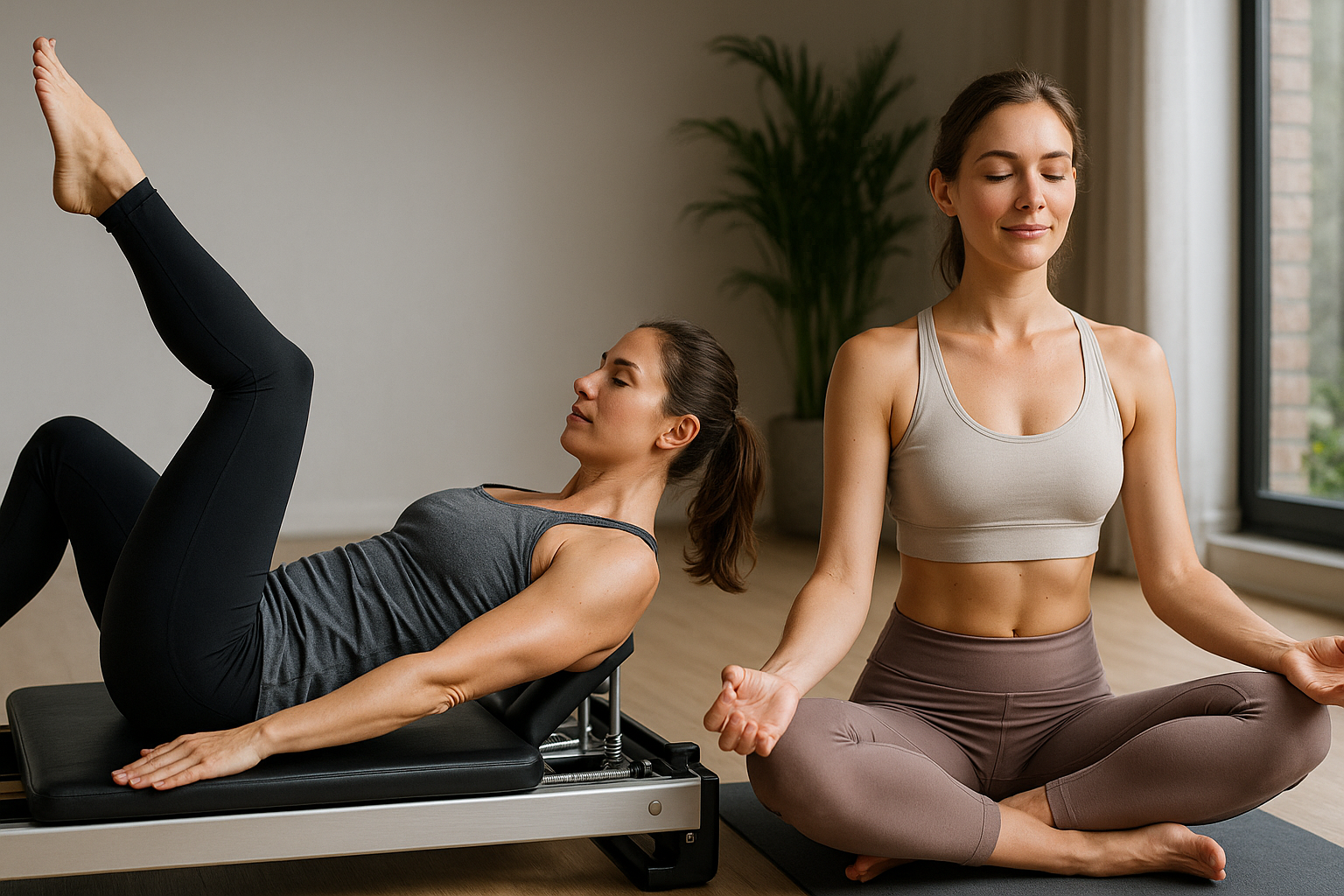
Effective rehab usually targets the hips and thighs. Priorities often include hip abductor strength (for pelvic control), quadriceps strength (for kneecap guidance), and gradual exposure to knee-bending tasks. Pair strengthening with mobility work for the hip flexors, calves, and outer-thigh tissues to improve alignment and reduce compensations.

Women's Posture Shirt™ - Black
Patented shirt activates muscles and improves posture during daily or active use.
Orthotics, taping, and supportive gear
If your foot mechanics contribute—such as overpronation—orthotic insoles can help by improving alignment and reducing stress transmitted to the knee. Knee taping and some braces may also provide short-term relief by improving comfort and changing how the patella tracks during movement. These tools work best when they support an active rehab plan rather than replace it.
Advanced ways to pinpoint runner's knee triggers
If runner's knee keeps returning despite reducing training load and doing basic strengthening, the missing piece is often precision: identifying exactly where force is being lost or misdirected. This is where more advanced assessments can help you move from “general rehab” to a plan that matches your body and running style.
Gait analysis (on a treadmill or overground) can reveal patterns that are hard to feel while running—such as overstriding, excessive hip drop, or a knee that collapses inward during stance. Even small changes in these variables can increase stress around or behind the kneecap over thousands of steps.
3D foot scans and pressure mapping add another layer. They can highlight whether you overload one side, whether pressure peaks occur in the forefoot, and whether your foot tends to roll in or stay more rigid. These details matter because the foot is your first point of contact with the ground; if it is not absorbing and transferring force well, the knee often pays the price. For some runners, correcting footwear, adding supportive insoles, or adjusting lacing and fit can reduce irritation by improving how force travels up the leg.
Running and lifestyle adjustments that reduce knee stress
Rehab works best when it is paired with practical changes that lower irritation while you rebuild capacity. The goal is not to “run perfectly,” but to make running more knee-friendly.
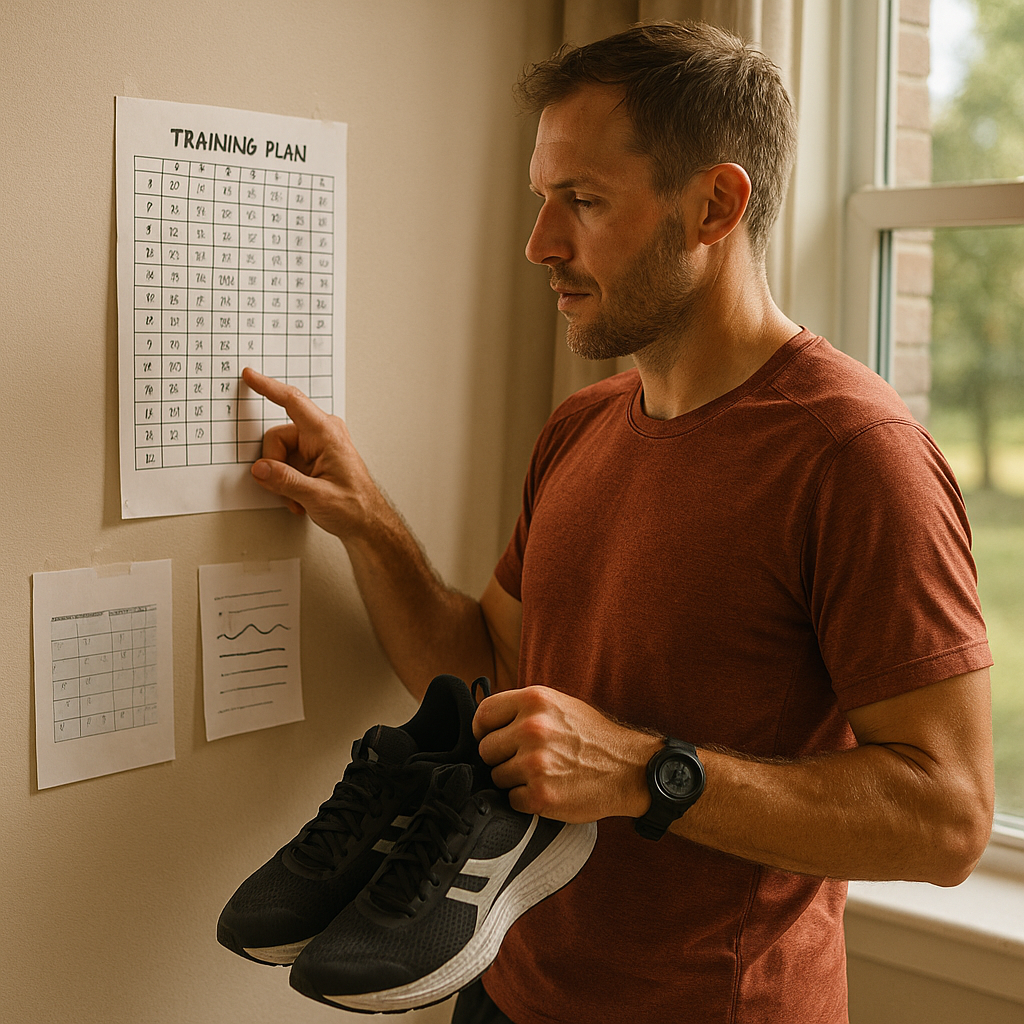
- Increase cadence gradually: If you tend to run below 170 steps per minute, a small increase (often 5–10%) can reduce overstriding and lower load per step. Use a metronome app or music with a steady beat and adjust slowly over several weeks.
- Reduce vertical oscillation: Excessive up-and-down movement can increase impact and braking. Think “run tall and quiet,” keeping your steps light and landing closer to your centre of mass.
- Choose forgiving surfaces temporarily: Flat trails, tracks, or even treadmills can be gentler than cambered roads or steep downhills during a flare-up.
- Check footwear and rotation: Worn-out shoes can change mechanics and increase stress. If symptoms started after a shoe change, consider whether the new model altered support, stiffness, or heel-to-toe drop.
Outside of running, look at what else loads the knee. High-volume squats, lunges, and stairs can keep symptoms simmering. Temporarily reducing deep knee-bending and replacing it with pain-free alternatives (like hip hinges, glute bridges, or step-ups within a comfortable range) often helps runner's knee settle faster.
Recovery and prevention for long-term results
Runner's knee usually improves when you combine symptom control with progressive strengthening and better movement quality. Consistency matters more than intensity. A simple approach is to keep a weekly routine that includes:
- Hip strength and control: Side-lying leg raises, banded lateral walks, and single-leg stability work to reduce hip drop and knee valgus.
- Quadriceps capacity: Wall sits, controlled step-downs, and split squats in a pain-free range to improve tolerance for knee bend.
- Mobility where you are tight: Hip flexor, calf, and outer-thigh mobility to support cleaner alignment.
As pain decreases, progress gradually: increase running volume first, then intensity, and add hills last. If you are prone to recurring symptoms, periodic check-ins—such as a form review or gait analysis—can catch small issues before they become another flare-up.
Frequently Asked Questions
What are the early signs of runner's knee?
Early signs of runner's knee often include a dull ache around or behind the kneecap during running, squatting, or stair use. Some people notice mild swelling, discomfort after sitting with the knee bent, or a grinding sensation (crepitus) during knee movement.
Can runner's knee be cured without surgery?
Yes. Most cases improve with conservative care such as reducing painful load, using the RICE approach during flare-ups, and following a structured strengthening plan for the hips and quadriceps. Supportive options like taping, braces, or orthotic insoles may help reduce symptoms and improve mechanics while you rebuild strength.
How long does recovery from runner's knee take?
Recovery time depends on how irritated the joint is and how long symptoms have been present. Mild cases may improve within a few weeks with consistent adjustments and rehab. More persistent or recurrent runner's knee can take several months, especially if strength, cadence, or footwear factors need to be addressed.
Are there specific exercises to prevent runner's knee?
Yes. Exercises that build hip stability and quadriceps capacity are commonly used, including banded lateral walks, single-leg balance work, step-downs, wall sits, and split squats in a comfortable range. Pair strength work with mobility for tight hip flexors and calves to support better alignment during running.
When should I see a doctor for runner's knee?
Seek medical advice if pain persists despite a few weeks of home management, if swelling is significant, if the knee feels unstable or locks, or if pain interferes with daily activities. A healthcare professional can rule out other conditions and help tailor a plan based on your specific mechanics and symptoms.
Källor
- Beitzel, K., Mazzocca, A. D., & Obopilwe, E. (2020). "Patellofemoral Pain Syndrome." StatPearls.
- Heal Praxis (2023). "Läuferknie: Ursachen und Behandlung."
- University of Florida Orthopaedics (2017). "What You Need to Know About Runner's Knee."
- Sportambulatorium Wien (2023). "Läuferknie: Ursachen und Therapiemöglichkeiten."
- North Central Surgical Center (2023). "Get the Facts About Runner’s Knee."
- Gelenk Klinik (2023). "Läuferknie und ITBS: Ursachen und Behandlung."
- Orthopedic Institute of New Jersey (2023). "What is Runner's Knee?"
- OrthoZentrum Freiburg (2023). "Läuferknie: Ursachen und Behandlung."
- The University of Kansas Health System (2023). "Runner's Knee: Causes and Treatment."
- Currex (2023). "Runner's Knee: Ursachen und Prävention."
- OrthoCarolina (2023). "Patellofemoral Pain Syndrome: What to Know."
- Physiozentrum (2023). "Läuferknie: Ursachen und Therapie."
- Florida Orthopaedic Institute (2023). "Runner’s Knee: Causes, Symptoms, and Treatment."
- DAK Gesundheit (2023). "Läuferknie: Bewegungstipps und Behandlung."
- Princeton Orthopaedic Associates (2023). "How to Recognize, Treat, and Prevent Runner's Knee."