Imagine a world where women are as strong physically as they are mentally. Strength training women can be the simplest, most effective way to unlock that potential—without chasing perfection, shrinking yourself, or living in the cardio corner forever. More women are picking up dumbbells, learning the basics of the barbell, and taking up space in the weight room, and it’s changing the conversation from “How do I look?” to “What can my body do?”
That shift matters, because weight training isn’t a niche hobby or a trend. It’s a practical tool for everyday life: carrying groceries without strain, feeling steady on stairs, protecting joints, and building a body that stays capable as the years pass. And yes, it can change your shape—but the bigger win is how it changes your confidence, posture, and resilience.
Why strength training for women isn’t about getting bulky
The most common worry is still the same: “Will I get bulky?” For most women, that fear doesn’t match reality. Muscle growth is influenced by training, nutrition, recovery, and hormones—and women typically have far lower testosterone levels than men. That doesn’t mean women can’t get strong (you absolutely can). It means the “overnight bodybuilder” look is unlikely from a sensible beginner program.
What’s far more common is a leaner, firmer look as you build muscle and improve body composition. Strength training women also tends to improve how clothes fit, how you stand, and how stable you feel in your own body—results that go beyond the mirror.
Strength training women for health, longevity and everyday comfort
Weight training is one of the most direct ways to invest in long-term health. It supports bone strength, helps maintain muscle as you age, and can make daily movement feel easier. It also has a mental side: many women describe strength training as a stress reset—something measurable and grounding in a busy week.
At Anodyne, we also see how often strength goals collide with real-life discomfort: tight hips from desk work, a cranky neck, or a lower back that complains when technique slips. The good news is that strength training can be part of the solution when it’s built on solid form, smart progression, and a setup that supports good posture—whether you train at home or in a gym.

Women's Posture Shirt™ - Black
Patented shirt improves posture, relieves pain, and activates muscles for daily comfort and work.
Next, we’ll break down the key benefits in detail and show how to start strength training for women with a simple, beginner-friendly approach.
The benefits of strength training women can feel in daily life
Strength training women isn’t only about lifting heavier over time—it’s about building a body that stays capable, stable, and resilient. When you train with resistance (dumbbells, machines, bands, or your own body weight), you give your muscles, bones, and connective tissue a reason to adapt. That adaptation shows up in everyday moments: getting up from the floor with ease, carrying bags without shoulder tension, and feeling more supported through the hips and spine.
Health and longevity: bones, muscles and aging well
One of the most important long-term reasons to start strength training for women is bone health. Bones respond to loading. When you apply mechanical stress through weight-bearing exercise, your body is encouraged to maintain or improve bone density. This matters because women have a higher lifetime risk of osteoporosis, especially after menopause when estrogen levels decline.
Strength training also helps counteract sarcopenia—age-related muscle loss. Research commonly cites that muscle mass may decline by roughly 3–8% per decade after age 30, with the rate accelerating later in life. The practical takeaway is simple: the earlier you build and maintain strength, the more “reserve” you have as you age. Even if you’re starting later, progressive resistance training can still improve strength, function, and balance.

Women's Posture Shirt™ - White
Patented shirt activates muscles, relieves tension, and supports posture for work and exercise.
Metabolic and mental health: more than calories
Strength training women supports metabolic health in several ways. Building lean mass can increase the amount of energy your body uses at rest, and resistance training can improve insulin sensitivity—how effectively your body handles glucose. For many women, that translates to steadier energy, easier weight management, and better support for long-term heart and metabolic health.
The mental benefits are just as real. Many women report that lifting helps reduce stress and improves mood, partly through endorphin release and partly through the confidence that comes from measurable progress. Better sleep is another common win—especially when training is consistent but not excessive. If your days are spent sitting or working under pressure, a strength session can act like a reset button for both body and mind.
Confidence and empowerment: progress you can measure
There’s something uniquely empowering about getting stronger. You don’t need to chase a specific look to feel the impact. Adding a little weight to a lift, doing your first full push-up, or holding a plank with steady breathing are clear, objective signs that your body is adapting. That sense of capability often carries into other areas of life: posture improves, movement feels less fragile, and you start trusting your body more.
Many beginners also notice a shift in self-talk. Instead of focusing on what your body should be, you start focusing on what it can do. That mindset change is one of the most underrated benefits of strength training for women.
How to start strength training for women: a simple 2–3 day plan
If you’re new, consistency beats complexity. A full-body routine 2–3 days per week is enough to build strength and learn technique without overwhelming recovery. Aim for 5–7 movements per session, focusing on the big patterns: squat, hinge, push, pull, carry, and core stability.
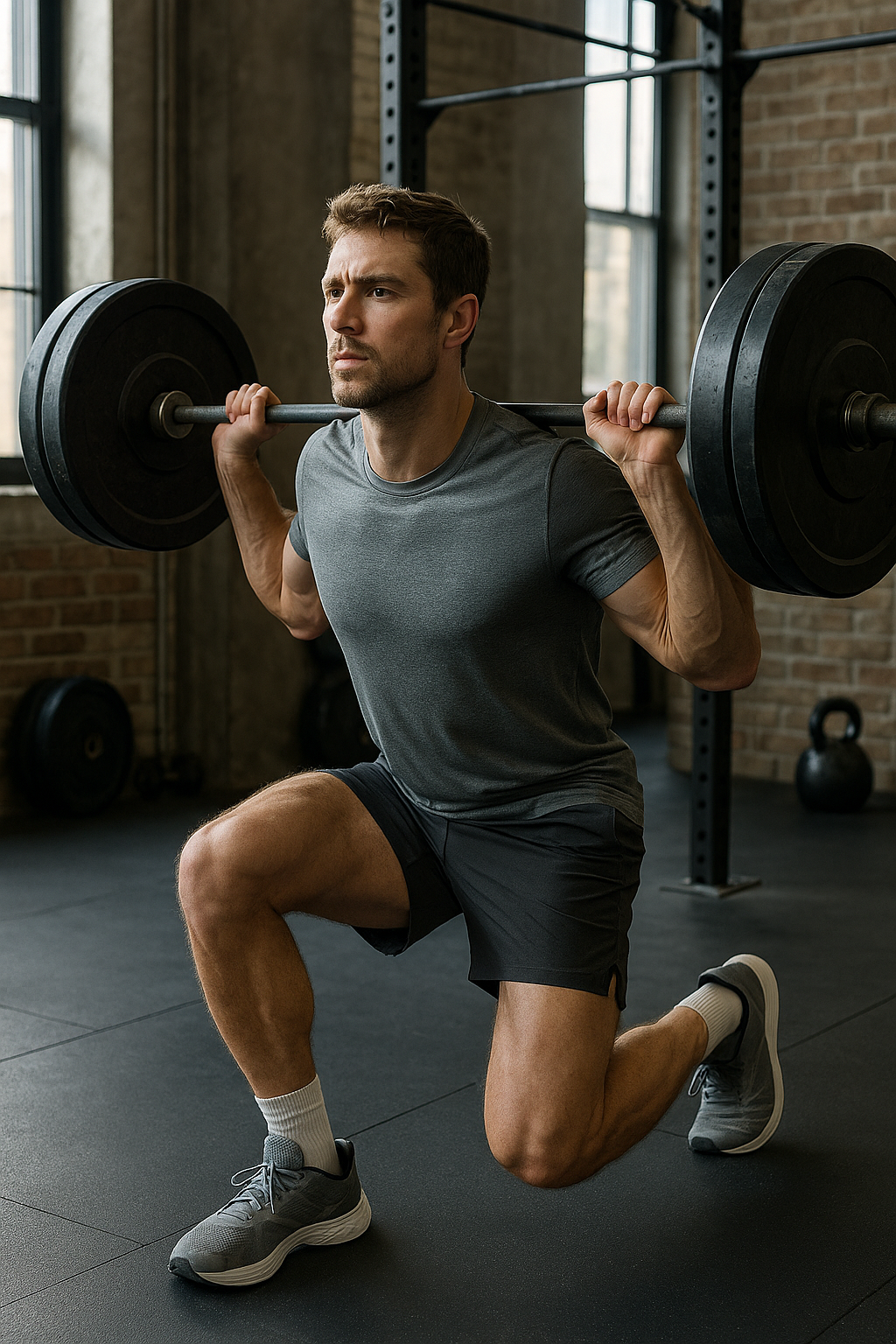
- Squat pattern: goblet squat or bodyweight box squat
- Hinge pattern: Romanian deadlift with dumbbells or hip hinge with a dowel
- Push: incline push-up or dumbbell chest press
- Pull: one-arm dumbbell row or seated cable row
- Glutes: glute bridge or hip thrust
- Core stability: dead bug or plank variation
For most exercises, start with 2–3 sets of 8–12 controlled reps. Choose a weight that feels challenging in the last few reps while still allowing good form. Rest 60–120 seconds between sets.
Progressive overload without guesswork
Your body adapts when the challenge gradually increases. That’s progressive overload, and it doesn’t have to be aggressive. One beginner-friendly method is the 2-for-2 rule: if you can complete two extra reps above your target range for the last set, for two sessions in a row, it’s a good sign you can increase the load slightly next time. Small jumps add up—and they’re easier on joints and technique.
Safety, posture and injury prevention
Good form is your foundation. Prioritise a neutral spine, controlled tempo, and stable foot pressure (think “whole foot” rather than tipping forward). If you spend many hours at a desk, you may notice tight hips, rounded shoulders, or a neck that wants to drift forward—patterns that can show up during rows, squats, and hinges.
Start by reducing range of motion until you can maintain alignment, and use tools that make good positions easier to find. For example, a supportive posture aid can act as a reminder to stay tall through the upper back, while ergonomic supports can improve comfort if you’re returning to training after a period of pain or stiffness. The goal isn’t to rely on support forever—it’s to learn better movement while staying confident and comfortable.
Nutrition and recovery basics
Strength gains require recovery. Prioritise sleep, take at least one rest day between full-body sessions, and eat enough to support training. Many active women do well with protein intake in the range of 1.4–2.0 g per kg of body weight per day, alongside regular hydration and balanced meals. If soreness is intense or your energy drops, scale back volume and build up gradually.
Overcoming barriers and building confidence in strength training women
Even when you know the benefits, starting can feel intimidating. For many beginners, the biggest barrier isn’t the program—it’s the environment. If the weight room feels overwhelming, give yourself permission to start smaller and build confidence step by step. Strength training women is a skill, and skills get easier when you reduce friction.
If you feel gym anxiety, begin with a short home routine using bodyweight, resistance bands, or a pair of dumbbells. Practise the main movement patterns (squat, hinge, push, pull, carry, brace) in a space where you can focus without feeling watched. When you do go to the gym, arrive with a plan written down, choose a quiet corner, and keep your first sessions simple. Headphones can help you stay focused, and a training partner can make the experience feel safer and more enjoyable.
Confidence also comes from knowing what “good” feels like. Use slow reps and controlled pauses to learn positions—especially in hinges and rows where posture can drift. If you tend to round your upper back or push your head forward (common after long desk days), supportive gear can be useful as a comfort tool and a reminder to stay tall. The aim is not to depend on support, but to reduce fear of pain while you build strength and technique.
Creating a supportive setup at home and at work
Your training environment matters more than most people think. A safe home setup doesn’t require a full gym, but it does require stability and space to move well. Choose a non-slip surface, clear enough room to hinge and squat without rushing, and keep a chair or wall nearby for balance if needed. Good lighting and a mirror (or phone video) can help you check alignment.
Just as important: what happens between workouts. If you sit for hours with rounded shoulders and a flexed spine, those positions can show up under load. Consider your workstation as part of your training plan. Adjust your chair height so feet are supported, keep screens at eye level, and take short movement breaks. When your daily posture improves, strength training women often feels smoother—especially in exercises that require a stable ribcage, shoulder position, and braced core.
Tailoring strength training women to different life stages
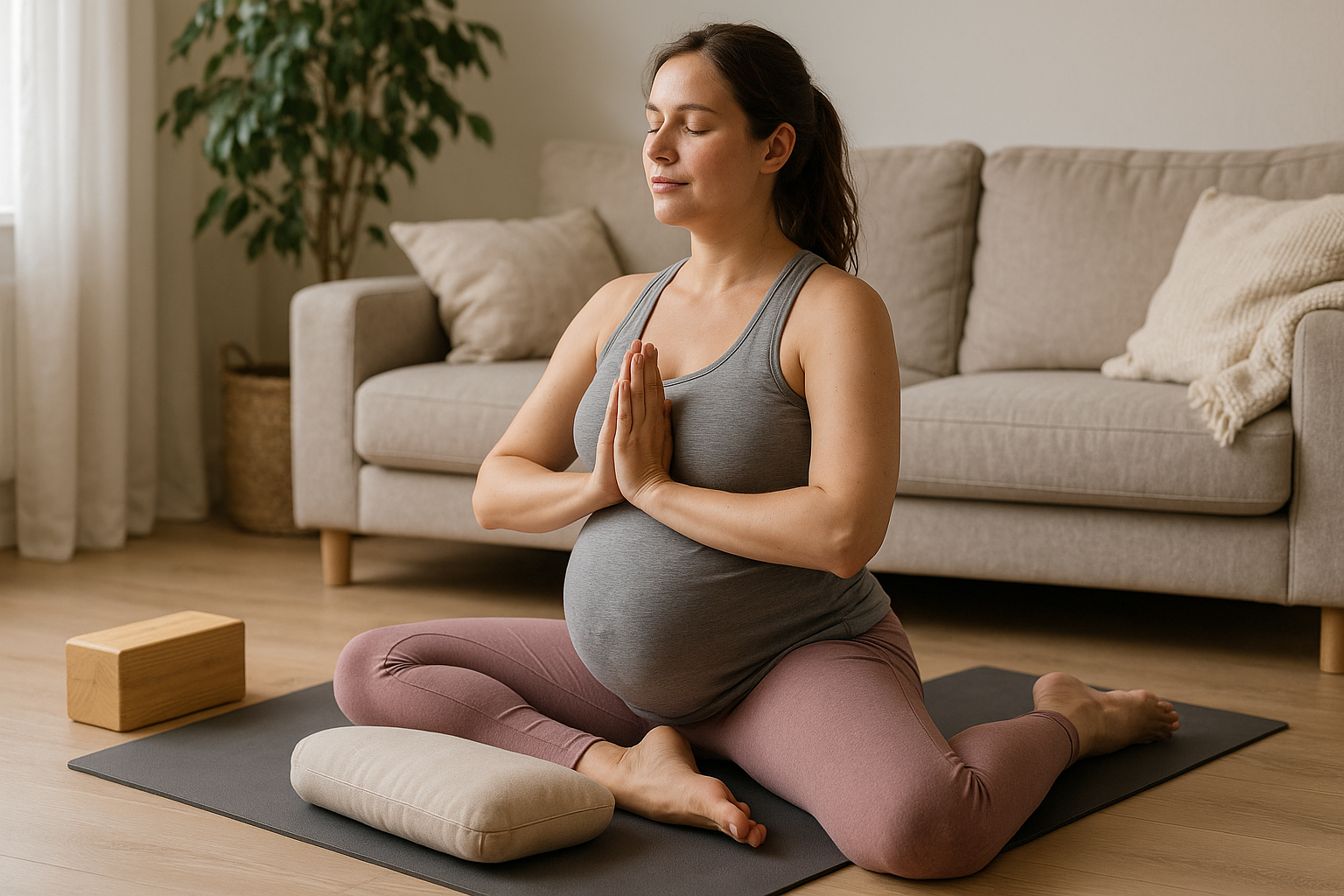
Strength training can be adapted to nearly any stage of life, but the “best” approach depends on recovery, hormones, and joint tolerance. During pregnancy, many women can continue training with appropriate modifications and medical guidance. Priorities often shift toward breathing, pelvic floor function, and controlled strength work rather than maximal loads. Common adjustments include reducing intensity, widening stance for comfort, avoiding positions that feel unstable, and focusing on quality of movement.
After menopause, strength training women becomes even more valuable for maintaining bone density, muscle mass, and balance. At the same time, recovery may take longer, and joints may feel more sensitive. A practical approach is to keep sessions consistent (2–3 times per week), use controlled tempo, and progress in small steps. Exercises that build lower-body strength (squats to a box, step-ups, hinges), pulling strength (rows), and core stability (dead bug variations, carries) support everyday function and fall prevention.
If you are short on time, remember that effective training does not have to be long. Two full-body sessions of 30–40 minutes can be enough when you focus on compound movements, keep rest periods reasonable, and track progression. Consistency is the multiplier.
Frequently Asked Questions
Will strength training make me bulky?
For most women, no. Significant “bulking” typically requires years of high-volume training, very heavy lifting, and a calorie surplus. Strength training women usually leads to improved body composition: more lean mass, better muscle tone, and often a firmer look—without dramatic size increases.
How often should I train?
Start with 2–3 full-body sessions per week, with at least one rest day between sessions. As you build tolerance and confidence, you can add volume gradually (more sets, an extra day, or slightly heavier loads) as long as recovery stays good.
Can I strength train with back or neck pain?
Often yes, but it depends on the cause. If you have persistent or sharp pain, consult a qualified healthcare professional before starting. When you do train, use low-impact variations, reduce range of motion, and prioritise neutral alignment and controlled tempo. Supportive ergonomic aids can improve comfort and help you maintain better posture while you rebuild strength.
What’s the best way to track progress?
Use a simple workout log (weights, reps, sets, and how the session felt). You can also track progress with photos, how clothes fit, or performance goals such as deeper squats with good form or more stable push-ups. If available, body composition scans can provide additional data, but consistency in training is the most important metric.
How does strength training affect older women?
It supports muscle maintenance, bone health, balance, and independence. Older beginners should start conservatively, focus on technique, and progress slowly. Joint-friendly options (box squats, step-ups, machine rows, carries) and steady routines can reduce injury risk while building strength that carries into daily life.
Källor
- Results Gym Alexandria. (2023). "Strength Training for Women: Complete Guide."
- Lafayette Family YMCA. (2023). "Strength Training for Women."
- University Hospitals. (2024). "The Unique Benefits of Strength Training for Women."
- ACE Fitness. (2023). "4 Myths About Strength Training for Women."
- Castle Hill Fitness. (2023). "Women & Heavy Weight Lifting: Facts & Benefits."
- Nourish Move Love. (2023). "7 Best Strength Training Exercises for Women."
- National Center for Biotechnology Information. (2017). "Strength Training for Women: Research Article."
- Northwestern Medicine. (2023). "Women Who Lift."
- UCHealth. (2023). "What Women Need to Know About Strength Training."
- Women's Health Magazine. (2023). "Strength Training for Beginners."