Yoga has been on an upward curve for years, but in 2026 it’s increasingly seen as more than a class you attend a couple of times a week. For many, yoga exercises have become a flexible toolkit: a way to move better, breathe deeper, and reset the nervous system in the middle of an overbooked day. The shift is clear in how people practice—less “perfect pose” and more personalised, functional movement that supports real bodies and real schedules.
This change also reflects what many of us are asking from wellness right now: something that improves physical capacity without adding pressure. Short sessions, mobility-focused flows, and gentler somatic styles are gaining attention because they meet you where you are. Some days that means energising movement; other days it means downshifting, recovering, and sleeping better. Either way, yoga can be both training and restoration—without needing a complete lifestyle overhaul.
Why yoga fits modern daily life
Daily life is often built around screens, sitting, and stress. That combination can show up as tight hips, rounded shoulders, a stiff neck, and a mind that struggles to switch off. Yoga exercises can help counterbalance this by combining joint-friendly movement with breathwork and focused attention. Even a few minutes can make a difference in how you sit, how you walk, and how you handle pressure—because posture, breathing, and stress response are closely connected.

Men's Posture Shirt™ - Black
Supports posture, relieves pain, and activates muscles; ideal for work or training.
For desk workers in particular, the most useful approach is often ergonomic yoga: simple positions and movements designed to work with your environment, not against it. Think of it as “office-proof” yoga—practices that help reduce tension from long sitting, support better alignment, and encourage regular micro-breaks that are actually realistic on a busy day.
What you’ll get from this guide
In the rest of this post, you’ll find a practical, trend-aware take on yoga in 2026. We’ll look at why functional movement is showing up in yoga spaces, how trauma-aware somatic approaches are influencing the way people move and recover, and how short routines can still deliver meaningful benefits.
Most importantly, you’ll get approachable yoga exercises you can use in everyday settings—especially if you spend hours at a desk. Expect options that lean restorative for recovery, breath-led for energy and clarity, and mobility-focused for the places your body tends to hold tension. The goal isn’t to chase intensity; it’s to find a flow you’ll return to, because it genuinely improves your day.
Yoga in 2026: trends that shape how we move
In 2026, yoga is increasingly influenced by two needs that can seem opposite, but actually work well together: moving with more purpose and recovering with more care. That’s why many modern yoga exercises look less like a fixed sequence you “perform” and more like a set of tools you choose from—depending on whether your body needs mobility, strength, calm, or a quick reset between meetings.
Functional movement yoga
Functional movement yoga is one of the clearest shifts. Instead of only holding classic shapes, the practice often includes controlled transitions, joint circles, and strength-focused positions that translate to everyday movement. Think of it as yoga that supports how you actually live: reaching overhead without shoulder pinching, squatting with better ankle mobility, or rotating your spine without feeling “stuck.”
This approach is especially useful if you train in other ways (running, strength training, team sports) because it helps balance repetitive patterns. Functional sequences often emphasise:
- Mobility with control (slow, intentional ranges of motion rather than forcing flexibility)
- Stability (supporting hips, shoulders, and core so movement feels safer)
- Injury prevention habits (warming up joints and tissues in a structured way)
The result is a practice that can feel athletic without being exhausting—and that’s a big reason it fits into short sessions.
Trauma-aware somatic yoga
At the same time, trauma-aware somatic yoga is becoming more mainstream. The focus here is not on “deep stretching” or pushing through discomfort. It’s on gentle, choice-led movement that helps the body feel safe enough to release tension. In practical terms, that can mean slower pacing, fewer hands-on adjustments, and more emphasis on internal cues like breath, pressure, and sensation.
Somatic approaches often use small movements (rocking, rolling, subtle spinal waves) to downshift the nervous system. For many people, this makes yoga exercises feel more accessible on high-stress days, because the goal is regulation rather than performance.
Ergonomic yoga exercises for desk workers
If you sit for long stretches, your body tends to adapt to that position: hip flexors shorten, glutes “switch off,” the upper back rounds, and the neck and jaw work overtime. Ergonomic yoga targets these patterns with movements that fit the environment you’re in—no outfit change, no long warm-up, and no need to get sweaty.
Common benefits include less stiffness through the spine and hips, improved posture endurance (not “perfect posture,” but posture you can maintain), and a calmer baseline when stress builds during the day.

Women's Posture Shirt™ - Black
Improves posture, relieves tension and pain, and is ideal for work, training or leisure.
Legs up the wall (restorative reset)
How to do it: Sit next to a wall, then swing your legs up as you lower your back to the floor. Scoot your hips as close to the wall as comfortable. Let your arms rest by your sides, palms up.
Why it helps: This pose is a simple recovery tool that many people use for 5–10 minutes in the evening to unwind. It can feel especially good after long sitting or a day with heavy screen time, because it encourages stillness and a “switching off” effect.
Make it ergonomic: Place a folded blanket under your hips if your lower back feels flat or strained.
Breath of fire (quick energy and clarity)
How to do it: Sit tall on a chair with both feet grounded. Inhale gently, then begin short, rhythmic exhales through the nose while the belly pumps in and out. Keep the chest relatively quiet. Start with 15–30 seconds, then rest.
Why it helps: This breathing technique is often used when you want a clean mental reset without caffeine. It can feel invigorating, which is useful before a presentation, a workout, or the afternoon slump.
Important: Skip this if you feel dizzy, are pregnant, or have uncontrolled high blood pressure. When in doubt, choose slow nasal breathing instead.
Somatic mobility moves you can do at your desk
- Seated spinal wave: On an inhale, gently arch and lift the chest; on an exhale, round and soften. Move slowly for 6–8 breaths.
- Shoulder rolls with breath: Inhale as shoulders lift, exhale as they roll back and down. Repeat 8–10 times to reduce upper-trap tension.
- Seated hip opener: Cross one ankle over the opposite knee, sit tall, and hinge forward slightly until you feel a mild stretch. Hold 5 slow breaths per side.
How to fit yoga into a busy day
The easiest way to stay consistent is to match the practice to the moment. Try a 2-minute mobility break between tasks, a 5-minute functional flow before training, or legs up the wall as a nightly “done for the day” signal. If you keep yoga exercises short and specific—neck and shoulders after emails, hips after commuting, breathwork before a difficult conversation—you’re more likely to return to them, and that’s where the real benefits build.
Yoga exercises for specific needs
One of the most useful shifts in 2026 is that yoga is increasingly adapted to real-life phases and goals. Instead of forcing the same practice every day, many people build a small menu of yoga exercises that match what their body is dealing with—hormonal changes, training load, sleep debt, or simple stress accumulation.
Menopause yoga: steadier energy, better recovery
Menopause can affect sleep, temperature regulation, mood, and joint comfort. Yoga does not “fix” hormonal change, but it can support the systems that often feel disrupted: the nervous system, breathing patterns, and the way the body handles tension. A menopause-friendly approach typically prioritises consistency over intensity.
- Cooling, steady breathwork: Slow nasal breathing (for example, a longer exhale than inhale) can help when you feel wired or restless.
- Hip and thoracic mobility: Gentle lunges, supported bridges, and upper-back openers can counter stiffness from sitting and reduce the feeling of being “compressed.”
- Restorative downshifts: Poses like legs up the wall or supported reclining positions can be especially useful in the evening when sleep feels fragile.
If you notice dizziness, unusual fatigue, or pain that feels sharp rather than stretchy, scale back and keep movements smaller. The goal is a practice that leaves you more regulated after you finish.
Yoga for athletes: mobility that protects performance
Athletes often benefit most from yoga exercises that build usable range of motion and control, rather than passive flexibility. When training volume is high, yoga can act as “maintenance work” for joints and tissues that get overloaded by repetition.
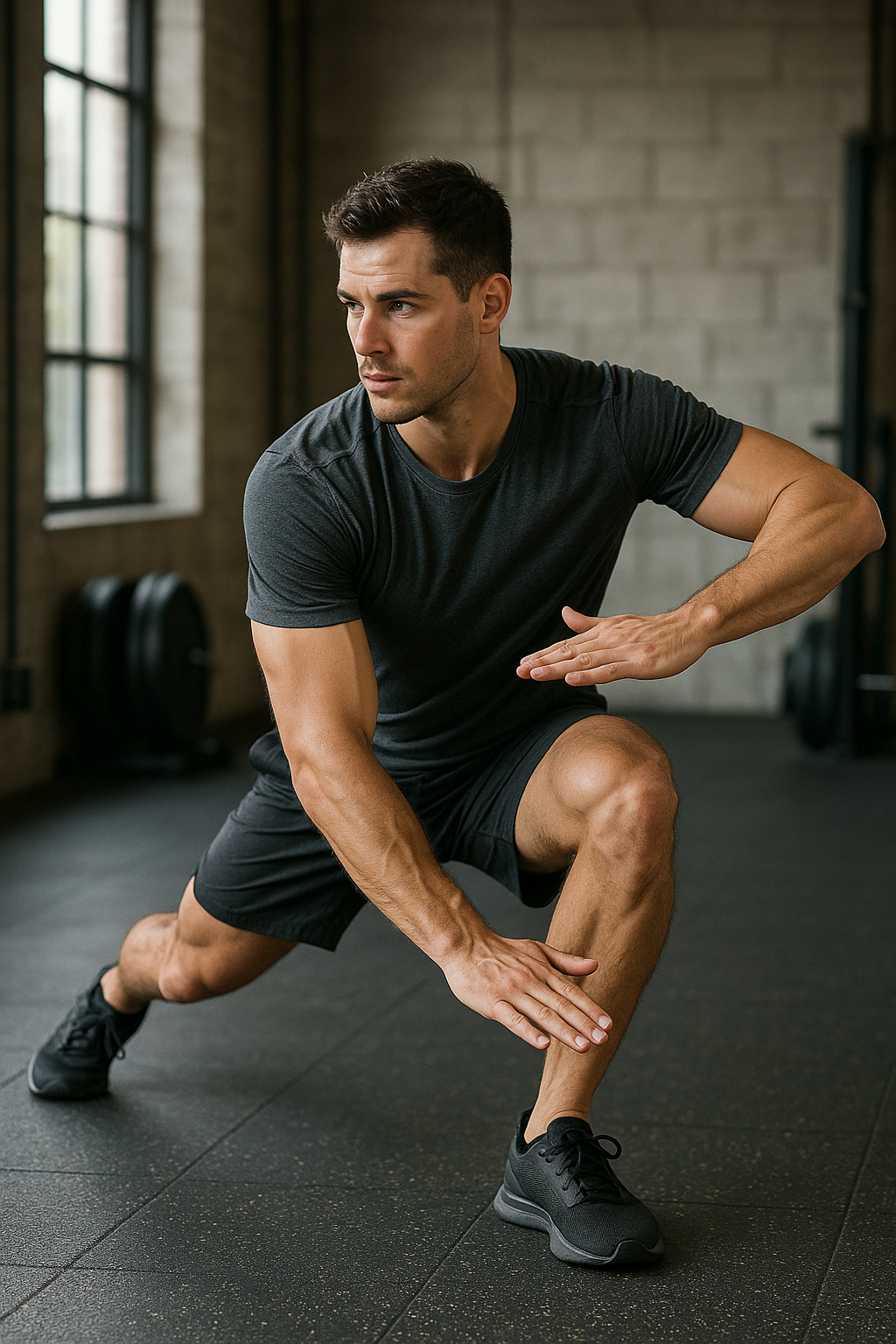
- Pre-training: Choose dynamic mobility—controlled hip circles, lunge variations with rotation, and shoulder stability work—to prepare without draining energy.
- Post-training: Use slower holds and breathing to downshift. This is where gentle hamstring, calf, and chest opening can help you feel less tight the next day.
- Injury prevention focus: Prioritise ankles, hips, thoracic spine, and shoulders. These areas often limit technique and increase compensation patterns when they are stiff.
As a simple rule: if yoga makes you sore in a way that interferes with training, it is probably too intense for the day. Aim for “better movement tomorrow,” not a stretching contest today.
The joy of intuitive yoga
Alongside functional and recovery-focused trends, there is also a cultural move toward intuitive practice: yoga that is guided by sensation, mood, and enjoyment rather than strict rules. For many people, this is what makes yoga exercises sustainable. You might do two minutes of spinal waves because your back asks for it, or choose a short floor-based sequence because it feels calming, not because it is the “perfect” routine.
Intuitive yoga still benefits from structure. Try using a simple question to choose your practice: Do I need energy, ease, or relief? Energy might mean breath-led movement; ease might mean slow mobility; relief might mean restorative poses and longer exhales. This keeps the practice personal while still purposeful.
Final thoughts
The most effective yoga exercises are the ones you actually return to. In 2026, yoga is less about fitting yourself into a style and more about choosing tools that fit your day—functional movement when you want strength and mobility, somatic pacing when you need nervous system support, and ergonomic options when work keeps you sitting for hours.
If you build a small routine library—one quick reset for the desk, one short flow for training support, and one restorative option for evenings—you can find a personal flow that boosts your day without adding pressure.
Frequently Asked Questions
What are the best yoga exercises for beginners?
Beginner-friendly yoga exercises are simple, stable, and easy to repeat. Good foundations include mountain pose (posture and breath), cat-cow (spinal mobility), child’s pose (rest and back release), low lunge (hip flexors), bridge pose (glutes and posture support), and legs up the wall (recovery). Focus on smooth breathing and comfortable ranges of motion.
How often should I practice yoga to see benefits?
Consistency matters more than duration. Many people notice benefits with 10–20 minutes, 3–5 times per week. If your schedule is tight, even 2–5 minutes of ergonomic yoga exercises during the workday can reduce stiffness and improve how you feel in your body over time.
Can yoga help with stress management?
Yes. Yoga can support stress management by combining movement with breath and attention, which helps shift the body out of a constant “on” state. Practices that emphasise slow nasal breathing, longer exhales, and gentle somatic movement are often especially effective when you feel tense, overwhelmed, or mentally fatigued.
What equipment do I need for ergonomic yoga exercises?
You can start with very little: a yoga mat or soft surface, a folded blanket or towel for support, and a chair or wall for stability. Optional props that can improve comfort and alignment include yoga blocks, a strap, and a stability ball for seated posture variation and gentle mobility work.
Källor
- Ross, A. & Thomas, S. (2010). "The Health Benefits of Yoga and Exercise: A Review of Comparison Studies." Journal of Alternative and Complementary Medicine.
- "9 Benefits of Yoga." (n.d.). Johns Hopkins Medicine.
- "A New Understanding of the Power of Yoga." (2023). UCLA Health.
- "Yoga for Health: What the Science Says." (2021). National Center for Complementary and Integrative Health.
- "Yoga Isn’t Just for Flexibility: It May Also Protect Brain Health." (2025). American Heart Association.
- Gunnars, K. (2018). "13 Benefits of Yoga That Are Supported by Science." Healthline.
- "Yoga as a Therapeutic Intervention: A Bibliometric Analysis of Published Research Studies." (2009). Journal of Alternative and Complementary Medicine.