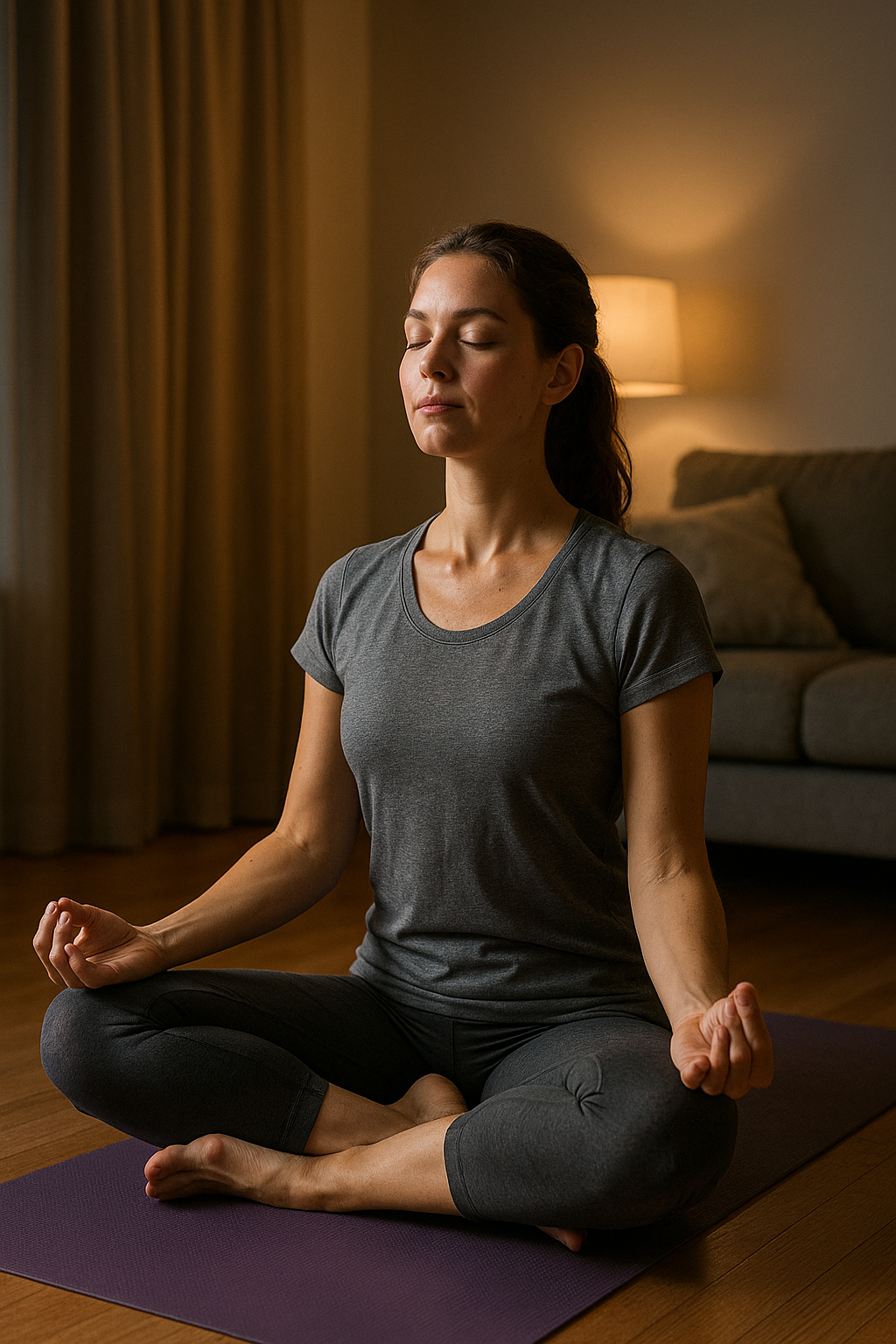
Pregnancy has a way of changing everything at once: how you breathe, how you stand, how you sleep, and how your back feels after a normal day. That’s one reason pilates for pregnant women has become such a go-to choice for expectant mothers who want to stay active without turning workouts into a battle of willpower. Pilates is known for controlled, low-impact movements that build strength from the inside out—exactly the kind of training many bodies appreciate as the bump grows and balance shifts.
Staying active during pregnancy is often less about “getting in shape” and more about keeping daily life comfortable: walking without aching hips, getting up from the sofa without bracing your lower back, and feeling steadier as your posture adapts. Done with the right adjustments, Pilates can support both physical and mental well-being by combining strength work, mobility, and calming breath—without the jarring impact of many other exercise styles.

Women's Posture Shirt™ - Black
Improves posture, relieves tension, and supports muscles—ideal for work, exercise, and leisure.
Why prenatal Pilates is worth considering
Prenatal Pilates typically focuses on deep core stability, pelvic floor function, posture, and smooth, efficient movement. In real terms, that can mean better support for your changing center of gravity, less tension through the neck and shoulders, and a stronger sense of control in your body when everything feels new. Many also like the built-in emphasis on breathing and concentration, which can be a welcome counterweight to pregnancy stress and restless sleep.
Safety first: what this guide will help you do
Not all classes labeled “prenatal” are identical, and pregnancy isn’t the time to push through discomfort or chase personal bests. In the next sections, we’ll walk through what safe Pilates during pregnancy generally looks like, what benefits you can realistically expect, and how to modify by trimester as your body changes. You’ll also learn which positions often need adjusting (like prolonged time lying flat on your back), how props such as wedges and cushions can make movements more comfortable, and how to approach core work in a way that respects your abdominal wall.
If you’re new to Pilates, this article will help you start with confidence. If you’re experienced, it will help you adapt intelligently—so your practice keeps serving you now, during labor preparation, and later as you rebuild strength postpartum. As always, if you have a higher-risk pregnancy or any concerning symptoms, check in with your midwife or doctor before changing your exercise routine.
Evidence-based benefits of pilates for pregnant women
Pilates is often described as “gentle,” but the real value lies in how precisely it trains the muscles that support your changing body. Research on prenatal Pilates most commonly examines outcomes like pregnancy-related pain, sleep quality, mood, and pelvic floor symptoms. While individual results vary, the overall pattern is encouraging: consistent, well-modified Pilates can improve comfort, function, and confidence as pregnancy progresses.
Core strength and stability for a changing centre of gravity
As your belly grows, your posture naturally adapts—often with more load through the lower back and hips. Pilates targets deep stabilising muscles (including the transversus abdominis) that help support the trunk without relying on bracing or breath-holding. In everyday terms, this can translate to feeling steadier when you walk, stand up from a chair, or carry shopping. A strong “support system” around the pelvis and ribcage can also reduce the sense that your back is doing all the work.

Lumbar support belt
Adjustable back belt providing lumbar support, relief and comfort for lower back pain or tension.
Pelvic floor function and bladder control
Pregnancy increases pressure on the pelvic floor, and many women notice leakage with coughing, laughing, or exercise. Pilates commonly includes pelvic floor awareness and coordination, which may help reduce the risk or severity of incontinence during and after pregnancy. The key is balance: you want strength and responsiveness, but also the ability to fully relax the pelvic floor between repetitions—especially important for comfort and for learning how to release during birth.
Posture, mobility, and “feel-good” flexibility
Prenatal Pilates typically uses controlled range of motion rather than aggressive stretching. That matters because pregnancy hormones can increase joint laxity, making it easier to overstretch without realising it. Mobility work for the thoracic spine (upper back), hips, and ankles can ease common tension patterns—like rounded shoulders from breast changes or tight hip flexors from prolonged sitting—while still keeping joints supported.
Breathing and relaxation you can use beyond the mat
Breath is built into Pilates: ribcage expansion, steady exhalations, and coordinated movement. Many pregnant women find that this improves body awareness and helps manage stress. It can also be practical preparation for labour, where controlled breathing and the ability to downshift tension can make contractions feel more manageable. Some studies also suggest prenatal Pilates may reduce labour pain intensity and shorten parts of labour, which is one reason it’s often recommended as a supportive practice rather than just “exercise.”
Circulation, swelling, and leg comfort
Gentle, regular movement supports circulation, which can be helpful for swelling in the legs and feet and for reducing cramps. Pilates often includes ankle mobility, calf work, and position changes that encourage blood flow—especially useful if you spend long hours sitting at a desk or commuting.
Mental wellbeing: mood, anxiety, and sleep
Exercise in pregnancy is associated with better mental health, and Pilates adds a mindful, structured element that many people find calming. Research on Pilates in pregnancy frequently looks at depression, anxiety, and sleep quality, with promising findings. Even when symptoms don’t disappear, a consistent routine can provide a sense of control and a reliable way to “check in” with your body.
Trimester-specific safety and smart modifications
Pilates can usually be adapted across all three trimesters, but what feels good—and what is sensible—changes over time. Aim for a moderate intensity where you can still talk, and treat comfort as a safety signal, not an obstacle to push through.
First trimester: build foundations and keep it steady
Early pregnancy is often about energy management. Focus on breath work, gentle core activation, posture, and hip stability. If nausea or fatigue is high, shorter sessions are still worthwhile. This is also a good time to learn technique: how to move your spine without gripping, how to engage glutes without tucking, and how to coordinate pelvic floor activation with exhalation.
Second trimester: adjust for balance, belly, and the “supine question”
As your bump grows, your centre of gravity shifts and some exercises need modifying. Many professionals recommend limiting prolonged time lying flat on your back, as it can reduce blood flow for some women. If you do supine work, keep it brief and consider a wedge or cushions to elevate your upper body. This is also the time to be cautious with intense abdominal flexion (think strong curl-ups) and heavy twisting. Instead, prioritise deep core control, side-lying work, all-fours positions, and supported standing strength.
Third trimester: comfort, circulation, and labour-ready movement
Late pregnancy Pilates is often about feeling better today while gently preparing for birth. Wider stances can feel more stable, and extra attention to upper back strength can counter the “rounded shoulder” posture many women develop. Choose positions that reduce pressure and support breathing—side-lying, all-fours, seated, and standing with support. If anything causes abdominal doming, pelvic pain, dizziness, or breathlessness, scale back and switch to a more supported option.
Practical considerations: what to avoid and what to use instead
Most modifications come down to reducing strain on the abdominal wall, protecting circulation, and keeping balance safe. Common adjustments include avoiding lying on the stomach, limiting long periods flat on your back, and swapping single-leg balance challenges for supported versions as pregnancy progresses. Props can make a big difference: a wedge or firm cushions for incline, a pillow between the knees for side-lying alignment, and a chair or wall for stability during standing work. For core work, think “support and lift” rather than “crunch,” and prioritise controlled exhalations to manage pressure—especially if you’re mindful of diastasis recti risk.
If you’re joining a class, look for an instructor who screens for pregnancy considerations, welcomes modifications, and can offer alternatives without making you feel singled out. And if you have a higher-risk pregnancy or new symptoms, get medical clearance before continuing or progressing your routine.
At-home pilates for pregnant women: how to practise safely
One of the biggest advantages of pilates for pregnant women is how adaptable it is. You can benefit from a studio class with hands-on coaching and tailored modifications, but you can also build a consistent routine at home with minimal equipment. The best choice is the one you can stick with comfortably—because consistency matters more than perfect programming during pregnancy.
Studio practice can be ideal if you want real-time feedback on alignment, breathing, and safe core strategy (especially if you are new to Pilates or unsure how to modify). It can also help you progress gradually without overdoing intensity.
Home and online practice can be a great fit if you need flexibility, shorter sessions, or the ability to pause and adjust. If you follow videos, choose sessions clearly labelled prenatal, with options for different trimesters and plenty of time in side-lying, all-fours, seated, and supported standing positions.
Whichever format you choose, use a few simple safety filters: avoid breath-holding, stop any movement that causes dizziness, vaginal bleeding, new or worsening pelvic pain, or abdominal doming, and prioritise positions that allow you to breathe freely. If you have a higher-risk pregnancy or have been advised to restrict activity, follow your clinician’s guidance before continuing.
A 10-minute prenatal pilates routine you can repeat
This short sequence is designed to feel supportive rather than exhausting. Move slowly, keep your breathing steady, and use props whenever you need them (a pillow, firm cushion, or a chair for balance). Aim for smooth effort at a level where you can still talk.
1) 360 breathing (1 minute)
Seated or side-lying, place your hands around your lower ribs. Inhale to expand into the sides and back of the ribcage. Exhale slowly and feel the ribcage soften down. Keep the jaw and shoulders relaxed.
2) Pelvic tilts (1 minute)
On all fours or standing with hands on a wall, gently alternate between a neutral pelvis and a small tuck/untuck. Keep the movement small and pain-free, focusing on ease through the lower back.
3) Cat-cow to neutral (2 minutes)
In all fours, inhale as you lengthen the spine, exhale as you round gently. Return to a comfortable neutral spine between repetitions. If rounding feels too intense, reduce the range and focus on breath.
4) Side-lying leg work (2 minutes)
Lie on your side with a pillow under your head and one between your knees if helpful. Keep hips stacked. Lift the top leg slightly on an exhale, lower with control. Repeat, then switch sides. This supports hip stability without stressing balance.
5) Supported squats (2 minutes)
Hold a chair or countertop. Stand with feet slightly wider than hip-width if that feels better. Inhale to lower into a comfortable squat, exhale to stand and gently engage glutes. Keep knees tracking over toes and avoid pushing into pain.
6) Standing calf raises and ankle circles (1 minute)
Hold support, rise onto toes and lower slowly. Then do gentle ankle circles to encourage circulation.
7) Chest opener and upper back stretch (1 minute)
Interlace hands behind your back (or hold a towel), gently open the chest without arching the lower back. Then hug your arms forward to stretch between the shoulder blades.
If you want to extend this routine, add a few minutes of relaxed walking and finish with side-lying rest and slow breathing.
Frequently Asked Questions
Is pilates safe during pregnancy?
Pilates is generally considered safe for many pregnancies when it is appropriately modified and performed at a moderate intensity. The key is choosing pregnancy-appropriate exercises, avoiding positions that cause symptoms (such as dizziness or breathlessness), and getting medical clearance if you have complications or have been advised to limit activity.
What are the main benefits of pilates for pregnant women?
Pilates can support core stability, pelvic floor coordination, posture, and comfortable mobility as your body changes. Many women also find it helpful for managing pregnancy-related back discomfort, improving body awareness, and practising breathing strategies that can be useful for relaxation and labour preparation.
How should pilates exercises be modified during pregnancy?
Common modifications include limiting prolonged time lying flat on your back, avoiding lying on your stomach, and reducing intense abdominal flexion (such as strong curl-ups) if it causes doming or discomfort. Many people also benefit from more side-lying, all-fours, seated, and supported standing work, plus props like wedges, cushions, and chairs for comfort and stability.
Can pilates help with labour and postpartum recovery?
Pilates can be a practical way to build endurance, practise controlled breathing, and improve coordination between the diaphragm, deep core, and pelvic floor. Postpartum, these same foundations can support a gradual return to strength and function—especially when you prioritise gentle progression and good technique.
What should I look for in a prenatal pilates class or instructor?
Look for an instructor who routinely works with pregnancy, screens for relevant health considerations, and offers clear modifications without pushing intensity. A good prenatal instructor will prioritise comfort, breathing, and alignment, and will be able to adjust exercises as your trimester, energy levels, and symptoms change.
Källor
- Pilates Method Alliance. (n.d.). "Benefits of Pilates in Pregnancy."
- Pure Sports Medicine. (n.d.). "Pilates During Pregnancy: Benefits and Focus Areas."
- Physio Logic NYC. (n.d.). "Prenatal Pilates."
- Pilates Anytime. (n.d.). "Benefits of Prenatal Pilates."
- Movement Laboratory. (n.d.). "Guide to Pregnancy-Safe Reformer Pilates: Strengthening Your Body for Motherhood."
- Tommy's. (n.d.). "Pilates and Pregnancy."
- Hospital for Special Surgery. (n.d.). "Pilates During Pregnancy."
- YMCA of Central Kentucky. (n.d.). "Can You Do Pilates When Pregnant?"
- National Center for Biotechnology Information. (2021). "Effects of Pilates on Pregnancy Outcomes."
- Merrithew. (2024). "How Pilates Supports a Healthy Pregnancy and Postpartum Recovery."
- National Center for Biotechnology Information. (2021). "Pilates and Pregnancy: A Review of Benefits."
- Pilates Anytime. (n.d.). "Prenatal Pilates Overview."