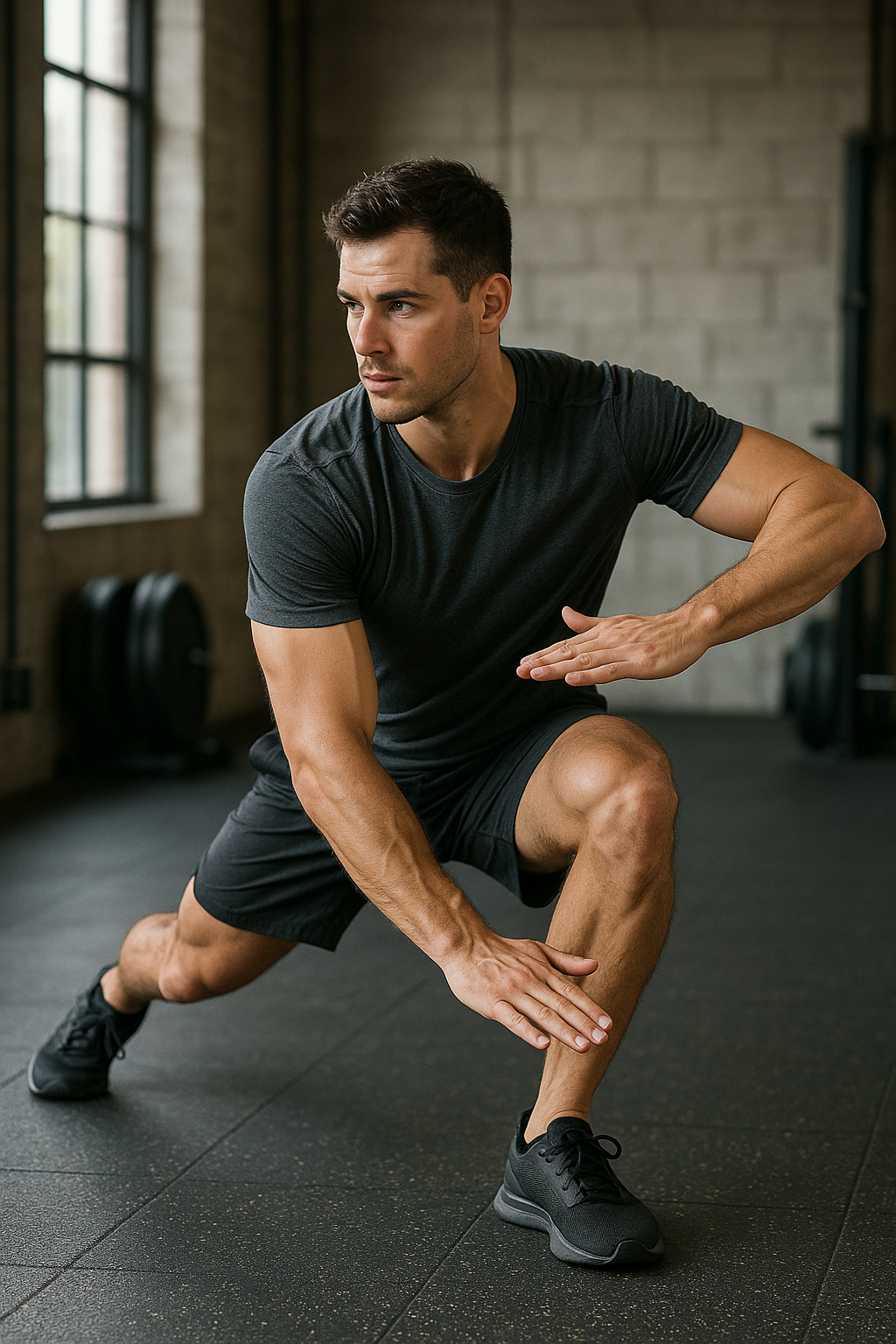
Most runners know the feeling: your lungs are ready, your legs are warming up, and then your knee starts “talking” back. It might be a dull ache on the front of the joint, a tight pull on the outside of the leg, or a nagging soreness that shows up after the run and lingers on the stairs. When that happens, the goal isn’t to run through pain or wrap yourself in something bulky—it’s to find the right knee support for running so you can keep your stride smooth, confident, and controlled.
Knee supports can play two roles for runners. First, they can be a practical tool for injury prevention when training volume climbs, terrain gets more demanding, or you’re returning after time off. Second, they can be part of a smart post-injury routine, adding stability and comfort while you rebuild strength and gradually increase mileage. The key is matching the level of support to what your knee actually needs, rather than guessing or copying what someone else wears on race day.
There’s no single “best” option for every runner because knee pain doesn’t come in one standard shape. Some runners do well with a lightweight compression sleeve that provides gentle compression and a sense of warmth around the joint. Others need more targeted support around the kneecap, especially when symptoms feel like classic runner’s knee. And if you’re dealing with significant instability—such as after a ligament sprain—more structured solutions may be necessary, typically as part of a clinician-guided recovery plan.
Why runners look for knee support
Knee complaints are among the most common reasons runners adjust training or take time off. Issues often linked to running include patellofemoral pain syndrome (frequently called runner’s knee), IT band-related pain on the outside of the knee, patellar tendon irritation, and sprains that affect the knee’s supporting ligaments. These problems can be influenced by training load, recovery habits, running mechanics, and strength imbalances—especially around the hips and thighs.
That’s why the most helpful approach is both simple and specific: identify what you’re feeling, choose a support level that fits your situation, and use it alongside good training decisions. In the next section, we’ll break down the main types of knee supports runners use, what they’re designed to do, and how to choose one that feels stable without restricting your natural stride.
Types of knee supports for running
The best knee support for running depends on what you’re trying to manage: mild irritation, kneecap tracking issues, or true instability. Most options fall into three practical categories—compression sleeves, patellar-focused supports, and hinged braces—each with a different balance of comfort, structure, and freedom of movement.
Compression sleeves: lightweight support for everyday miles
A compression sleeve is often the first step when symptoms are mild or inconsistent. It’s designed to provide gentle, even pressure around the knee joint, which many runners find helpful for managing minor swelling, stiffness, or that “achy” feeling that appears late in a run or after a hard session.
Because sleeves are typically low-profile and flexible, they’re a popular choice for high-mileage runners who don’t want to change their stride. Many also like the sense of warmth and body awareness a sleeve provides—especially during colder runs or when returning to training after a short break.
- Best for: mild discomfort, light swelling, general support during higher training loads
- Why runners like it: comfortable under tights, minimal restriction, easy to wear for long runs
- Watch out for: a sleeve that’s too tight can feel numb or roll down; too loose won’t stay in place
Patellar braces and straps: targeted help for kneecap and tendon pain
If your pain is concentrated at the front of the knee—around or just below the kneecap—a patellar brace (or patellar strap) may be a better match than a sleeve alone. These supports are designed to influence how the kneecap tracks and to reduce strain on the patellar tendon, which can be relevant for runner’s knee and patellar tendon irritation.
Compared to a sleeve, patellar-focused supports provide more specific stabilization around the kneecap area. Many runners prefer them for speed sessions, hills, or downhill running, where the knee can feel more “loaded” and symptoms may flare.
- Best for: runner’s knee sensations, kneecap tracking concerns, patellar tendon discomfort
- Why runners like it: targeted support without fully wrapping the joint
- Watch out for: incorrect positioning can cause rubbing or pressure points; adjust carefully before you run
Hinged braces: maximum stability, usually for recovery phases
Hinged braces are built for higher levels of support and are most commonly used when there’s significant instability—such as after an ACL or MCL sprain, a meniscus-related issue, or post-surgical recovery. The hinges help guide the knee through a controlled range of motion and can reduce side-to-side stress on healing structures.
For most runners, a hinged brace is not the go-to choice for regular training because it’s bulkier and can interfere with natural mechanics at faster paces. However, it can be valuable in a clinician-guided return-to-activity plan, especially during walking, gym work, or very controlled run-walk progressions when appropriate.
- Best for: ligament injuries, notable instability, post-surgery protection
- Why it’s used: limits risky motion and adds structure when the knee can’t fully trust itself yet
- Watch out for: not ideal for unrestricted running unless a healthcare professional recommends it
Trends: why more runners wear support before pain becomes a problem
A growing trend among experienced runners is preventive use—especially during high-volume blocks, marathon builds, or when increasing intensity. The idea isn’t to “brace instead of train,” but to add a small layer of comfort and consistency when fatigue, uneven terrain, or long descents make the knee feel vulnerable.
That said, support should match the situation. If you’re relying on a brace to get through every run, it’s a sign to reassess training load, recovery, and strength work. Persistent swelling, a feeling of giving way, locking, or sharp pain are also strong reasons to consult a healthcare professional before choosing a more structured option.
How to choose the right support level
When selecting knee support for running, start with the least restrictive option that still feels helpful. A good fit should feel secure without cutting off circulation, sliding down, or forcing you to change your stride. Look for an ergonomic shape that follows the knee’s natural bend, stays put when you sweat, and feels smooth at the back of the knee during flexion.
Use this quick guide to narrow it down:
- General ache or mild swelling: start with a compression sleeve.
- Front-of-knee pain or kneecap irritation: consider a patellar brace or strap, possibly combined with light compression.
- Instability or recent significant injury: ask a clinician whether a hinged brace is appropriate for your stage of recovery.
Most importantly, treat support as one part of the plan. The right choice should help you run more comfortably while you address the real drivers—training progression, mobility, and strength—so your knees can keep up with your goals.
Getting the fit right: what matters most on the run
Even the best knee support for running will disappoint if it does not fit your leg and your stride. A support that is too loose can slide down and bunch behind the knee, while one that is too tight can cause pinching, numbness, or a “tourniquet” feeling mid-run. Aim for a secure, even feel that stays in place when you sweat and when your knee repeatedly bends and straightens.

Women's Posture Shirt™ - Black
Patented shirt that activates muscles, relieves pain, and promotes better posture.
Pay attention to these fit details before you commit to longer miles:
- Size and contour: choose a shape that follows the knee’s natural bend and does not gap at the sides.
- Top and bottom grip: a gentle, non-slip edge helps prevent rolling without digging into the skin.
- Comfort in motion: jog a few steps and do a few squats; the back of the knee should feel smooth, not bunched.
- Layering: consider how it feels under tights or with shorts, and whether seams or straps rub during longer runs.
Material and design: breathability, adjustability, and durability
Runners often underestimate how much material choice affects comfort. Breathable, moisture-managing fabrics help reduce overheating and skin irritation, especially in warm weather or during long sessions. If you tend to sweat heavily, look for a support that dries quickly and does not feel heavy once damp.
Adjustability can also be a deciding factor. Sleeves are simple and streamlined, while patellar braces and straps allow you to fine-tune pressure around the kneecap or tendon. The goal is targeted support without creating pressure points. Durability matters too: frequent washing, friction from movement, and repeated stretching can wear materials down. If a support loses elasticity or starts slipping, it is no longer doing its job consistently.

Men's Posture Shirt™ - White
Patented shirt for men that stimulates muscles and relieves pain to enhance posture.
Use knee support alongside smart training and recovery
A knee support can improve comfort and confidence, but it works best when it is paired with habits that reduce knee stress over time. If symptoms show up only when mileage spikes or when you add hills, that is useful feedback. Consider adjusting training load, adding recovery days, and building strength in the muscles that help control knee alignment.
Practical additions that often complement knee support for running include:
- Strength work: focus on glutes, quads, hamstrings, and calves to improve control during landing and push-off.
- Cross-training: cycling, swimming, or elliptical sessions can maintain fitness while reducing impact.
- Hydration and recovery: consistent hydration, sleep, and sensible progression help tissues tolerate training.
- Form and footwear check: small changes in cadence, downhill technique, or shoe wear can influence knee load.
If you notice swelling that does not settle, sharp pain, locking, or a feeling that the knee is giving way, treat that as a signal to pause and seek professional guidance before relying on a stronger brace.
Comparison: choosing the right knee support for running
| Type | Support level | Common uses | Pros | Cons |
|---|---|---|---|---|
| Compression sleeve | Light to moderate | Mild aches, light swelling, general support during higher training loads | Low-profile, comfortable for long runs, supports circulation and warmth | Limited stability for true instability; poor sizing can roll or slip |
| Patellar brace/strap | Moderate (targeted) | Runner’s knee sensations, kneecap tracking concerns, patellar tendon discomfort | Targets the front of the knee, adjustable pressure, less bulky than hinged options | Can rub if positioned poorly; may feel too focused for diffuse swelling |
| Hinged brace | High | Ligament sprains, significant instability, post-surgery protection (clinician-guided) | Maximum structure, helps limit risky motion, supports controlled return to activity | Bulky for running, may alter mechanics; typically not for unrestricted training |
Frequently Asked Questions
What is the best knee support for runner's knee?
Runner’s knee symptoms often feel like pain around or behind the kneecap, especially on stairs, downhills, or after longer runs. Many runners start with a patellar brace or strap for more targeted kneecap support. A compression sleeve can also help when symptoms are mild or when swelling and stiffness are part of the picture. The best choice is the one that reduces symptoms without changing your stride or creating pressure points.
When should a runner consider using a knee support?
Consider knee support for running when you notice mild discomfort that appears late in runs, when you are increasing mileage or intensity, or when returning after a minor flare-up. It can also be useful during hill blocks or long descents, where the knee often feels more loaded. If pain is persistent or worsening, treat support as a short-term aid while you address training load and strength, and consult a professional if needed.
Can knee supports prevent injuries?
Knee supports may help by improving comfort, warmth, and body awareness, which can make running feel more controlled during demanding training phases. However, they are not a substitute for progressive training, good recovery, and strength work. For prevention, the most reliable approach is combining appropriate support with sensible mileage increases, technique awareness, and lower-body strengthening.
How do I know which knee support is right for me?
Start with the least restrictive option that still feels helpful. A compression sleeve is often a good first step for general discomfort, while patellar-focused options suit front-of-knee symptoms. If you have instability, a recent significant injury, or post-surgical needs, a clinician can help determine whether a hinged brace is appropriate. Comfort, fit, and staying in place during movement are non-negotiable.
Is it safe to run with a knee brace?
It is generally safe to run with a brace that matches your needs and does not restrict circulation or alter your mechanics. For most runners, sleeves and patellar supports are more suitable for active running than bulky hinged braces. If you feel increased pain, numbness, or your gait changes noticeably, stop and reassess fit and brace type, and seek guidance if symptoms persist.
Källor
- Smith, A. (1991). "The effects of knee braces on running performance." Journal of Sports Medicine.
- Brown, L. (2022). "Running Has a Surprising Benefit for Your Knees, Says Expert." Science Alert.
- Johnson, M. (2018). "Knee support devices: A clinical perspective." Orthopedic Reviews.
- Davis, R. (2023). "Could Running Be Good for Your Knees?" Cedars-Sinai Insights.
- Williams, J. (2023). "Benefits of a Knee Brace While Running." Icarus Medical Blog.
- Taylor, P. (2023). "The Benefits of Using a Brace for Runner's Knee." AliMed Blog.