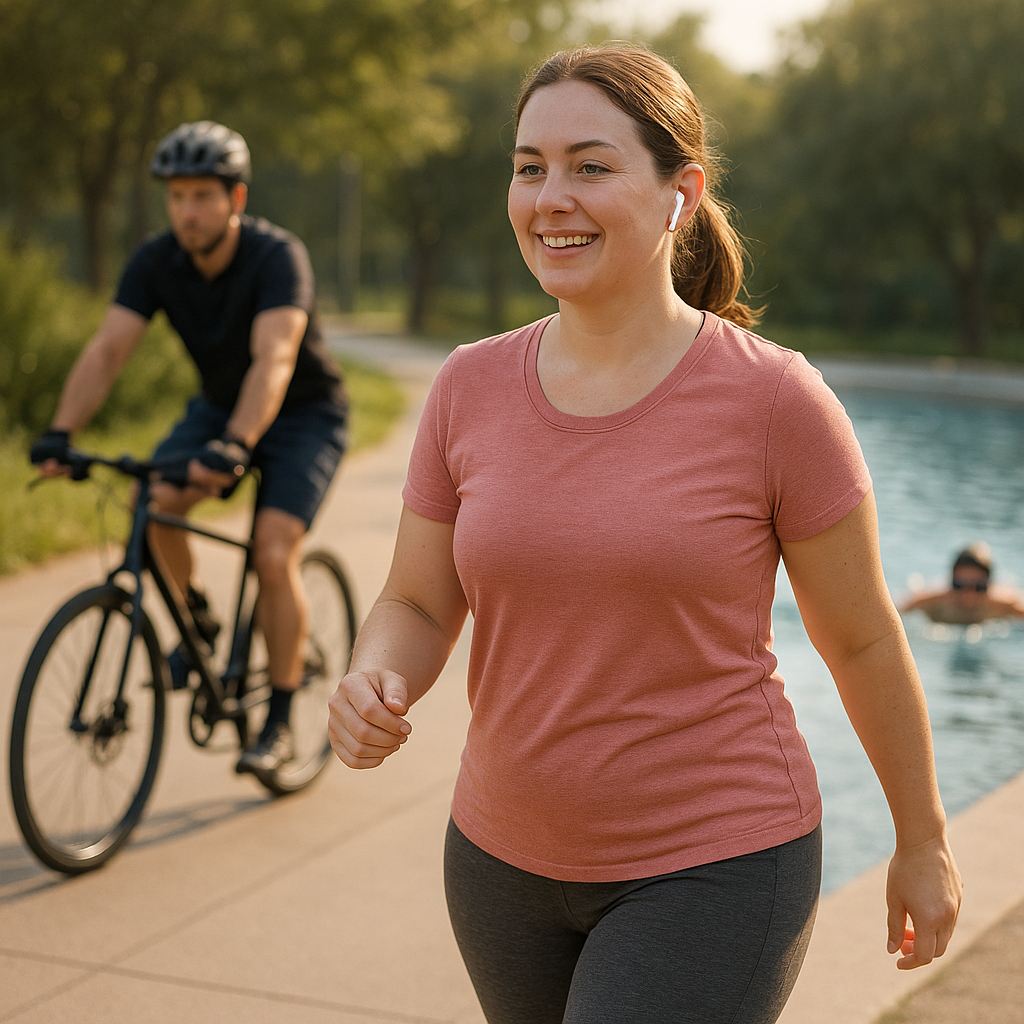
Running is an innate and delightful activity for children, offering a multitude of physical and mental benefits. As one of the most natural forms of exercise, running not only supports healthy growth but also enhances coordination, mood, and concentration. For children, running isn't just about the physical exertion; it's an opportunity to explore their environment, engage in playful activities, and develop a lifelong love for fitness.
The joy of running for kids
Children naturally have a lot of energy, and running provides an excellent outlet for this vitality. It's an activity that can be as structured or as spontaneous as desired, allowing kids to enjoy the freedom of movement. From sprinting across a playground to participating in a family fun run, running is versatile and adaptable to a child's interests and abilities. Beyond physical health, running can also boost a child's self-esteem and social skills, especially when done in groups or team settings.
Key considerations for parents
When introducing children to running, parents should prioritize safety, enjoyment, and gradual progression. It's essential to understand age-appropriate guidelines and focus on making running a fun and engaging activity rather than a chore. Encouraging a positive attitude towards running can lead to a more active lifestyle as children grow older.
Parents should be mindful of the child's readiness and interest in running. Instead of imposing structured running routines, allow children to express their natural inclination towards the activity. This approach not only fosters a love for running but also ensures that the exercise remains safe and enjoyable.
Moreover, safety is paramount. Ensuring that children run in safe environments, wear appropriate footwear, and understand basic running techniques can prevent injuries and promote a positive experience. Encouraging children to listen to their bodies and recognize signs of fatigue or discomfort is crucial in preventing overuse injuries.
Ultimately, the goal is to make running a joyful and beneficial part of a child's life. By focusing on fun and gradual progression, parents can help their children develop a healthy relationship with running, setting the foundation for a lifetime of fitness and well-being.
When can children start running?
Determining the right time for children to start running involves considering their individual readiness and interest rather than adhering to a specific age. According to the Cleveland Clinic, younger children can begin with fun runs or short sprints, which cater to their natural energy levels and shorter attention spans. As they grow, gradually introducing longer distances can be beneficial, provided they show enthusiasm and physical readiness.
It's important to recognize that each child develops at their own pace, and forcing structured running programs too early can lead to burnout or injury. Instead, observe your child's cues and willingness to participate in running activities. This approach not only respects their developmental stage but also encourages a positive association with physical activity.
Safe running distances for kids
When it comes to determining safe running distances for children, gradual progression is key. The Nationwide Children’s Hospital recommends starting with short distances and increasing them by about 10% weekly, provided the child remains pain-free. This method ensures that their bodies adapt to the physical demands without risking overuse injuries.
The Road Runners Club of America offers age-specific guidelines for running distances. For children under five years old, active play and short sprints are ideal. Kids aged 5 to 7 can engage in fun runs and short interval training, while those between 8 and 12 may be ready for a 5K, depending on their individual capabilities. These recommendations help tailor running activities to suit the developmental needs of children at various ages.
Making running fun
To foster a love for running, it's crucial to emphasize enjoyment over competition. Avoid using running as a form of punishment, as this can create negative associations with the activity. Instead, focus on making running a playful and engaging experience. Encourage participation in fun runs, relay races, and family jogging sessions, which can transform running into a social and enjoyable activity.
Incorporating games into running can also enhance the fun factor. For instance, organizing a scavenger hunt or a tag game during a run can motivate children to participate eagerly. Celebrating small achievements and milestones can further boost their confidence and enthusiasm for running.
Preventing overuse injuries
Preventing injuries is crucial to maintaining a positive running experience for children. A gradual increase in running distance and frequency is essential to avoid overuse injuries. Prioritize a proper warm-up and cool-down routine to prepare the body for physical activity and aid recovery afterward.
Encourage children to listen to their bodies and recognize signs of pain or fatigue. If a child complains of discomfort, it's important to address it promptly and adjust their running routine accordingly. Incorporating stretching exercises can also improve flexibility and reduce the risk of injuries.
By focusing on these preventative measures, parents can help their children enjoy running safely and develop a lifelong appreciation for physical activity. Creating a supportive and enjoyable environment for running will not only promote physical health but also instill valuable life skills such as perseverance and resilience.

Lumbar support belt
Lower back support for pain relief and stability during activities or rest.
Choosing the right running shoes
When it comes to running, having the right footwear is essential for children. Properly fitting shoes can significantly impact comfort and performance, reducing the risk of injury. Look for shoes that allow room for toe movement and provide adequate cushioning and support. It's crucial to regularly check the fit of your child's running shoes, as their feet can grow quickly, and worn-out shoes may not offer the necessary support.
Consider the type of surface your child will be running on, as different shoes are designed for various terrains. For instance, trail running shoes provide extra grip and stability for uneven surfaces, while road running shoes are lighter and better suited for smoother paths. By selecting the appropriate shoes, you can help ensure a comfortable and enjoyable running experience for your child.
The role of parents in children's running
Parents play a vital role in nurturing a child's interest in running. Providing encouragement and support without applying pressure is key to maintaining a positive atmosphere around the activity. Allow your child to set their own pace and goals, fostering autonomy and self-motivation.
Introducing a variety of physical activities alongside running can contribute to balanced development. Activities like cycling, swimming, or playing team sports can complement running and prevent burnout by offering diverse ways to stay active. A well-rounded approach to fitness encourages lifelong healthy habits.

Women's Posture Shirt™ - White
Supports posture and relieves back or neck pain; ideal for work, exercise, and leisure.
Frequently asked questions
What age is appropriate for kids to start running?
There is no specific age for children to begin running. It depends on their interest and physical readiness. Younger children can start with short, fun runs and gradually progress as they grow.
How far can children safely run?
Start with short distances and gradually increase them by about 10% weekly, ensuring the child remains pain-free. Tailor the distance to the child's age and physical capabilities.
What are signs that a child should stop running?
Children should stop running if they experience persistent pain, altered running form, extreme fatigue, or express a reluctance to continue. These signs indicate the need for rest or medical evaluation.
How can I make running enjoyable for my child?
Incorporate games, run with friends or family, and celebrate small achievements to make running a fun and engaging activity. Focus on enjoyment rather than competition.
What should I do if my child experiences pain while running?
If your child experiences pain during running, stop the activity immediately. Assess the situation and consult a healthcare professional if necessary to prevent further injury.
Källor
- Centers for Disease Control and Prevention. "What Counts as Physical Activity for Children?"
- Centers for Disease Control and Prevention. "Physical Activity Guidelines for Children."
- University Hospitals. "How Parents Can Help Their Children Avoid a Running Injury."
- Road Runners Club of America. "Fundamentals of Youth Running."
- Nationwide Children’s Hospital. "What Running Distances Are Safe for Children?"
- Centers for Disease Control and Prevention. "Physical Activity Guidelines."
- Road Runners Club of America. "Kids Run the Nation Program."
- PubMed Central. "Running Strategies for Children and Teens."
- Human Performance Resource Center. "Running Strategies for Children and Teens."
- American Academy of Pediatrics. "Running: A Guide for Families."
- Texas Children's Hospital. "Pocket Guide for Parents."
- Cedars-Sinai. "How to Prevent Sports Injuries in Young Athletes."
- PubMed Central. "Common Running Injuries and How to Prevent Them."
- Children's Health. "Common Running Injuries and How to Prevent Them."
- British Journal of Sports Medicine. "Running Injuries in Children."