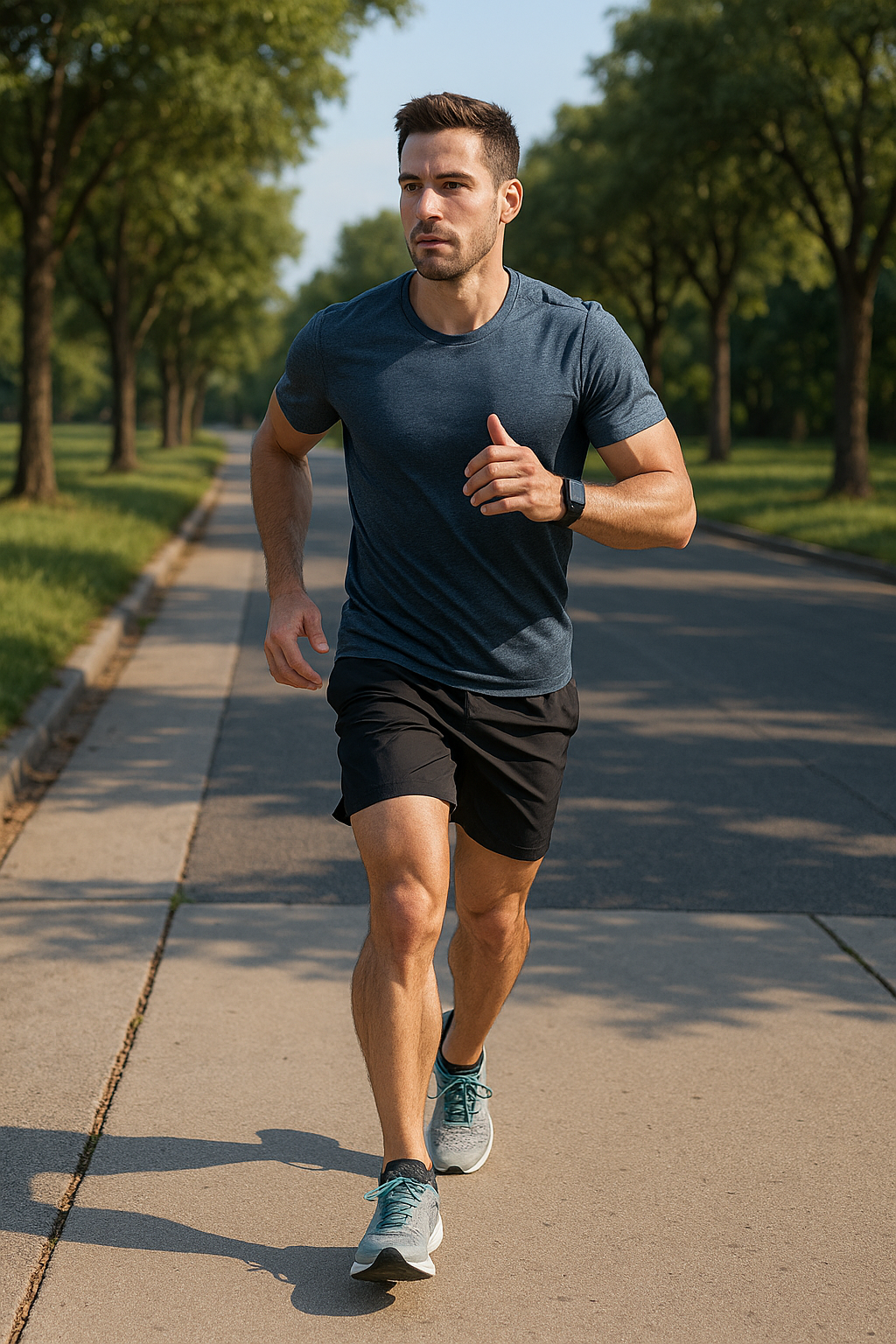
Running has become a beloved fitness activity worldwide, offering a simple yet effective way to stay healthy and active. However, with busy schedules, many runners find themselves hitting the pavement during early morning or late evening hours when natural light is scarce. This can pose significant safety risks, as low-light conditions reduce visibility for both runners and drivers, leading to an increased risk of accidents.
In such scenarios, ensuring visibility becomes paramount. This is where reflective gear comes into play. Reflective gear is designed to enhance a runner's visibility in low-light conditions, making them more noticeable to drivers and other road users. By reflecting light from sources such as car headlights, reflective gear creates a bright, eye-catching glow that significantly improves safety for those who prefer to run when the sun isn't shining.
Understanding reflective gear for runners
Reflective gear comes in various forms, each serving the purpose of making runners more visible. At its core, reflective gear is made from materials that bounce light back towards its source, effectively illuminating the wearer in the dark. This gear includes items such as vests, jackets, bands, and clip-on lights, all designed to enhance a runner's visibility and safety.
Reflective vests and jackets are popular choices among runners due to their extensive coverage and high visibility. These garments are often equipped with reflective strips or panels strategically placed to catch light from multiple angles. Accessories such as reflective armbands, clip-on lights, and hats provide additional visibility, especially in areas that might be missed by larger garments.
As we delve deeper into the world of reflective gear, it's essential to understand the different types available and how to choose the right gear for individual needs. From considering the level of reflectivity to ensuring comfort and fit, selecting the appropriate reflective gear can make all the difference in ensuring a safe and enjoyable running experience.
Comprehensive guide to reflective gear for runners
As you venture further into the world of running, especially during low-light conditions, understanding the nuances of reflective gear becomes crucial. Reflective gear is not just about visibility; it's about finding the right balance between safety, comfort, and personal preference. Here, we'll delve into the various types of reflective gear available, helping you make informed decisions that enhance your running experience.
Types of reflective gear
Vests and jackets
Reflective vests and jackets are among the most effective options for runners seeking maximum visibility. These garments are designed with extensive reflective surfaces that catch light from multiple directions, ensuring you're visible from afar. The key benefit of these items lies in their coverage area; they often cover the torso and upper body, which are the most visible parts to drivers. When selecting a vest or jacket, consider features like ventilation, weight, and adjustability to ensure comfort during your run.

Men's Posture Shirt™ - Black
Improves posture and relieves tension; features patented NeuroBand™ tech for work, exercise & daily use.
Accessories
While vests and jackets offer broad coverage, smaller accessories play a vital role in enhancing visibility. Reflective armbands, hats, and clip-on lights are perfect for adding extra visibility to areas like arms, ankles, and heads. These accessories are lightweight and can be easily incorporated into your running gear without compromising comfort. Clip-on lights, in particular, are a great addition as they provide active lighting, making you visible even when external light sources are minimal.

Women's Posture Shirt™ - White
Patented shirt that improves posture, relieves pain and gives support during all activities.
Active lighting vs. passive reflective materials
It's essential to understand the distinction between active lighting and passive reflective materials. Passive reflective gear relies on external light sources, such as car headlights, to illuminate the reflective surfaces. In contrast, active lighting gear, like LED bands and headlamps, emits its own light, providing constant visibility regardless of external conditions. Combining both types can offer a comprehensive solution, ensuring you're visible in various lighting scenarios.
Key features to consider when choosing reflective gear
Reflectivity ratings
Reflectivity ratings are a crucial factor when selecting gear. These ratings indicate how well a material reflects light back to its source. Higher ratings mean better visibility, which is especially important in areas with little ambient light. Look for gear that meets or exceeds industry standards to ensure you're getting effective visibility.
Comfort and fit
Comfort is paramount when choosing reflective gear, as it directly impacts your performance. Ill-fitting gear can cause chafing or restrict movement, leading to discomfort during long runs. Opt for gear that allows for a full range of motion and has adjustable features to accommodate different body types. Breathable materials can also enhance comfort by reducing sweat buildup.
Weather resistance
Weather conditions can vary greatly, and your gear should be able to withstand these changes. Waterproof or water-resistant materials are ideal for rainy conditions, while breathable fabrics are perfect for warmer climates. Ensuring that your reflective gear is weather-resistant will prolong its lifespan and maintain its effectiveness.
Placement of reflective elements
Strategic placement of reflectors is vital for optimal visibility. Reflectors should be placed on moving parts of the body, such as arms and legs, to create a dynamic visual signal to drivers. This movement helps distinguish you as a runner, making it easier for drivers to identify and react to your presence on the road.
In conclusion, selecting the right reflective gear involves balancing visibility, comfort, and practicality. By understanding the different types of gear and their features, you can make informed choices that enhance your safety and enjoyment during runs, regardless of the time of day. In the next section, we'll explore top product recommendations to help you find the perfect gear for your needs.
Scenario-based advice for runners
Running environments can significantly influence the choice of reflective gear. Urban runners often face the challenge of busy streets and vehicle traffic, which demands high visibility. In such settings, combining reflective vests with active lighting, such as clip-on LED lights, can provide maximum visibility. On the other hand, trail runners, who encounter uneven terrain and natural obstacles, might benefit from lightweight reflective gear that doesn't hinder movement, like reflective bands or hats.
Seasonal changes also affect gear selection. During colder months, layering becomes essential not only for warmth but also for visibility. Runners should opt for reflective jackets that provide insulation without compromising on reflectivity. In contrast, summer running might require minimalistic gear, such as reflective tank tops or lightweight vests, to ensure comfort in the heat.
For runners with musculoskeletal issues, selecting ergonomic reflective gear is crucial. Look for vests and belts designed to distribute weight evenly, reducing strain on the shoulders and back. Adjustable straps can help achieve a snug fit, preventing discomfort and allowing for natural movement.
Frequently Asked Questions
How much reflective gear is enough for safe running?
While there's no one-size-fits-all answer, a good rule of thumb is to ensure visibility from multiple angles. A combination of a reflective vest or jacket with additional accessories, such as armbands or clip-on lights, can provide comprehensive coverage. This setup ensures that you are visible from the front, back, and sides, enhancing safety during your runs.
Can I rely solely on reflective logos on my running shoes?
Reflective logos on shoes can contribute to visibility, but they are not sufficient on their own. These logos are often small and may not catch enough light to make a significant impact. It's advisable to complement them with additional reflective gear, such as vests or bands, to ensure full visibility.
Where should reflectors be placed for maximum visibility?
Strategic placement of reflectors is key to maximizing visibility. Reflective elements should be positioned on moving parts of the body, such as the arms and legs, to create a dynamic signal that catches the attention of drivers. Additionally, placing reflectors on the front and back of the torso ensures you are visible from all directions, providing 360-degree visibility.
Källor
- Falck. "Bliv set på løbeturen."
- PubMed. "Visibility and Safety of Runners in Low-Light Conditions."
- Ledlenser. "Reflex för löpning."
- Brooks Running. "The Science Behind Run Visible."
- PubMed. "Effectiveness of Reflective Gear for Runners."
- Runner's World. "Reflektierende und leuchtende Gadgets fürs Laufen."
- Marathon Sport. "Lys og reflekser."
- Løpeshop. "Bli sett i mørket."
- Sportamore. "Vær synlig i mørket: Alt om løping og reflekser."
- 21Run. "Top 10 løbelys og reflekser."