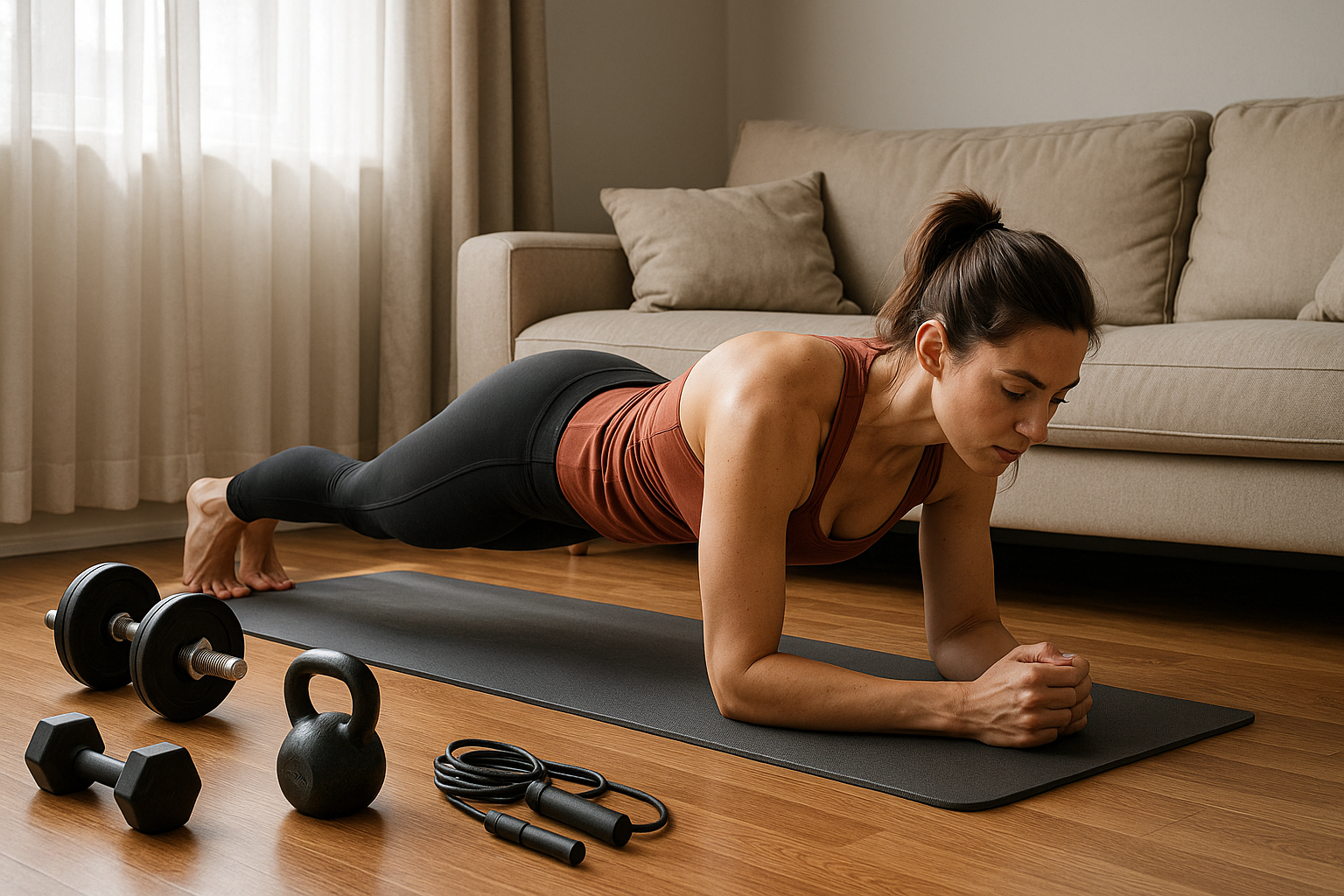
Cardiovascular exercise, often referred to as cardio, is a cornerstone of fitness that involves activities designed to elevate your heart rate and breathing. For beginners, cardio represents an accessible and effective way to jumpstart a healthier lifestyle. It not only improves cardiovascular health but also enhances endurance, reduces the risk of heart disease, and boosts mood, making it an essential component of overall well-being.
why beginners should embrace cardio
For those new to exercise, cardio offers a welcoming entry point due to its simplicity and minimal equipment requirements. One of the most significant advantages of cardio is its versatility—you can perform it almost anywhere, whether at home, outdoors, or in a gym. This flexibility allows beginners to tailor their workouts to fit their schedules and preferences, making it easier to maintain consistency.
Many beginners worry about safety, complexity, and effectiveness when starting a new exercise routine. Cardio addresses these concerns by offering a range of low-impact options that are both safe and straightforward. Activities such as walking, cycling, or using an elliptical machine are gentle on the joints while still providing an effective workout. Additionally, these exercises can be easily adjusted in intensity to match your fitness level, ensuring that you’re challenged without being overwhelmed.
reassurance for absolute beginners
Starting a new fitness journey can be daunting, but cardio is designed to be both simple and enjoyable. Whether you’re transitioning from a sedentary lifestyle or dealing with mild discomfort, cardio can be adapted to meet your needs. This guide aims to provide you with easy steps to incorporate cardio into your daily routine, ensuring that you can comfortably and confidently begin your path to improved health.
Remember, every small step counts, and the key to success is consistency. By integrating cardio into your life, you’re not just working towards a fitter body but also fostering a healthier mindset. With time, patience, and dedication, you’ll find that cardio becomes a rewarding and integral part of your lifestyle.
understanding cardio: how much and how often?
When starting your cardio journey, it's essential to understand how much exercise you should aim for and how often. The general guideline for cardiovascular exercise suggests that adults engage in 150 to 300 minutes of moderate-intensity exercise or 75 to 150 minutes of vigorous-intensity exercise per week. For beginners, this might seem daunting, but it's crucial to remember that you can start small and gradually build up your endurance over time.
To determine the intensity of your workout, you can use the "talk test." During moderate-intensity activities, you should be able to talk but not sing. For vigorous-intensity exercises, speaking more than a few words should be challenging. This simple method helps you gauge your effort without needing specialized equipment.
safety and ergonomics in cardio
Safety should always be a priority when engaging in cardio, especially for beginners. Starting with a proper warm-up and ending with a cool-down is vital to prevent injuries. Spend at least five minutes on each, focusing on gradually increasing your heart rate during the warm-up and allowing it to return to normal during the cool-down.
Listening to your body is crucial. If you experience chest pain, dizziness, or severe shortness of breath, stop exercising immediately and seek medical advice. Additionally, maintaining proper ergonomics during your workouts can prevent unnecessary strain on your body. Ensure you have a neutral spine, proper joint alignment, and wear appropriate footwear to support your activities.
beginner-friendly cardio options
Cardio doesn't have to be complicated or high-impact. There are several beginner-friendly options that are both effective and gentle on the joints. Walking is an excellent starting point, especially on flat surfaces. Pay attention to your posture by keeping your head up, shoulders relaxed, and engaging your core.

Men's Posture Shirt™ - Black
Patented shirt helps improve posture, relieve muscle pain, and promote proper alignment at work or exercise.
Stationary cycling is another great option, allowing you to adjust the seat height to maintain a neutral spine. Elliptical machines provide a low-impact workout that mimics running without the jarring impact on your joints. If you prefer working out at home, try simple routines like marching in place or side steps to get your heart rate up without any equipment.
sample 4-week cardio plan
To help you get started, here's a simple 4-week cardio plan designed for beginners. During the first two weeks, focus on walking intervals. For example, walk briskly for two minutes, followed by a slower pace for three minutes. Repeat this cycle for 20 to 30 minutes, three days a week.
In weeks three and four, you can increase the length of your sessions or incorporate low-impact home circuits. Remember to include rest days to allow your body to recover and emphasize gradual progression to avoid overexertion. By following this plan, you'll build a solid foundation for your cardio routine and improve your overall fitness.
At-home beginner circuit: no equipment needed
For those who prefer exercising at home, a simple circuit can provide an effective cardio workout without the need for equipment. This 15-minute routine combines various movements to elevate your heart rate and strengthen different muscle groups. Start with marching in place, focusing on lifting your knees and swinging your arms to engage your core. Next, perform side steps, moving laterally while keeping your posture upright.
Include low-impact jumping jacks by stepping out to the side instead of jumping, reducing strain on the joints. Finally, add gentle squats, ensuring your knees are aligned with your toes and your back remains straight. This routine can be repeated two to three times, depending on your fitness level, and is designed to be accessible for beginners while still offering a cardiovascular challenge.
Cardio, posture, and long-term fitness
Incorporating regular cardio into your fitness routine not only improves cardiovascular health but also supports overall body fitness. When paired with posture exercises, cardio can enhance your body's alignment and reduce the risk of injuries. Engaging in activities that promote proper posture, such as yoga or Pilates, complements cardio by strengthening core muscles and improving flexibility.

Women's Posture Shirt™ - White
Helps improve posture, relieves tension and pain, and supports you during daily activities.
Using ergonomic aids, like posture-supporting clothing or a well-designed workspace, can further optimize your fitness journey. These tools help maintain proper alignment during daily activities, reducing strain and promoting long-term health. By balancing cardio with posture-focused exercises, you create a sustainable approach to fitness that benefits both your heart and musculoskeletal system.
Frequently Asked Questions
Is walking enough cardio for beginners?
Yes, walking is an excellent form of cardio for beginners. It is low-impact, easy to start, and can be adjusted in intensity to suit your fitness level. Regular walking can effectively improve cardiovascular health and endurance.
How often should I do cardio if I’m just starting?
Beginners should aim for 2-3 cardio sessions per week. As your fitness improves, you can gradually increase the frequency and duration of your workouts. It's important to listen to your body and allow adequate rest between sessions.
Can I do cardio with back pain?
If you experience back pain, opt for low-impact cardio exercises like walking or cycling. It's crucial to maintain proper posture and consult a healthcare professional to tailor an exercise plan that accommodates your condition.
Källor
- Planet Fitness. ”Best Cardio Workouts for Beginners.”
- Medical News Today. ”Cardio Exercises at Home.”
- Strength Matters. ”Cardio for Beginners.”
- Adidas. ”Cardio for Beginners: 8 Tips to Get Started with Cardio Exercises.”
- Nike. ”Cardio Workout at Home.”
- NorthPointe Wellness. ”5 Cardio Exercises for Beginners.”
- Reddit. ”Cardio for Beginners: How to Start Low and Build Up.”
- XTERRA Fitness. ”Beginner Cardio Workout.”