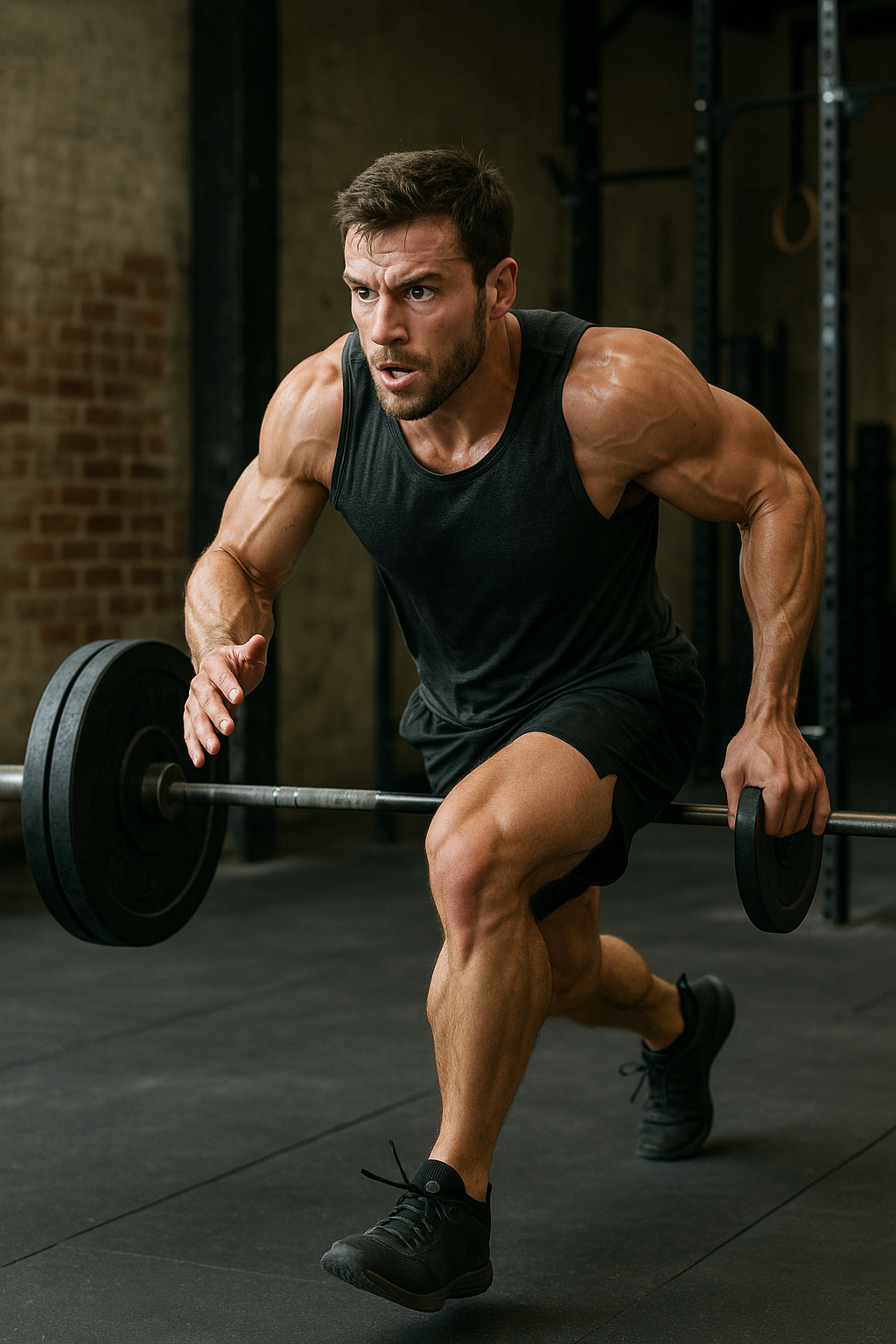
Arm training is often treated as a vanity project: a few curls at the end of a workout, a quick pump, done. But strong arms are also a posture tool, a pain-prevention strategy, and a daily-life upgrade. Your arms don’t work in isolation when you carry groceries, lift a child, push a heavy door, or spend hours at a keyboard. They work as part of a chain that starts at your shoulder blades and upper back, runs through the shoulder and elbow joints, and ends in your hands. Train that chain well, and you don’t just build muscle—you build capacity.
That’s why the most effective arm training today isn’t about doing more exercises. It’s about smart loading: choosing movements and setups that challenge the muscles while respecting the elbows and shoulders. When your joints feel good, you can train consistently. When you can train consistently, results follow—whether your goal is strength, size, or simply moving through the day with less strain.
Why arm strength matters beyond aesthetics
Well-rounded arm strength supports more than biceps and triceps size. It helps you keep better alignment through the upper body, especially if you tend to sit with rounded shoulders or a forward head posture. Those positions can subtly change how your shoulders and elbows track during pressing, pulling, and even curling, making certain movements feel “off” and increasing the risk of irritation over time.
Smart arm training also improves performance in bigger lifts and sports. Stronger triceps can make pressing feel smoother. Stronger biceps and forearms can improve pulling strength and grip endurance. And for desk workers, building resilient forearms and upper arms can reduce fatigue when the hands and wrists are doing repetitive work all day—especially when paired with better workstation setup and posture habits.
The science of effective arm training
Training smarter starts with understanding what you’re actually trying to load. The elbow bends and extends, but the shoulder position changes which fibers get challenged and how much stress lands on the joints. Small tweaks—like grip choice, range of motion, and where your elbows sit relative to your torso—can be the difference between productive tension and cranky tendons.
In the rest of this guide, you’ll learn how to build arms with a practical, evidence-informed approach: the key muscles that matter, the programming principles that drive growth, and the joint-friendly adjustments that keep arm training effective for the long term.
Arm anatomy and ergonomics: what you’re really training
Effective arm training starts with knowing which tissues create the movement and which tissues keep the movement clean. The biceps brachii is best known for elbow flexion (curling), but it also helps with forearm supination (turning the palm up) and assists at the shoulder. The brachialis sits underneath the biceps and is a major elbow flexor regardless of grip, while the brachioradialis (a large forearm muscle) contributes strongly when you use a neutral grip, like hammer curls.
On the back of the upper arm, the triceps is the primary elbow extensor. The long head of the triceps crosses the shoulder joint, which means shoulder position changes how much it can contribute. That’s why overhead extensions feel different than pushdowns: you’re altering the triceps’ length and the mechanics at the shoulder.
Finally, don’t overlook the “support crew”: forearm flexors/extensors, grip muscles, and shoulder stabilizers (especially the rotator cuff and the muscles that control the shoulder blades). If your shoulder blades don’t move and anchor well, your upper arm often compensates by drifting forward, and that can change how the elbow tracks during curls, presses, and extensions.
How rounded shoulders can sabotage arm training
Rounded shoulders and forward head posture tend to pull the upper arm into a more internally rotated, forward position. In the gym, this can show up as elbows flaring during triceps work, shoulders rolling forward during curls, or a “pinchy” feeling during pressing. Over time, that setup may increase stress on the front of the shoulder and make the elbows feel irritated because the joints are repeatedly loaded from a less stable base.
A simple checkpoint is to start most arm work by gently setting your shoulder blades: think “down and back” without over-squeezing. You’re not trying to lock everything rigid; you’re creating a stable platform so the elbow can do its job without the shoulder constantly shifting.
Science-based principles for arm training that actually works
Arm growth and strength come from progressive overload, enough weekly hard sets, and consistent execution. The mistake many people make is chasing fatigue with endless variations instead of building repeatable, trackable work that you can recover from.
Volume and frequency: more often, not all at once
For most people, arms respond well to being trained multiple times per week in smaller doses. A practical target is adding 3–4 arm exercises across the week, often placed toward the end of upper-body or full-body sessions. This approach keeps technique sharper (less junk volume), spreads tendon stress out, and makes it easier to recover than cramming everything into a single arm day.
Compound lifts still build arms
If you row, chin up, and press with solid technique, your biceps and triceps already get meaningful work. Rows and pull-ups challenge elbow flexion under load, while presses and dips demand strong elbow extension. Isolation work then becomes the “finisher” that targets what compounds may miss: specific elbow angles, peak contraction, and controlled tempo.
Use different elbow positions and grips
To develop the arms fully and keep joints happier, rotate how you load the elbow. For biceps, include at least two of the following patterns over time: elbows slightly in front of the torso (curl variations that emphasize the shortened position), elbows by the sides (classic curls), and neutral-grip work (hammer-style) to bring the brachialis and brachioradialis into play. For triceps, include one movement where the arm is overhead to bias the long head, plus one where the elbows stay closer to the sides for heavier, more stable loading.
Pain-free, joint-friendly arm training
Joint-friendly doesn’t mean “easy”; it means choosing setups that let you apply effort without grinding sensitive structures. Start by prioritising controlled range of motion and a grip that your wrists and elbows tolerate. Many people feel better using dumbbells, cables, or neutral grips because they allow the forearm to rotate naturally instead of forcing a fixed hand position.
Next, manage intensity with intent. Stop 1–3 reps shy of failure on most sets, especially for elbow-heavy work like skull crushers or heavy barbell curls. Tendons often dislike sudden spikes in volume, so progress by adding a rep or a small amount of load week to week rather than doubling your weekly arm work overnight.
Finally, keep your alignment honest. If you notice your shoulders creeping up, ribs flaring, or wrists collapsing, the set is no longer targeting the muscle the way you think it is. This is where ergonomic aids can help: posture-support tools and well-fitted supports can act as a reminder to maintain a stacked upper body, especially for people who spend the day in a rounded sitting position and then try to train hard right after work.

Women's Posture Shirt™ - Black
Activates muscles, improves posture, and can relieve pain—ideal for daily use or training.
Sample arm training programs for different needs
Good arm training is repeatable, measurable, and easy to recover from. The programs below are designed to build muscle and strength while keeping the elbows and shoulders in a position to tolerate consistent work. Choose one based on your current environment and priorities, and run it for 6–8 weeks before making major changes.
Hypertrophy-focused gym routine (2x per week add-on)
Add this at the end of two upper-body or full-body sessions per week. Rest 60–120 seconds between sets, and keep 1–2 reps in reserve on most sets.
- Incline dumbbell curl – 3 sets of 8–12 reps (slow lower, elbows stay slightly behind the torso)
- Hammer curl – 2–3 sets of 10–12 reps (neutral grip to load brachialis and forearms)
- Cable triceps pushdown – 3 sets of 8–12 reps (elbows close to sides, no shoulder roll-forward)
- Overhead cable or dumbbell triceps extension – 2–3 sets of 10–15 reps (controlled stretch, ribs down)
- Optional forearm finisher: reverse curl or wrist extension – 2 sets of 12–20 reps
Progression: when you hit the top of the rep range on all sets with clean form, increase the load slightly next session.
Desk-worker routine (10 minutes, 3–5x per week)
This arm training option prioritises scapular control, forearm endurance, and posture-friendly positioning. Use a light resistance band and move smoothly.
- Band pull-apart – 2 sets of 12–20 reps (shoulder blades move, neck stays relaxed)
- Band external rotation (elbows at sides) – 2 sets of 10–15 reps per side
- Band curl – 2–3 sets of 12–20 reps (wrists neutral, shoulders down)
- Band pressdown – 2–3 sets of 12–20 reps (elbows pinned, avoid leaning forward)
- Wrist extension isometric – 2 rounds of 20–30 seconds (forearms supported on desk, gentle effort)
If you tend to sit rounded all day, consider pairing this with a posture reminder strategy: adjust screen height, keep elbows supported, and use ergonomic aids that help you maintain a stacked ribcage and shoulder position during both work and training.

Men's Posture Shirt™ - White
Patented NeuroBand™ shirt for men for better posture and pain relief, ideal for use at work, leisure, or during training.
Functional and age-friendly routine (2–3x per week)
This version builds practical pushing, pulling, and carrying capacity with joint-friendly loading. Stop each set while you still have 2–3 good reps left.
- Incline push-up (hands on bench or wall) – 2–4 sets of 6–12 reps
- One-arm supported row (dumbbell or band) – 2–4 sets of 8–12 reps per side
- Chair-assisted triceps dip or bench dip (partial range) – 2–3 sets of 6–10 reps (only if shoulders tolerate it)
- Farmer carry (light dumbbells or bags) – 3 rounds of 20–40 seconds (tall posture, steady breathing)
If dips bother the shoulders, swap them for a close-grip incline push-up or a band pressdown. The goal is strong elbow extension without joint irritation.
Arm training for everyday tasks and work
In daily life, your arms rarely work alone. Carrying groceries, lifting boxes, pushing a vacuum, opening heavy doors, or holding a child all require the upper back and shoulder blades to stabilise so the elbows and hands can apply force efficiently. When that base is weak or your posture collapses, the forearms and elbows often take on more stress than they should, which can show up as fatigue, soreness, or recurring “tightness” around the elbow and wrist.
For desk-based work, the challenge is different: long hours of small, repetitive hand movements with the shoulders drifting forward. Smart arm training can help by building endurance in the forearms, strength in the triceps and biceps, and better control of the shoulder blades. Combined with a well-set workstation and posture-support strategies, this can reduce the feeling that your arms are “working” all day before you even reach the gym.
Frequently Asked Questions
How often should I train my arms?
For most people, arm training works best 2–4 times per week in smaller doses rather than one very long arm day. A practical approach is to add 2–4 total arm exercises across the week at the end of your main sessions. If your elbows or shoulders get irritated easily, start with 2 sessions per week and increase gradually.
Can I train arms at home without equipment?
Yes. You can build effective arm training with push-up variations (for triceps), towel or backpack rows (for pulling), and isometric holds for the forearms. If you can add one light resistance band, you unlock joint-friendly curls, pressdowns, and external rotation work that is easy to scale.
What’s the best arm workout if I have shoulder pain?
Choose movements that keep the shoulder stable and avoid positions that feel pinchy. Neutral-grip curls, cable or band pressdowns, and supported rows are often better tolerated than heavy overhead work or deep dips. Keep your shoulder blades gently set, use controlled ranges of motion, and stop sets before form changes.
Which arm exercises help with typing or mouse-related discomfort?
Prioritise forearm endurance and shoulder-blade control: wrist extension isometrics, light reverse curls, and band pull-aparts can help balance the tissues that get overworked during prolonged gripping and clicking. Pair these with workstation adjustments such as supported forearms, neutral wrist position, and regular micro-breaks to reduce cumulative strain.
Källor
- Harvard Health Publishing. "Everyday Arm Exercises: Functional Benefits."
- Anytime Fitness. "The Ultimate 15-Minute Beginner Arm Workout."
- Peloton. "Arm Workouts for Beginners."
- Women's Health. "Dumbbell Arm Exercises."
- Fitness CF. "Why Arm Strength is Important for Overall Fitness."
- Healthline. "Dumbbell Exercises for Arms."
- ACE Fitness. "The Benefits of Unilateral Training."
- YouTube. "Arm Workout Video."
- AARP. "Best Arm Workouts for Strength."
- YouTube. "Arm Strengthening Exercises."
- Pietra Fitness. "Arm Strengthening Workouts and Their Surprising Benefits."
- BarBend. "Best Arm Exercises."
- Harvard Health Publications. "Incorporating Arm Exercises into Your Fitness Routine."
- Nike. "Best Arm Workouts."
- Reddit. "The Benefits of Straight Arm Strength."
- ScienceDaily. "Research on Arm Strength and Fitness."