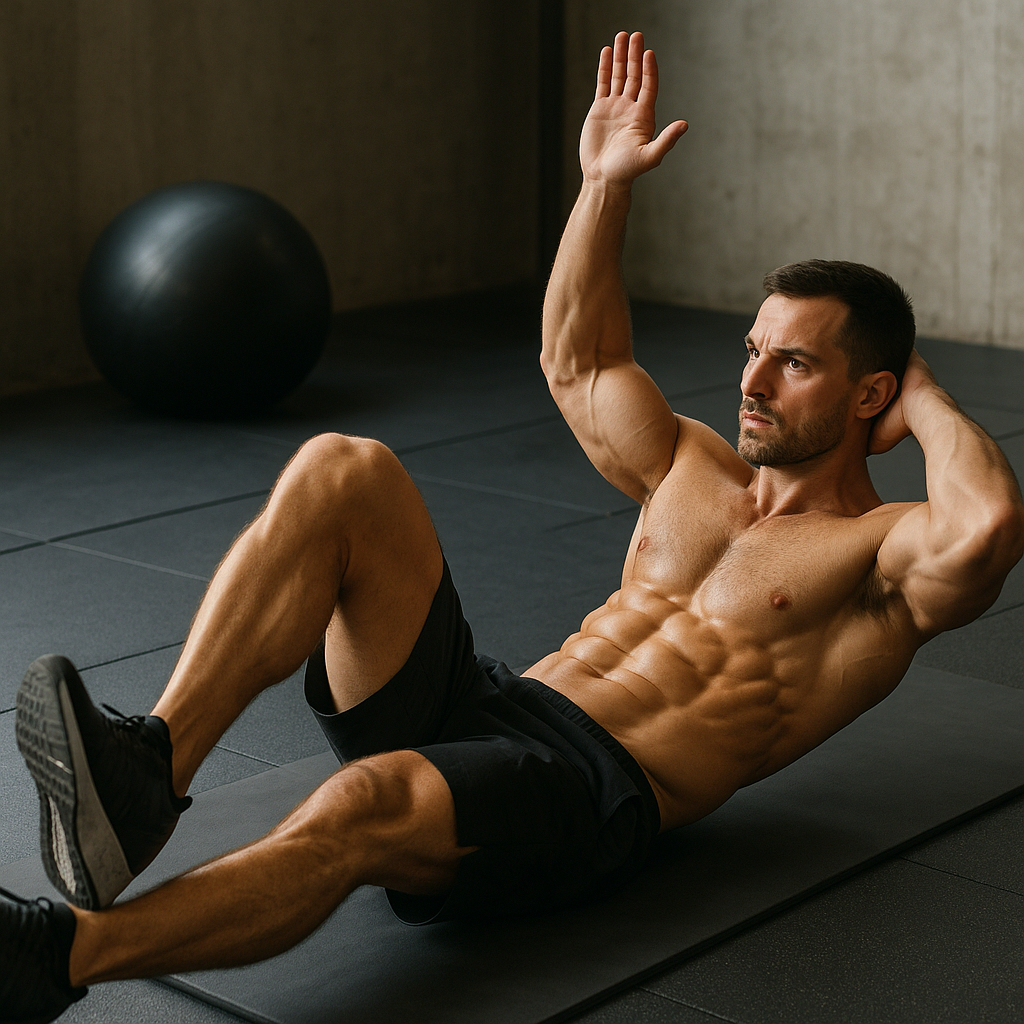
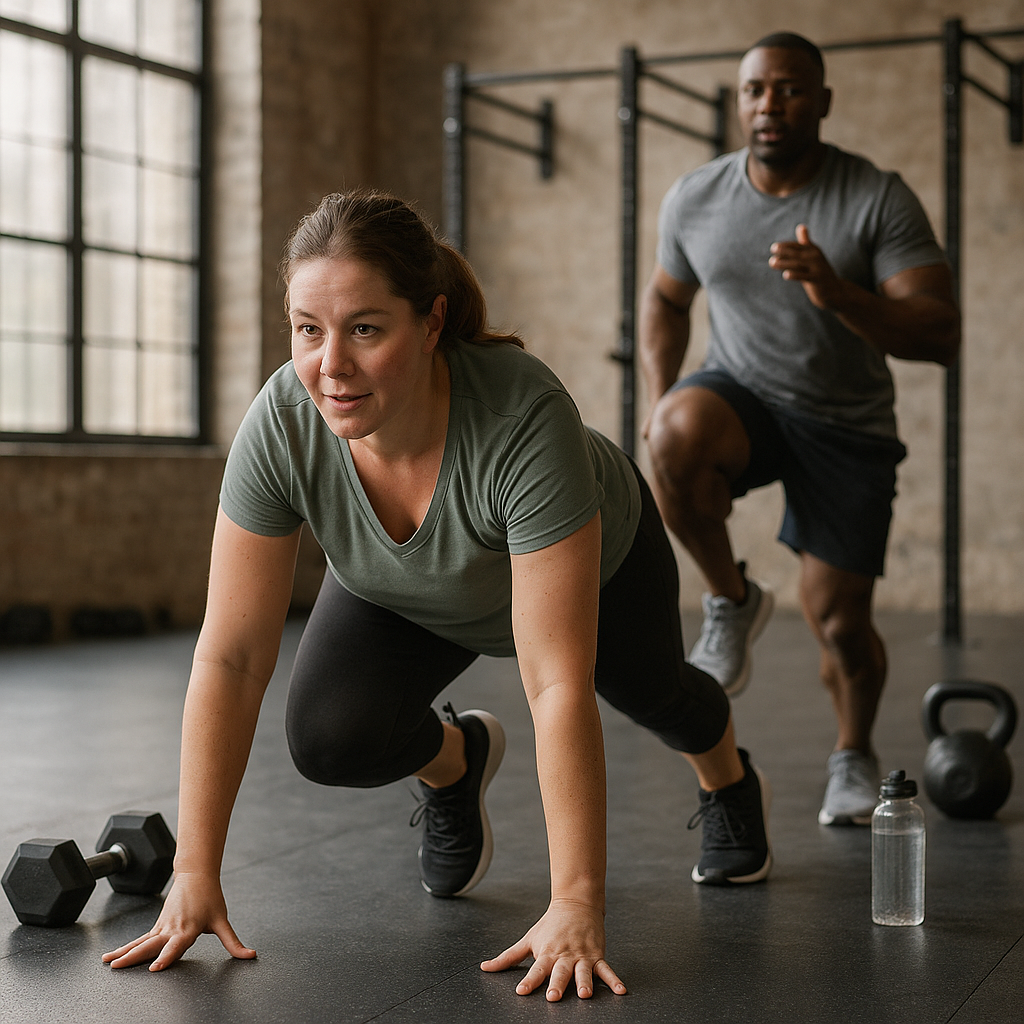
Cardio training is one of the simplest ways to improve how your body feels and performs in everyday life. In practice, it means any activity that raises your heart rate and breathing for long enough that your body has to deliver more oxygen to working muscles. That can be a brisk walk, a steady bike ride, a rowing session, a dance class, or intervals on an elliptical. The method can vary, but the goal is the same: train your heart, lungs, and circulation to handle effort more efficiently.
Done consistently, cardio training supports cardiovascular health, builds endurance, and makes daily tasks feel easier—whether that’s taking the stairs without getting winded or keeping energy steady through a busy workday. It can also be a useful tool if your goal is fat loss, because it increases total activity and can help you sustain a calorie deficit over time. But the best plan is always the one you can repeat week after week, without pain taking over.
What cardio training really is (and what it is not)
Many people think cardio equals running. It doesn’t. Cardio training is defined by the internal response (elevated pulse and breathing), not by a specific exercise. That’s good news if you have sensitive knees, hips, or lower back, or if high-impact workouts leave you sore for days. Low-impact options like walking, cycling, and machine-based cardio can still challenge your aerobic system—often with less joint stress and a lower risk of technique breaking down when you get tired.
Why ergonomics matters for your heart and your joints
Ergonomics is about how your body is positioned while you move. In cardio, small posture habits can decide whether a session feels smooth or becomes a battle with tight shoulders, a stiff neck, or an aching back. A slumped chest can make breathing feel harder than it needs to. Overstriding or collapsing through the hips can shift load into the knees and lower back. When your alignment is better, you often move more efficiently, tolerate longer sessions, and recover faster—so you can build fitness with less wear and tear.
The heart of the matter
Have you ever wondered how to make your cardio workouts more effective and joint-friendly at the same time? The answer usually isn’t “push harder.” It’s choosing the right intensity, the right modality, and a setup that supports good posture—so your heart gets the challenge it needs while your joints and muscles stay comfortable enough to keep going.
Health benefits of cardio training
Cardio training is best known for strengthening the heart and improving how efficiently your body transports oxygen. Over time, regular aerobic exercise can help lower resting heart rate, improve circulation, and support healthier blood pressure levels. In everyday terms, that often shows up as better stamina: you recover faster after effort, you can maintain a steady pace for longer, and you feel less “out of breath” during normal activities.
The benefits are not only physical. Many people notice improved mood and stress tolerance after cardio sessions, partly because consistent movement supports better sleep quality and helps regulate stress hormones. Cardio training is also linked to better brain health, including sharper focus and improved mental energy—an underrated advantage if you spend long hours at a desk. And if fat loss is a goal, cardio can increase total weekly energy expenditure, making it easier to maintain a calorie deficit without relying solely on strict dieting.
Types of cardio training (and how to choose)
Not all cardio feels the same, and you don’t need to do the “hardest” version to get results. The best type depends on your current fitness, your joints, and what you can repeat consistently.
Low-intensity steady state (LISS) includes easy walking, relaxed cycling, or gentle rowing where you can comfortably hold a conversation. This is a strong foundation for beginners, people returning from a break, and anyone who wants joint-friendly volume with low recovery cost.
Moderate intensity continuous training is the classic “brisk but sustainable” effort—think brisk walking, steady cycling, or a continuous session on an elliptical. You’re breathing harder, but you can still speak in short sentences. This is often the sweet spot for building aerobic capacity without the technique breakdown that can happen at very high intensities.
High-intensity interval training (HIIT) alternates short bursts of hard effort with easier recovery. It can be time-efficient and effective, but it also increases fatigue quickly. If your posture collapses when you push hard (rounded shoulders, excessive forward lean, hips dropping), HIIT is where joint stress and discomfort can show up—so it’s best introduced gradually.
Cardio from strength training is another option: circuit-style workouts with short rests can elevate heart rate significantly. This approach is useful if you want a “two-in-one” session, especially when you choose joint-friendly exercises and keep technique strict.
How to combine cardio and strength without losing progress
Many people worry that cardio will ruin strength gains. In reality, you can build strength and improve endurance at the same time, but smart scheduling matters. The main issue is the interference effect: doing a lot of intense endurance work can reduce how well you recover from strength training, especially if you’re also trying to improve explosive performance (like sprinting or jumping).
To manage this, use simple rules:
- Prioritise your main goal first. If strength is the priority, lift before cardio on the same day.
- Separate hard sessions when possible. If you do intense cardio and heavy lifting, place them in different sessions (ideally with several hours between).
- Choose joint-friendly modalities. Cycling, rowing, and incline walking are often easier to recover from than high-impact running.
- Keep volumes realistic. Two to four sessions per week of each style is plenty for most people, especially when life stress and sleep are not perfect.
If you’re short on time, a practical compromise is two full-body strength sessions per week plus two cardio sessions. That structure builds a strong base without overwhelming recovery.
Cardio intensity and monitoring: heart rate zones and RPE
Intensity is where many cardio plans go wrong: people either go too hard too often (leading to soreness, pain, or burnout) or stay so easy that progress stalls. Two simple tools help you find the right level: heart rate and perceived effort.
Heart rate zones are a way to match effort to a goal. While exact zones vary by person, a useful approach is:
- Easy (often “zone 2”): comfortable pace, steady breathing, sustainable for longer sessions.
- Moderate: challenging but controlled, you can speak in short phrases.
- Hard intervals: breathing is heavy, talking is difficult, effort is high but brief.
A heart rate monitor can make this more objective, especially on a bike or rowing machine where you can adjust workload precisely. If you don’t use devices, rely on RPE (rate of perceived exertion) on a 1–10 scale: easy cardio is around 3–4, moderate is 5–6, and intervals can reach 8–9.
The key is progression. Add time, frequency, or intensity slowly—especially if you’re new, returning after a break, or dealing with joint pain. A good sign you’re progressing well is that you can do more work at the same effort while staying comfortable and maintaining good posture.
Ergonomic, joint-friendly cardio training options
If your goal is to improve fitness without aggravating joints, the best cardio training choice is often the one that keeps impact low while still letting you control intensity. Different modalities load the body in different ways:
- Walking: Easy to scale and highly accessible. It is typically well tolerated, but long sessions on hard surfaces can irritate feet, knees, or hips if footwear is unsupportive or stride becomes sloppy with fatigue.
- Cycling: Low-impact and easy to dose precisely (resistance, cadence, duration). It is often a strong option if running feels harsh, but seat height and handlebar position matter for knees, hips, neck, and wrists.
- Elliptical: A joint-friendly middle ground that reduces impact while keeping a “running-like” rhythm. It can be useful when walking is too easy but running is too much.
- Rowing: Effective full-body cardio training with low impact, but it is more technical. Poor sequencing or excessive rounding can overload the lower back and shoulders.
A practical rule: choose the modality that lets you keep good posture at the intensity you want. If your form collapses as soon as you work harder, switch to a more stable option (often cycling or elliptical) until your capacity improves.
Posture cues that protect your neck, shoulders, and lower back
Posture is not about being rigid; it is about staying stacked and breathing well under effort. When posture drifts, breathing can feel restricted and you may compensate with the neck, shoulders, or lower back.
- Ribcage over pelvis: Avoid excessive arching or slumping. Think “tall torso” without flaring the ribs.
- Relax the shoulders: Keep them down and slightly back. On machines, do not shrug as intensity rises.
- Head neutral: Look ahead, not down at your feet or up at the ceiling. A forward head position often creates neck tension and shallow breathing.
- Hips steady: On walking and elliptical, avoid “hip drop” side to side. On cycling, avoid rocking on the saddle.
Supportive tools can also improve comfort and consistency. Proper footwear can reduce unnecessary stress during walking. Posture-support garments may help you notice when you start rounding through the upper back, and supportive belts or joint supports can be useful when you are returning to training and want extra stability while you rebuild tolerance.

Women's Posture Shirt™ - Black
Improves posture, relieves pain and supports muscle activation with patented NeuroBand™ technology.

Men's Posture Shirt™ - Black
Posture shirt activates muscles, relieves pain and supports posture in daily activities and training.
Sample weekly programs for cardio training
Use these templates as starting points. Keep most sessions easy to moderate, and add intensity only when you can maintain posture and recover well.
Beginner (4 sessions/week)
- 2× walking: 25–40 minutes at easy pace (RPE 3–4).
- 2× light strength circuits: 20–30 minutes (for example: squat-to-chair, hip hinge with light weight, row, carry). Keep rest short but technique strict.
Progress by adding 5 minutes to one walk each week or by adding a third short walk.
Intermediate (4 sessions/week)
- 2× full-body strength: Focus on compound lifts and controlled technique.
- 1× steady cycling or elliptical: 35–50 minutes at moderate effort (RPE 5–6).
- 1× intervals (bike or rower): 8–12 rounds of 30 seconds hard (RPE 8–9) + 90 seconds easy.
If strength is the priority, place intervals on a separate day or after lifting, not before.
Office worker program (3 sessions/week)
- 3× low-impact cardio: 20–30 minutes (incline walking, cycling, or elliptical) at easy to moderate effort.
Ergonomic focus: start each session with 2 minutes of tall posture breathing (inhale into the sides of the ribs, slow exhale), then check that your shoulders stay relaxed as you warm up.
When to be cautious
Cardio training should feel challenging, not alarming. Seek medical guidance before starting or progressing if you have known heart or lung conditions, unexplained chest pain, fainting, or severe shortness of breath. During training, stop and get help if you experience chest pressure, radiating pain, sudden dizziness, or unusual breathlessness that does not settle with rest.
If you are deconditioned or returning after pain, start low and slow. A good first goal is consistency: short sessions you can repeat comfortably. Fitness improves when your body trusts the process.
Frequently Asked Questions
How much cardio should I do per week?
A common guideline is 150 minutes of moderate-intensity activity per week, or 75 minutes of vigorous activity, or a combination of both. If you are new, start below that and build up gradually by adding 10–15 minutes per week.
Can cardio training help with weight loss?
Yes. Cardio training increases energy expenditure and can support fat loss when combined with a calorie deficit. It works best when paired with strength training and sustainable nutrition habits, so you preserve muscle while reducing body fat.
What are the best low-impact cardio exercises?
Cycling, swimming, elliptical training, rowing (with good technique), and incline walking are popular low-impact options. The best choice is the one that feels comfortable in your joints while still allowing you to reach the intensity you need.
How can I combine cardio and strength training effectively?
Prioritise your main goal first in the session, keep hard cardio away from heavy lifting when possible, and use joint-friendly modalities if recovery is a concern. For many people, two strength sessions plus two cardio sessions per week is a balanced starting point.
Why is posture important during cardio workouts?
Good posture supports more efficient breathing and reduces unnecessary strain on the neck, shoulders, hips, and lower back. When alignment improves, you often tolerate longer sessions with less discomfort.
What equipment can help make cardio training more comfortable?
Supportive footwear is a key factor for walking-based cardio. Heart rate monitors can help you control intensity. Posture-support garments and targeted supports (for example, for back or joints) can also improve comfort and body awareness, especially when fatigue makes form harder to maintain.
Källor
- Focus Factor Blog. (2023). "The Benefits of Cardio Training."
- Atletica. (2023). "Cardio Training: Die Top 5 Übungen."
- Fitness Gallery. (2023). "Why is Cardio Important?"
- Bowflex. (2023). "Bodyweight Cardio Core Workout."
- Norwegian SciTech News. (2026). "Exercise: A Very Little Goes a Long Way."
- Mayo Clinic. (2023). "Fitness Training: Elements of a Well-rounded Routine."
- Doclyss Fitness. (2023). "What Counts as Cardio? How to Tell if Your Workout Really Improves Fitness."
- Glamour. (2023). "Incline Walking vs Running: Which Cardio Workout is Best?"
- Skandika. (2023). "6 Mistakes During Cardio Training."
- LIV Hospital. (2023). "What Does Cardio Training Do for You?"
- Brooks Running. (2023). "Best Cardio for You."