Unlocking your inner balance is more than just a metaphor; it’s a practical approach to enhancing your physical well-being through everyday movements. Balance and stability are two foundational elements of physical fitness that play a crucial role in our daily lives. Understanding these concepts can lead to improved health, reduced risk of injury, and a greater sense of physical confidence.
Understanding balance and stability
Balance refers to the ability to maintain the body's center of gravity within its base of support. It is an essential component of physical fitness that allows us to perform everyday activities with ease and grace. Stability, on the other hand, is the ability to resist or control movement or forces that could disturb balance. Together, these elements work in harmony to help us navigate our environment safely and efficiently.
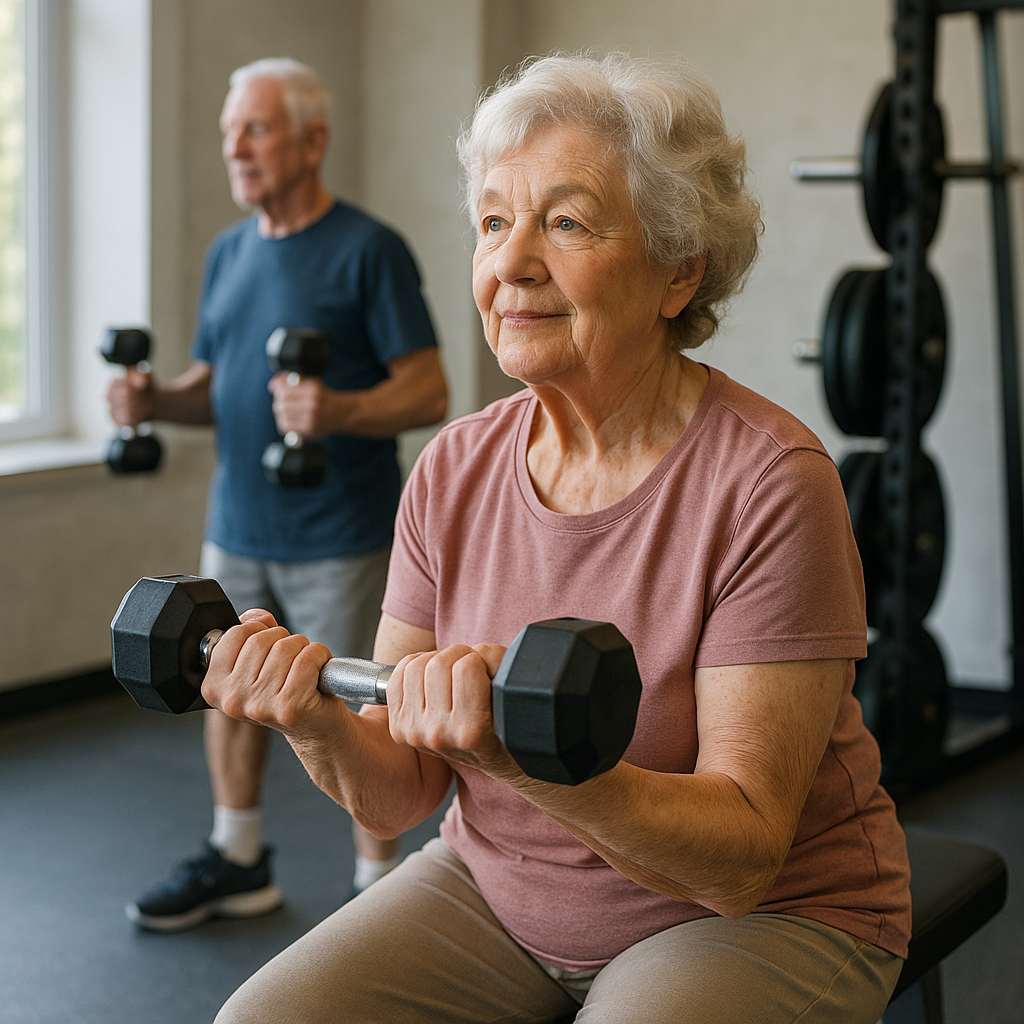
The importance of balance and stability cannot be overstated. They are integral to everything from walking and climbing stairs to participating in sports and recreational activities. Good balance and stability can enhance our ability to control our bodies, prevent falls, and improve overall movement quality. They are particularly important for older adults, who may be at a higher risk of falls, as well as for athletes looking to optimize their performance and for office workers who spend long hours in static postures.
The importance of everyday movements
Incorporating balance and stability exercises into your daily routine can have profound benefits. These exercises help improve physical control, coordination, and strength, which are vital for maintaining independence and preventing injuries. Simple activities like standing on one leg while brushing your teeth or practicing heel-to-toe walking during a work break can significantly enhance your balance and stability over time.
For older adults, maintaining balance and stability is crucial for fall prevention and sustaining an active lifestyle. Athletes benefit from enhanced stability through improved performance and reduced injury risk. Office workers, often subject to prolonged periods of sitting, can improve their posture and reduce discomfort by integrating balance exercises into their daily activities.
By understanding and prioritizing balance and stability, you can unlock a new level of physical capability and confidence. Whether you are aiming to prevent falls, enhance athletic performance, or simply move with more ease, focusing on these fundamental aspects of fitness can lead to a healthier, more active lifestyle.
Common exercises to improve balance and stability
Enhancing balance and stability doesn't require a gym membership or fancy equipment. Simple exercises can be performed at home or even at work to boost these essential skills. Here are some effective exercises to get you started:
- Single-leg stands: Stand on one leg while keeping the other slightly bent. Hold onto a chair or wall for support if needed. This exercise strengthens the stabilizing muscles in your legs and core.
- Heel-to-toe walking: Walk in a straight line, placing the heel of one foot directly in front of the toes of the other foot. This exercise improves coordination and balance.
- Weight shifts: Stand with your feet hip-width apart and shift your weight from one foot to the other. This simple movement helps improve your ability to maintain balance.
- Step-ups: Use a sturdy step or platform to step up and down, alternating legs. This exercise enhances leg strength and balance.
- Toe raises: Stand with your feet shoulder-width apart and slowly rise onto your toes, then lower back down. This exercise strengthens the lower legs and improves balance.
- Squats or sit-to-stand variations: From a seated position, stand up without using your hands, then sit back down. This exercise targets the lower body and core, enhancing stability.
For added safety, consider using support-based versions of these exercises, such as holding onto a wall or chair, especially if you're just starting out or have balance concerns.
Safety and progression tips
When incorporating balance and stability exercises into your routine, safety should be a top priority. Here are some tips to ensure a safe and effective workout:
- Use support: Always have a wall, chair, or railing nearby to provide support as you practice your exercises. This can prevent falls and build confidence.
- Slow and controlled movements: Focus on performing each exercise slowly and with control. This not only reduces the risk of injury but also maximizes the effectiveness of the workout.
- Listen to your body: Pay attention to how your body feels during exercises. If you experience pain or discomfort, stop and reassess your form or take a break.
- Progress gradually: Start with simple exercises and gradually increase the difficulty as your balance and stability improve. This could mean holding positions longer or trying exercises with your eyes closed.
The role of ergonomics in enhancing balance and stability
Ergonomics plays a crucial role in maintaining balance and stability, especially in our daily environments. Proper ergonomic support can help ensure that your body is aligned correctly during exercises and everyday activities, preventing strain and enhancing performance.

Men's Posture Shirt™ - Black
Improves posture and muscle activity for better movement and pain relief.
Integrating ergonomic aids, such as supportive footwear, ergonomic chairs, or standing desks, into your routine can promote better posture and movement patterns. These aids can also reduce fatigue and discomfort, allowing you to focus on improving your balance and stability effectively.
By paying attention to ergonomics, you can create a supportive environment that enhances your ability to perform balance and stability exercises safely and efficiently, leading to improved overall physical health and well-being.
Integrating balance and stability into daily life
Incorporating balance and stability exercises into your everyday routine can be seamlessly achieved with a few practical strategies. Whether you're at home or work, these exercises can fit into your schedule without requiring significant time or equipment. For instance, try practicing single-leg stands while brushing your teeth or performing toe raises during work breaks. These small efforts accumulate over time, leading to noticeable improvements in your balance and stability.

Women's Posture Shirt™ - White
Stimulates muscles, relieves pain, and improves posture for daily activity.
The benefits of consistent practice are substantial. Regularly engaging in balance and stability exercises enhances physical confidence, allowing you to move with greater ease and assurance. This practice is particularly beneficial for older adults, as it significantly reduces the risk of falls and related injuries. For athletes, improved stability translates to better performance and reduced injury risk. Even for those with sedentary lifestyles, such as office workers, integrating these exercises can improve posture and decrease discomfort associated with prolonged sitting.
Consistency is key. By committing to regular practice, you can unlock a new level of physical capability. As your balance and stability improve, you'll notice a positive impact on your overall well-being, making daily activities more enjoyable and less strenuous.
Frequently Asked Questions
What is the difference between balance and stability?
Balance involves maintaining the body's center of gravity within its base of support, while stability refers to the ability to resist or control movement or forces that could disturb balance.
How often should I practice balance and stability exercises?
Aim to practice balance and stability exercises at least two to three times a week. As you become more comfortable and your abilities improve, you can gradually increase the frequency.
Can balance and stability exercises help with fall prevention?
Yes, regular practice of balance and stability exercises can significantly reduce the risk of falls, especially in older adults, by enhancing physical control and confidence.
Are there specific exercises for different age groups or fitness levels?
Yes, exercises can be tailored to suit various age groups and fitness levels, including beginners, older adults, athletes, and those with specific fitness goals. Modifications and progressions ensure that everyone can benefit safely.
How can ergonomic aids support balance and stability training?
Ergonomic aids, such as supportive footwear, ergonomic chairs, and standing desks, can provide additional support and help maintain proper posture, enhancing the effectiveness and safety of balance and stability exercises.
Källor
- Smith, J. (2023). "Understanding the Role of Balance in Physical Health." Journal of Physical Fitness.
- Vestibular Disorders Association. (2024). "The Human Balance System."
- Johnson, A. (2014). "Hearing Aids May Improve Balance." Washington University Source.
- Doe, R. (2017). "The Impact of Stability Exercises on Fall Prevention." PubMed.
- Brown, L. (2022). "Balance Training for Older Adults." Journal of Geriatric Physical Therapy.
- Green, M. (2021). "Balance and Stability: A Comprehensive Overview." NCBI Bookshelf.
- White, P. (2020). "Advances in Balance Research." Oxford University Press.
- Cleveland Clinic. (2023). "Understanding the Vestibular System."
- NAPA Center. (2023). "The Importance of Vestibular Input."
- Audibel. (2023). "Does Hearing Loss Affect Balance?"
- Lee, H. (2020). "The Effects of Hearing Loss on Balance: A Critical Review." Ear and Hearing Journal.
- International Labour Organization. (2023). "Equilibrium and Balance."
- Black, J. (2022). "The Science of Balance." NCBI Bookshelf.
- Vestibular Disorders Association. (2023). "The Human Balance System: How Do We Maintain Our Balance?"