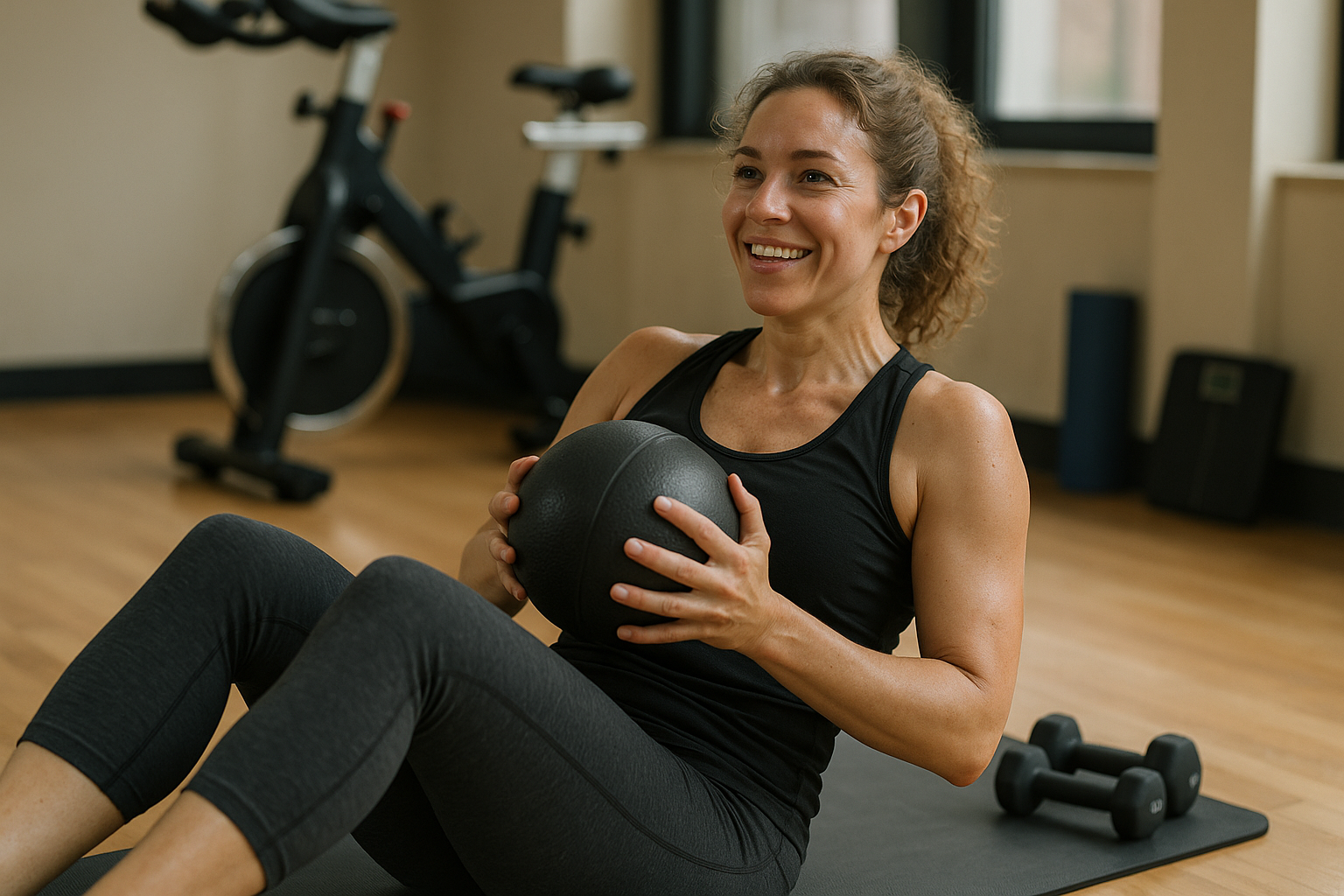
Overexertion rarely announces itself with a dramatic moment. More often, it builds quietly: an extra hour at the desk without a break, “just one more” set at the gym, carrying a heavy box with a rounded back because it feels faster, or powering through a busy week on too little sleep. Because it can look like productivity or dedication, many people miss the early warning signs—until the body pushes back with pain, fatigue, or an injury that forces an unwanted pause.
That matters because overexertion isn’t limited to athletes or physically demanding jobs. It shows up in everyday routines and across workplaces, from warehouses and healthcare settings to offices where repetitive tasks and static postures are the norm. And while a sore muscle can feel like a minor inconvenience, repeated strain over time can contribute to longer-lasting problems that affect both performance and quality of life.
What overexertion really means
Overexertion is the act of pushing beyond your physical or mental limits—either in one intense effort or through smaller demands that add up. It can happen when the load is too heavy, the pace is too fast, the technique is inefficient, or recovery is too limited. It can also be influenced by context: heat, cold, cramped spaces, and time pressure all make it easier to do “more than your body can safely handle” without realizing it in the moment.
Importantly, overexertion isn’t a personal failure; it’s often a mismatch between demands and capacity. Capacity changes daily based on sleep, stress, hydration, prior injuries, and general conditioning. What feels manageable on Monday can become risky by Friday if the body hasn’t had time to reset.
Why it’s relevant at work and in daily life
Understanding overexertion is a practical health skill because it helps you spot patterns before they turn into setbacks. Repetitive movements like typing, scanning items, or repeated lifting can gradually overload tendons and joints. Poor posture—think shoulders creeping up, head drifting forward, or twisting while carrying—can shift strain into areas that aren’t built to take it for long. Even “light” tasks can become heavy when they’re done for hours without variation.

Women's Posture Shirt™ - Black
Helps enhance posture, activate muscles, and relieve tension or pain during daily activities.
Whether you train regularly, work on your feet, or sit most of the day, learning to recognize your limits is one of the simplest ways to protect your body long term. Next, we’ll break down the most common causes and symptoms—so you can catch overexertion early and respond before it escalates.
Common causes of overexertion
Overexertion usually comes from a few predictable patterns—often a combination of how you move, how often you repeat the movement, and the conditions you’re moving in. Understanding the most common causes makes it easier to change the right thing (instead of simply trying to “push through”).
Repetitive movements that add up
Repetition is one of the biggest drivers of overexertion because the same tissues get loaded again and again with limited time to recover. In an office, that can look like long stretches of typing, mousing, or tapping on a trackpad with the wrists held in a fixed position. In more physical roles, it might be scanning items, stocking shelves, using tools, or performing the same lift hundreds of times per shift. In sports and fitness, repetition shows up as high-volume training, running mileage increases, or repeating the same technique drills without enough variation.
The tricky part is that each individual movement can feel “light,” but the cumulative load can irritate tendons, compress joints, and fatigue stabilizing muscles—especially when breaks are short or posture is fixed.
Improper technique and posture
How you do a task matters as much as how hard it is. Poor lifting mechanics (like rounding the back, twisting while carrying, or holding a load far from the body) can shift stress into the spine and surrounding tissues. At a desk, posture habits such as a forward head position, elevated shoulders, or a slumped upper back can increase strain through the neck, shoulders, and wrists. Even small technique issues—like gripping tools too tightly or reaching repeatedly with the arm extended—can make muscles work harder than necessary and accelerate fatigue.

Lumbar support belt
Provides adjustable support to relieve and stabilize your lower back during daily or repetitive activity.
Environmental and situational factors
Conditions around you can raise the risk of overexertion even when the task itself doesn’t change. Extreme heat can increase cardiovascular strain and dehydration risk, while cold can reduce dexterity and make tissues feel stiffer. Cramped spaces can force awkward angles: lifting with a twist, working with arms overhead, or bending for long periods because there’s no room to hinge properly. Time pressure also plays a role; when you rush, technique often slips and recovery breaks disappear.
Why workplaces are a hotspot
Work is a common setting for overexertion because many jobs combine repetition, fixed postures, and productivity demands. In workplace injury data, overexertion is frequently cited as a leading cause of injuries and is associated with a large share of missed workdays. That matters not only because injuries can be painful, but because they can affect income, independence, and long-term function—especially when strain becomes chronic.
Symptoms and risks: how overexertion shows up
Overexertion isn’t always immediate. Sometimes it’s a clear “I did too much” moment, but often it’s a gradual shift in how your body feels and performs. Paying attention to early signals can help you respond before a minor issue turns into a longer interruption.
Early physical symptoms
- Persistent fatigue that doesn’t match your usual effort, especially if it lingers into the next day
- Aches or soreness that feels sharp, localized, or progressively worse rather than improving
- Heaviness, weakness, or reduced coordination (for example, grip strength dropping or form breaking down sooner)
- Stiffness and reduced range of motion in the neck, shoulders, back, hips, or wrists
- Swelling or warmth around a joint or tendon after repeated activity
Common injuries linked to overexertion
When tissues are loaded more than they can tolerate, the result can be irritation, inflammation, or small tears that worsen with continued strain. In desk-based work, repetitive hand and wrist use can contribute to problems such as carpal tunnel syndrome or other repetitive strain injuries. In physically demanding roles, overexertion often shows up as back strains, shoulder issues, or tendon pain around the elbows and knees. In training, it can look like overuse injuries that flare when volume or intensity increases too quickly.
Long-term risks if you ignore the signals
Continuing to work or train through overexertion can create a cycle: pain changes how you move, compensations overload other areas, and recovery becomes harder. Over time, that can mean recurring flare-ups, reduced tolerance for activity, and limitations that affect daily tasks. For some people, the impact is not just short-term discomfort but a longer-lasting change in what the body can comfortably handle.
If you notice symptoms that are severe, worsening, or accompanied by numbness, tingling, significant swelling, chest pain, or shortness of breath, it’s important to seek medical advice promptly. In the next section, we’ll look at practical ways to prevent overexertion—through better technique, smarter recovery, and supportive ergonomic choices.
How to prevent overexertion before it becomes an injury
Preventing overexertion is less about doing nothing and more about doing tasks in a way your body can sustain. The goal is to reduce unnecessary strain, spread load across stronger joints and muscles, and build in enough recovery so tissues can adapt instead of breaking down.
Use proper form and make it the default
Good technique protects you most when you’re tired, rushed, or repeating the same task. A few practical cues can help in both work and training:
- Keep loads close to your body when lifting or carrying. The farther an object is from your center of mass, the more demand it places on your back and shoulders.
- Hinge at the hips rather than rounding through the spine. Think “hips back, chest up” when picking items up from lower heights.
- Avoid twisting under load. Turn your feet to face the direction you need to go instead of rotating through the spine.
- Relax unnecessary tension, especially in the hands and shoulders. Over-gripping tools or tensing the neck can accelerate fatigue.
If you notice your form consistently breaks down near the end of a shift or workout, treat that as a signal to reduce volume, adjust the task, or add more recovery—rather than pushing through.
Build rest and recovery into the routine
Recovery is not only what happens after a hard day; it’s also what you do during the day to keep strain from accumulating. Short, frequent breaks can be more effective than one long break because they interrupt repetitive loading. Consider:
- Micro-breaks (30–60 seconds) to reset posture, open and close the hands, or gently move the neck and shoulders.
- Task variation where possible—alternating between sitting and standing, switching hands, or rotating duties to change the tissues being used.
- Gradual progression in training: increase intensity or volume step-by-step so your body has time to adapt.
Sleep, hydration, and nutrition also influence how well you tolerate load. When those are compromised, your threshold for overexertion tends to drop.
Use ergonomic solutions to reduce strain
Ergonomics is about fitting the task to the person. Even small adjustments can lower the daily “background load” that contributes to overexertion—especially in desk-based work. Helpful changes may include:
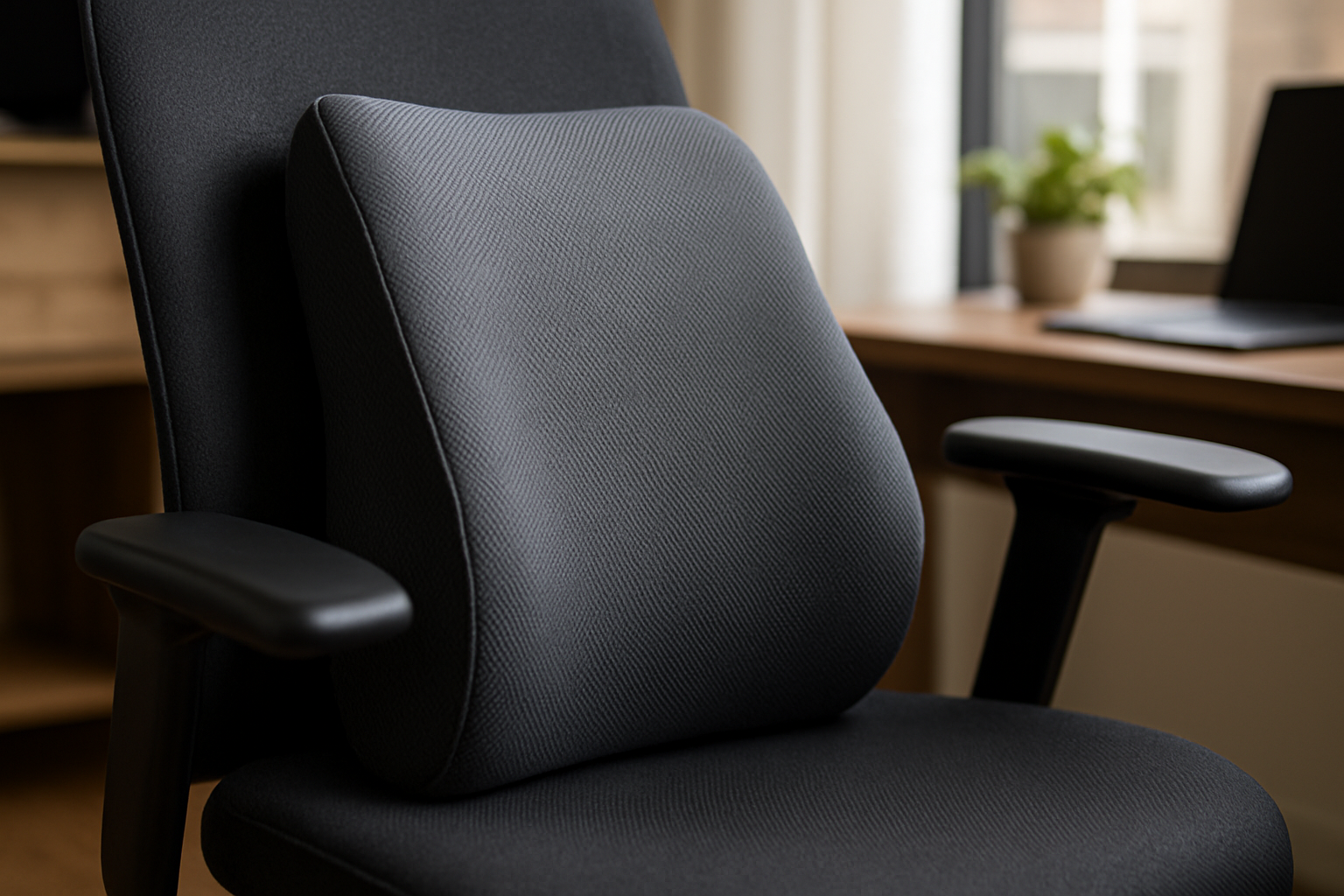
- Chair and desk setup that supports a neutral spine, with feet supported and elbows comfortably at your sides.
- Keyboard and mouse positioning that keeps wrists relatively straight and reduces reaching.
- Screen height that limits forward head posture and prolonged neck extension or flexion.
- Supportive tools (for example, anti-fatigue mats for prolonged standing or carts for moving heavy items) to reduce repeated high-force effort.
The best ergonomic setup is one you can maintain without constantly “holding” yourself in position. If you’re relying on willpower to sit or stand well, the setup likely needs adjusting.
Mental overexertion matters too
Overexertion is not only physical. Mental overexertion can build when demands exceed your capacity for attention, decision-making, and emotional regulation—often amplified by time pressure and lack of recovery. It can also increase physical risk by reducing concentration and making technique slip.
Signs to watch for
- Mental fatigue that makes simple tasks feel unusually difficult
- Decreased concentration, more mistakes, or slower reaction time
- Irritability, low motivation, or feeling “wired but tired”
- Sleep disruption or difficulty switching off after work
Strategies that help
Start with basics: clarify priorities, reduce multitasking, and schedule brief pauses between demanding tasks. If possible, set boundaries around work hours and notifications, and use recovery activities that actually restore you (a walk, a meal away from screens, or a short breathing exercise). If mental strain is persistent or affecting daily functioning, consider speaking with a qualified healthcare professional.
Frequently asked questions
What is overexertion?
Overexertion is pushing physical or mental effort beyond your current limits. It can happen in a single intense moment (like lifting too much) or gradually through repeated demands with insufficient recovery.
How can I recognize the symptoms of overexertion?
Common signs include persistent fatigue, increasing aches or pain, reduced coordination or strength, stiffness, and symptoms that worsen with continued activity. In some cases, numbness, tingling, or swelling can indicate a more serious issue that needs medical attention.
What are the best ways to prevent overexertion?
Focus on proper technique, regular breaks, and gradual increases in workload or training volume. Ergonomic adjustments—such as improving posture support and reducing repetitive reaching—can also lower daily strain and help prevent overexertion.
Can overexertion affect mental health?
Yes. Mental overexertion can contribute to stress, irritability, sleep problems, and reduced concentration. It can also increase physical injury risk by making it harder to maintain safe technique and good decision-making.
Why is overexertion common in workplaces?
Many workplaces combine repetitive tasks, fixed postures, time pressure, and limited recovery opportunities. When demands stay high and the body has little chance to reset, overexertion becomes more likely—especially over weeks and months. Posture clothing for men and other ergonomic solutions can help reduce the risk in these environments.
Källor
- WebMD. (n.d.). "What to Know About Overexertion."
- UCLA Health. (2021). "No Pain, No Gain? Training Too Hard Can Have Serious Health Consequences." [Video].
- UCLA Health. (2021). "No Pain, No Gain? Training Too Hard Can Have Serious Health Consequences."
- PubMed. (2005). "Overexertion and Musculoskeletal Disorders: A Review."
- Healthline. (n.d.). "Overexertion: Symptoms, Causes, and Prevention."
- Scandinavian Journal of Work, Environment & Health. (2005). "Work-Related Musculoskeletal Disorders."
- PMC. (2012). "The Impact of Overexertion on Physical Health."
- Hospital for Special Surgery. (n.d.). "Move Better: Overtraining."