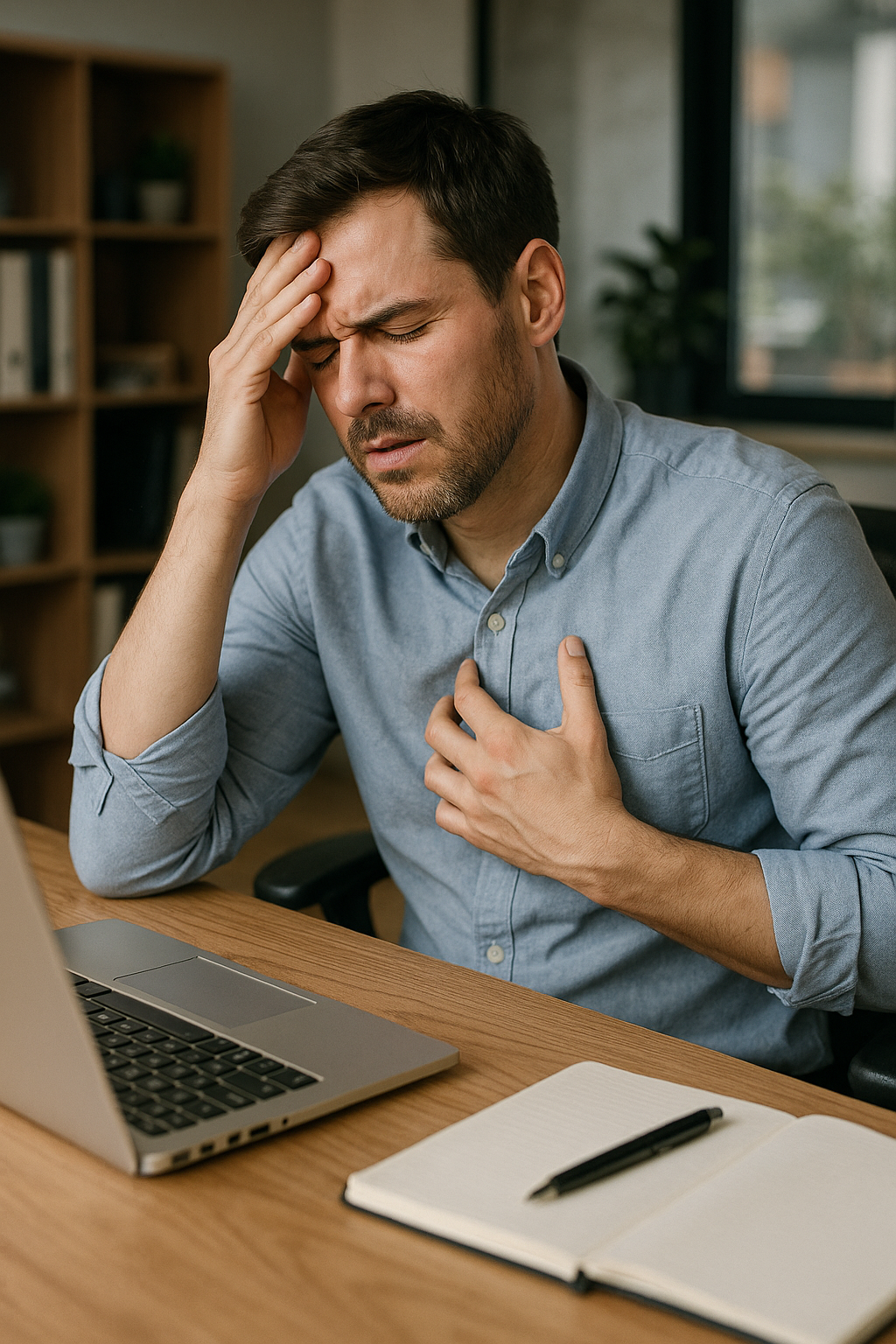
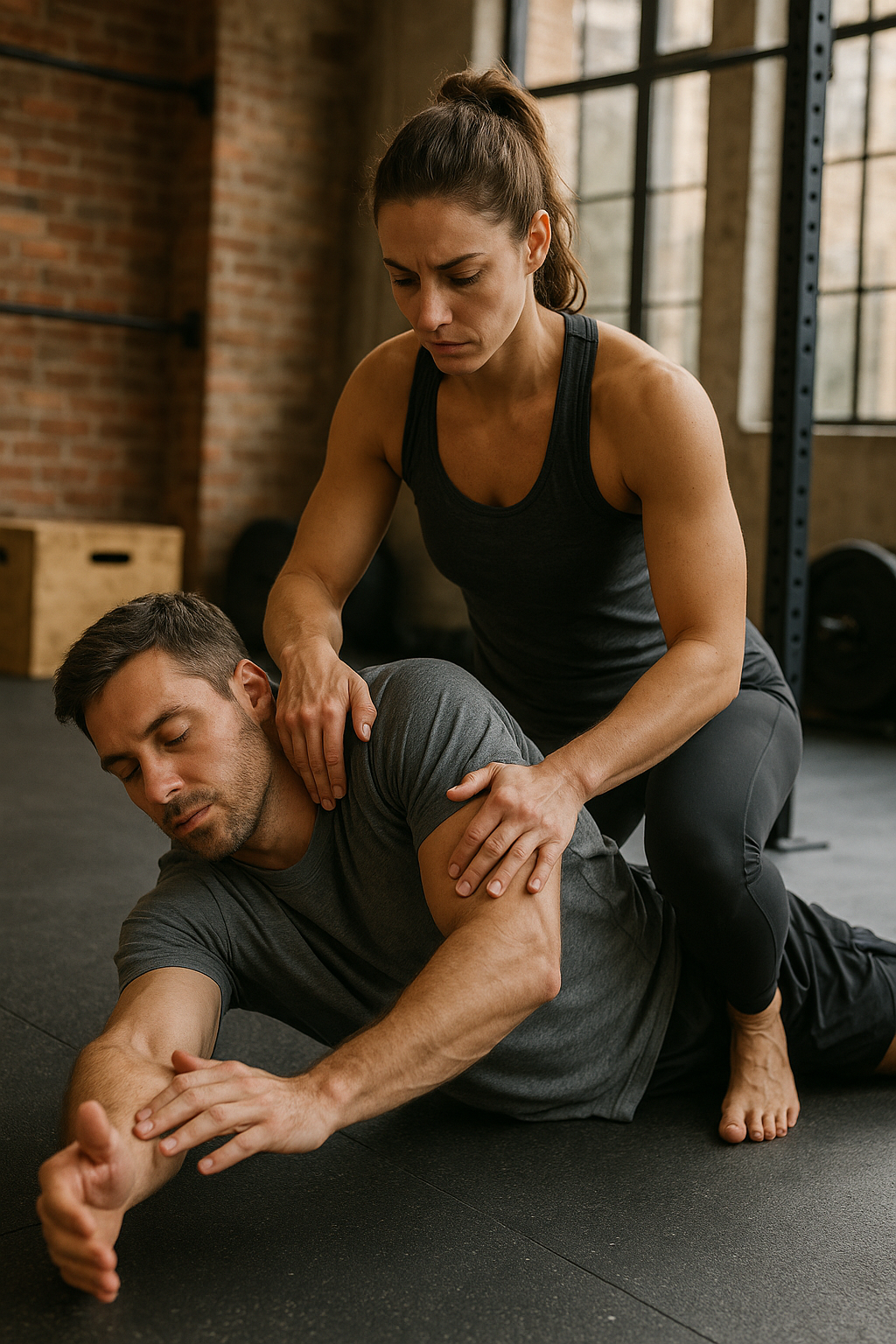
It’s hard to ignore how much health and wellness has moved from a “nice-to-have” to a daily priority. We track steps, compare sleep scores, and look for small habits that make us feel better in our bodies and minds. In that landscape, one question keeps coming up: why is exercise important? Not because everyone needs to train for a marathon, but because movement is one of the most reliable ways to improve how you function in everyday life—at work, at home, and over time.
Modern routines don’t always help us move naturally. Many of us sit for long stretches, commute, and spend evenings recovering from the day rather than recharging. Exercise becomes a practical counterbalance: it’s a way to keep your body capable, your energy steadier, and your resilience higher—without needing extreme programs or perfect consistency.
Exercise isn’t only about weight loss
One of the biggest misconceptions is that exercise is mainly for changing how you look. Another is that it’s reserved for athletes or people who already feel fit. In reality, physical activity is less about aesthetics and more about capacity: being able to carry groceries without strain, take the stairs without feeling winded, or wake up with fewer aches and more mobility.
Exercise also isn’t an “all or nothing” deal. A short walk, a beginner strength session, or a few minutes of mobility work can still be meaningful. The goal is not perfection—it’s progress that fits your life and supports your health in a sustainable way.
What you’ll gain from moving more
The benefits of exercise reach far beyond the obvious. In the rest of this post, we’ll explore how regular movement can strengthen your physical health—think heart, muscles, bones, and long-term function. We’ll also look at the mental side: how activity can help with stress, focus, and mood when life feels busy or demanding.
Finally, we’ll touch on the emotional and social effects that often get overlooked, like confidence, motivation, and the simple boost that comes from feeling more connected to your body. Whether you’re starting from scratch or trying to get back into a routine, understanding the “why” makes it easier to choose the “how.”
Physical health benefits of regular exercise
When people ask why is exercise important, the most visible answers are often physical—and for good reason. Your body adapts quickly to consistent movement, and those changes support everyday function as well as long-term health.
Cardiovascular health
Exercise trains the heart like any other muscle. Aerobic activity such as brisk walking, cycling, swimming, or jogging helps your heart pump more efficiently, improves circulation, and supports healthier blood pressure. Over time, this can lower the risk factors associated with heart disease and stroke. Even moderate-intensity activity done consistently can make a meaningful difference, especially if your daily routine is mostly sedentary.
Weight management and metabolic health
Exercise supports weight management by increasing energy expenditure, but its impact goes beyond the scale. Regular movement helps regulate blood sugar, improves insulin sensitivity, and supports healthier cholesterol levels. Strength training is particularly useful because building muscle can raise your resting metabolic rate, meaning you burn more energy even when you’re not exercising. Combined with balanced nutrition, activity becomes a practical tool for preventing gradual weight gain over time.
Muscle and bone strength
Muscle mass and bone density naturally decline with age, but exercise slows that process. Resistance training (using weights, resistance bands, or bodyweight) strengthens muscles that protect joints and improve posture. Weight-bearing activity such as walking, stair climbing, and strength exercises also stimulates bone remodeling, which helps maintain bone density and reduces the risk of osteoporosis later in life. For many people, this translates into fewer aches, better balance, and more confidence in daily movement.

Men's Posture Shirt™ - Black
Activates muscles, relieves pain, and improves posture; ideal for all-day use during work or workouts.
Immune system support
Moderate, consistent exercise is associated with improved immune function. It can help your body circulate immune cells more effectively and may reduce the frequency of common illnesses. The key is balance: extremely intense training without adequate recovery can temporarily increase susceptibility to illness, while regular moderate activity tends to support resilience. Prioritising sleep, hydration, and rest days helps exercise work with your immune system rather than against it.
Mental health benefits that show up fast
One reason exercise is so powerful is that the mental benefits often appear before physical changes do. A single session can shift how you feel, and a routine can change how you cope with stress over time.
Stress reduction and nervous system regulation
Movement helps your body process stress. Physical activity increases the release of endorphins and supports other brain chemicals involved in mood and relaxation. It can also help regulate the stress response by giving your nervous system a healthy “on/off” cycle—effort followed by recovery. For people who carry tension in the shoulders, neck, or lower back after long workdays, gentle strength and mobility work can be especially helpful because it combines movement with focused breathing and body awareness.

Women's Posture Shirt™ - Black
Patented shirt activates muscles and relieves tension for better posture and all-day comfort.
Sharper focus and cognitive function
Exercise supports brain health by improving blood flow and encouraging changes that help the brain form and maintain connections. Many people notice better concentration and mental clarity after a walk or workout, particularly when they’ve been sitting for hours. Over time, regular activity is linked to improvements in memory, learning, and overall cognitive performance, making it a practical habit for students, professionals, and anyone who wants to stay mentally sharp.
Support for anxiety and depression symptoms
Exercise is not a cure-all, but it can be a meaningful part of a mental health plan. Regular physical activity is associated with reduced symptoms of anxiety and depression for many people, partly because it improves sleep, builds routine, and creates a sense of progress. It also offers a break from rumination by shifting attention to the body and the present moment. If you’re starting from a low baseline, even short sessions can help—consistency matters more than intensity.
Emotional and social benefits that keep you going
Beyond the measurable health outcomes, exercise changes how you relate to yourself and others. These benefits are often what make a routine sustainable.
Improved mood and self-esteem
Following through on movement—whether it’s a 10-minute stretch or a full workout—builds trust in your own ability to care for yourself. That sense of competence can boost self-esteem and create a more positive outlook. Exercise also helps many people feel more comfortable in their bodies, not because of appearance, but because of capability: feeling stronger, steadier, and more in control of daily tasks.
Connection and social support
Group classes, team sports, walking clubs, or simply meeting a friend for a workout can add a social layer that improves motivation and reduces loneliness. Shared movement creates accountability and can make exercise feel less like a chore and more like a regular part of life. If you prefer solo activity, you can still build connection by choosing routines that get you outside or into a community space, like a local pool or gym.
Long-term benefits that improve quality of life
If you have ever wondered why is exercise important beyond the short-term boost, the answer is simple: it helps you stay capable for longer. Regular movement supports healthier ageing by maintaining strength, balance, and cardiovascular capacity—three factors that strongly influence how independent you feel in daily life. The goal is not to avoid ageing, but to age with more options: being able to travel, play with children or grandchildren, manage a home, and recover faster from setbacks.
Exercise is also linked to longevity. People who are consistently active tend to have a lower risk of early death compared with those who are inactive, even when activity is moderate. The benefits add up over time because movement supports multiple systems at once: heart and lungs, muscles and bones, metabolism, and mental health.
Chronic disease prevention
Long-term, exercise plays a major role in reducing the risk of chronic conditions that often develop gradually. Regular activity improves insulin sensitivity and helps regulate blood sugar, which is central to preventing type 2 diabetes. It also supports healthy blood pressure and cholesterol levels, lowering cardiovascular risk.
There is also evidence that physical activity is associated with a reduced risk of certain cancers, including colon and breast cancer. While exercise cannot guarantee prevention, it can influence key risk factors such as inflammation, hormone regulation, immune function, and body composition. The most consistent message is that doing something is far better than doing nothing—and consistency matters more than intensity.
Exercise across life stages
Exercise is not one-size-fits-all. The most sustainable approach is the one that matches your current life stage, energy, and needs.
Children and adolescents
For younger people, movement builds more than fitness. It supports motor skills, bone development, confidence, and emotional regulation. Active play, sports, cycling, dancing, and walking to school all count. Establishing positive experiences with movement early can make exercise feel normal rather than like a punishment or a task.
Adults with busy schedules
For many adults, the barrier is not knowledge—it is time and fatigue. The most effective strategy is to treat exercise as a tool for energy and function, not another performance goal. Short sessions still work: a brisk 20-minute walk, a quick strength circuit at home, or a bike ride can maintain momentum. If you sit for work, adding movement breaks and basic strength training can also help manage common issues like stiffness in the hips, upper back, and shoulders.
Seniors and healthy ageing
For older adults, exercise supports mobility, balance, and independence. Strength training helps maintain muscle mass, while balance work reduces fall risk. Low-impact cardio supports heart and lung health without excessive joint stress. The best routine is one that feels safe and repeatable, ideally with guidance if there are medical conditions, pain, or a history of falls.
Practical ways to make exercise stick
Knowing why is exercise important is helpful, but habits are built through practical choices. Start with a routine that is realistic, enjoyable, and easy to repeat.
Choose an activity you can tolerate on a bad day
Motivation fluctuates. Pick at least one form of movement you can do even when you are tired or busy, such as walking, gentle cycling, mobility work, or a short bodyweight session. If you enjoy it, you will do it more often.
Set goals that focus on behaviour
Outcome goals (like a certain weight or a visible change) can be slow to show up. Behaviour goals are more reliable: three walks per week, two strength sessions, or 8,000 steps on weekdays. Track progress simply—calendar checkmarks are enough.
Reduce friction and plan for obstacles
Make exercise easier to start. Keep shoes by the door, schedule workouts like appointments, or pair movement with something you already do (a walk after lunch, stretches after brushing your teeth). If pain or discomfort is a barrier, scale down intensity, shorten the session, or choose lower-impact options rather than stopping completely.
Frequently Asked Questions
How much exercise is recommended per week?
Many health guidelines recommend at least 150 minutes of moderate-intensity aerobic activity per week (or 75 minutes of vigorous activity), plus strength training on two or more days per week. If that feels like a lot, start smaller and build up—consistency is the priority.
Can exercise replace medication for certain health conditions?
Exercise can significantly improve markers like blood pressure, blood sugar, and mood, and it may reduce the need for medication in some cases. However, it should not replace prescribed medication without medical guidance. If you want to adjust treatment, discuss it with a qualified healthcare professional who can monitor your progress safely.
What are some low-impact exercises for beginners?
Good low-impact options include brisk walking, stationary cycling, swimming, water aerobics, elliptical training, and beginner strength training with bodyweight or resistance bands. Gentle mobility routines and Pilates-style exercises can also improve strength and control without high joint stress.
How can I incorporate exercise into a busy schedule?
Use short sessions and stack movement into your day. Try a 10-minute walk in the morning, a 10-minute strength circuit in the afternoon, and a short stretch in the evening. You can also schedule two longer sessions on weekends and keep weekdays lighter.
What are the best exercises for mental health improvement?
Moderate aerobic activity (like walking, cycling, or swimming) is strongly associated with stress reduction and improved mood. Strength training can also help by building confidence and routine. For many people, the best choice is the one they will do consistently, ideally with a calming element such as outdoor time, steady breathing, or a social component.
Källor
- MedlinePlus. (n.d.). "Benefits of Exercise."
- HealthPartners. (n.d.). "Physical and Mental Benefits of Exercise."
- World Health Organization. (n.d.). "Physical Activity."
- American Heart Association. (n.d.). "AHA Recommendations for Physical Activity in Adults."
- Mayo Clinic. (n.d.). "Exercise: 7 Benefits of Regular Physical Activity."
- PubMed. (2017). "Exercise and Physical Activity: Benefits for Older Adults."
- American Heart Association. (n.d.). "Why is Physical Activity So Important for Health and Wellbeing?"
- CommuniHealth. (n.d.). "The Importance of Exercise to Overall Well-being."
- Harvard Health. (n.d.). "Exercise and Fitness."
- Yale Medicine. (n.d.). "Yale Experts: Benefits of Exercise."
- National Institute on Aging. (n.d.). "Health Benefits of Exercise and Physical Activity."
- Centers for Disease Control and Prevention. (n.d.). "Benefits of Physical Activity."