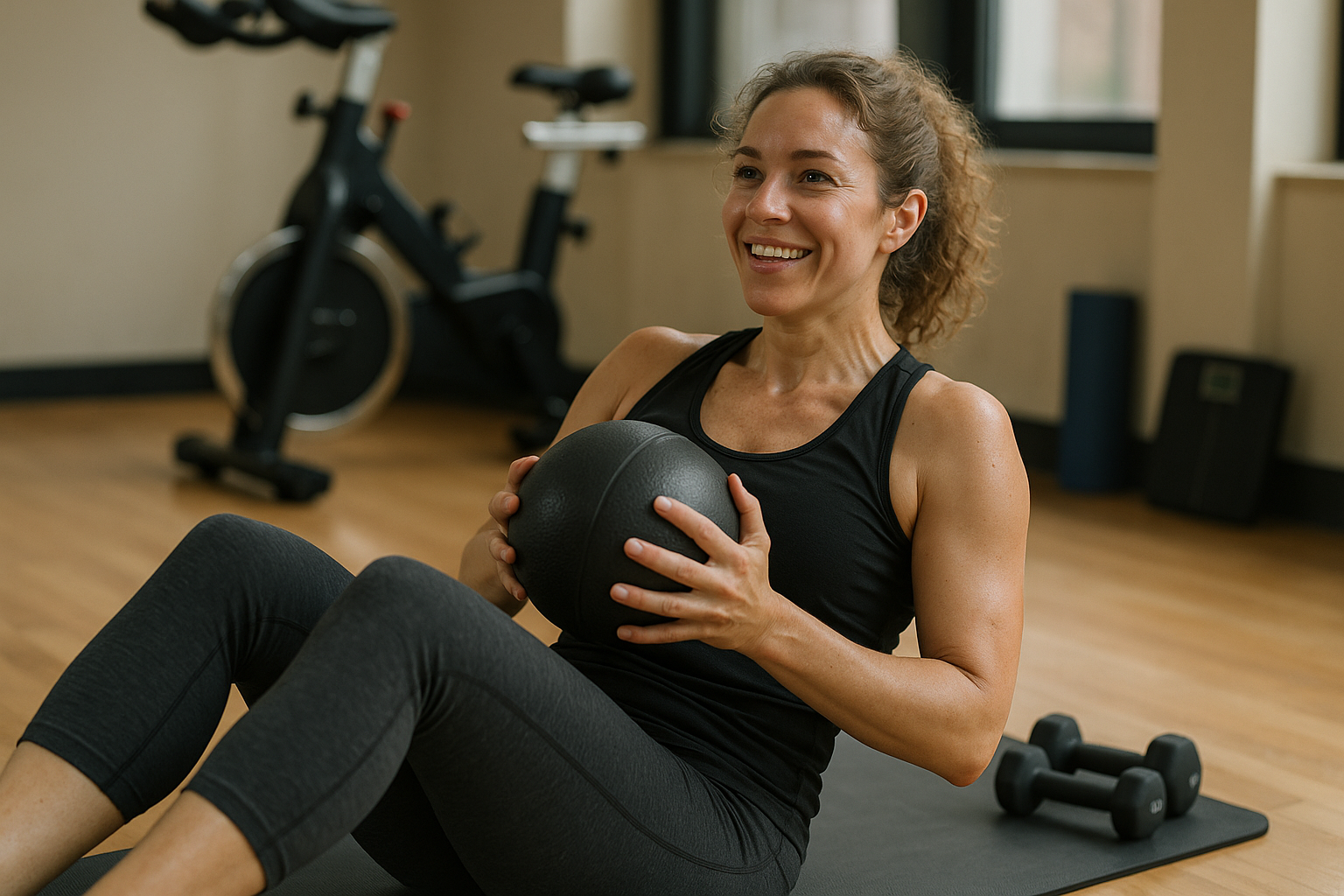
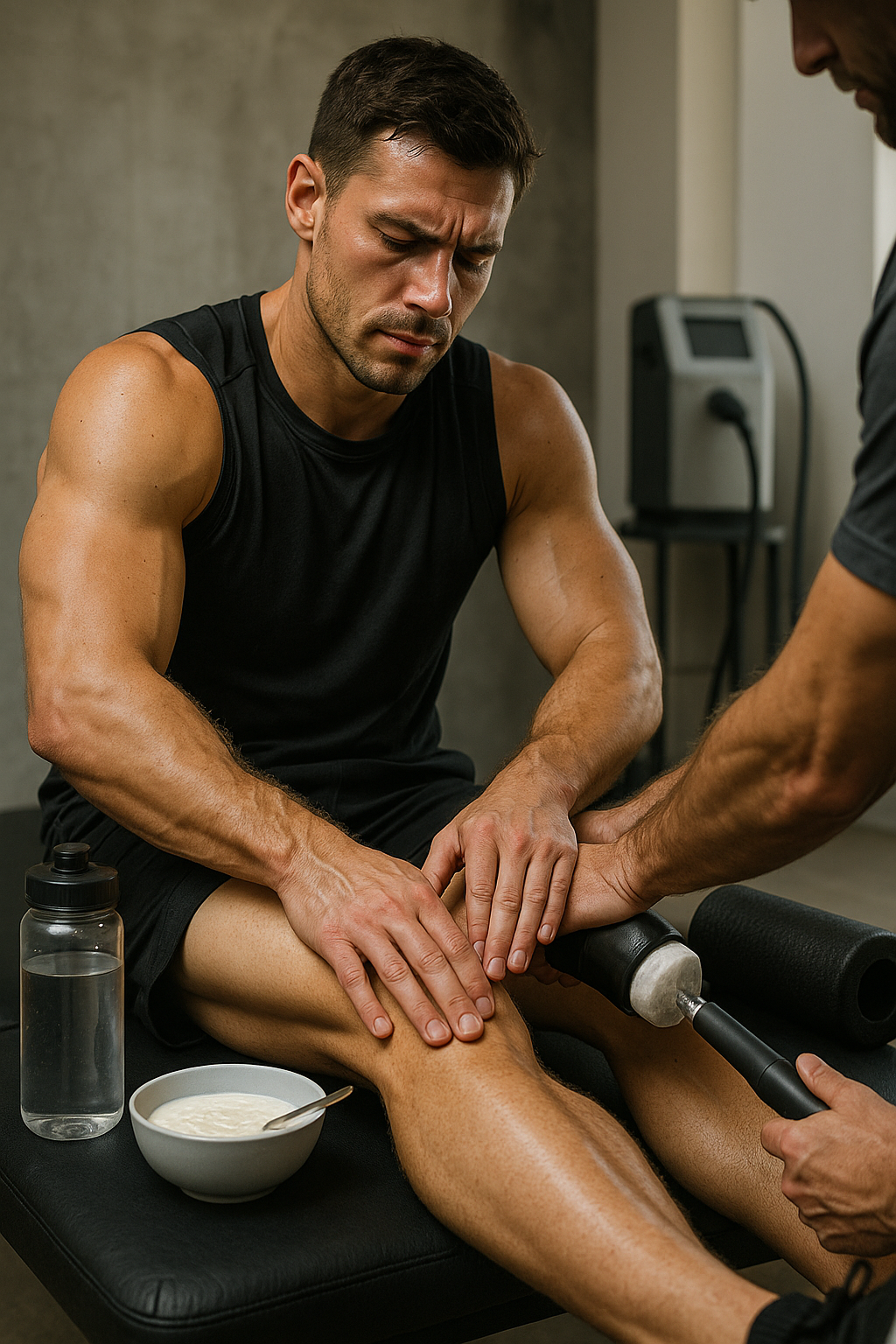
Mobilization is one of those words that shows up everywhere online—often in discussions about visibility, strategy, and getting things moving in a digital sense. But in the body, mobilization means something far more practical: restoring movement where it has quietly gone missing. It’s the difference between a neck that turns smoothly and one that feels “stuck,” between hips that glide when you walk and hips that make every step feel like a negotiation.
In a physical health context, mobilization refers to gentle, controlled movements that help joints and surrounding tissues move more freely. The goal isn’t to force flexibility or chase extreme range of motion. It’s to improve how you move in everyday life—reaching, bending, rotating, walking—so your body feels less restricted and more capable. When movement improves, discomfort often becomes easier to manage, and daily tasks take less effort.
Why mobilization matters in modern life
Many of us spend hours in the same positions: at a desk, in a car, on a sofa, or leaning over a phone. The body adapts quickly to what it does most. Over time, that can show up as stiff ankles, tight hips, a rounded upper back, or shoulders that don’t sit comfortably where they should. You might notice it as morning stiffness, a cranky lower back after sitting, or a neck that feels tense by mid-afternoon.
Are you feeling stiff after a long day at the desk? Mobilization can help. Not as a magic fix, but as a way to remind your joints and tissues what “easy movement” feels like again. Think of it as maintenance for your movement quality—small inputs that can make your body feel noticeably more cooperative.
What you’ll learn in this guide
In the rest of this post, we’ll explore what mobilization actually includes (and how it differs from plain stretching), why it can be useful for both active people and desk workers, and which approaches are commonly used in physiotherapy and self-care. We’ll also cover the most relevant benefits—like improved range of motion, reduced tension, and smoother everyday movement—plus practical ways to build mobilization into your routine without turning your day into a full-time rehab project.
If you’ve ever felt like your body is capable, but not quite as fluid as it used to be, mobilization is a smart place to start.
Understanding physical mobilization
Physical mobilization is a broad term for techniques that improve how a joint moves and how the surrounding tissues behave during movement. In physiotherapy, it often includes gentle, repeated joint movements (sometimes performed by a clinician) and targeted work on muscles, tendons, fascia, and nerves (often called soft tissue mobilization). The common thread is control: mobilization is typically done within a comfortable range, with the goal of restoring smoother motion rather than pushing through pain.
When a joint feels stiff, it’s rarely just “tight muscles.” It can involve the joint capsule, the way the joint surfaces glide, protective muscle guarding, or sensitivity in the nervous system. Mobilization addresses these pieces by reintroducing movement in a way the body can tolerate. Over time, that can help you regain range of motion, reduce the feeling of restriction, and make everyday actions—turning your head, reaching overhead, squatting down—feel less effortful.
Benefits of mobilization for daily life and training
Mobilization is often associated with rehab, but it’s just as useful for prevention and performance. The most noticeable benefit is usually improved range of motion, especially in areas that commonly stiffen with sitting and repetitive tasks (ankles, hips, upper back, and shoulders). Better joint motion can also improve movement quality: you may find it easier to keep a neutral spine when you bend, or to walk with a more natural stride.
Many people also use mobilization for pain relief and reduced muscle tension. Gentle joint and soft tissue work can decrease the “tight and cranky” feeling that builds up after long periods in one position. For some, it provides short-term symptom relief; for others, it becomes part of a longer-term strategy to reduce flare-ups by keeping the body moving more regularly.
For active people, mobilization can support athletic performance by improving mechanics and efficiency. If your ankles don’t flex well, your squat may compensate through the knees or lower back. If your upper back is stiff, overhead movements may shift stress into the shoulders or neck. Improving mobility where you need it can make strength training, running, and sport-specific movements feel more stable and coordinated.
Mobilization techniques: what they look like
Mobilization can be done by a professional, or as self-care at home. The best approach depends on your symptoms, your goals, and whether you’re dealing with an injury.
Joint mobilization
Joint mobilization is typically a hands-on technique performed by physiotherapists, chiropractors, or other qualified clinicians. It involves specific, graded movements applied to a joint to improve glide and reduce stiffness. These techniques are usually gentle and rhythmic, and they’re selected based on which direction of motion is limited (for example, hip rotation, ankle dorsiflexion, or thoracic extension). A key advantage of clinician-led mobilization is precision: the therapist can target the exact joint and direction that needs support, and adjust the intensity based on your response.
Soft tissue mobilization
Soft tissue mobilization focuses on muscles and connective tissue that may be contributing to restricted movement or discomfort. This can include massage-based techniques, trigger point work, assisted stretching, and myofascial approaches. It’s often used to reduce protective tension and improve how tissues slide over one another during movement. In practical terms, it can be helpful for areas like the calves, hip flexors, glutes, chest, and the muscles around the shoulder blades—spots that commonly feel tight after sitting or repetitive work.
Self-mobilization at home
Self-mobilization uses simple movements and positions to restore motion without needing a treatment table. Common examples include controlled joint circles, rocking movements, and mobility drills that combine movement with breathing. Tools like a foam roller, massage ball, or resistance band can make self-mobilization more targeted, but they’re optional. The most important factors are consistency and staying in a range that feels safe—especially if you’re sensitive or recovering from an injury.
Scientific insights and what to expect
Research in rehabilitation and sports medicine generally supports mobilization as a useful tool for improving range of motion and reducing pain in certain conditions, particularly when it’s paired with exercise. In other words, hands-on or self-directed mobilization can help “open the door,” but strength and movement practice help you keep it open. Many clinicians use mobilization to make movement feel easier in the short term, then reinforce that change with active drills that teach your body to control the new range.
It’s also worth setting realistic expectations. Mobilization often works best as a repeated input rather than a one-off fix. Some people feel immediate improvement, while others notice gradual changes over days and weeks—especially if stiffness is linked to long-term habits like prolonged sitting. If pain is sharp, worsening, or accompanied by symptoms like numbness, significant weakness, or radiating pain, it’s a good idea to seek professional assessment before pushing deeper into mobility work.
Making mobilization part of your day
The biggest challenge with mobilization is rarely knowing what to do—it is doing it often enough to matter. The good news is that effective mobilization does not need to be long or complicated. For most people, short, frequent “movement snacks” fit better into real life than a single long session that is easy to skip.
If you sit for work, aim to change position regularly and add brief mobilization breaks. Two to five minutes can be enough to reduce the build-up of stiffness in common problem areas like the hips, upper back, and ankles. A simple approach is to pair mobilization with existing habits: after a meeting, before lunch, or when you refill your water.
To keep it practical, focus on movements that restore options you need every day:
- Upper back and shoulders: gentle thoracic rotations, wall slides, or controlled arm circles to counter a rounded desk posture.
- Hips: hip circles, 90/90 transitions, or slow lunging rocks to improve rotation and extension.
- Ankles: knee-to-wall rocks or calf-focused mobility to support walking, stairs, and squatting.
- Neck: controlled neck rotations and side bends within a comfortable range, especially after screen time.
Keep the intensity moderate. Mobilization should feel like “working with” your body, not forcing it. A useful guideline is to stay below sharp pain and avoid aggressive bouncing. Mild stretching sensation or a feeling of stiffness is common, but symptoms should settle quickly after you stop.
Ergonomics that support mobilization
Mobilization works best when your daily setup does not immediately pull you back into the same restricted positions. Ergonomic adjustments can reduce the load that builds stiffness in the first place, making your mobilization efforts more effective.
Start with the basics: a chair height that lets your feet rest firmly, a screen positioned so you are not constantly craning your neck, and a keyboard/mouse setup that does not force your shoulders forward. If you use a sit-stand desk, alternate positions rather than standing all day—both sitting and standing benefit from regular movement.
Supportive aids can also help you maintain better positions while you work. For example, lumbar support can make it easier to sit upright without excessive effort, and a footrest can reduce tension through the hips and lower back when your chair height is limited. Think of these tools as reducing friction: they do not replace mobilization, but they make it easier to keep the gains you build.

Men's Posture Shirt™ - Black
Promotes a better posture and relieves pain using patented NeuroBand™ technology.

Women's Posture Shirt™ - Black
Improves posture and relieves pain with patented NeuroBand™ technology and all-day comfort.
Common misconceptions about mobilization
It is only for athletes. Athletes use mobilization to improve performance and recovery, but desk workers often have more to gain. If your day includes long periods of sitting, your joints and tissues adapt to that position. Mobilization helps reintroduce movement variety.
It should hurt to work. Discomfort is not a requirement for progress. Mobilization is typically most effective when it is controlled and tolerable. If you consistently push into pain, your body may respond with more guarding and tension.
More is always better. Longer sessions are not automatically superior. Consistency and appropriate dosage matter more. A few minutes most days often beats an intense session once a week.
Mobilization replaces strength training. Mobilization can improve access to range of motion, but strength helps you control and use that range. For lasting change, combine mobilization with basic strengthening and movement practice.
Frequently Asked Questions
What is the difference between mobilization and stretching?
Mobilization focuses on improving how joints move and how surrounding tissues behave during movement, often using controlled, repeated motions. Stretching primarily targets muscle length and is usually held for time. In practice, they can complement each other, but mobilization is often more joint- and movement-specific.
How often should I perform mobilization exercises?
Many people benefit from brief mobilization most days, especially if they sit for long periods. Even 2–5 minutes once or twice daily can be useful. If you are working on a specific limitation, a clinician may recommend a more structured plan, but consistency is typically more important than long sessions.
Can mobilization help with chronic pain?
Mobilization can be a helpful part of a broader strategy for chronic pain by improving movement tolerance, reducing protective tension, and making daily activity feel easier. However, chronic pain is complex, and results are best when mobilization is combined with gradual strengthening, pacing, sleep and stress support, and professional guidance when needed.
Do I need special equipment for mobilization exercises?
No. Many mobilization drills use only bodyweight and controlled movement. Tools like foam rollers, massage balls, or resistance bands can add variety and help target specific areas, but they are optional. The most effective “equipment” is a routine you can maintain.
When should I see a professional instead of doing self-mobilization?
Consider professional assessment if you have sharp or worsening pain, pain that radiates with numbness or tingling, significant weakness, or symptoms that do not improve with gentle movement. A qualified clinician can identify what is limiting your motion and tailor mobilization and exercise to your situation.
Källor
- Hindhede, A. L. (2018). Samlet afhandling. Aalborg Universitet.
- Jørgensen, P. (2017). Ph.d. afhandling. Københavns Universitet.
- Verlag Gesprächsforschung. (2012). Hearing Aids.
- AMFF. (2023). Styrket evidensbaseret arbejdsmiljøpraksis: Slutrapport.
- PubMed. (2023). Mobilization Techniques in Clinical Practice.
- Tidsskrift for Arbejdsliv. (2023). Arbejdsliv og Mobilisering.
- Brookbush Institute. (2023). Joint Mobilization.
- Tryghed. (2023). Viden og Demokrati.
- FAK. (1998). Ledelse og Uddannelse: Grundbog.
- Horst, M. (2023). Research at CBS. Copenhagen Business School.
- SGAVMST. (2023). Ansoegning om Tilladelse.
- SAGE Journals. (2023). Mobilization in Practice.
- Psykiatri Region H. (2023). Kultur og Psykiatri PhD Afhandling.
- BPS Psychub. (2023). Mobilization and Social Psychology.
- Holsting, V. (2023). Research at CBS. Copenhagen Business School.