In today's fast-paced educational environment, one of the most significant challenges teachers face is maintaining students' attention and energy throughout the school day. With the constant influx of information and the ever-present distractions of modern technology, keeping students engaged can be a daunting task. However, there is a simple yet effective strategy that can help: integrating quick exercises into the classroom. This approach not only enhances focus and engagement but also offers a refreshing break from traditional learning methods.
Benefits of quick exercises in the classroom
Incorporating short exercises into classroom routines can yield numerous benefits. Firstly, these activities are known to improve concentration, allowing students to return to their tasks with renewed focus. This is particularly beneficial during long lectures or intensive study periods. Additionally, engaging in physical activity can significantly reduce stress levels, creating a more relaxed and positive learning environment. The overall classroom dynamics improve as students channel their energy into productive outlets.
Moreover, quick exercises promote both physical health and mental alertness. In a time when sedentary lifestyles are becoming increasingly common, encouraging movement in the classroom helps combat the negative effects of prolonged sitting. These exercises not only keep students physically active but also stimulate brain function, enhancing cognitive performance and memory retention.
The growing importance of movement in education
There is a growing awareness of the importance of movement in educational settings. Many educational policies and studies support the integration of physical activity into the classroom, recognizing its role in fostering a holistic learning experience. Research has consistently shown that students who engage in regular physical activity tend to perform better academically and exhibit improved behavior.
As educators continue to explore innovative teaching methods, the inclusion of quick exercises in class emerges as a practical and effective solution. By prioritizing movement, teachers can create a dynamic and engaging learning environment that caters to the diverse needs of students. This approach not only addresses the challenges of maintaining attention and energy but also contributes to the overall well-being of students, setting the stage for academic success.
Types of classroom exercises to boost energy
Incorporating exercise in class doesn't have to be complex or time-consuming. Several types of exercises can be seamlessly integrated into the classroom environment to boost students' energy and focus. These activities are designed to be quick, simple, and effective, ensuring that they fit well within the constraints of a typical school day.
Easy classroom exercises
Easy classroom exercises are ideal for quick energy boosts. Examples include jumping jacks, arm circles, and toe touches, which require minimal space and no equipment. These exercises can be performed right beside the students' desks, making them convenient for short breaks. Incorporating these movements into the daily routine can help invigorate students, making them more receptive to learning.
Brain breaks for mental refreshment
Brain breaks are short, movement-based activities designed to refresh students' minds. They can include fun activities like a quick dance party or simple yoga poses. These breaks are particularly useful after long periods of sitting, as they help to re-energize students and improve their concentration. By allowing students to step away from their tasks momentarily, brain breaks promote mental clarity and readiness to learn.
Movement activities that enhance learning
Movement activities can also be integrated with learning objectives, making education more dynamic and interactive. For instance, students can spell words using body movements or solve math problems by moving to different parts of the classroom. These activities not only reinforce academic concepts but also encourage active participation, making learning more engaging and memorable.
Effective implementation strategies
Successfully incorporating exercise in class requires thoughtful planning and execution. Here are some strategies to ensure these activities are both effective and enjoyable for students.
Timing and frequency of exercises
Timing is crucial when integrating exercises into the school day. Consider scheduling short exercise sessions during transitions between subjects or after lunch, when students may experience a dip in energy. Starting with a few minutes of exercise a couple of times a day can be beneficial, and the frequency can be adjusted based on the students' response and the classroom schedule.
Classroom management tips
Managing transitions between lessons and exercises is essential to maintain order and focus. Clearly communicate the purpose and duration of the exercise to the students, and establish a routine that they can easily follow. Using a timer or music can help signal the start and end of the exercise session, ensuring a smooth transition back to academic activities.
Ensuring inclusivity in exercises
It's important to adapt exercises to accommodate different age groups and abilities, ensuring that all students can participate. Offering variations of exercises and encouraging peer support can foster an inclusive environment. For students with physical limitations, seated or modified exercises can be provided, allowing everyone to benefit from the movement.
Supporting data and educator insights
Research consistently highlights the positive impact of physical activity on academic performance and behavior. Studies show that students who engage in regular movement tend to have better attention spans, improved memory retention, and enhanced cognitive skills. These findings underscore the importance of incorporating exercise in class as a tool for academic and personal development.
Educators who have successfully implemented these strategies often report noticeable improvements in classroom dynamics and student engagement. For instance, Sarah Thompson, a fifth-grade teacher, notes, "Since introducing quick exercises into our routine, I've seen a significant increase in my students' focus and enthusiasm for learning. It's a simple change that has made a big difference in our classroom."
By embracing these strategies and exercises, teachers can create a more energetic and productive learning environment, ultimately contributing to the holistic development of their students.
Ergonomic and posture-friendly exercises
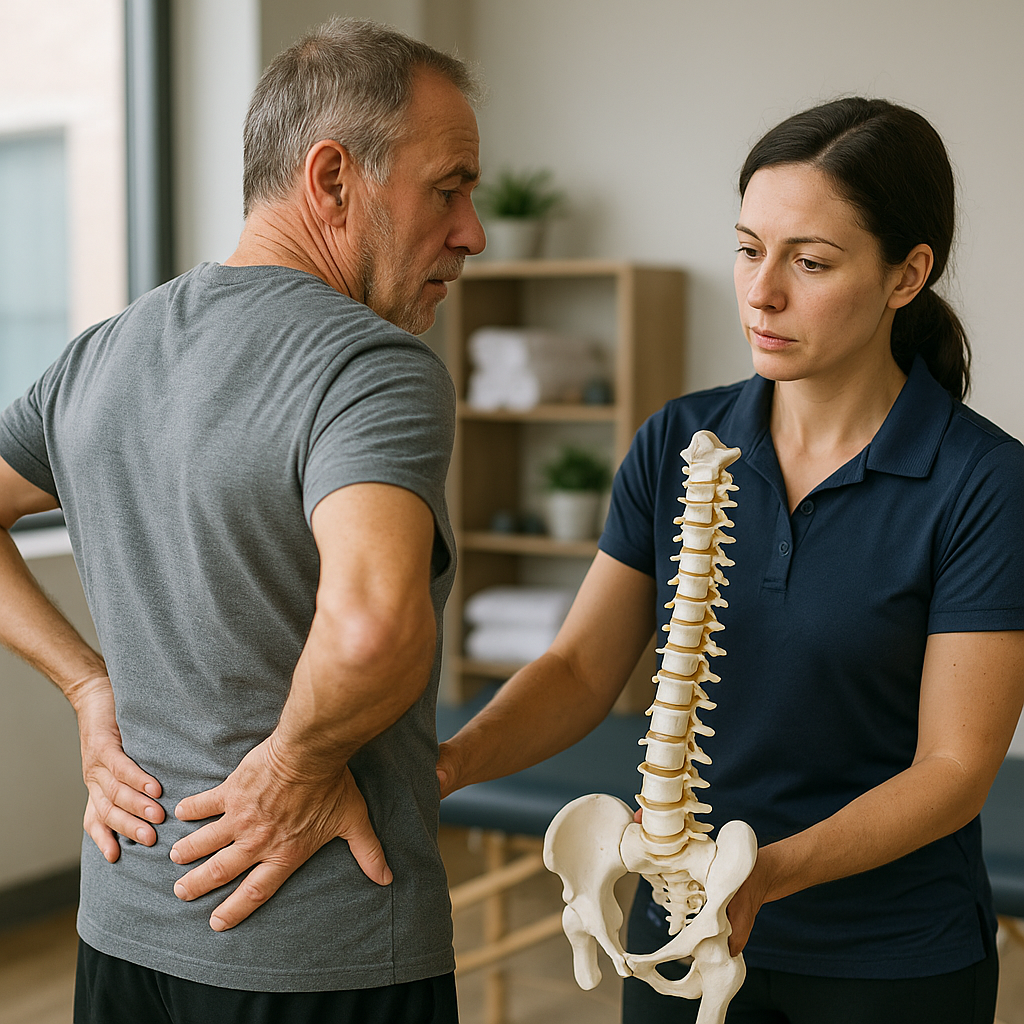
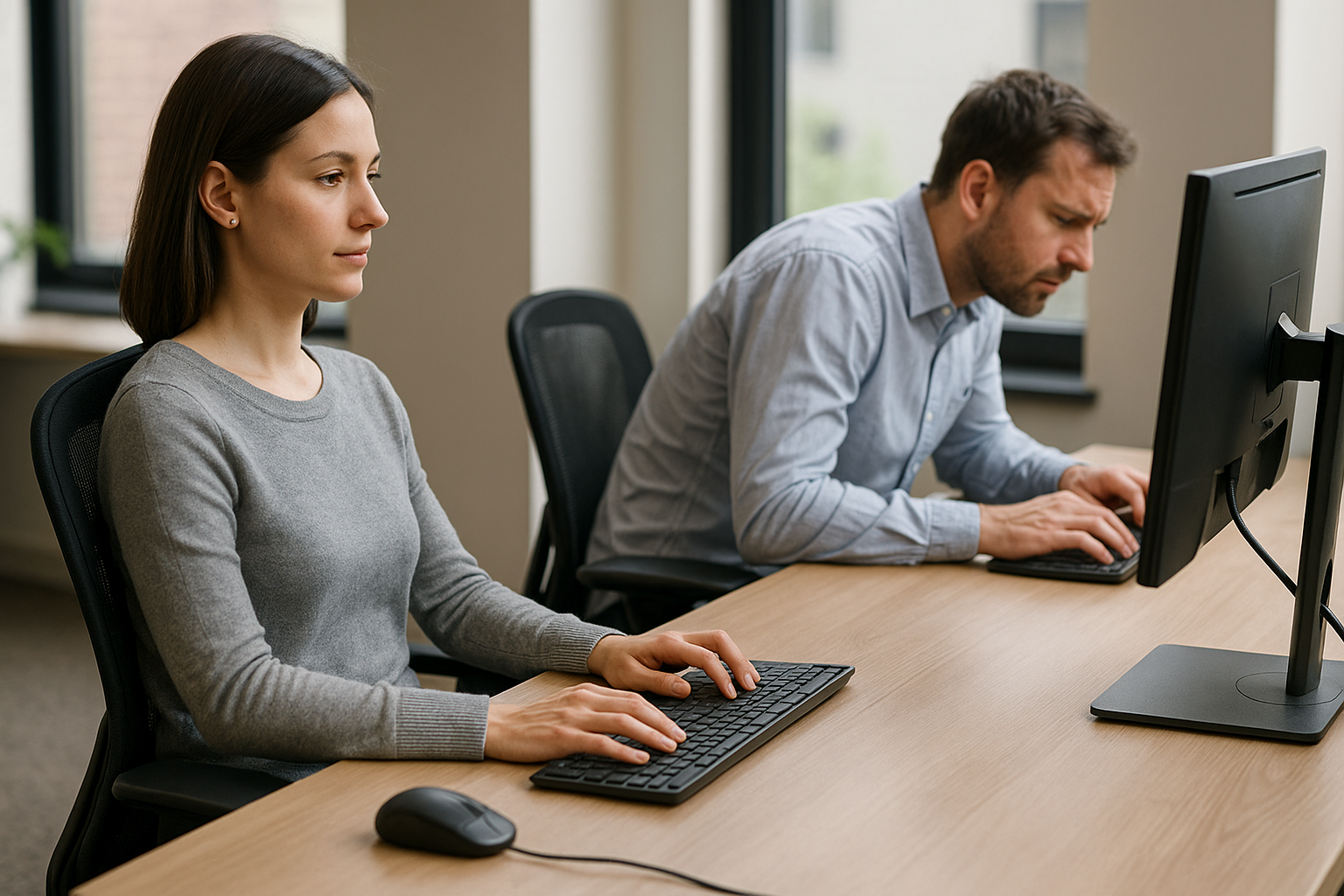
Incorporating ergonomic and posture-friendly exercises into the classroom can significantly enhance students' comfort and focus. These exercises are designed to be easy to perform, even within the confines of a classroom setting, and aim to alleviate stiffness and promote better posture.

Women's Posture Shirt™ - Black
Patented shirt that activates muscles and can relieve pain, improve posture and postural awareness.
Seated stretches for posture improvement
Seated stretches are a practical way to improve posture and reduce discomfort from prolonged sitting. Exercises like seated twists, where students gently rotate their torso while sitting, or shoulder rolls, which involve rotating the shoulders forward and backward, can help alleviate tension in the upper body. These movements are simple yet effective in maintaining flexibility and preventing stiffness.

Men's Posture Shirt™ - Black
Patented shirt that activates muscles, improves posture and helps reduce pain and tension when sitting or active.
Micro-breaks to refresh focus
Micro-breaks are short, intentional pauses that allow students to reset their focus without major disruptions to the class flow. These breaks can include quick breathing exercises or a brief moment of standing and stretching. By integrating micro-breaks, teachers can help students maintain concentration and prevent fatigue, leading to a more productive learning environment.
Teacher-friendly routines and resources
Teachers play a pivotal role in integrating exercises into classroom routines. By adopting strategies that seamlessly blend movement with learning, educators can enhance student engagement and well-being.
Integrating exercises into daily routines
To effectively incorporate exercises, teachers can schedule them at regular intervals throughout the day. For instance, starting the morning with a quick energizing exercise or using movement as a transition between subjects can help maintain students' energy levels. Consistency is key; by making these exercises a routine part of the day, students will come to expect and enjoy them.
Recommended resources and tools
Several resources and tools are available to assist teachers in finding and implementing classroom exercises. Online platforms offer a variety of exercise videos specifically designed for classroom settings. Apps that provide quick exercise ideas or timer functions can also be beneficial in maintaining a structured and engaging exercise routine.
Frequently Asked Questions
What are some quick exercises that can be done in a small classroom?
In small classrooms, exercises like chair squats and desk push-ups are ideal. These activities require minimal space and can be performed using classroom furniture, making them convenient and accessible for all students.
How can I ensure all students are engaged during these exercises?
To ensure inclusive participation, offer variations of exercises to accommodate different abilities. Encourage peer support and create an environment where students feel comfortable trying new movements. This approach fosters a sense of community and engagement.
How often should I incorporate exercises into the classroom routine?
Begin by incorporating short exercise sessions a few times a day, such as during transitions or after lunch. Adjust the frequency based on student response and the classroom schedule to find the most effective routine.
What are the benefits of incorporating exercise into the classroom?
Incorporating exercise into the classroom offers numerous benefits, including improved focus, better classroom behavior, and enhanced physical health. These activities also promote mental alertness and create a positive learning environment.
Can these exercises be adapted for older students or different educational settings?
Yes, exercises can be modified to suit older students or different educational settings. For older students, incorporate more complex movements or activities that align with their interests. These exercises can also be adapted for non-traditional classroom environments, ensuring all students benefit from movement.
Källor
- Författare, A. (År). "Titel på artikeln." Journal of Health.
- Oasen Skole. (År). "När kroppen är i rörelse, lär sig hjärnan bättre."
- Letleg.dk. (År). "Forskning om fysisk aktivitet och lärande."
- Videnskab.dk. (År). "Enige forskare: Alla barn bör få upp pulsen dagligen."
- Bundeszentrale für politische Bildung. (År). "Bewegung an Schulen: Wie Bewegung den Lernprozess unterstützt."