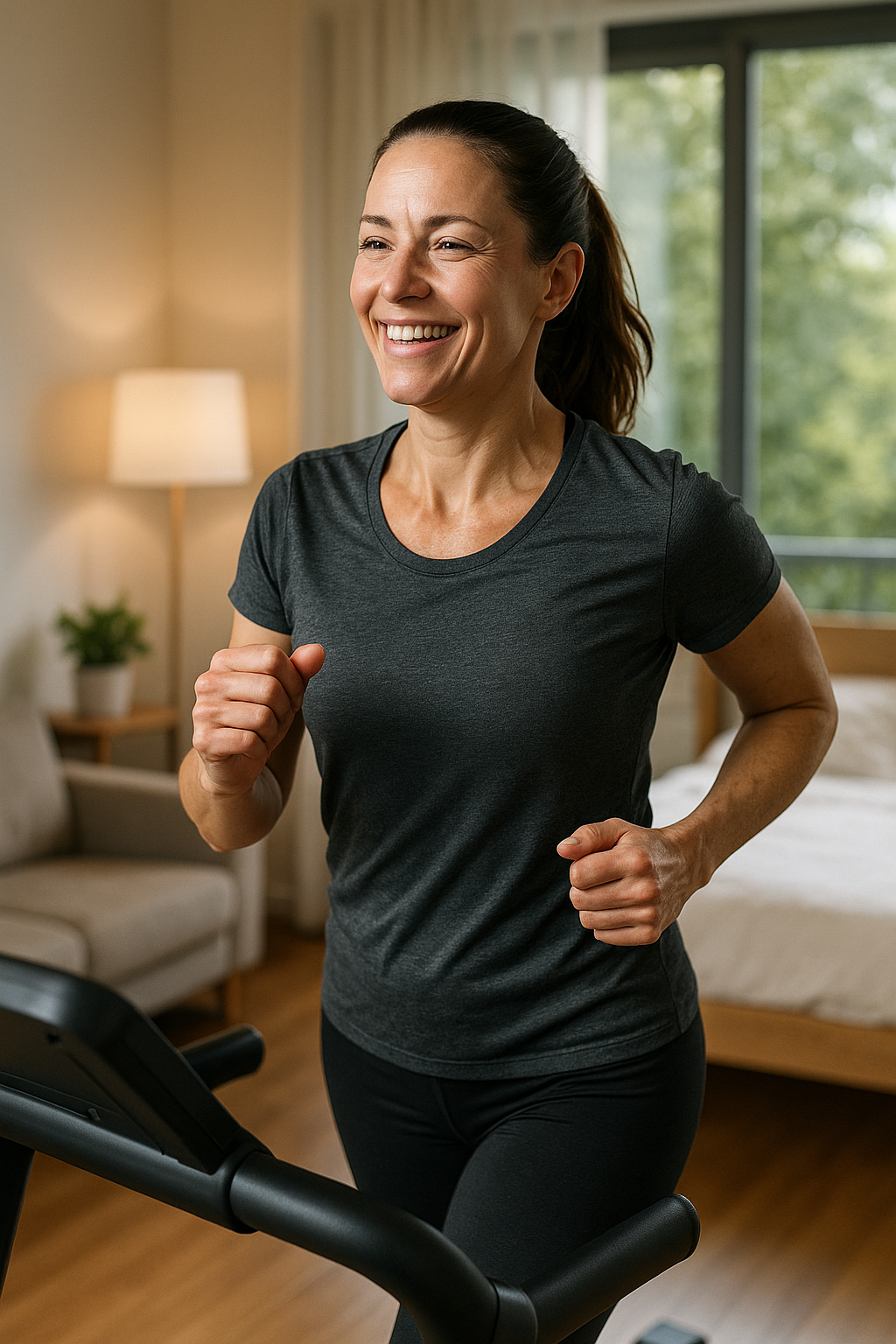
Spinal stenosis, a condition characterized by the narrowing of spaces within the spine, typically does not resolve on its own. This narrowing can place pressure on the spinal cord and nerves, leading to symptoms such as pain, numbness, and reduced mobility. While the structural narrowing itself remains unchanged, it is possible for symptoms to improve or stabilize with conservative treatment approaches.
Understanding spinal stenosis
Spinal stenosis is a common condition that affects many people, particularly as they age. It is important to distinguish between the structural aspect of spinal stenosis and the management of its symptoms. The narrowing of the spinal canal or nerve root passages is often a result of aging, arthritis, or injury, and while this narrowing does not reverse naturally, the symptoms associated with it can be managed effectively.
For individuals dealing with spinal stenosis, understanding the condition is crucial. It often begins with subtle symptoms that may gradually worsen over time. However, with the right approach, many people find that their symptoms can improve significantly. Conservative treatments, such as physical therapy, exercise, and lifestyle modifications, play a vital role in managing the discomfort and functional limitations caused by spinal stenosis.
By focusing on symptom management rather than expecting the structural changes to reverse, individuals can maintain an active and fulfilling lifestyle. It's essential to approach spinal stenosis with a strategy that emphasizes symptom relief and overall well-being, which can often lead to a better quality of life despite the presence of the condition.

Women's Posture Shirt™ - Black
Patented shirt supports posture, relieves pain, and activates muscles during work or leisure.
What is spinal stenosis?
Spinal stenosis is a medical condition where the spaces within your spine narrow, leading to pressure on the spinal cord and nerves. This narrowing can occur due to various reasons, primarily aging, which often results in degenerative changes like arthritis. Other causes may include spinal injuries, herniated discs, or congenital spinal conditions. The symptoms of spinal stenosis often include persistent back pain, tingling, numbness, and muscle weakness, particularly in the arms or legs. These symptoms can significantly impact mobility and quality of life, making early recognition and management crucial.
Can spinal stenosis go away on its own?
Unfortunately, the structural narrowing seen in spinal stenosis does not reverse naturally. This is supported by data from reputable sources such as Ochsner and Orthopedic NJ, which indicate that without intervention, the condition may progress, potentially worsening symptoms over time. The narrowing itself remains a permanent change within the spine, often requiring management rather than a cure. However, it is important to note that while the structural issues persist, the symptoms can be managed effectively, and in some cases, they may even improve through non-surgical interventions.
Why symptoms sometimes improve
Despite the permanence of the structural narrowing, many individuals experience improvement in symptoms through conservative care. Conservative treatments focus on alleviating pain and enhancing mobility without the need for surgical procedures. Physical therapy and tailored exercise programs are pivotal in strengthening the muscles supporting the spine, thereby reducing pressure on the affected areas. Lifestyle modifications, such as weight management and ergonomic adjustments, also play a critical role in symptom relief. Studies have shown that between 30-50% of individuals with mild-to-moderate spinal stenosis experience spontaneous improvement in pain and walking distance, highlighting the potential for non-surgical care to enhance quality of life.
Conservative treatment options
There are several non-surgical treatments available that can help manage the symptoms of spinal stenosis effectively. Lumbar support is often recommended to improve flexibility and build strength in the muscles surrounding the spine. This can alleviate pressure on the spinal cord and nerves, reducing pain and improving mobility. Exercise is another vital component, with low-impact activities such as swimming or cycling being particularly beneficial. These activities help maintain cardiovascular fitness without placing excessive strain on the spine.
Pain management is another critical aspect of conservative treatment. This can include over-the-counter pain relievers, prescription medications, or corticosteroid injections to reduce inflammation and pain. Additionally, ergonomic adjustments, such as using supportive seating and maintaining proper posture, can significantly reduce the strain on the spine during daily activities.
By focusing on these conservative approaches, many individuals with spinal stenosis manage their symptoms effectively, maintaining an active and fulfilling lifestyle without the need for surgical intervention. It's essential to consult with healthcare professionals to tailor a treatment plan that best suits individual needs and enhances overall well-being.

Lumbar support belt
Adjustable belt supports the lower back and helps relieve pain, tension, and discomfort daily.
When surgery is considered for spinal stenosis
While many individuals manage spinal stenosis symptoms effectively through conservative treatments, surgery may be considered in more severe cases. Surgical intervention is typically reserved for those who experience significant pain or neurological symptoms that do not respond to non-surgical methods. Common surgical procedures include laminectomy, where part of the vertebra is removed to relieve pressure, and spinal fusion, which stabilizes the spine. These surgeries aim to alleviate symptoms and improve quality of life, but they are generally seen as a last resort after other treatments have been explored.
Red flags that need prompt medical attention
It is crucial to recognize symptoms that may indicate a need for urgent medical evaluation. Red flags include severe numbness or weakness, particularly in the legs, sudden loss of bladder or bowel control, and significant changes in walking ability. These symptoms may suggest nerve damage or other complications requiring immediate attention. If you experience any of these issues, it is essential to seek medical advice promptly to prevent further complications.
How to reduce strain in daily life
Managing spinal stenosis involves not only medical treatment but also lifestyle adjustments to reduce strain on the spine. Incorporating movement breaks into your daily routine can prevent stiffness and improve circulation. Ergonomic support, such as using a chair with proper lumbar support, can also make a significant difference. Adjusting your sitting and standing positions to promote spinal health is vital, and engaging in low-impact activities like walking, swimming, or yoga can help maintain mobility without excessive stress on the spine.
Frequently Asked Questions
Can lifestyle changes alone improve symptoms?
Yes, many patients find relief through targeted lifestyle adjustments and exercises. By incorporating regular physical activity, ergonomic support, and healthy habits, symptoms can often be managed effectively without the need for surgery.
Is spinal stenosis a progressive condition?
Spinal stenosis can be progressive, meaning it may worsen over time. However, with proper management and treatment, many people experience stable symptoms and maintain a good quality of life.
What should I do if my symptoms worsen?
If your symptoms worsen, it is important to consult a healthcare professional. They can evaluate your condition and explore additional treatment options or interventions that may be necessary.
Are there any non-surgical therapies that have proven effective?
Yes, non-surgical therapies such as manual therapy and specific exercises have been shown to improve pain and function. These approaches, often part of a comprehensive treatment plan, can significantly enhance quality of life for those with spinal stenosis.
Kilder
- Sundhed.dk. "Spinalstenose." Patienthåndbogen.
- Mayo Clinic. "Nonsurgical Treatment Options for Lumbar Spinal Stenosis."
- NHI.no. "Behandling av Spinal Stenose."
- Pain and Spine Specialists. "How Do You Treat Spinal Stenosis Without Surgery?"
- Gigtforeningen. "Behandling af Spinalstenose og Spondylose."