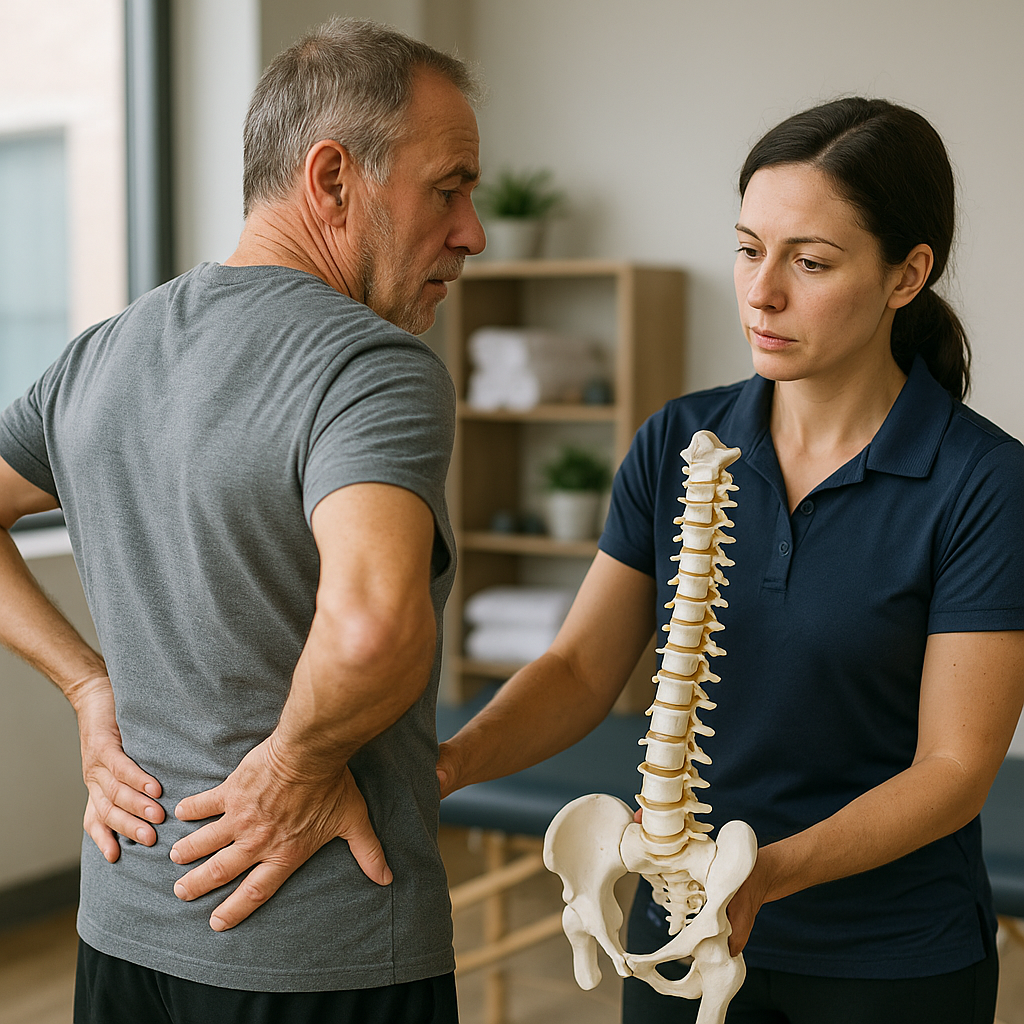
Exercise is often hailed as a cornerstone of a healthy lifestyle, and for good reason. It serves as a powerful tool that can unlock a multitude of health benefits, making it an essential practice for individuals of all ages. The beauty of exercise lies in its simplicity and accessibility—almost anyone can engage in some form of physical activity, regardless of their fitness level or background. Whether it's a brisk walk, a yoga session, or a high-intensity workout, exercise offers a universal appeal that resonates with people worldwide.
The broad benefits of exercise
Engaging in regular physical activity has far-reaching effects on both immediate well-being and long-term health. Cardiovascular health is known to improve with exercise, strengthen muscles, and enhance flexibility, all of which contribute to a more robust and resilient body. Beyond the physical advantages, exercise also plays a crucial role in mental health, helping to alleviate symptoms of anxiety and depression while boosting overall mood and cognitive function. These benefits are not just limited to the present moment; they lay the groundwork for a healthier future by reducing the risk of chronic diseases and enhancing quality of life as we age.
Understanding the importance of exercise
Understanding the health benefits of exercise is crucial for individuals at every stage of life. For children and adolescents, regular physical activity supports growth and development, promoting healthy bones and muscles while establishing lifelong habits. Adults can harness the power of exercise to manage stress, maintain a healthy weight, and prevent a variety of health conditions. As we enter our later years, exercise becomes even more vital, helping to preserve mobility, independence, and cognitive function. By embracing exercise as a fundamental aspect of daily life, individuals can unlock the secret to a healthier and more fulfilling existence.
Heart and circulation: the core of exercise benefits
Exercise is a vital ally for heart health, offering a multitude of benefits that extend far beyond mere calorie burning. Regular physical activity is known to lower blood pressure, a critical factor in reducing the risk of cardiovascular diseases. By improving lipid profiles, exercise helps maintain healthy cholesterol levels, which is essential for preventing plaque buildup in arteries. Additionally, exercise reduces inflammation, a key contributor to heart disease. These combined effects significantly lower the risk of heart disease and stroke, making exercise a cornerstone of cardiovascular health.
- Reduces risk of heart disease and stroke.
- Enhances circulation and heart function.
Chronic disease prevention: a proactive approach
Incorporating exercise into your daily routine is a proactive measure against a host of chronic diseases. Regular activity has been shown to lower the risk of type 2 diabetes by improving insulin sensitivity and glucose metabolism. Moreover, exercise contributes to cancer prevention by helping to regulate hormones and boost immune function. It also plays a crucial role in maintaining bone density, thus reducing the risk of osteoporosis. These preventive effects are not just theoretical; they are supported by substantial research, underscoring the importance of exercise in extending life expectancy and enhancing quality of life.
| Disease | Risk Reduction |
|---|---|
| Type 2 Diabetes | 30% |
| Heart Disease | 40% |
| Stroke | 25% |
Mental health: elevating mood and reducing stress
The mental health benefits of exercise are profound and well-documented. Engaging in regular physical activity can significantly improve mood, thanks to the release of endorphins—natural mood elevators. Exercise is also effective in reducing symptoms of anxiety and depression, offering a natural remedy that complements traditional treatments. Stress reduction is another key benefit, as exercise helps to lower levels of stress hormones like cortisol. An illustrative example comes from a study where participants who engaged in regular exercise reported a marked improvement in mental health outcomes, highlighting the powerful connection between physical activity and psychological well-being.
In summary, exercise is not just about physical transformation; it is a holistic approach to health that affects the heart, prevents chronic diseases, and enhances mental well-being. By understanding and embracing these benefits, individuals can unlock the secret to a healthier, more fulfilling life.
Sleep and energy: revitalizing your daily life
Exercise plays a crucial role in enhancing sleep quality and boosting energy levels, both of which are essential for optimal daily functioning. Engaging in regular physical activity helps regulate your sleep-wake cycle, making it easier to fall asleep and stay asleep throughout the night. This improved sleep quality translates into better focus and productivity during the day, allowing you to tackle tasks with renewed vigor. Additionally, exercise increases energy levels by improving cardiovascular efficiency and oxygen flow to the muscles, contributing to a more active and dynamic lifestyle.
- Better sleep leads to improved focus and productivity.
- Increased energy levels contribute to a more active lifestyle.
Weight management and longevity: sustaining health and vitality
Weight management is a powerful ally in preventing weight gain and supporting healthy weight maintenance. By burning calories and building muscle mass, regular physical activity helps create a balance between energy intake and expenditure, which is crucial for maintaining a healthy weight. Furthermore, exercise contributes to increased longevity by reducing the risk of chronic diseases and lowering all-cause mortality. The World Health Organization (WHO) emphasizes the importance of exercise for longevity, stating that "regular physical activity is one of the most important actions you can take for your health."
Incorporating exercise into your daily routine not only supports weight management but also enhances your overall quality of life. By fostering a healthier body and mind, exercise lays the foundation for a longer, more fulfilling life.
Frequently Asked Questions
Why is exercise important for heart health?
Exercise strengthens the heart muscle, improves circulation, and helps maintain healthy blood pressure levels. These effects collectively reduce the risk of cardiovascular diseases, making exercise a vital component of heart health.
How does exercise improve mental health?
Physical activity releases endorphins, which are chemicals in the brain that act as natural painkillers and mood elevators. This release of endorphins helps improve mood and reduce symptoms of anxiety and depression.
What is the minimum amount of exercise needed to see health benefits?
Even small amounts of exercise, such as 30 minutes of moderate activity most days of the week, can yield significant health benefits. Consistency is key to reaping the rewards of physical activity.
Can exercise help with sleep problems?
Yes, regular physical activity can help you fall asleep faster and deepen your sleep. Exercise helps regulate the sleep-wake cycle, promoting better sleep quality and duration.
What types of exercise are most beneficial?
A combination of aerobic exercise (like walking or cycling) and strength training is most beneficial for overall health. This balanced approach supports cardiovascular health, muscle strength, and flexibility.