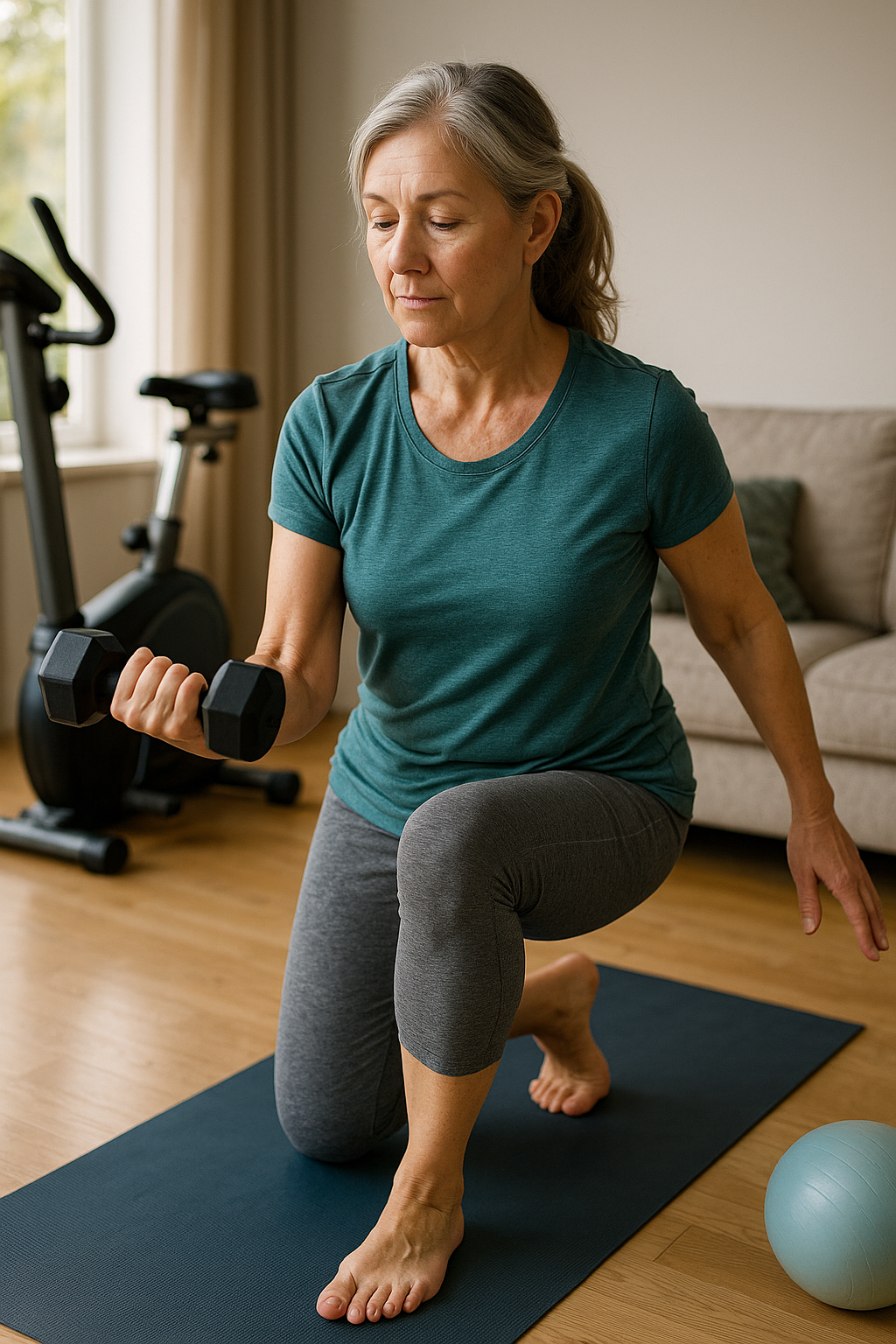
Exercise has a quiet kind of power: it changes how your body works, how your mind feels, and how you move through everyday life. Not in a dramatic, overnight way—but in small, repeatable upgrades that add up. If you’ve ever wondered why exercise matters when you’re not training for a race or chasing a specific body goal, the real answer is broader than most people expect.
Regular movement is one of the most reliable ways to improve overall health because it supports multiple systems at once. It can help your heart work more efficiently, keep your muscles and joints doing their job, and make daily tasks feel easier—carrying groceries, climbing stairs, getting up from the floor, or simply sitting at a desk without feeling stiff. And it’s not only physical. Many people notice they sleep better, feel more balanced, and handle stress with a little more room to breathe when exercise becomes part of their routine.
Why exercise is more than weight loss
A common misconception is that exercise is mainly for losing weight—or that it “counts” only if it’s intense. That idea keeps a lot of people stuck. In reality, exercise is a health behavior, not a punishment or a performance. It can be gentle and still be effective. A brisk walk, a short strength session at home, or mobility work that reduces stiffness can all be meaningful, especially when done consistently.
Another myth is that exercise is only for athletes or people who already feel confident in their bodies. But the benefits scale to you. The starting point can be low, and the payoff can still be high: better energy, improved posture and stability, and more comfortable movement over time.
A whole-body habit with real-life benefits
When you look at why exercise is recommended so widely, it’s because it connects to nearly everything people want more of: health, independence, mood, and longevity. It’s also one of the few habits that can deliver both immediate wins (like a clearer head after a walk) and long-term protection (like lowering the risk of lifestyle-related health issues).
In the next sections, we’ll break down how exercise supports heart health, weight management, mental well-being, and brain function—without assuming you have hours to train or a perfect routine to start.
How exercise supports heart and cardiovascular health
Your heart is a muscle, and like other muscles, it adapts to the demands you place on it. When you move regularly—whether that’s walking, cycling, swimming, or strength training—your heart becomes more efficient at pumping blood. Over time, this can support healthier blood pressure, improve circulation, and help your body deliver oxygen and nutrients where they’re needed.
This matters because cardiovascular disease risk is closely linked to lifestyle factors, including physical inactivity. Public health guidance consistently highlights that regular physical activity lowers the risk of heart disease and stroke. The World Health Organization also notes that people who are insufficiently active have a higher risk of death compared with those who meet activity recommendations, underlining how strongly movement is tied to long-term health outcomes.
Even moderate activity counts. A brisk walk that slightly raises your breathing rate can be enough to train your cardiovascular system—especially if you do it consistently. If you’re starting from a sedentary routine, small increases in daily movement can be a meaningful step toward better heart health.
Exercise and weight management: more than burning calories
Exercise plays a clear role in weight management because it increases energy expenditure. But the most helpful way to think about it is not “work off what you ate.” Instead, exercise supports the systems that make weight management more sustainable: metabolism, muscle mass, insulin sensitivity, and appetite regulation.
Strength training is especially valuable here. Muscle tissue is metabolically active, and maintaining it can help keep your daily energy needs higher than they would be otherwise. Meanwhile, aerobic activity (like walking, jogging, or dancing) can help create an energy deficit over time if weight loss is a goal.
That said, exercise works best alongside nutrition. If you’re trying to change your body composition, the most reliable approach is a combination of regular movement, adequate protein, plenty of fibre-rich foods, and a routine you can repeat. The “best” exercise for weight management is often the one you’ll do consistently—without pain, dread, or burnout.
Why exercise helps mental health and stress resilience
One of the most immediate reasons to exercise is how it can change your mood within a single session. Movement affects brain chemistry in ways that can reduce stress and support emotional balance. Many people notice they feel calmer, more clear-headed, or more optimistic after a walk or workout—even if they didn’t feel motivated beforehand.
Part of this comes down to endorphins, which are natural chemicals involved in pain relief and pleasure. They’re often linked to the runner’s high, but you don’t have to run to experience a mood lift. Moderate-intensity activity can also influence stress hormones such as cortisol, helping your body shift out of “fight or flight” mode.
Exercise can also be a practical tool for anxiety and low mood because it creates structure and a sense of progress. You show up, you do something difficult (even if it’s gentle), and you finish with proof that you can take action. Over time, that builds confidence and resilience—especially when you choose forms of exercise that feel supportive rather than punishing.
Brain health, memory, and focus: the cognitive benefits of exercise
Exercise doesn’t only train your body; it trains your brain. Research-backed explanations often point to increased blood flow as one key mechanism. When circulation improves, the brain receives more oxygen and nutrients, which supports attention, processing speed, and overall cognitive function.
Another important factor is a protein called brain-derived neurotrophic factor (BDNF). BDNF supports the growth and maintenance of neurons and helps strengthen connections between brain cells. In plain terms, it’s one reason exercise is associated with better learning and memory over time.
This is also why movement can be a powerful counterbalance to long hours of sitting and screen time. If your day involves desk work, regular activity breaks—short walks, light mobility, or a quick strength circuit—can help you return to tasks with better focus and less mental fatigue. The goal isn’t perfection; it’s giving your brain and nervous system a regular signal that your body is alive, capable, and in use.

Men's Posture Shirt™ - Black
Activates muscles and can relieve pain—patented, for work, exercise and leisure.

Women's Posture Shirt™ - White
Patented shirt improves posture, relieves pain—suitable for work, exercise, and daily use.
Why exercise matters for chronic disease prevention and longevity
If you are looking for the most evidence-backed answer to why exercise is recommended so consistently, it comes down to risk reduction. Regular physical activity supports many of the underlying processes that contribute to chronic disease: blood sugar regulation, blood pressure control, healthier blood lipids, lower systemic inflammation, and better body composition. These effects are not limited to one organ or one outcome—they work together.
Over time, this translates into a lower risk of several major conditions, including type 2 diabetes, cardiovascular disease, certain cancers, and cognitive decline. Physical activity is also strongly linked to longevity. Public health guidance commonly highlights that being active can reduce the risk of early death by up to 30%, which is a meaningful impact from a habit that can start with something as simple as walking.
Importantly, prevention is not only about adding years. It is also about protecting function: maintaining balance, strength, and mobility so daily life stays easier as you age. That is one of the most practical reasons why exercise can feel like an investment that pays you back repeatedly.
Immediate benefits vs. long-term results
One reason people struggle to stick with movement is that they expect the benefits to show up only after weeks or months. In reality, exercise often delivers short-term wins quickly, and those wins can be the bridge to long-term consistency.
Immediate benefits can include a mood lift, reduced tension, and a clearer head after even a short session. Many people also notice better sleep quality on days they move more. These effects matter because they improve the next 24 hours: you may feel more patient, more focused, and less “wired” at the end of the day.
Long-term benefits build more slowly but tend to be broader: improved cardiovascular fitness, stronger muscles and bones, better metabolic health, and a lower likelihood of developing lifestyle-related conditions. Over time, regular activity can also make your body feel more reliable—less stiffness after sitting, fewer aches from inactivity, and more confidence in how you move.
If you are starting from scratch, it can help to choose a form of exercise that feels supportive rather than punishing. Low-impact options such as brisk walking, cycling, swimming, or beginner strength training can build capacity without leaving you overly sore. Consistency matters more than intensity, especially in the beginning.
Making exercise realistic when life is busy
When people search why exercise is important, they often already know it is “good for them.” The real challenge is making it fit into a normal week. A useful approach is to treat movement like a daily hygiene habit: small, repeatable, and flexible.
Try lowering the entry barrier. Ten minutes counts. A short walk after lunch counts. Two sets of bodyweight exercises in your living room count. These small sessions can improve energy and reduce stiffness, especially if you spend long hours sitting.
It can also help to match your exercise choice to your current body and schedule. If you deal with discomfort, start with joint-friendly movements and gradually increase. If motivation is low, attach exercise to an existing routine—walking while taking a call, doing mobility work while watching a show, or cycling to errands when possible. The goal is not to “be perfect.” It is to make movement normal.
Frequently Asked Questions
Why is exercise important for mental health?
Exercise can support mental health by increasing endorphins and influencing stress hormones such as cortisol. Many people experience improved mood, reduced stress, and better emotional balance after regular movement. Over time, exercise can also build confidence and resilience by creating a sense of progress and routine.
How does exercise prevent chronic diseases?
Regular physical activity helps the body regulate blood sugar, improves insulin sensitivity, supports healthier blood pressure, and can reduce inflammation. These changes lower the risk of conditions such as type 2 diabetes, heart disease, stroke, and some cancers. Exercise also supports strength, balance, and mobility, which can protect independence as you age.
What are some easy ways to incorporate exercise into a busy schedule?
Short sessions are effective. Consider brisk walking, cycling for transport, taking the stairs, or doing a 10–15 minute home workout. You can also break activity into smaller blocks across the day, such as a morning stretch, a lunchtime walk, and a short strength routine in the evening.
Can exercise really improve brain function?
Yes. Exercise increases blood flow to the brain and supports processes linked to learning and memory. It is also associated with increased levels of BDNF, a protein involved in maintaining neurons and strengthening connections between brain cells, which can support cognitive performance over time.
How much exercise is recommended for optimal health?
Common public health guidelines recommend at least 150 minutes of moderate-intensity aerobic activity per week, along with muscle-strengthening activities on two or more days per week. If that feels like a lot, starting with smaller amounts and building gradually is still beneficial.
Källor
- CommuniHealth. (n.d.). "The Importance of Exercise to Overall Well-being."
- YouTube. (n.d.). "The Importance of Exercise."
- Mayo Clinic Staff. (n.d.). "Exercise: 7 Benefits of Regular Physical Activity." Mayo Clinic.
- HelpGuide. (n.d.). "The Mental Health Benefits of Exercise."
- World Health Organization. (n.d.). "Physical Activity."
- ScienceDirect. (2022). "The Role of Exercise in Health."
- Harvard Health Publishing. (n.d.). "Exercise and Fitness."
- NHS. (n.d.). "Benefits of Exercise."
- Centers for Disease Control and Prevention. (n.d.). "Benefits of Physical Activity."
- PubMed Central. (n.d.). "Exercise and Health: A Review."
- West Point Medical Group. (n.d.). "Benefits of Regular Exercise for Long-term Health."
- Yale Medicine. (n.d.). "Yale Experts: Benefits of Exercise."