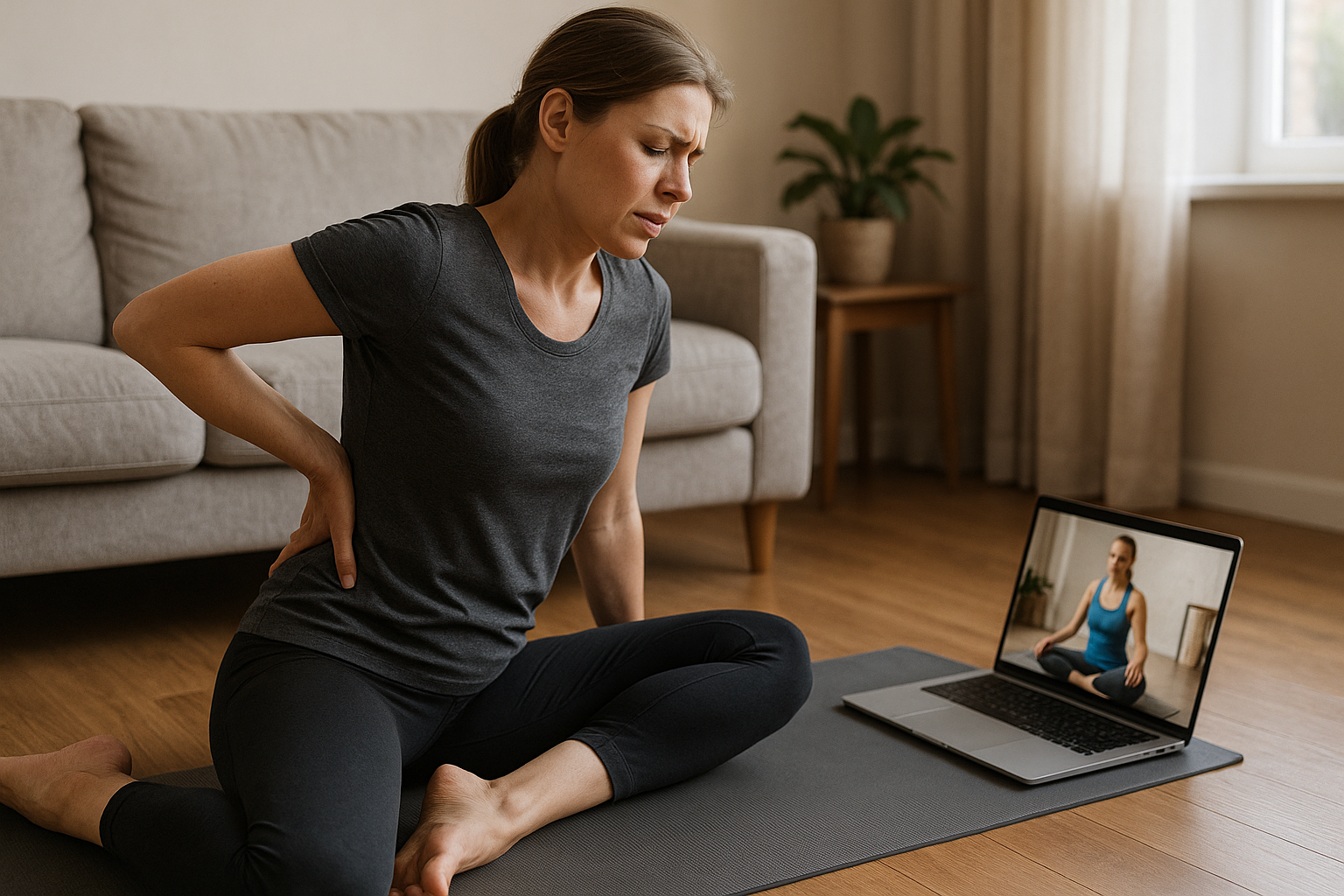
Most of us don’t decide to “have bad posture.” It creeps in through long workdays, phones held at chest level, and hours spent sitting still. Over time, shoulders round forward, the upper back stiffens, and you may notice tension building around the neck and shoulder blades. That’s where a back harness often enters the conversation: a simple, wearable cue that helps you remember what upright actually feels like.
Interest in ergonomic solutions has grown alongside sedentary routines, and for good reason. When your day is built around a desk, a car seat, or a sofa, posture becomes less about willpower and more about environment and habits. A back harness is one of the more practical tools people try because it’s easy to put on, easy to adjust, and can fit into everyday life without changing your entire schedule.
What people mean by a back harness
The term back harness can be confusing, because it’s used for several very different products. Some searches lead to industrial fall-arrest harnesses, and others to pet mobility harnesses. In this post, we’re focusing on the posture-correcting back harness designed for human everyday use.
Within that category, you’ll see a few common styles: minimalist shoulder-strap designs that sit high on the upper back, more structured options that add support across the mid-back, and hybrid models that combine posture cueing with a bit more coverage. Most are adjustable, made to be worn under clothing, and designed to feel supportive without being rigid.
Why posture problems show up so easily
Poor posture is rarely just an aesthetic issue. Slouching and rounded shoulders can contribute to upper back fatigue, neck strain, headaches, and that “tight collar” feeling after screen time. For some people, it also reinforces shallow breathing patterns and makes it harder to sit comfortably for long periods. The result is a cycle: discomfort leads to more shifting and slumping, which can create even more discomfort.
What this guide will help you do
In the next sections, we’ll break down how a back harness works, what benefits are realistic, and how to use one without over-relying on it. The goal isn’t to promise an instant fix—it’s to help you make smarter choices: picking the right type, fitting it correctly, and pairing it with the habits that actually build long-term posture strength.
How a back harness works in practice
A posture-focused back harness is designed to act as a gentle reminder rather than a rigid brace. Most models loop around the shoulders and sit across the upper back, creating light tension that encourages shoulder retraction (bringing the shoulders slightly back and down). When the shoulders stop drifting forward, it becomes easier to stack the head over the torso and reduce the “collapsed” position that often shows up during screen time.
It’s helpful to think of a back harness as a cueing tool: it increases your awareness of posture and makes slouching feel more noticeable. That feedback can be valuable during tasks where posture tends to fade into the background, such as typing, driving, or standing for long periods while doing chores.
Common design features to look for
Because the goal is wearable, everyday support, most posture harnesses share a few practical features:
- Adjustable straps: Fine-tuning matters. A harness should feel supportive without forcing the shoulders into an exaggerated position.
- Breathable, skin-friendly materials: Lightweight mesh or soft elastic helps reduce heat build-up and irritation, especially if you wear it under clothing.
- Low-profile fit: A slimmer design is easier to integrate into daily routines and less likely to restrict movement.
- Unisex sizing: Many options are designed to fit a range of body types, but accurate measurements and a clear size guide are still essential.
A good fit should allow you to move your arms freely and breathe comfortably. If you feel pinching near the armpits, pressure on the neck, or numbness/tingling, the harness is either adjusted too tightly or not the right shape for your body.
Benefits you can realistically expect
When used correctly, a back harness can support posture improvement in a few reliable ways:
- Less slouching during focused tasks: Many people notice they stay more upright while working at a desk or using a laptop.
- Reduced upper back and neck strain: By discouraging rounded shoulders and forward head posture, some users experience less tension around the neck, shoulders, and shoulder blades.
- Better posture awareness: Over time, you may catch yourself slumping sooner, even when you’re not wearing the harness.
- A helpful bridge while building strength: If your upper back and shoulder muscles fatigue quickly, the harness can provide short-term guidance while you work on endurance.
These benefits tend to be strongest when the harness is used for limited periods and paired with posture-building habits. The goal is not to outsource posture to a device, but to train your body to choose a better position more often.

Men's Posture Shirt™ - Black
Activates muscles and improves posture. Ideal for work, exercise and daily relief.
What evidence and expert guidance suggest
In clinical and rehab settings, posture aids are often discussed as “biofeedback” tools: they can cue alignment and help reduce time spent in end-range slouched positions. That said, outcomes vary. Posture is influenced by strength, mobility, work setup, stress, and even breathing patterns, so a harness alone rarely changes everything.
Where a back harness tends to make the most sense is as part of a broader ergonomic strategy. Compared with posture shirts, a harness is usually more adjustable and can provide a clearer tactile reminder. Compared with kinesio taping, it’s easier to apply consistently without special technique. And compared with ergonomic furniture, it’s portable, meaning you can use it in the car, at different workstations, or while moving around at home.
Realistic limitations and when to be cautious
A back harness can encourage better positioning, but it cannot “fix” posture permanently without your muscles and daily environment supporting the change. If you rely on it for long hours every day, you may end up using it as a crutch rather than building the endurance needed to maintain posture on your own.
You should also be cautious (and consider professional guidance) if you have a known spinal condition, persistent nerve symptoms (numbness, tingling, radiating pain), recent injury, or if you’re recovering from surgery. Pregnancy and certain medical situations may also require a different type of support or a different approach entirely. When in doubt, a physiotherapist or clinician can help you decide whether a harness is appropriate and how to use it safely.
How long to wear a back harness (and how to adjust it)
For most people, a gradual approach works best. Start with 15–30 minutes during an activity where you typically slouch (like computer work). If it feels comfortable and helpful, increase in small steps over days and weeks. Many users do well with 1–3 hours per day total, split into shorter sessions, rather than wearing it continuously.
To fit a back harness correctly, use this step-by-step check:
- Loosen the straps before putting it on so you can adjust gradually.
- Place the shoulder loops so they sit comfortably without digging into the armpits.
- Center the back panel (if your model has one) between the shoulder blades.
- Tighten slowly until you feel a gentle pull that reminds you to lift the chest and widen the collarbones.
- Do a movement test: reach forward, overhead, and take a deep breath. If movement or breathing feels restricted, loosen slightly.
A useful rule: you should feel “guided,” not forced. If the harness makes you arch aggressively or creates discomfort, it’s too tight or not positioned correctly.
Making a back harness part of your routine
A back harness works best when it supports the habits that create long-term posture change. Instead of treating it as something you “wear to sit correctly,” use it as a structured reminder during the moments you typically collapse forward: the first hour at your desk, a long commute, or focused tasks where you forget to move. Over time, the goal is to need the reminder less often because your body recognizes and chooses a better position on its own.
A practical approach is to pair the harness with a simple routine: put it on, do a quick posture reset (gentle chest lift, shoulders back and down, chin slightly tucked), then work for a set period. When you take it off, try to keep the same alignment for a few minutes. This “on/off” contrast helps reinforce awareness without creating dependence.
Exercises and ergonomics that support better posture
Because posture is influenced by strength, endurance, and mobility, a back harness is most effective when combined with targeted movement and a workstation setup that does not constantly pull you into a slouch.
- Upper back strength: Rows (band or cable), prone Y-T-W raises, and scapular retraction holds can build endurance in the muscles that help keep the shoulders from rounding forward.
- Shoulder and chest mobility: Doorway chest stretches and thoracic extension over a foam roller can make it easier to sit upright without feeling stiff.
- Neck positioning: Gentle chin tucks and controlled head turns can support a more neutral head position during screen time.
- Micro-breaks: Standing up for 30–60 seconds every 30–60 minutes often does more for comfort than forcing one “perfect” posture for hours.
On the ergonomics side, aim for a setup that reduces forward reach and encourages a neutral spine. Keep the screen near eye level, bring the keyboard and mouse close enough that elbows can rest near the body, and use a chair height that allows feet to rest flat. If you work on a laptop, consider a laptop stand and external keyboard to avoid the common head-forward posture that builds over time.

Women's Posture Shirt™ - Black
Supports posture and relieves pain using patented Neuroband™ technology.
Back harness vs other posture tools
Not all posture aids do the same job. Some provide a tactile cue (like a harness), while others change your environment (like a chair) or offer more rigid support (like a brace). The best choice depends on whether you need awareness, comfort, stronger support, or a long-term workstation solution.
| Tool | What it does best | Pros | Cons |
|---|---|---|---|
| Back harness | Posture cueing for rounded shoulders and slouching | Adjustable, portable, easy to use during desk work or daily tasks | Can cause discomfort if too tight; not a substitute for strength and ergonomics |
| Posture shirt | Gentle, all-over posture awareness through fabric tension | Low-profile and easy to wear under clothing | Less adjustable; effect can feel subtle for some users |
| Back brace (medical support) | More structured support for specific conditions | Higher stability when prescribed or recommended | Not intended for general posture training; should be used with clinical guidance |
| Ergonomic furniture | Reduces postural strain by improving the environment | Supports long workdays; addresses root setup issues | Not portable; can be costly; still requires movement breaks |
One important note: the term back harness is also used for industrial fall-arrest equipment. Those full-body safety harnesses are designed for working at height and are not meant for posture correction. If you are shopping online, check that the product is clearly described as a posture-correcting harness for everyday use.
Frequently Asked Questions
Will a back harness fix my back pain?
A back harness may help reduce upper back, shoulder, or neck strain that is related to slouching by improving posture awareness and limiting time spent in a collapsed position. However, back pain has many possible causes, and a harness cannot diagnose or treat an underlying condition. If pain is persistent, worsening, or includes symptoms like numbness, tingling, or radiating discomfort, it is advisable to seek clinical assessment.
Can I wear it all day?
Wearing a back harness all day is usually not recommended. Many people do best with shorter sessions (for example, building up gradually and using it for a total of about 1–3 hours per day). The purpose is to train awareness and support better habits, not to rely on the harness continuously. If you notice discomfort, restricted breathing, or skin irritation, reduce wear time and adjust the fit.
Is it safe to use during sports or driving?
For driving, a back harness can be used if it does not restrict shoulder movement, breathing, or your ability to check blind spots. Adjust it so you can move freely and stop using it if it interferes with safe driving. For sports, it depends on the activity: many harnesses are not designed for high-intensity movement and may limit range of motion. For strength training or dynamic sports, focus on technique coaching and strength work rather than relying on a harness during the activity.
How do I choose the right size and type?
Start with the manufacturer’s size guide and measure as instructed (often chest circumference). Look for adjustable straps, breathable materials, and a design that sits comfortably without digging into the armpits or pulling on the neck. If your main issue is rounded shoulders, a minimalist upper-back harness may be sufficient. If you want more coverage across the mid-back, choose a model with a broader back panel. When in doubt, prioritize comfort and adjustability, because the best back harness is the one you can wear consistently for short, effective sessions.
Källor
- The Little Pickle Blog. "Front vs Back Hooking on Dog Harness: The Ultimate Guide."
- YouTube. "Dog Harness Types Explained."
- PubMed. "The Effects of Different Harness Designs on Canine Gait."
- Canada Pooch. "Back Clip vs Front Clip Dog Harnesses: Pros and Cons."
- Inlandsis. "What is an X-Back Dog Harness?"
- Andrea Arden Dog Training. "Spot the Difference: Front Clip Versus Back Clip Harnesses."
- Kindred Companions. "Back Clip Harnesses: Just Cause You Can Doesn’t Mean You Should."
- Dog Gear Review. "Leash Attachment: Front vs Back."
- Safewaze. "Does Your Fall Protection Harness Fit?"
- Alpine Outfitters. "Measurement Guide for X-Back Harness."