Osteoporosis is often described as “silent” because bone loss can happen gradually without obvious symptoms—until a fracture occurs. In simple terms, osteoporosis means the bones become weaker and more brittle, making them easier to break during everyday incidents like a slip on the floor, a misstep on the stairs, or a minor fall. Fractures in the hip, spine, and wrist can be especially disruptive, because they may affect mobility, posture, and the ability to live independently.
The good news is that prevention of osteoporosis is not limited to a doctor’s office or a single supplement. For most people, it’s built through small, repeatable choices: how you move, how often you challenge your muscles, and how safely your home and work environments support your body. Prevention is about reducing risk over time—strengthening the “hardware” (bones and muscles) and improving the “software” (balance, coordination, and safe movement habits).
Why prevention starts with everyday movement
Your bones respond to load. When you walk, climb stairs, carry groceries, or do strength exercises, your muscles pull on bone and signal it to maintain density and structure. This is why weight-bearing activity and muscle strengthening are consistently highlighted in prevention guidance: they’re practical ways to give your skeleton a reason to stay strong.
Just as importantly, movement supports the skills that help prevent falls—leg strength, reaction time, and balance. That matters because many serious fractures are not caused by “weak bones alone,” but by the combination of bone fragility and a fall at the wrong angle, at the wrong time.
How ergonomics fits into osteoporosis prevention
Ergonomics is the bridge between good intentions and real life. If your workstation encourages long, static sitting, or your home setup creates frequent trip hazards, it becomes harder to stay active and safe. Smart ergonomics can help you move more comfortably and confidently—especially if you already deal with back, hip, knee, or shoulder discomfort.
In the rest of this guide, we’ll translate prevention of osteoporosis into doable actions: simple movement strategies you can build into your day, posture and body-mechanics habits that support stability, and practical ways to set up your environment to reduce fall risk. The goal isn’t perfection—it’s a plan you can actually stick with.
How your bones stay strong
Bone might look solid and unchanging, but it’s living tissue that constantly renews itself. Your body is always breaking down small amounts of old bone and replacing it with new bone in a process called remodeling. When breakdown happens faster than rebuilding over time, bones gradually become less dense and more fragile.
Hormones play a major role in this balance. Estrogen, in particular, helps protect bone. That’s one reason bone loss can accelerate around menopause, when estrogen levels drop. Ageing also affects muscle mass, coordination, and reaction time—factors that increase fall risk, which is why prevention of osteoporosis is closely linked to staying strong, steady, and confident in everyday movement.
Peak bone mass: the “bone savings account” concept
Think of bone strength like a savings account: the more you build early on, the more you have to “spend” later. Childhood and adolescence are key years for building peak bone mass. That doesn’t mean prevention only matters when you’re young—far from it—but it explains why movement habits and nutrition across the lifespan make such a difference. Even in adulthood, bones can respond positively to the right kind of loading, and muscles can become stronger at almost any age, supporting both bone health and fall prevention.
Exercise for prevention of osteoporosis: what actually helps
Not all exercise affects bones in the same way. For bone health, the most consistently recommended categories are weight-bearing activities (where your body works against gravity while you’re upright) and muscle-strengthening exercises (where muscles pull on bone). Together, they help maintain bone density and improve the strength you need for daily tasks like climbing stairs, getting up from a chair, or carrying shopping bags.
| Level | Weight-bearing examples | Muscle-strengthening examples |
|---|---|---|
| Beginners | Easy walking, gentle stair practice (with handrail), short standing breaks | Sit-to-stand from a chair, wall slides, light resistance band rows |
| Intermediate | Brisk walking, dancing, hiking on even terrain | Light-to-moderate resistance training (machines, dumbbells), step-ups |
| Advanced | Jogging (if joints tolerate it), faster hill walking, higher-impact intervals | Higher-load resistance training (progressive weights), loaded carries |
Practical progression tip: If you’re new to strength training, start by mastering form and consistency. Then gradually increase resistance. A simple rule is to add a small amount of load or a few repetitions only when the current level feels controlled and stable.
Balance training and fall prevention: the missing link
Strong bones matter, but many fractures happen because of a fall. That’s why balance training is a core part of prevention of osteoporosis—especially as you get older or if you’ve had previous falls. Balance work improves your ability to correct a wobble, step quickly, and stay upright when the environment is unpredictable.
Effective options include tai chi, yoga (with modifications), heel-to-toe walking, and single-leg stands while holding a stable surface. The key is regular practice: a few minutes most days often beats a long session you rarely repeat.
Anodyne’s movement and ergonomics approach fits here: better posture and safer body mechanics can improve stability in everyday tasks—like turning to reach a cupboard, lifting laundry, or stepping in and out of the shower. When your body feels supported and aligned, it’s easier to move with control rather than rushing or compensating in ways that increase fall risk.

Women's Posture Shirt™ - Black
For improved posture and relief – patented technology activates muscles and helps reduce pain.
Nutrition that supports bone health
Exercise provides the stimulus; nutrition provides the building blocks. For most people, the essentials are calcium, vitamin D, and adequate protein.
- Calcium: Many adults need around 1,000–1,200 mg per day depending on age and sex. Food sources include dairy (milk, yoghurt, cheese), calcium-set tofu, canned fish with bones (like sardines), and leafy greens (such as kale).
- Vitamin D: Often recommended at 600–800 IU per day depending on age, with higher needs in some individuals. Vitamin D supports calcium absorption and is found in fatty fish, egg yolks, and fortified foods. Sun exposure can help, but it varies by season, skin type, and location.
- Protein: Protein supports both muscle and bone. Aim to include a quality protein source at each meal (for example: eggs, fish, poultry, legumes, dairy, tofu, or lean meat).
Supplementation can be useful when diet or sun exposure isn’t enough, but it’s best treated as a targeted tool rather than the foundation. If you’re unsure, discuss blood tests and supplement needs with a healthcare professional—especially if you have digestive issues, limited sun exposure, or dietary restrictions.
Prevention of osteoporosis across life stages
Prevention of osteoporosis works best when it matches your current life stage, daily routines, and risk factors. The goal is the same throughout life—keep bones and muscles strong and reduce the likelihood of falls—but the priorities shift over time.
Children and teenagers: build peak bone mass
In younger years, the focus is building a strong “bone bank” that supports resilience later. Regular sport, jumping and running games, and outdoor play provide the impact and muscle loading that stimulate bone development. Variety matters: mixing activities (for example, ball sports, dance, gymnastics, or martial arts) challenges bones in different directions. Good sleep, adequate energy intake, and balanced nutrition help support growth and recovery—especially important for teens who train frequently.
Adults: maintain density and protect strength
In adulthood, prevention of osteoporosis becomes about consistency: keeping up weight-bearing activity, progressing strength training gradually, and avoiding long periods of inactivity. For many women, the years around menopause are a key window because bone loss can accelerate. This is also a good time to review lifestyle factors that affect bone health and fall risk, including smoking, high alcohol intake, and very low body weight.
If you sit for much of the day, treat movement like a non-negotiable appointment. Short “movement snacks” (2–5 minutes) spread across the day can support strength and balance without requiring a full workout block.
Older adults: fall prevention becomes central
With age, the combination of lower muscle mass, slower reaction time, and vision changes can increase fall risk. That makes strength and balance training especially valuable. Prioritise exercises that improve real-life function: sit-to-stand, step-ups, supported heel raises, and balance drills near a stable surface. It is also wise to review medications with a clinician (some can increase dizziness) and keep vision checks up to date, since both directly affect stability.
Screening and medical aspects: when to consider a DEXA scan
A DEXA scan (dual-energy X-ray absorptiometry) measures bone mineral density and helps identify osteoporosis or low bone density before a fracture happens. Many guidelines recommend screening for women from age 65, and earlier for postmenopausal women with additional risk factors. Men are often assessed based on individual risk (for example, long-term steroid use, previous fractures, or significant risk factors).
Results are commonly reported as a T-score. In simple terms, a lower T-score indicates lower bone density compared with a healthy young adult reference. Your clinician may combine this with other information (age, fracture history, medications, family history) to estimate fracture risk and decide whether lifestyle changes alone are enough or whether medical treatment should be considered.
Ergonomics, posture, and safer movement habits
Ergonomics supports prevention of osteoporosis by reducing unnecessary strain, improving balance, and making it easier to stay active. A well-set environment also lowers the chance of sudden slips and trips that can lead to fractures.
- At home: Keep walkways clear, secure loose rugs, add non-slip mats in the bathroom, and improve lighting in hallways and stair areas. Store frequently used items between hip and shoulder height to avoid rushed bending or reaching.
- On stairs: Use handrails, avoid carrying bulky items that block your view, and consider keeping a small basket at the top or bottom for transporting items in smaller loads.
- At work: Set your chair so feet are supported and you can stand up without “rocking” forward. Place your screen at eye level to reduce forward head posture and fatigue that can affect balance and confidence.
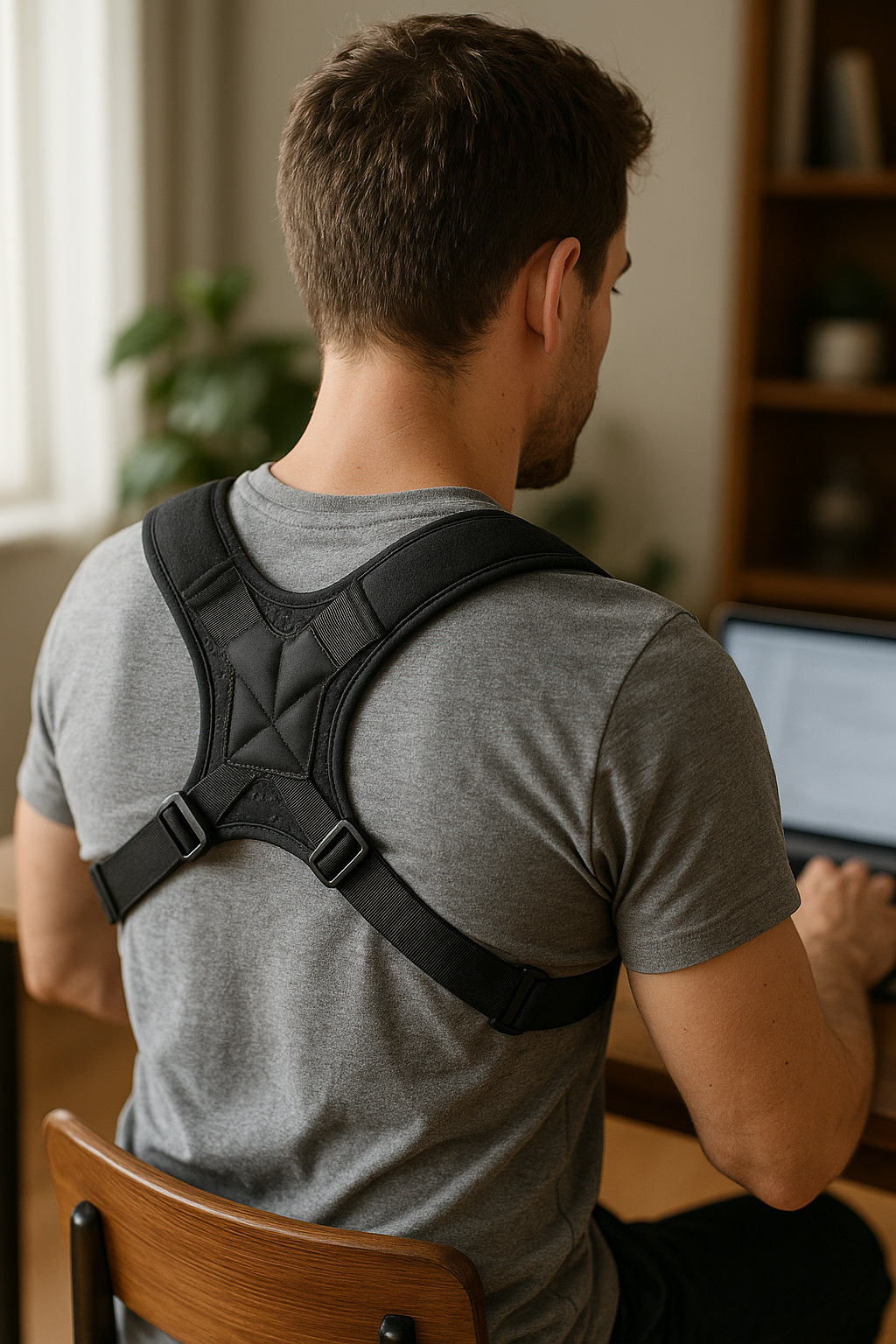
- Posture support and ergonomic products: For some people, posture-supporting garments and ergonomic supports can make it easier to maintain an upright position, move with control, and practice better body mechanics—especially during long periods of standing or desk work.

Lumbar support belt
Provides lower back support & relief—adjustable for daily or active use.
A simple 7-day plan for prevention of osteoporosis
This routine is designed to be realistic. Adjust intensity to your level and aim for controlled, pain-free movement.
- Day 1: 20–30 minutes brisk walking + 2 sets of sit-to-stand (8–12 reps).
- Day 2: Strength focus: wall slides + resistance band rows + heel raises (2–3 sets each).
- Day 3: Balance focus: heel-to-toe walk, single-leg stand (supported), and gentle yoga or tai chi (10–15 minutes total).
- Day 4: Stair practice (handrail) or step-ups + short walk.
- Day 5: Strength focus: light dumbbell or band routine + loaded carry with a light bag (short, controlled distances).
- Day 6: Longer walk outdoors on even terrain + 5 minutes balance practice.
- Day 7: Recovery and mobility: easy walk + posture reset breaks throughout the day.
Home fall-risk checklist
- Are floors free of clutter and trailing cables?
- Are rugs secured and bathroom surfaces non-slip?
- Is lighting bright enough at night (especially to the bathroom)?
- Do you have stable shoes with good grip for indoor use?
- Are frequently used items stored at easy-to-reach heights?
Questions to discuss with your doctor
- Do my age, family history, or medications increase my fracture risk?
- Should I have a DEXA scan, and how often should it be repeated?
- Should I check vitamin D levels or adjust calcium intake?
- Would a referral to physiotherapy or supervised strength training be appropriate?
Frequently Asked Questions
What is the best way to prevent osteoporosis?
The most effective approach combines regular weight-bearing activity, muscle-strengthening exercise, adequate calcium and vitamin D, sufficient protein, and risk-reducing habits such as not smoking and limiting alcohol. Fall prevention and balance training are especially important as you get older.
Can exercise prevent osteoporosis?
Exercise can support prevention of osteoporosis by helping maintain bone density and improving muscle strength, coordination, and balance. Weight-bearing activities (like walking and stairs) and resistance training (like bands or weights) are particularly useful, and balance work helps reduce the likelihood of falls that can cause fractures.
When should I get tested for osteoporosis?
A DEXA scan is commonly recommended for women from age 65, and earlier for postmenopausal women with additional risk factors. Men and younger adults with significant risk factors (such as long-term steroid use or previous fractures) should discuss screening with a clinician.
What role does diet play in osteoporosis prevention?
Diet provides the building blocks for bone and muscle. Calcium supports bone structure, vitamin D helps the body absorb calcium, and protein supports muscle and bone maintenance. A balanced diet that includes fruits and vegetables also supports overall health and can make it easier to stay active.
Källor
- American Foundation for Medical Care. (n.d.). "Start Young to Prevent Osteoporosis."
- Massachusetts General Hospital. (n.d.). "Osteoporosis Guidelines."
- International Osteoporosis Foundation. (n.d.). "Prevention."
- American Academy of Family Physicians. (2022). "Practice Guidelines: Osteoporosis."
- UC San Diego Health. (n.d.). "Osteoporosis Prevention."
- The American College of Obstetricians and Gynecologists. (2021). "Osteoporosis: Prevention, Screening, and Diagnosis."
- Yale Medicine. (n.d.). "Osteoporosis Prevention."
- National Center for Biotechnology Information. (n.d.). "Osteoporosis Prevention."
- NHS. (n.d.). "Osteoporosis Prevention."
- The Endocrine Society. (n.d.). "Bone Health and Osteoporosis."
- Johns Hopkins Medicine. (n.d.). "What You Can Do Now to Prevent Osteoporosis."
- Wiley Online Library. (n.d.). "Osteoporosis Prevention."
- American Academy of Orthopaedic Surgeons. (n.d.). "Osteoporosis Prevention."
- American Association of Clinical Endocrinology. (2020). "Clinical Practice Guidelines for the Diagnosis and Treatment of Postmenopausal Osteoporosis."
- National Center for Biotechnology Information. (n.d.). "Osteoporosis Prevention."