Online exercise has moved from being a “nice-to-have” to becoming a realistic way to train consistently—without commuting, fixed class times, or a gym membership. For many people, that shift started during the pandemic. But the reason it has stayed is simpler: it fits modern life. You can do a 10-minute mobility session between meetings, follow a guided strength workout in your living room, or unwind with a slow stretch routine before bed.
What’s often overlooked is that online exercise isn’t only about getting fitter. Done well, it can be a practical tool for pain relief and posture improvement—especially if your everyday life involves long hours of sitting, repetitive movements, or stress that shows up as tension in the neck, shoulders, and lower back.
Why pain relief and posture matter more than ever
Back pain and posture issues are no longer “just part of getting older.” They’re increasingly linked to how we work and live: more screen time, fewer natural movement breaks, and more time spent in the same positions. Even when you’re active, a body that’s stiff in the hips, weak through the core, or tense through the upper back can struggle to maintain good alignment—leading to discomfort that keeps coming back.
Improving posture isn’t about forcing your shoulders back all day. It’s about building a body that can support you: stronger postural muscles, better mobility where you need it, and movement habits that reduce strain. That’s where targeted online exercise can make a meaningful difference, because it allows you to practice the right movements repeatedly, at a pace that suits you.
What you’ll get from this guide
In the rest of this post, we’ll break down how to choose online exercise options that actually support your body—rather than just pushing through pain. You’ll learn:
- Which benefits make online exercise especially useful for posture and everyday aches
- The types of workouts that tend to help most, including gentle mobility, core-focused training, and posture-friendly strength work
- How to think about technique and progression when you’re training from home
- How ergonomic aids can complement your routine by improving comfort and supporting better alignment during daily activities
If you’re dealing with persistent or worsening pain, it’s always wise to seek individual assessment from a qualified health professional. But if your goal is to move more comfortably, stand taller, and build a routine you can stick to, online exercise can be a strong place to start.
Benefits of online exercise for pain relief and posture
One of the biggest advantages of online exercise is that it removes the “all or nothing” barrier. When your back feels tight or your neck is tense, a full gym session can feel unrealistic. A short, targeted routine at home is often easier to start—and consistency is what drives change in both pain patterns and posture over time.
Online exercise also makes it simpler to match training to your day. If you sit for long periods, you can choose short mobility breaks in the morning, a strength-focused session after work, and a calming stretch before bed. This flexibility helps you build movement into the same environment where your posture is challenged most: your home office, kitchen, sofa, and daily routines.
- Convenience and flexibility: train when it suits you, repeat sessions you benefit from, and adjust duration based on energy and symptoms.
- Accessibility and inclusivity: many platforms offer beginner-friendly options, low-impact sessions, and modifications for different abilities.
- Better adherence for busy schedules: shorter sessions can be easier to maintain than occasional long workouts.
- More control over pacing: you can pause, rewind, and focus on technique—especially helpful when you’re learning posture-related movements.
Types of online exercises that support posture and reduce everyday aches
Not all workouts are equally helpful when your goal is to move with less discomfort and improve alignment. The most effective approach is usually a blend of mobility, strength, and body awareness—rather than only stretching or only intense training.
Yoga and pilates for core control and mobility
Yoga and Pilates are popular online exercise options for a reason: they combine breathing, controlled movement, and positions that challenge stability. For posture, this matters because “standing tall” is less about forcing a position and more about having the strength and mobility to find a comfortable, supported alignment.
Look for sessions that emphasise:
- Thoracic mobility (upper back rotation and extension) to counter rounded shoulders and a stiff mid-back.
- Hip mobility to reduce compensations in the lower back during sitting and walking.
- Deep core activation (slow, controlled abdominal work) to improve trunk support without bracing excessively.
If certain positions increase pain (for example, deep forward folds or long holds), choose beginner or gentle classes and prioritise control over range.
Strength training and stretching for long-term change
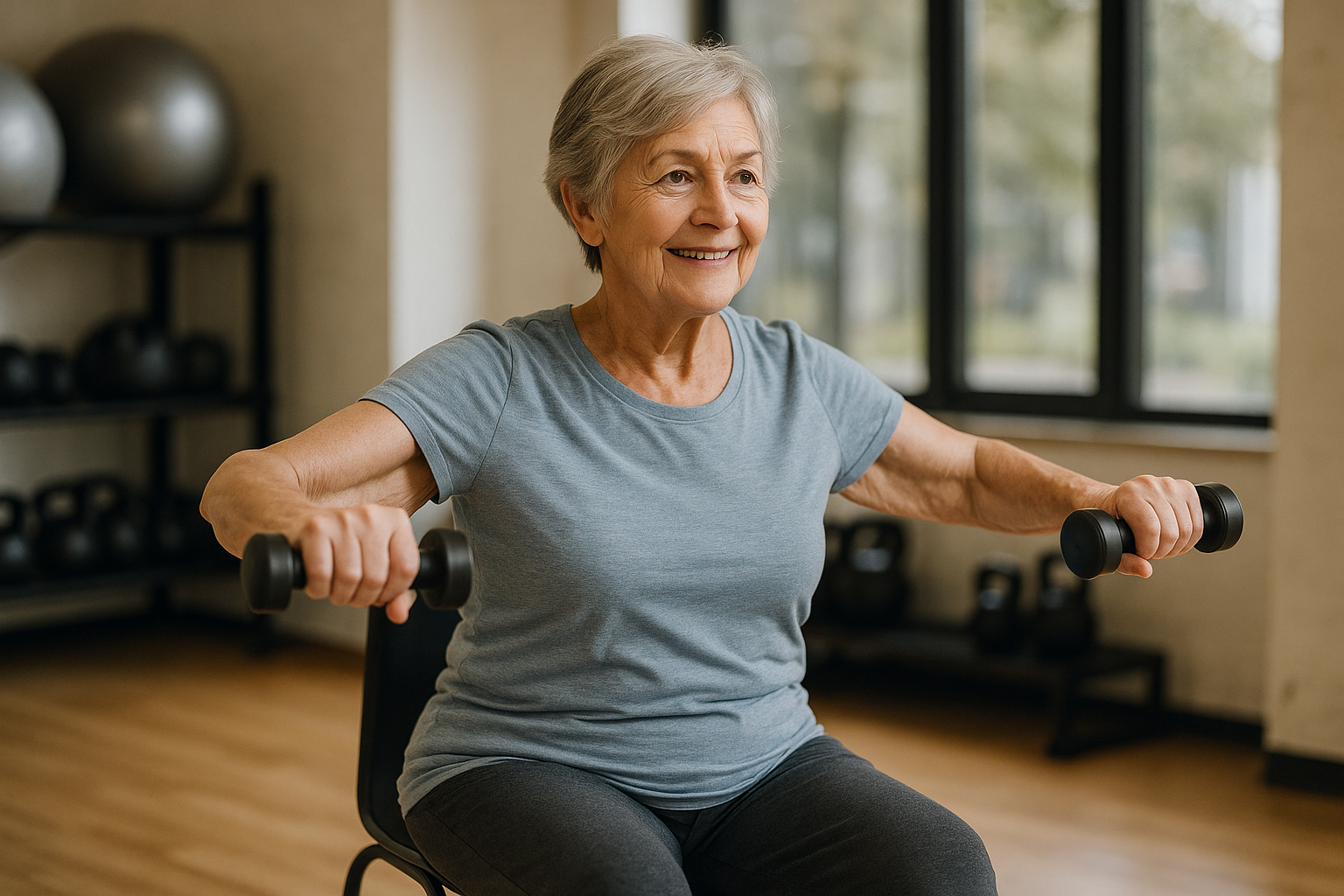
For many people with desk-related discomfort, the missing piece is strength—especially in the glutes, upper back, and deep trunk muscles. Stretching can feel good in the moment, but strength training helps your body maintain better positions with less effort.
Effective, low-equipment online exercise sessions often include:
- Glute and hip strength: bridges, hip hinges, step-ups, or banded side-steps to support the pelvis and reduce strain through the lower back.
- Upper back strength: rows with a band, reverse fly variations, and controlled “pulling” patterns to support the shoulder blades.
- Anti-rotation and stability: dead bug variations, bird dog, and side plank progressions to build control around the spine.
- Short mobility finishers: gentle chest openers, hip flexor mobility, and neck/shoulder range-of-motion work to reduce stiffness after sitting.
A useful rule: if you feel better immediately after stretching but the discomfort returns quickly, add strength work 2–3 times per week and keep stretching as a supplement.

Men's Posture Shirt™ - Black
Promotes better posture, can relieve pain, and stimulates muscles. Documented medical effect.

Women's Posture Shirt™ - White
Activates muscles, relieves pain and tension, and improves posture. Medical device with proven effect.
Posture-specific programs and guided rehab
If your main goal is posture improvement or you’re dealing with recurring pain, posture-specific online exercise programs can be a smarter choice than general fitness classes. These programs typically focus on movement quality, gradual progression, and common problem areas for sedentary lifestyles: neck tension, rounded shoulders, and lower-back sensitivity.
Some people also benefit from guided online physiotherapy or rehabilitation-style programs, which tend to offer clearer structure and safer progressions. This can be especially valuable if you’re unsure which movements to avoid, how to scale exercises, or how to rebuild confidence after pain flare-ups.
What research suggests about online exercise
Digital exercise programs have been widely used in recent years, and research across different populations suggests that well-designed online exercise can improve physical function and support pain management—particularly when programs are structured, progressive, and easy to follow. The biggest factor is rarely the “online” part itself; it’s whether the plan is realistic enough to do consistently and specific enough to address your needs.
To get the best results, choose sessions that:
- teach technique clearly (good camera angles, slow demonstrations, and cues)
- offer modifications for pain or limited mobility
- progress gradually over weeks, not days
- encourage regular movement breaks, not only intense workouts
If pain is severe, persistent, or accompanied by symptoms like numbness, tingling, or weakness, seek assessment from a qualified health professional before continuing.
Integrating ergonomic products with online exercise
Online exercise can be highly effective for improving posture and reducing everyday aches, but what you do between sessions matters just as much. If your workday involves long periods of sitting, your body is exposed to the same positions for hours—often long after your workout ends. That is where ergonomic products can complement training by improving comfort and reducing unnecessary strain during daily activities.
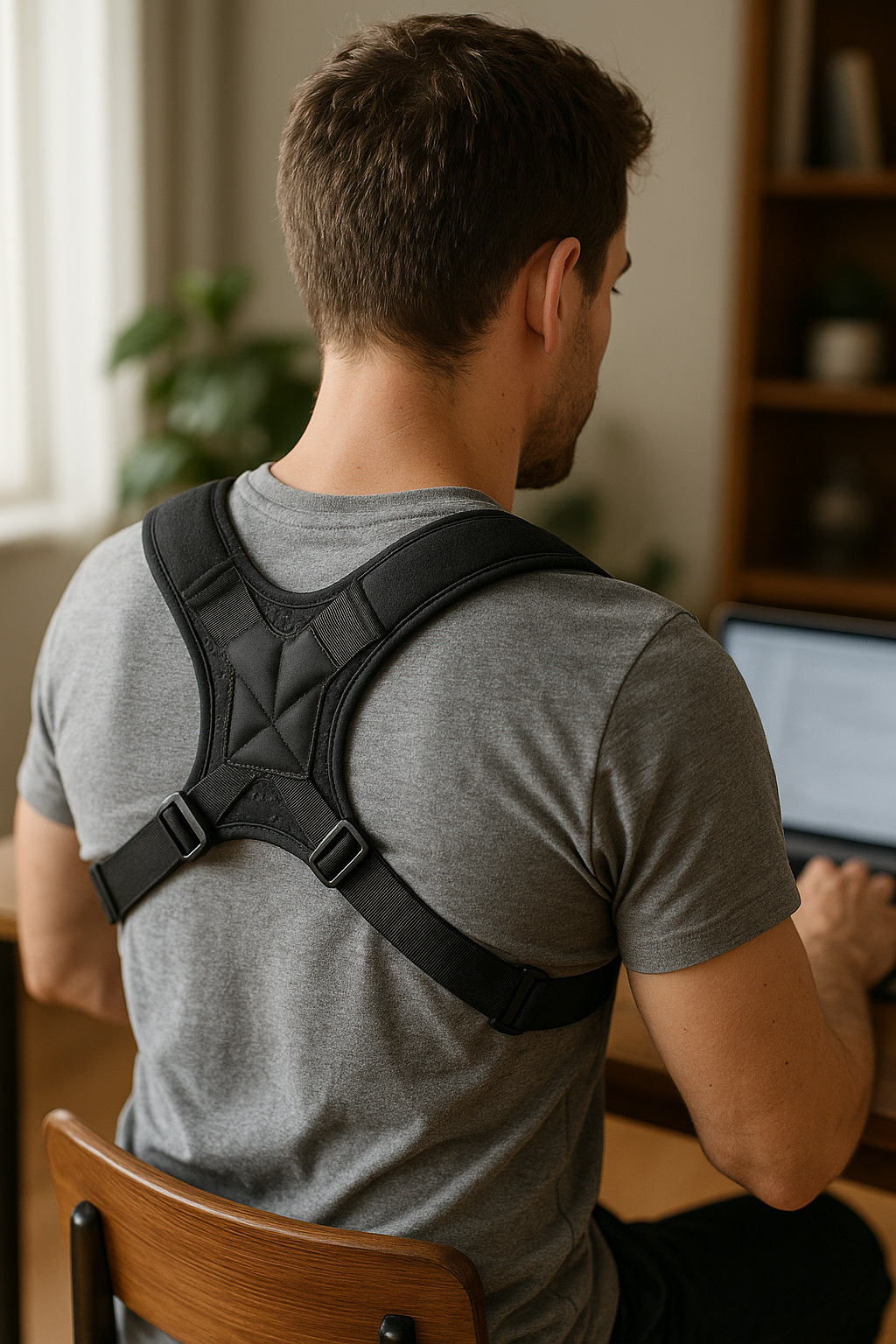
Ergonomic aids are not a shortcut that “fixes” posture on their own. The most useful approach is to treat them as support while you build strength, mobility, and better movement habits through online exercise. For example, a supportive cushion can help you sit with less pressure through the lower back, while a posture-supporting garment can increase body awareness so you notice when you slump or elevate your shoulders.
When choosing ergonomic products, focus on:
- Your main trigger: lower-back fatigue, neck tension, shoulder rounding, or discomfort from prolonged sitting.
- Comfort and usability: the best product is the one you will actually use throughout the day.
- Support without restriction: you should still be able to move, breathe, and change positions easily.
- Fit with your routine: consider whether you need support at a desk, in a car, on a sofa, or during standing tasks.
A practical strategy is to pair your online exercise sessions with small ergonomic upgrades in the environment where you spend the most time. This helps reduce flare-ups and makes it easier to stay consistent with training.
How to build a personalised online exercise routine
The best online exercise plan is not the most intense one—it is the one that matches your symptoms, schedule, and goals. If pain relief and posture improvement are your priorities, aim for a routine that balances mobility, strength, and recovery.
Use this simple structure:
- Daily movement (5–10 minutes): gentle mobility for the hips, upper back, and shoulders, plus short walking breaks if possible.
- Strength work (2–3 times per week): focus on glutes, upper back, and core stability with controlled tempo and good form.
- Posture practice (most days): brief “reset” moments—breathing, shoulder blade control, and neck relaxation—especially after long sitting.
Keep goals specific and measurable. Instead of “better posture,” aim for outcomes you can track, such as completing three 20-minute sessions per week for a month, reducing the frequency of tension headaches, or sitting through a meeting with less discomfort. If you use ergonomic supports, track whether they help you maintain comfort longer, not whether they force a perfect posture.
Staying consistent with online exercise when motivation drops
Most people do not struggle with knowing what to do—they struggle with doing it regularly. Online exercise removes travel time, but it also requires self-direction. A few strategies can make consistency easier:
- Lower the starting point: commit to 10 minutes. Short sessions reduce resistance and still build momentum.
- Plan for flare-ups: have a “gentle day” routine ready (mobility and breathing) so discomfort does not stop the habit entirely.
- Use the same time cue: attach training to an existing habit, such as after coffee or before your first meeting.
- Prioritise technique over intensity: posture-focused strength work should feel controlled, not rushed.
If symptoms worsen during or after sessions, scale back range of motion, reduce load, and choose slower formats. Persistent pain, or symptoms like numbness, tingling, or weakness, should be assessed by a qualified health professional.
Frequently Asked Questions
What are the best online exercises for back pain?
The best online exercise options for back pain are typically low-impact routines that combine gentle mobility, core stability, and gradual strengthening. Look for sessions that include hip mobility, glute strengthening, and controlled trunk stability (such as dead bug or bird dog variations). Avoid programs that push through sharp pain or rely only on intense stretching without strength.
Can online exercise really improve my posture?
Yes, online exercise can improve posture when it builds the strength and mobility needed to hold comfortable alignment. Posture changes usually come from stronger upper back and glute muscles, better thoracic mobility, and improved body awareness. Consistency over weeks matters more than doing occasional long sessions.
How do I choose the right online exercise program?
Choose a program that matches your current level and your main goal (pain relief, posture, or general fitness). Prioritise clear coaching cues, modifications, and a progression plan over time. If you have recurring pain or feel unsure about technique, a posture-specific or rehab-style program is often a better fit than general workouts.
Are free online exercises as effective as paid ones?
Free online exercise resources can be effective if they are well-instructed, appropriate for your needs, and easy to follow consistently. Paid programs often add structure, progression, and better guidance, which can be helpful for posture improvement and pain management. The key is quality and suitability, not price alone.
How can I ensure I am performing exercises correctly online?
Use videos with clear demonstrations, slow pacing, and multiple angles if available. Train near a mirror or record yourself occasionally to check alignment. Start with easier variations, and stop if you feel sharp pain. If you need more certainty, remote guidance from a qualified professional can help you adjust technique safely.
Kilder
- Norwegian SciTech News. (2020). "Fitness Calculator Can Reveal a Lot About Your Health."
- Smith, J. (2022). "The Impact of Online Exercise on Physical Health." Journal of Online Fitness.
- MoveAbility. (2023). "What is Online Exercise & How Does it Work?"
- Johnson, A. (2021). "Digital Fitness: A New Era." Health & Fitness Journal.
- Henry Ford Health. (2019). "Virtual Fitness: Exploring the Pros and Cons."
- Doe, R. (2023). "Online Exercise and Its Benefits." ScienceDirect.
- University of Miami Health News. (2023). "Online vs. In-Person Fitness: What's Better?"
- World Fitness Level. (2023). "Assess Your Fitness Level Online."
- Brown, L. (2023). "Ageing and Exercise: The Online Approach." Ageing Journal.
- Green, T. (2025). "Online Workouts for Seniors." Journal of Geriatric Physical Therapy.