Independence can feel like a small miracle as the years go by: getting up from a chair without help, carrying groceries, climbing a few stairs, or taking a walk without worrying about balance. The good news is that these everyday wins are often trainable. Senior exercise isn’t about chasing athletic goals or pushing through pain. It’s about keeping your body reliable for real life—so you can do more of what you enjoy, with more confidence.
At its best, senior exercise is safe, functional fitness that supports vitality: steady legs, stronger hips and back, better mobility, and the kind of stamina that makes daily tasks feel lighter. It also has a ripple effect beyond the physical. Moving regularly can lift mood, sharpen focus, and make it easier to stay socially connected—whether that’s joining a class, walking with a neighbour, or simply having the energy to say yes to plans.
What senior exercise really means
Senior exercise is a practical approach to movement that prioritises function and quality of life. Instead of focusing on one area only, the most helpful routines tend to combine several elements—think gentle cardio, strength work, mobility, and balance training—because that’s how the body works in daily life. Low-impact options are often a smart starting point, especially if joints feel stiff or you’re returning after a long break.
Common worries (and why they shouldn’t stop you)
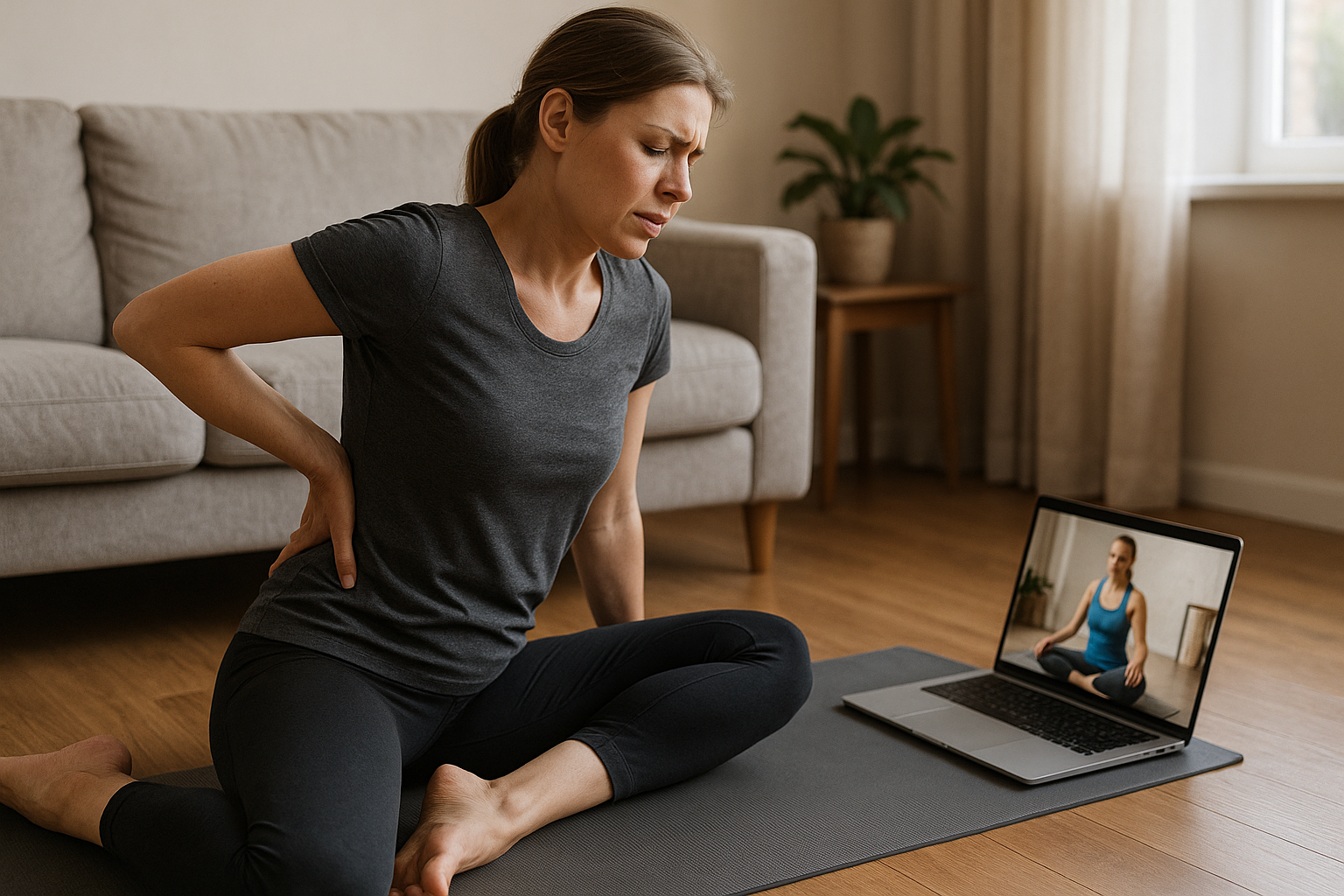
Many older adults avoid exercise for understandable reasons: fear of injury, fear of falling, existing aches, or the belief that it’s simply too late. But starting doesn’t have to mean doing a lot. It can mean doing something appropriate. A short walk, a few controlled sit-to-stands from a sturdy chair, or a simple balance drill near a countertop can be enough to begin building confidence.
The key is to make it feel safe from day one. Choose stable surroundings, move within a comfortable range, and aim for consistency over intensity. If you have medical conditions, dizziness, chest pain, or recent falls, it’s wise to check in with a healthcare professional before changing your activity level.
A simple goal: move better for daily life
Think of senior exercise as practice for living well: standing tall, stepping securely, reaching comfortably, and recovering balance when life surprises you. In the next section, we’ll break down what effective programs include and how to approach exercise in a way that’s structured, low-impact, and realistic to stick with.
What research suggests about staying consistent
One of the biggest predictors of success with senior exercise isn’t finding the “perfect” routine—it’s sticking with a routine long enough for it to matter. Clinical work on exercise habits in older adults highlights how confidence and expectations shape participation. When people believe exercise will help, and they feel capable of doing it safely, they’re more likely to show up regularly. That matters because even well-designed programs can have only modest effects if attendance and follow-through are low.
In practical terms, this means your plan should feel doable from the start. If a session feels intimidating, too long, or too hard on the joints, it becomes easy to skip. A better approach is to begin with an amount of movement you can repeat consistently—then build from there. Consistency builds self-trust, and self-trust builds momentum.
Senior exercise benefits that support independence
Guideline-level recommendations for older adults consistently point to the same core outcomes: better heart and lung function, reduced risk factors linked to chronic disease, improved ability to manage daily activities, and stronger psychological well-being. These benefits aren’t abstract. They show up as practical wins—walking farther without needing a break, carrying shopping with less strain, feeling steadier on uneven ground, and having more energy for social life.
It’s also worth noting the emphasis many professional guidelines place on quality of life. The goal isn’t to “train like an athlete,” but to maintain the physical capacity needed for independent living, slow the progression of chronic conditions, and support mood and confidence. For many people, that combination is what makes exercise feel meaningful rather than burdensome.
Safety first: screening, warm-up, and smart pacing
Before increasing activity, many older adults benefit from a basic health screening—especially if they have heart conditions, uncontrolled blood pressure, unexplained dizziness, chest pain, or a history of falls. If you’re unsure, a clinician or physiotherapist can help you identify safe starting points and any movements to modify.
Once you begin, structure matters. Older bodies often need a longer warm-up and cool-down than younger ones. Plan for about 10 minutes of gentle movement before and after your main session: easy walking, shoulder rolls, ankle circles, and slow sit-to-stands can prepare joints and reduce stiffness.
When it comes to intensity, starting low is not “too easy”—it’s strategic. A commonly used guideline range for aerobic work is roughly 50–70% of heart rate reserve, but you don’t need a calculator to begin safely. Use a simple effort check: you should be able to talk in short sentences while moving, and you should finish feeling worked but not wiped out.
How to build a low-impact weekly routine
A structured senior exercise plan is typically built around mode, duration, intensity, frequency, and progression. Keeping these simple makes it easier to follow.
- Mode: Choose low-impact activities such as walking, stationary cycling, water exercise, or swimming. These tend to be joint-friendly and easy to scale.
- Duration: Start with short bouts. If 20 minutes feels like too much, try 5–10 minutes at a time, a few times per day.
- Frequency: Aim for 3–5 days per week at first, then gradually move toward most days as your body adapts.
- Progression: Increase duration before intensity. A conservative build over 4–6 weeks is often more sustainable than pushing hard early.
This approach is especially helpful if you’re returning after a long break, managing joint pain, or rebuilding confidence after a fall.
The four pillars of senior fitness (and why they matter)
Most effective programs include four components because daily life requires all of them working together:
- Strength: Supports tasks like standing up from a chair, climbing stairs, and carrying bags. Stronger legs and hips are closely tied to independence.
- Flexibility: Helps you reach, turn, and move comfortably—useful for dressing, getting in and out of a car, and reducing stiffness.
- Endurance: Makes walking, housework, and outings feel easier, and supports heart and lung health.
- Balance and coordination: Helps prevent falls and improves confidence when moving in busy environments or on uneven surfaces.
If you’re not sure where to start, begin by choosing one simple exercise or activity from each pillar across the week. That creates a balanced foundation without making your routine complicated.

Men's Posture Shirt™ - White
Patented posture shirt helps relieve pain and supports better posture, ideal for daily activity or exercise.
Building a safe senior exercise program that fits real life
A good senior exercise plan is built on the same training principles used at any age—practice, recovery, and gradual progression—but with extra attention to safety, joint comfort, and balance. The goal is not to “work out harder.” It is to move in ways that improve daily function: standing up smoothly, walking with steadier steps, reaching without strain, and feeling confident when you change direction.
Start by choosing exercises you can perform with control and without holding your breath. Keep movements slow enough that you can stop at any point. If pain appears (sharp, worsening, or joint pain that lingers), scale the range of motion, reduce load, or switch to a different variation. Mild muscle effort is expected; persistent pain is a signal to modify.
Exercise progressions that build strength and balance safely
Progression works best when it is simple: make an exercise a little longer, a little steadier, or slightly more challenging only after it feels reliable. For many older adults, the safest route is to progress support first (hands on a chair), then range of motion, then resistance (light weights or bands), and only then speed or complexity.
| Movement goal | Level 1 (supported) | Level 2 (less support) | Level 3 (more challenge) |
|---|---|---|---|
| Stand up with control | Sit-to-stand from a chair with armrests | Sit-to-stand with hands on thighs | Sit-to-stand slower, or add a light weight held at chest |
| Improve stepping strength | Step taps to a low step while holding a counter | Step-ups to a low step with one-hand support | Step-ups without support or with a slightly higher step |
| Build balance confidence | Single-leg stand with two-hand support | Single-leg stand with one-hand support | Single-leg stand without support, or add gentle head turns |
Keep the “dose” manageable: 1–3 sets of 6–12 controlled repetitions for strength moves, and 10–30 seconds for balance holds. If you are doing endurance work (like walking), add time in small steps—an extra 2–5 minutes is often enough to progress without overloading joints.
Safety cues that reduce strain and fear of falling
- Use stable support: A heavy chair, countertop, or rail should not slide. Place it on a non-slip surface.
- Prioritise posture: Keep your chest open and spine long; avoid collapsing forward when standing up.
- Move in a comfortable range: Smaller movements done well are more effective than deep movements done with compensation.
- Breathe continuously: Exhale during effort (standing up, stepping up, pressing) to avoid unnecessary blood pressure spikes.
Simple ergonomic aids can make senior exercise feel safer and more accessible: chairs with armrests for sit-to-stand practice, non-slip mats for foot stability, supportive footwear, and adequate lighting to reduce trip risk. These adjustments lower the “friction” of getting started, which can be just as important as the exercises themselves.

Lumbar support belt
Provides adjustable compression and support to relieve lower back pain during activity or rest.
Motivation strategies that help senior exercise stick
Consistency is easier when the plan supports confidence. Choose a goal you can achieve within two weeks, such as “walk for 10 minutes after lunch three times per week” or “practice sit-to-stands every other day.” Track it on a calendar. Visible progress builds self-efficacy—the belief that you can do this safely—and that belief is often what keeps a routine going.
Social support also helps. A walking partner, a small class, or a caregiver joining in can turn exercise into a shared habit rather than a chore. If energy varies day to day, use a flexible rule: do the “minimum session” (for example, 5 minutes of movement) on low days, and the full session when you feel stronger.
Frequently Asked Questions
What types of exercises are best for seniors?
The best senior exercise routines are low-impact and multi-component, combining strength, flexibility or mobility, endurance, and balance. This mix supports daily function—standing, walking, reaching, and recovering balance—more effectively than focusing on only one type of training.
How can seniors safely start an exercise routine?
Start with a basic health check if you have chest pain, unexplained dizziness, uncontrolled blood pressure, recent falls, or complex medical conditions. Then begin with low-intensity movements you can control, such as short walks, chair-based strength exercises, and balance practice near a stable surface. Increase gradually as comfort improves.
How often should seniors exercise?
A practical target is to move on most days of the week, starting with shorter sessions and building up. Many people do well beginning with 3–5 days per week and progressing toward more frequent activity as endurance and confidence grow.
What role do ergonomic aids play in senior exercise?
Ergonomic aids improve safety and confidence. A sturdy chair with armrests can support sit-to-stand practice, non-slip mats can reduce slipping risk, and stable handholds can make balance training possible without fear. When exercise feels safer, it is easier to stay consistent.
How can caregivers support seniors in maintaining an exercise routine?
Caregivers can help by creating a safe space (clear floors, good lighting, stable chair), encouraging realistic goals, and reinforcing progress. Joining the session, even for a short walk or a few exercises, can increase motivation and make the routine feel more enjoyable and sustainable.
Kilder
- NHS. (n.d.). ”Physical Activity Guidelines for Older Adults.” NHS Live Well.
- Evelo. (n.d.). ”Exercise Guide for Seniors.” Evelo Blog.
- Exygon. (n.d.). ”Facts for Senior Fitness.” Exygon.
- Fox News. (2023). ”Older Adults Should Target Muscles When Strength Training, Says Fitness Pro.” Fox News Health.
- OhioHealth. (n.d.). ”Busting Eight Myths About Exercise and Aging.” OhioHealth Blog.
- Eldercare Alliance. (n.d.). ”Easy Exercises for Older Adults.” Eldercare Alliance Blog.
- WebMD. (n.d.). ”Exercise for Older Adults.” WebMD Healthy Aging.
- HSE. (n.d.). ”Exercise at Home.” HSE Living Well.