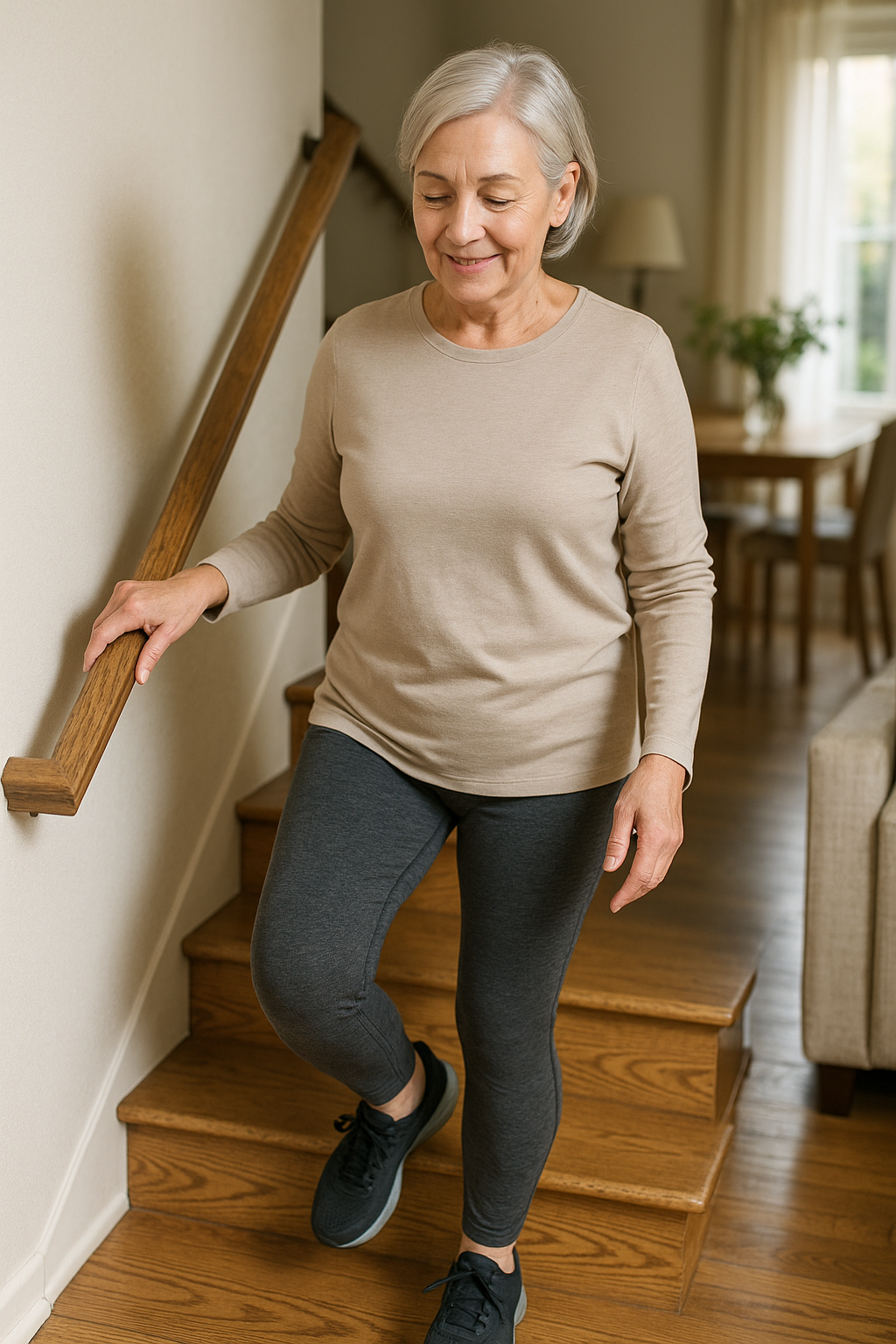
You can do everything “right” in training and still feel like your legs are made of concrete the next day. That’s because progress doesn’t happen during the run itself—it happens in the hours and days after. Recovery after running is where your body repairs muscle tissue, restores energy stores, and recalibrates your nervous system so your next session feels smoother instead of heavier.
Most runners share the same recovery goals: less soreness, fewer niggles, and the confidence that they’re not quietly drifting into overtraining. The tricky part is that the internet is full of routines, tools, and strong opinions—ice baths versus heat, total rest versus active recovery, gadgets versus “just sleep.” The truth is more practical: there isn’t one universal method that works best for everyone, but there are reliable principles that help most runners recover faster and stay healthy long-term.
Why post-run recovery matters more than you think
Running is simple, but it’s not “easy” on the body. Each stride creates repeated impact and load through feet, calves, knees, hips, and the trunk. If you recover well, you adapt: tissues become more resilient, your running economy improves, and your training feels more consistent. If you recover poorly, small issues tend to stack up—tight calves become altered stride mechanics, stiff hips become cranky knees, and fatigue makes form harder to hold.
Recovery also affects how you feel outside training. Many runners spend most of the day sitting, which can leave hips and ankles stiff and the upper body rounded. That posture can make you feel more locked up between runs, even if your training plan is solid. In other words, recovery after running isn’t only about what you do right after you stop your watch—it’s also about how you move (and sit) for the rest of the day.
Basics first, tools second
The best recovery strategies tend to be the least glamorous: smart pacing, enough sleep, well-timed food and fluids, and gentle movement that keeps circulation going. Tools like compression, massage, heat, and mobility work can be useful, but they work best as add-ons—not shortcuts.
In the next sections, we’ll break recovery down into clear time windows, starting with what to do in the first couple of hours after your run, then how to plan the next 24–72 hours so your body is ready to run, rest, and repeat.
What to do in the first 0–2 hours after a run
The fastest wins in recovery after running happen right after you stop. This window is less about “hacks” and more about helping your body shift from high output to repair mode: normalize circulation, replace fluids, and give muscles the building blocks they need.
Cool down to reset circulation and mechanics
Spend 5–10 minutes walking or very lightly jogging. This gradual downshift helps prevent blood pooling in the legs (which can make you feel dizzy or nauseous) and starts clearing metabolic byproducts through improved circulation.
If your feet or lower legs tend to feel beat up after a run, pay attention to what you wear during the cool down. Supportive, well-fitting footwear (and, if you use them, properly matched insoles) can help keep your alignment more neutral when fatigue makes form sloppy. That matters because small changes at the foot and ankle can ripple up to the knees, hips, and lower back.
Rehydrate and refuel (without overcomplicating it)
Start with fluids. A practical rule of thumb is to drink roughly 16–24 oz (about 500–700 ml) of fluid per pound (0.45 kg) of body weight lost during the run. If you don’t weigh yourself, use your urine color and thirst as a guide: aim for pale yellow within a few hours.
For runs longer than about an hour, hot conditions, or heavy sweaters, electrolytes can help you replace sodium and support fluid balance. For shorter, easy runs, water is often enough.
Then eat. Within 30–60 minutes, aim for a mix of carbohydrates (to replenish glycogen) and 15–25 g of protein (to support muscle repair). You don’t need a perfect ratio every time—consistency matters more than precision.
| Quick post-run option | Why it works |
|---|---|
| Greek yogurt + banana + honey | Carbs for glycogen, protein for repair, easy on the stomach |
| Chocolate milk | Convenient carb-protein combo when appetite is low |
| Turkey or tofu sandwich | More filling option with protein plus carbs |
| Oats with berries + whey or soy protein | Slow-release carbs and a clear protein target |
| Sweet potato + eggs | Simple whole-food carbs plus high-quality protein |
Foam roll first, then stretch
If you’re tight, start with 3–5 minutes of gentle foam rolling before static stretching. Rolling can help reduce the “stuck” feeling by improving local circulation and temporarily decreasing muscle tone. Then move into static stretches, holding each for about 20–30 seconds.
Prioritize the big three for runners: calves, quads, and hamstrings. If you sit a lot, add hip flexors and glutes. Think of this as a nervous system reset as much as a muscle routine: you’re telling your body it’s safe to relax.
Ongoing recovery after running (24–72 hours)
The next day or two is where many runners accidentally sabotage progress. The goal is to match your recovery to how hard you actually ran, not how motivated you feel.
Use effort level to plan the next 1–3 days
A simple way to decide what to do next is to think in “how hard did that feel?” terms. If you finished the run feeling like you could have kept going, you’ll bounce back faster than if you were close to your limit.
- Maximal effort (race effort or all-out intervals): plan 48–54 hours of very gentle activity only. Light walking is ideal; keep everything easy enough that you could breathe through your nose.
- Moderate-hard effort (tempo, hills, long run that felt demanding): give yourself about 48 hours before another hard session. Choose stretching, yoga, or light cycling as your “movement medicine.”
- Easy run (comfortable pace): you can often train again within 24 hours. Cross-training or strength work is fine if you keep intensity low and your legs feel normal when you warm up.
Why active recovery often beats doing nothing
Complete rest has its place, but gentle movement is frequently the better default. Easy cycling, swimming, or a relaxed walk increases blood flow without adding meaningful impact, which can reduce stiffness and make soreness feel more manageable. The key is keeping it truly easy: active recovery should leave you feeling better afterward, not more drained.
If you’re unsure, use a simple checkpoint the next morning: if your legs feel heavy but loosen up within 10 minutes of easy movement, active recovery is usually a good choice. If pain sharpens as you move, or your gait changes to “protect” a spot, choose rest and reassess.
Tools and techniques that can support recovery after running
Once the basics are in place—food, fluids, sleep, and smart training load—tools can make recovery after running feel easier and more comfortable. The key is to keep expectations realistic: most tools improve how you feel and how well you can move the next day, rather than “erasing” fatigue.
Compression garments: when they help (and when they don’t)
Compression socks, sleeves, or tights can support venous return (blood flow back toward the heart) and may reduce swelling in the lower legs after longer or harder runs. Many runners also report less heaviness and a smoother transition into the next day’s movement.
Practical use matters. Wear compression for a few hours after a demanding session, travel, or a long day on your feet. If compression makes your feet tingle, leaves deep marks, or increases discomfort, the fit is likely too tight or the garment isn’t suited to your needs. Compression can be a useful add-on, but it won’t compensate for under-fueling, poor sleep, or stacking hard sessions too close together.
Ice vs heat: choosing the right tool for the right problem
Cold and heat are often treated like universal fixes, but they serve different purposes. Ice or cold water is most appropriate when you’re dealing with an acute issue—such as a sudden flare-up, a clear inflammatory response, or a minor knock that feels hot and swollen. In those cases, cold can help manage symptoms in the short term.
For general post-run soreness and stiffness, heat is often the more comfortable choice. A warm shower, heating pad, or sauna can promote relaxation and make it easier to move well—especially if you follow it with gentle mobility work. Contrast showers (alternating warm and cool) can also feel refreshing after a hard effort. If you choose sauna or contrast methods, prioritize hydration and avoid pushing duration when you’re already depleted.
Massage and foam rolling: best for perceived soreness and mobility
Sports massage and foam rolling are most helpful for reducing perceived soreness and maintaining range of motion. They can also help you notice “hot spots” early—areas that feel unusually tender or restricted compared to your normal baseline.
Keep the pressure moderate. Aggressive rolling that leaves you bruised can increase sensitivity and make you guard your movement. A simple approach is 5–10 minutes of easy rolling on calves, quads, glutes, and the outside of the hip, followed by a few relaxed stretches. The goal is to move better afterward, not to “win” against the foam roller.
Posture and ergonomics: the missing link in recovery after running
Many runners do their recovery routine, then spend the rest of the day sitting—hips flexed, upper back rounded, and shoulders drifting forward. That posture can keep hip flexors, calves, and the front of the body in shortened positions, while the glutes and upper back do less work. Over time, this can contribute to stiffness that shows up on the next run as tight hips, a cranky lower back, or a stride that feels restricted.
Two simple habits can make a noticeable difference:
- Take posture breaks: every 30–60 minutes, stand up for 1–2 minutes, take a few deep breaths, and gently extend the hips (a small lunge stretch works well).
- Set up your day like training support: aim for a neutral sitting position with feet supported, hips and knees comfortable, and your screen at a height that doesn’t pull your head forward.
Ergonomic aids can support this by helping you maintain alignment when fatigue, long meetings, or commuting would otherwise pull you into a slumped position. Think of them as reducing “background strain” so your tissues can spend more time recovering between runs.

Men's Posture Shirt™ - Black
Patented shirt that stimulates muscles, relieves pain and enhances posture for work, exercise and everyday life.

Women's Posture Shirt™ - Black
Patented shirt that improves posture, relieves pain, and activates muscles for daily or active use.
Adjust recovery to your age and training history
Recovery needs are individual, but two patterns are common. Newer runners often need more recovery because tissues are still adapting to impact. More experienced runners may recover quickly from easy mileage but still need 48–72 hours after truly hard sessions. As runners age, it can take longer for connective tissue to feel fully normal again, so it helps to be proactive with sleep, protein intake, and low-intensity movement.
If you have a history of Achilles, knee, or hip issues, treat recovery as part of injury prevention: keep hard days hard, easy days easy, and use the next morning’s “warm-up test” to decide whether to run, cross-train, or rest.
Frequently Asked Questions
How long should I rest after a hard run?
For a maximal effort (race effort or all-out intervals), plan about 48–54 hours before your next hard session, using only gentle activity like easy walking. For a demanding long run or tempo effort, 48 hours is a good target. After an easy run, many runners can train again within 24 hours if the legs loosen up quickly during warm-up.
What are the best foods for recovery?
Aim for carbohydrates plus 15–25 g of protein within 30–60 minutes after finishing. Practical options include Greek yogurt with fruit, chocolate milk, a turkey or tofu sandwich, oats with added protein, or sweet potato with eggs. Choose foods you tolerate well and can repeat consistently.
Should I use ice baths after every run?
Not usually. Ice baths are most relevant when you’re managing acute soreness, swelling, or a flare-up, or when you need to feel functional again quickly (for example, during a heavy training block). For everyday recovery after running, gentle movement, good sleep, and adequate fueling are typically more useful.
Are recovery gadgets worth the investment?
They can be, but they’re rarely the main driver of progress. If your sleep, nutrition, and training load are inconsistent, gadgets will offer limited benefit. If your fundamentals are solid, tools like compression or massage devices may improve comfort and help you move better between sessions.
How can I tell if my soreness is normal or a sign of injury?
Normal soreness is usually dull, symmetrical, and improves as you warm up. Red flags include sharp or pinpoint pain, swelling, pain that worsens during easy movement, limping or altered gait, pain that disrupts sleep, or symptoms that keep getting worse over 48–72 hours. If you notice red flags, reduce load and consider professional assessment.
Kilder
- Nike. "Running Recovery Tips."
- Liiteguard. "Sådan restituerer du bedst efter en løbetur."
- CEP Running. "How to Boost Post-Run Recovery."
- Løberlab. "Restitution for Løbere."
- TrainingPeaks. "What is a Recovery Run?"
- Team Danmark. "Restitution."
- Red Bull. "Running Recovery Tips."
- Løbeshop. "Recovery for Runners."
- Pure Physiotherapy. "Running Recovery: How Long Does It Take to Recover from a Run?"
- Matas. "Restitution."
- Injinji. "Mastering Post-Run Recovery: Simple and Effective Strategies."
- Optima Sport. "Alder og Løbe Restitution."
- Strength Running. "Running and Recovery Lessons."
- PurePower. "Sådan optimerer du din restitution efter træning."
- YouTube. "Running Recovery Tips."