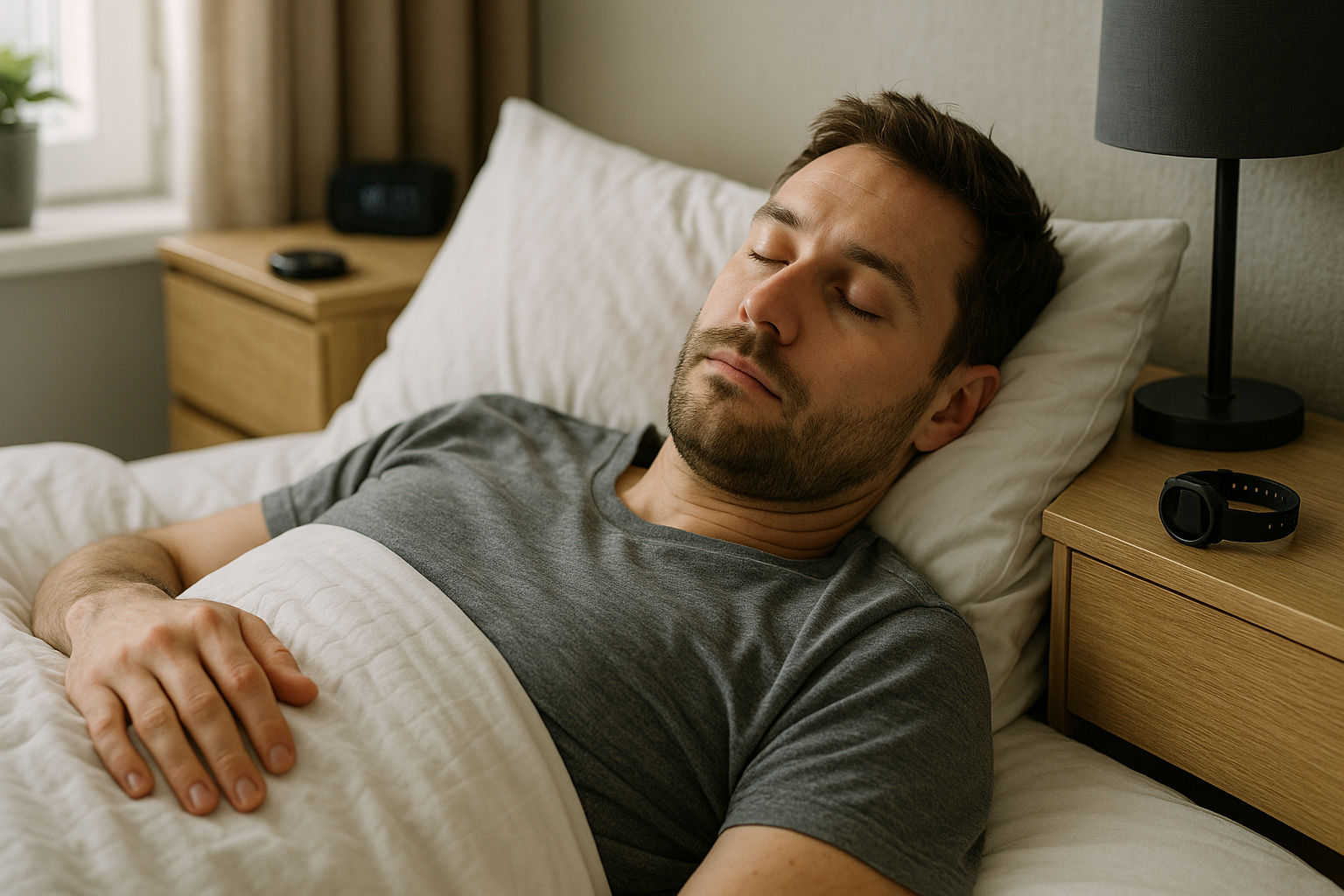
Sleep has a quiet kind of power. It doesn’t just help you feel more rested—it helps shape how your body repairs itself, how your mind handles pressure, and how well you function in the hours you’re awake. Yet in a culture that rewards being “always on,” sleep is often treated like the easiest thing to cut. The problem is that the costs don’t stay hidden for long.
When we talk about sleep and health, it helps to think of sleep as a foundational pillar—right alongside nutrition and movement. It’s not a luxury you earn after a productive day; it’s one of the reasons you can be productive in the first place. And while an occasional short night happens to everyone, consistently sleeping too little can add up in ways that affect both daily wellbeing and long-term health.
Why sleep and health are inseparable
Adequate sleep supports the systems you rely on every day: immune function, metabolism, cardiovascular regulation, mood stability, and cognitive performance. When sleep is routinely shortened, research consistently links it to higher risks of conditions like obesity, diabetes, and cardiovascular disease, as well as a higher risk of early mortality. In other words, sleep isn’t just about energy—it’s about resilience.
There’s also a common misconception that you can “train” yourself to need less sleep. Many people can push through on 5–6 hours for a while, but the body keeps score. Over time, reduced sleep can affect appetite regulation, stress tolerance, and recovery—making it harder to stay consistent with healthy habits like exercise and balanced eating.
The everyday benefits of better sleep
The upside is just as compelling. When sleep improves, many people notice clearer focus, steadier mood, and better performance at work and at home. Physically, sleep is when the body prioritises repair—supporting muscle recovery, tissue restoration, and the regulation of inflammation. For anyone dealing with stiffness or recurring aches, this matters: fragmented sleep can make discomfort feel louder, and discomfort can make sleep more fragmented.
That’s where Anodyne’s perspective becomes especially relevant. Sleep science explains why rest matters; ergonomics helps explain why rest can be difficult. If your pillow height strains your neck, your mattress doesn’t support your spine, or your body is carrying tension from a long day at a poorly set-up desk, sleep quality can suffer even when you “get enough hours.”
In the next section, we’ll break down what healthy sleep really means—beyond just time in bed—and how small, practical changes can improve both sleep quality and overall health.
What research says about sleep and health risks
Sleep is not just “downtime.” It is an active biological state where your brain and body regulate hormones, repair tissues, and recalibrate systems that affect everything from appetite to blood pressure. Large population studies consistently show that when sleep is regularly cut short, health risks rise in measurable ways.
One of the clearest patterns researchers see is a dose-response relationship: as nightly sleep decreases, the likelihood of chronic health problems tends to increase. Regularly sleeping fewer than about eight hours has been linked with higher risk of conditions such as obesity, type 2 diabetes, and cardiovascular disease. The most concerning end of the spectrum is very short sleep. Consistently getting five hours or less has been associated with an increased risk of early mortality in long-term cohort data. These findings don’t mean one short night is dangerous; they show what can happen when short sleep becomes your normal.
It also helps to remember that sleep loss can be both a cause and a consequence. Poor sleep may contribute to weight gain and metabolic disruption, while pain, stress, and certain health conditions can make it harder to sleep well. That feedback loop is one reason sleep and health should be approached as a system, not a single habit to “fix” with willpower alone.
Sleep health is more than hours in bed
Many people judge sleep by duration alone, but sleep health is multi-dimensional. In practice, you can spend eight hours in bed and still wake up unrefreshed if your sleep is fragmented or poorly timed. A useful way to think about sleep health is through five core components:
- Duration: For most adults, the target range is 7–9 hours per night. Consistently sleeping under 5 hours is a red flag for long-term health.
- Quality: How restorative sleep feels, including how deeply you sleep and whether you wake up feeling recovered.
- Continuity: How often sleep is interrupted and how easily you fall back asleep.
- Timing: When you sleep in relation to your natural circadian rhythm and daily responsibilities.
- Regularity and satisfaction: Whether your schedule is stable across the week and whether you feel your sleep is “working” for you.
This is also where it helps to separate sleep health from sleep hygiene. Sleep health describes the outcome—how well your sleep supports your wellbeing. Sleep hygiene describes the actions you take to improve it. Hygiene matters, but it’s most effective when it addresses the real reasons your sleep is disrupted, including physical discomfort.
Practical ways to improve sleep quality (without overhauling your life)
Better sleep often comes from small, consistent changes that reduce friction at bedtime and support deeper, more continuous sleep.
- Keep a steady schedule: Aim to wake up and go to bed at roughly the same time, including weekends. Regularity helps your body anticipate sleep.
- Build a wind-down buffer: Give yourself 30–60 minutes of low-stimulation time before bed. This can be reading, stretching, or calm breathing—anything that signals “downshift.”
- Reduce screen exposure late at night: Bright, engaging content can delay sleepiness and make it harder to fall asleep quickly. If screens are unavoidable, dim them and avoid high-stress content.
- Make the bedroom a sleep cue: Keep the room cool, dark, and quiet where possible. Consider light-blocking curtains and consistent airflow.
If you’re regularly unable to get enough sleep despite having time in bed, or if you suspect a sleep disorder, it’s worth discussing symptoms with a healthcare professional. Addressing underlying issues can be a turning point for both sleep and overall health.
Why ergonomics can make or break sleep continuity
Sleep hygiene is often framed as a mental or behavioural challenge, but many people wake up because of their body, not their thoughts. Neck tension, shoulder pressure, low back strain, or hip discomfort can fragment sleep even if you fall asleep easily. That’s why ergonomics belongs in the sleep and health conversation: it targets the physical triggers that interrupt continuity.

Men's Posture Shirt™ - Black
Patented shirt activates muscles and may relieve neck, shoulder, or back pain. Documented effect and comfortable daily support.
Start with alignment. In a neutral sleeping posture, your spine should be supported in a way that avoids extreme bending at the neck or lower back. For many people, the biggest culprits are a pillow that’s too high or too flat, and a mattress that either sags (forcing the spine to collapse) or feels overly firm at pressure points.
- Side sleepers: A pillow should fill the space between shoulder and head so the neck stays level. If the top knee drops forward, placing a pillow between the knees can reduce pelvic and low back twist.
- Back sleepers: A pillow that supports the natural curve of the neck (without pushing the head forward) can reduce morning stiffness. A small pillow under the knees may ease lower back tension for some people.
- Stomach sleeping: This position often increases neck rotation and lower back extension. If it’s hard to change, a thinner pillow (or none) and a pillow under the hips can reduce strain.
From desk to bed: how daytime posture affects nighttime recovery
Sleep doesn’t start at bedtime; it starts with what your body carries into the evening. Long hours at a poorly set-up desk can load the neck, shoulders, and lower back, making it harder to find a comfortable position and stay asleep. Improving daytime ergonomics—screen height, chair support, keyboard position, and regular movement breaks—can reduce the muscular “noise” that shows up at night.

Women's Posture Shirt™ - Black
Activates muscles and can relieve strain/pain. Documented, medical device for posture support and comfort.
When your sleep environment and your daytime posture work together, you’re not just chasing more hours. You’re improving the quality and continuity that make sleep truly restorative—and that’s where the biggest gains for health tend to happen.
Modern barriers to sleep and health (and what you can do about them)
Many people know what “good sleep habits” look like, yet still struggle to get consistent, restorative rest. That is because the biggest barriers are often built into modern life. Global survey data consistently points to the same themes: stress and anxiety, work pressure, screen use before bed, household responsibilities, and sleep disorders are among the most common reasons people do not sleep well.
What is easy to miss is how these barriers interact with the body. Stress can increase muscle tension and make it harder to settle into a comfortable position. Work demands can extend sitting time and load the neck, shoulders, and lower back. Screen use can delay sleepiness, but it also tends to keep people in one posture for too long, which can make stiffness feel worse once the lights go out. When sleep and health are viewed as a system, it becomes clear why both behavioural and ergonomic solutions matter.
Ergonomic strategies that remove friction at bedtime
If your sleep is frequently interrupted, the goal is not perfection—it is reducing the small triggers that wake you up. Start with the factors you can control in minutes, not months.
- Set up your bed for neutral alignment: Your pillow and mattress should support your natural curves without forcing your head forward or letting your hips sink. If you wake with neck pain, reassess pillow height. If you wake with low back tightness, consider whether your mattress is sagging or too firm at pressure points.
- Use simple positioning aids: A pillow between the knees for side sleepers can reduce pelvic rotation and low back strain. A small pillow under the knees for back sleepers can reduce lumbar tension. These are low-cost adjustments that can improve sleep continuity.
- Create a “downshift” routine that includes the body: Gentle stretching, a short walk after dinner, or calm breathing can reduce physical tension that otherwise shows up as restlessness at night.
- Reduce work-related strain before it becomes night-time discomfort: If your day involves prolonged sitting, aim for regular movement breaks and a screen height that does not pull your head forward. The less strain you carry into the evening, the easier it is to fall asleep and stay asleep.
It is also worth noting that persistent snoring, breathing pauses, or severe daytime sleepiness can signal an underlying sleep disorder. In those cases, ergonomic improvements can support comfort, but medical evaluation is important.
Sleep health, equity, and accessible improvements
Sleep problems are not evenly distributed. Irregular work hours, crowded living conditions, high stress, and limited access to healthcare can all make it harder to protect sleep. That is why accessible strategies matter—especially those that do not require expensive technology or major lifestyle changes.
Ergonomics can be part of that accessibility. Small changes—like adjusting pillow height, adding a towel roll for lumbar support when reading in bed, or using a pillow to support knees or hips—can reduce discomfort that fragments sleep. Even daytime changes can be low-cost: raising a laptop with books, using an external keyboard when possible, and taking short standing breaks can reduce the physical load that often shows up at night.
The bigger point is this: improving sleep and health is not only about discipline. It is about designing your environment—both at work and in the bedroom—so that your body has fewer reasons to wake up.
Final thoughts
Better sleep is one of the most practical health upgrades available. It supports metabolic regulation, cardiovascular function, immune resilience, mood stability, and cognitive performance. And because discomfort and poor posture can quietly undermine sleep continuity, ergonomic choices can make the difference between “enough hours” and truly restorative rest.
If you want a simple next step, choose one change you can sustain this week: a consistent wake-up time, a screen-free wind-down window, or a pillow adjustment that keeps your spine neutral. Small improvements, repeated, are often what turn sleep into a reliable foundation for better health.
Frequently Asked Questions
Why is sleep considered a pillar of health?
Sleep supports essential functions that affect daily performance and long-term wellbeing, including immune regulation, metabolic health, cardiovascular function, learning, memory, and emotional stability. When sleep is consistently shortened or fragmented, the risk of multiple chronic health problems increases, which is why sleep and health are closely linked.
How can I improve my sleep quality?
Focus on sleep hygiene basics: a consistent sleep schedule, a wind-down routine, reduced screen exposure before bed, and a cool, dark, quiet bedroom. If you still wake up unrefreshed, look at sleep continuity—frequent awakenings are often driven by stress, noise, temperature, or physical discomfort that can be addressed with targeted changes.
What role does ergonomics play in sleep?
Ergonomics supports neutral alignment and reduces pressure on sensitive areas like the neck, shoulders, hips, and lower back. The right pillow height and mattress support can reduce pain-related awakenings and help you stay asleep longer, improving sleep continuity and overall sleep satisfaction.
How does sleep deprivation affect my health?
Chronic sleep deprivation is associated with higher risk of obesity, type 2 diabetes, cardiovascular disease, high blood pressure, and reduced mental wellbeing. Very short sleep over time has also been linked with higher risk of early mortality in long-term population research.
What are some common barriers to sleep, and how can I overcome them?
Common barriers include stress or anxiety, work pressure, screen use before bed, household responsibilities, and sleep disorders. You can address these by building a realistic wind-down routine, setting boundaries around late-night screens, reducing daytime physical strain through better posture and movement breaks, and optimising your sleep setup to minimise pain and discomfort. If symptoms suggest a sleep disorder, seek medical guidance.
Källor
- Diabinfo. (n.d.). "Healthy Sleep."
- PubMed. (2019). "Sleep and Health."
- Centers for Disease Control and Prevention. (n.d.). "About Sleep."
- Prevent NCD. (n.d.). "Sleep as a Key Public Health Priority."
- Harvard Medical School. (n.d.). "Sleep and Health Education Program."
- European Academy of Neurology. (n.d.). "Sleep Health Check."
- Mental Health Foundation. (n.d.). "Sleep Matters."
- Roenneberg, T. (2022). "Journal of Sleep Research."
- MedlinePlus. (n.d.). "Healthy Sleep."
- University of Copenhagen. (2026). "Young People's Sleep and Mental Health."
- Springer Medizin. (n.d.). "Sleep Health: A Meaningful Measure."
- DiVA Portal. (n.d.). "Sleep and Health Research."
- PubMed Central. (n.d.). "Sleep and Health Article."
- KNAW. (n.d.). "Sleep Health Publication."
- EuroHealthNet Magazine. (n.d.). "Good Sleep is Essential for Good Health."