Walking is one of the few forms of movement that almost everyone already knows how to do, can do almost anywhere, and can start today without a membership, a schedule, or special skills. That simplicity is exactly why walking as exercise deserves more credit than it often gets. It’s a low-barrier aerobic activity that can be gentle enough for beginners, yet effective enough to improve fitness when you do it with a bit of intention.
Health authorities consistently point to walking as a practical way to support heart health, boost everyday stamina, and improve mental well-being. It’s also easy to scale: a short loop around the block, a brisk walk during lunch, or a longer weekend route can all contribute to better health over time. And unlike many workouts that require equipment or confidence, walking fits naturally into daily life—commuting, errands, phone calls, or a walk with a friend.
Does walking really count as exercise?
The short answer is yes—walking counts as exercise when it raises your effort level above “just moving around.” In other words, when your breathing picks up, your heart rate rises, and you feel like you’re doing something purposeful. For many people, that happens at a brisk pace, but intensity can also come from hills, stairs, longer duration, or simply walking faster than your normal stroll.
It’s also worth noting that “exercise” isn’t an all-or-nothing label. Walking can be light activity on some days and a true cardio session on others. If you’re currently sedentary, walking can be a powerful starting point. If you’re already fit, walking can still be valuable—either as moderate cardio, active recovery, or a way to add more movement without overloading your joints.
Why walking works so well for real life
One reason walking as exercise is so effective is that it’s easier to repeat than most training plans. Consistency matters more than perfection, and walking makes it realistic to build a routine you can stick with. You can also break it into smaller sessions—several short walks can add up across the week and still move you toward common activity goals.
In the next section, we’ll look closer at what walking can do for your body and mind, how to start if you’re out of practice, and how to adjust pace and terrain so your walks feel like meaningful training—without turning them into something complicated.
Health benefits of walking as exercise
When walking is done at a purposeful pace, it functions as true aerobic training. Over time, that steady, rhythmic effort supports the heart and blood vessels, improves how your body handles blood sugar, and helps build the kind of baseline fitness that makes everyday tasks feel easier. A widely used benchmark is aiming for about 150 minutes of moderate-intensity activity per week, and brisk walking is one of the simplest ways to reach it.
On the physical side, consistent brisk walking is associated with a lower risk of cardiovascular disease and stroke, and it can help improve key markers such as blood pressure, cholesterol, and blood glucose. It also supports weight management by increasing daily energy use, especially when you keep your pace up or add hills and longer routes. If weight loss is a goal, walking can contribute meaningfully, but it works best when paired with a balanced diet and a routine you can maintain week after week.
Mental benefits are just as compelling. Many people notice that a walk clears mental “noise,” reduces stress, and improves mood in a way that feels immediate. Over the long term, regular walking is linked with better sleep quality and a lower risk of depression. It’s also a brain-friendly habit: moving your body increases blood flow and can support cognitive health as you age, especially when walking becomes a consistent part of your week.
Walking is also a quiet win for bones and joints. Because it’s weight-bearing, it encourages bone maintenance and strength, which matters for reducing osteoporosis risk over time. And compared with high-impact activities, walking is generally joint-friendly, making it a practical option for people who want the benefits of cardio without the pounding of running.
How to start a walking routine that actually sticks
If you’re new to walking workouts (or returning after time off), the best plan is the one that feels doable. Start with a duration you can complete comfortably—often 10 to 20 minutes—and build from there. A simple approach is to add a few minutes every week until you reach longer sessions, or to add an extra walking day before you increase time.
Gear can stay minimal, but footwear matters. Choose shoes that feel stable, have enough room in the toe box, and provide support that matches your foot shape and comfort needs. If your feet, knees, hips, or back tend to complain, treat that as useful feedback: discomfort is often a sign to adjust shoes, reduce intensity temporarily, or vary terrain rather than pushing through.
Keep your form relaxed and efficient. Think “tall posture” rather than stiff posture: head level, shoulders down, and arms swinging naturally. Breathe steadily and aim for a pace that feels purposeful but sustainable. If you can talk but not sing, you’re often in a moderate-intensity zone for many people.

Women's Posture Shirt™ - Black
Aktiverer musklerne, kan lindre smerter og spændinger, forbedrer kropsholdningen. Til arbejde, træning og fritid.
Ways to fit walking into daily life
One reason walking as exercise works so well is that it doesn’t have to live in a perfect workout window. You can build meaningful weekly volume by stacking small choices:
- Walk part of your commute, or park a little farther away than usual.
- Take a 10-minute brisk loop after meals to add steps and break up sitting time.
- Turn phone calls into walking calls when possible.
- Choose stairs for a short, joint-friendly way to increase intensity.
- Plan social walks instead of meeting only for coffee or dinner.
Short bouts count. Three 10-minute walks in a day can be just as valuable as one 30-minute session, especially when your goal is to build consistency and reach a weekly total.
Safety and comfort: how to keep walking sustainable
Safety is mostly about awareness and preparation. Pick routes where you feel comfortable, stay visible in low light, and be traffic-aware at crossings and driveways. If you use headphones, consider keeping volume low or using one earbud so you can still hear what’s around you.
For comfort, listen to early signals. Mild muscle fatigue is normal when you increase activity, but sharp pain, worsening joint pain, or pain that changes your gait is a reason to scale back and troubleshoot. Often, small adjustments help: slower progression, flatter routes, a rest day, or switching surfaces (for example, alternating pavement with packed trails).
Walking intensity and progression
Walking can be light, moderate, or surprisingly challenging depending on how you structure it. To make it feel more like training, you can adjust three main levers:
- Pace: Walk faster for short intervals, then recover at an easier pace.
- Incline: Add hills, stairs, or a gentle incline route to raise effort without needing to run.
- Duration: Extend your walk gradually to build endurance and weekly volume.
Tracking can help with motivation and progress. A pedometer, phone app, or fitness tracker can show time, distance, and steps so you can set simple goals (for example, adding 5 minutes per walk or increasing weekly steps gradually). The key is progression that feels realistic: steady improvement without turning walking into something stressful or complicated.
Make walking as exercise more comfortable and effective
Once you’ve built consistency, small technique adjustments can make walking as exercise feel smoother, reduce unnecessary strain, and help you maintain a brisk pace for longer. The goal is efficient movement—steady effort without tension.
Start with posture. Think “tall and relaxed”: head level with your gaze forward, shoulders down and back, and your ribcage stacked over your pelvis. Avoid leaning from the waist or craning the neck forward, which is common after long hours of sitting. A neutral, upright position helps your hips extend more naturally and can reduce the feeling of tightness in the low back.
Next, look at stride length. Overstriding (reaching far out with the front foot) can increase braking forces and may irritate knees, hips, or shins. Instead, aim for a slightly shorter, quicker step where the foot lands closer to under your body. Your arms can help set rhythm: bend elbows softly and let the arms swing naturally from the shoulders (not across the body). A relaxed arm swing can make brisk walking feel easier at the same speed.
Finally, pay attention to foot contact. Most people do well with a smooth roll through the foot rather than a heavy heel strike. If you notice that your steps feel loud or jarring, try softening the landing and increasing cadence slightly. These are subtle changes, but they can add up over weeks of walking.
Ergonomic support: when small aids can help
If discomfort is stopping you from walking regularly, supportive tools can be a practical bridge while you build tolerance and strength. Footwear is the foundation: shoes should feel stable, allow your toes to spread, and match your comfort needs. If you tend to feel fatigue in the feet or lower legs, insoles can help improve comfort by adding support and reducing pressure in sensitive areas.
For people who struggle to maintain upright alignment—especially after a day at a desk—posture-supporting garments can provide gentle feedback that encourages a more neutral position while walking. The aim is not to “lock” you into perfect posture, but to make it easier to notice when you collapse through the chest or round the shoulders as you get tired. If you have persistent or worsening pain, it’s a good idea to consult a qualified healthcare professional to rule out issues that require specific treatment.

Men's Posture Shirt™ - Black
Aktiverer og stimulerer musklerne, kan afhjælpe smerter og spændinger i nakke, skuldre og ryg.
Targeted walking programs you can actually follow
Walking routines work best when they fit your life. Below are two simple, repeatable approaches that keep walking as exercise structured without making it complicated.
For office workers: the workday walking reset
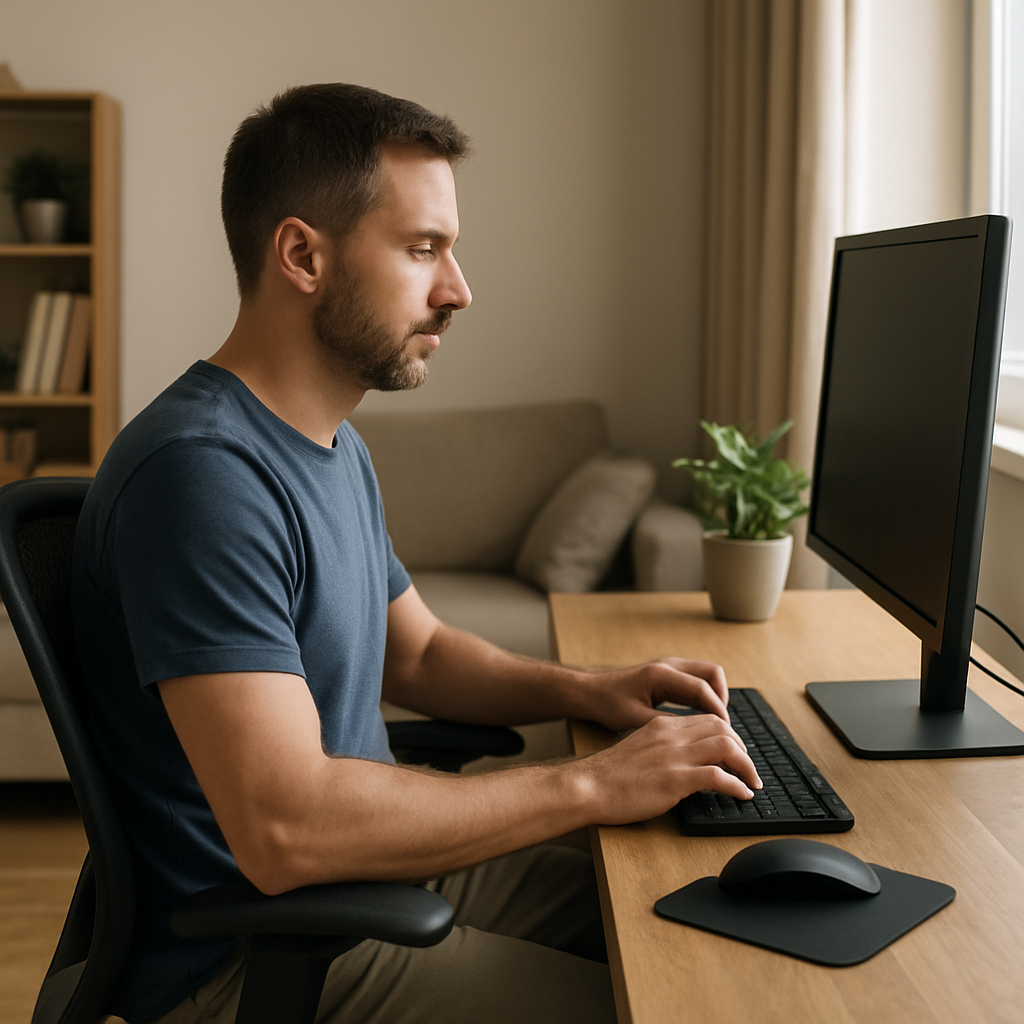
Long sitting periods often lead to stiff hips, rounded shoulders, and a “slumped” walking posture. Use short walks to break that pattern:
- Twice daily: Take a 10-minute brisk walk (for example, mid-morning and mid-afternoon).
- After lunch: Add a 5–10 minute easy walk to reduce stiffness and boost afternoon energy.
- Once per week: Do a longer walk (30–45 minutes) at a purposeful pace to build endurance.
Make it ergonomic: start the first minute tall and relaxed, then check in every few minutes—are your shoulders creeping up, are you leaning forward, are your steps getting heavy? These quick “posture scans” help you keep the walk comfortable and consistent.
For older adults: steady progress with joint-friendly pacing
For many older adults, the best plan is frequent, moderate walking with gradual progression. A simple weekly structure can look like this:
- 3 days per week: 20–30 minutes at a brisk-but-manageable pace.
- 2 days per week: 10–20 minutes easy walking for recovery and routine.
- Optional: Add gentle hills only if your joints tolerate it well.
Prioritise comfort cues. If a joint becomes more painful as you walk, shorten the session, choose flatter terrain, and build up again more gradually. Consistency is the main driver of results, and protecting your joints helps you stay consistent.
Frequently Asked Questions
Is walking enough to lose weight?
Yes. Walking as exercise can support weight loss, especially when you walk briskly and build a consistent weekly routine. Results are typically best when walking is combined with a balanced diet and realistic progression in time, pace, or terrain.
How fast should I walk to consider it exercise?
A brisk pace is a useful target—often around 3–4 mph (about 5–6.5 km/h) for many adults. A practical guide is the talk test: you should be able to speak in short sentences, but singing would feel difficult.
Can walking help with back pain?
It can. Many people find that regular walking helps reduce stiffness and supports better movement tolerance, especially when they focus on upright posture and avoid overstriding. Supportive footwear and, when needed, ergonomic aids such as insoles or posture-supporting garments can improve comfort so you can keep walking consistently.
How can I stay motivated to walk regularly?
Keep goals simple and measurable (for example, minutes per week), vary routes to reduce boredom, and use small wins like short walks that “count” toward your weekly total. Walking with a friend, joining a group, or tracking progress with a phone app can also make the habit easier to maintain.
Källor
- American Heart Association. "Why is Walking the Most Popular Form of Exercise?"
- Access Total Care. "Walking for Wellness: An Underrated Exercise."
- NHS. "Walking for Health."
- Manson, J.E., et al. (1997). "A Prospective Study of Walking as Compared with Vigorous Exercise in the Prevention of Coronary Heart Disease in Women." New England Journal of Medicine.
- Las Palmas Del Sol Healthcare. "Is Walking Exercise? 7 Things to Know About Your Daily Walking Routine."
- Mayo Clinic. "Walking: Trim Your Waistline, Improve Your Health."
- Dartmouth Health. "5 Surprising Benefits of Walking."
- Kaiser Permanente. "Benefits of Walking."
- Harvard T.H. Chan School of Public Health. "Walking."
- Lee, I.M., et al. (2023). "Walking and Cardiovascular Health: A Review." Journal of Clinical Medicine.