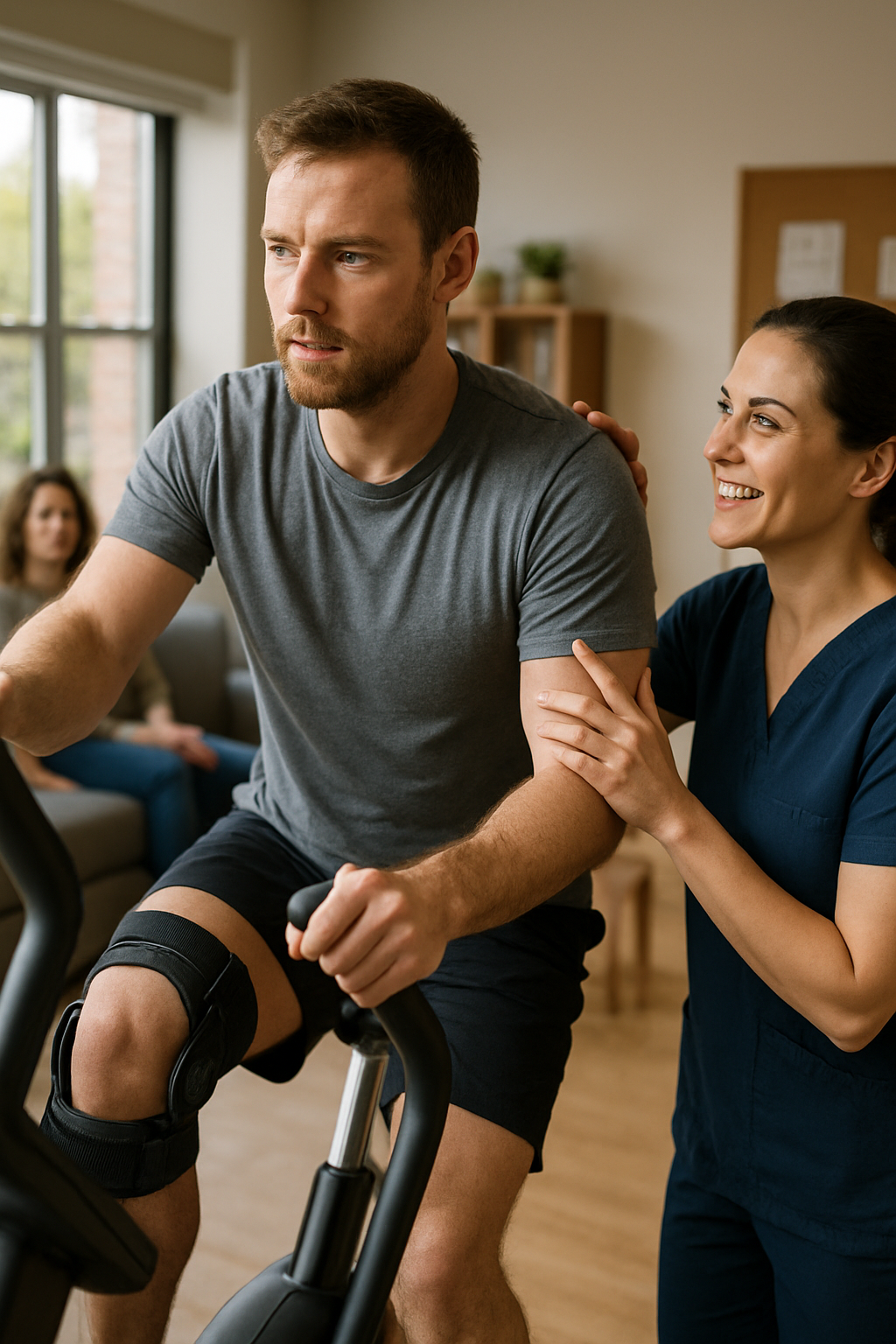
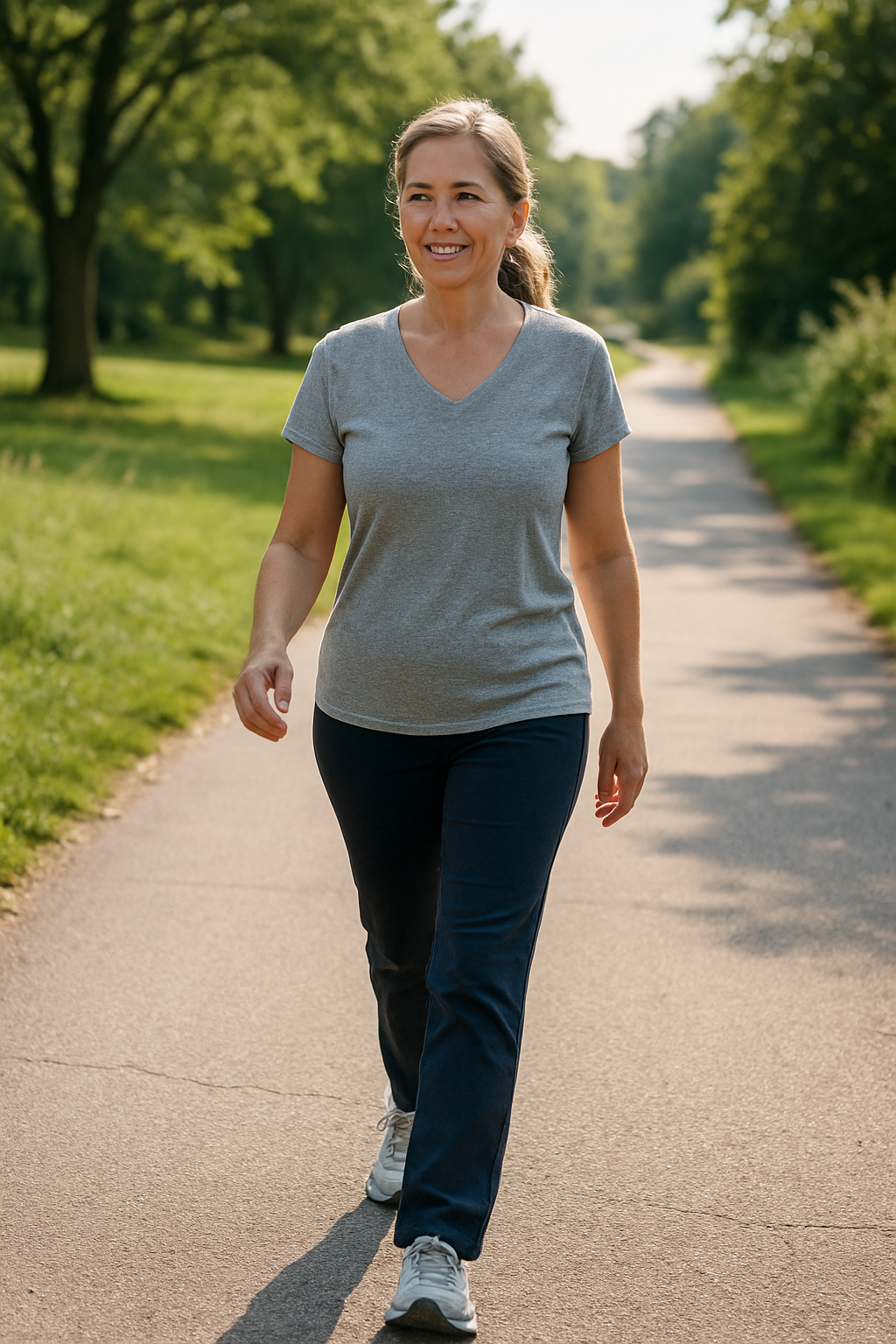
Healthy exercise is one of the most reliable ways to improve how your body feels and functions day to day. It supports your heart and lungs, helps regulate energy and sleep, and can make everyday tasks feel easier. But there’s a detail many of us overlook: the quality of your movement matters just as much as the quantity. If your posture is off—whether from long hours at a desk, commuting, or scrolling on the sofa—your body may “exercise” in a way that reinforces tension in the neck and shoulders, stiffness in the hips, or irritation in the lower back.
That’s why posture-perfect moves are such a smart place to start. When you train with better alignment, you’re not just chasing fitness goals; you’re building a stronger foundation for overall body health. Think of it as upgrading the way your body carries load—during workouts, but also when you lift groceries, climb stairs, or sit through meetings. For modern desk workers, this is especially relevant: prolonged sitting can encourage rounded shoulders, a forward head position, and a sleepy core, all of which can make exercise feel harder than it needs to.

Men's Posture Shirt™ - Black
Patented shirt designed to activate muscles, relieve pain & improve posture through everyday movement.
Common questions about healthy exercise
If you’ve ever wondered “What is the healthiest form of exercise?” you’re not alone. Many people assume there’s one perfect activity—usually something intense, trendy, or time-consuming. In reality, the healthiest approach is often the one you can do consistently, that matches your current capacity, and that includes a mix of movement types over time.
Another frequent question is “How much exercise is healthy per day?” The internet can make it sound like you need a full workout block to “count.” But health is built through repeatable habits, and small bouts of movement can add up—especially when they counterbalance hours of sitting.
Why posture changes the exercise equation
Not all exercises are equal when it comes to posture and pain prevention. Two people can do the same workout and get very different outcomes depending on alignment, control, and how their workspace and daily routines shape their bodies. If your shoulders are already elevated from stress and screen time, adding more shrug-heavy movements may feed the problem. If your hips are tight from sitting, jumping straight into deep squats may feel like your back is doing the work your hips can’t.
In the next sections, we’ll break down what healthy exercise actually includes, how much you need for health, and how to choose posture-friendly moves that help you feel better—not just more tired.
What healthy exercise really means
Healthy exercise is best understood as a balanced mix of movement types that support your body from multiple angles—not just calorie burn. Most well-rounded routines include four categories: aerobic activity (for heart and lungs), strength training (for muscles and bones), flexibility or mobility work (for joint range of motion), and balance training (for stability and fall prevention). You don’t need to “master” all four on day one, but over time they work together to make movement feel smoother, safer, and more sustainable.
Aerobic exercise includes brisk walking, cycling, swimming, dancing, or anything that raises your breathing and heart rate for a sustained period. Strength training can be done with bodyweight, resistance bands, free weights, or machines, and it’s especially valuable for counteracting the muscle deconditioning that can come with long hours of sitting. Flexibility and mobility work includes gentle stretching, controlled joint circles, and yoga-inspired movements that help you access better positions. Balance training can be as simple as standing on one leg, heel-to-toe walking, or slow, controlled step-ups.
How much exercise is healthy each week?
For most adults, a widely used guideline is to aim for at least 150 minutes of moderate-intensity aerobic activity per week (or 75 minutes of vigorous activity), and to include muscle-strengthening activities at least two days per week. Moderate intensity often feels like you can talk but not sing, while vigorous intensity makes conversation difficult. If those numbers feel big, it helps to remember they’re weekly totals. Five 30-minute brisk walks gets you to 150 minutes, and three 25-minute sessions of more intense cardio gets you close to 75 minutes.
Just as important: start at a level that fits your current capacity. If you’re coming back from a long sedentary period, it can be healthier to begin with 10–15 minutes at a time and build gradually than to jump into long or high-impact sessions that leave you sore, stiff, or discouraged. If you have a medical condition, are pregnant, or experience unexplained pain, it’s wise to check in with a healthcare professional before significantly changing your activity level.
Benefits you can feel beyond fitness
Regular movement supports more than “getting in shape.” Aerobic activity strengthens the cardiovascular system, improves endurance for daily tasks, and can support weight management when paired with consistent habits. Strength training helps maintain muscle mass, supports bone density, and can make your joints feel more stable—especially when you train with good form and progress gradually.
Healthy exercise is also closely tied to mental well-being. Many people notice improved mood, reduced stress, and better focus when they move consistently. Sleep quality often improves as well, particularly when activity is spread throughout the week rather than packed into one or two intense sessions. Over time, regular exercise is associated with a lower risk of several chronic conditions, including heart disease and type 2 diabetes, and it can be a powerful part of a long-term health strategy.
Why posture matters for safe, effective exercise
Posture isn’t about looking “perfect”—it’s about how your body stacks and shares load. When posture is compromised, certain muscles work overtime while others become underused. For desk workers, common patterns include a forward head position, rounded shoulders, a stiff upper back, and tight hip flexors. If you exercise on top of those patterns without adjusting technique, you can unintentionally reinforce them. That can show up as neck tension during upper-body workouts, lower-back discomfort during squats or lunges, or shoulder irritation during pressing movements.
Posture-friendly exercise focuses on alignment and control: ribs stacked over pelvis, shoulders relaxed rather than shrugged, and a spine that stays long and supported. It also means choosing movements that match your current mobility. If your hips are tight, for example, you may benefit from shorter squat ranges at first, more hip-hinge practice, and mobility work that helps you access better depth over time.
Ergonomics and posture-perfect moves you can start today
Ergonomics isn’t only for your desk—it’s the idea of setting up your environment and movement so your body can do the job with less strain. In exercise, that might mean using a wall for support, elevating your hands on a bench to reduce wrist or shoulder stress, or choosing a resistance band instead of heavy weights while you learn technique.
Here are a few posture-friendly options that work well for many beginners and desk workers:
- Neck and chest reset: Sit or stand tall, gently tuck the chin (as if making a “double chin”), then open the chest by bringing shoulder blades slightly down and back. This can reduce the “screen hunch” feeling before workouts.
- Shoulder blade squeezes: With arms by your sides, draw shoulder blades back and down without arching your lower back. This supports better upper-body mechanics for pushing and pulling exercises.
- Hip flexor stretch: In a half-kneeling position, gently shift forward while keeping ribs down and glutes engaged. This targets the front of the hip, which often tightens with prolonged sitting.
- Core bracing practice: Lying on your back with knees bent, exhale and gently tighten your midsection as if preparing for a cough, keeping the spine neutral. A responsive core helps support the spine during strength work.
Think of these as “alignment primers.” They don’t replace your main workout, but they can help your body find better positions so your training builds strength and resilience instead of feeding the same desk-driven tension patterns.
Making healthy exercise fit into real life
Healthy exercise is easiest to maintain when it’s built into your day instead of competing with it. If you work at a desk, the biggest challenge is often not motivation—it’s long, uninterrupted sitting that leaves your hips stiff, your upper back rounded, and your neck doing extra work. A practical strategy is to combine planned workouts with short movement breaks that “reset” posture and circulation.

Women's Posture Shirt™ - White
Activates muscles and improves posture; proven relief from tension—ideal for work, exercise & daily wear.
Try using movement snacks: 2–5 minutes of light activity every 30–60 minutes. These mini-sessions won’t replace your weekly aerobic and strength targets, but they can reduce stiffness and make your main workouts feel better. Simple options include a brisk walk to refill your water, a few flights of stairs, or a quick mobility sequence (neck rotations, shoulder rolls, and a gentle hip hinge).
A posture-friendly weekly plan for office workers
This sample week supports the core elements of healthy exercise—cardio, strength, mobility, and balance—while keeping posture and ergonomics front and centre. Adjust time and intensity to your current level, and aim for smooth, controlled movement rather than pushing through fatigue.
- Monday (20–30 minutes): Brisk walk or easy cycling + 5 minutes of chest opening and hip flexor mobility.
- Tuesday (15–25 minutes): Strength circuit (2–3 rounds): wall or incline push-ups, glute bridges, supported split squats, resistance-band rows. Rest as needed.
- Wednesday (10–20 minutes): Low-intensity movement + balance: heel-to-toe walking, single-leg stands (hold a wall), and gentle thoracic (upper back) rotations.
- Thursday (15–25 minutes): Strength focus: hip hinge practice (with a dowel or hands on hips), dead bug or bird dog for core control, and light overhead reach work if shoulders tolerate it.
- Friday (20–30 minutes): Moderate cardio you enjoy (walking, swimming, cycling, dancing). Keep shoulders relaxed and ribs stacked over pelvis.
- Weekend (optional): One longer walk, an easy hike, or a mobility session. If you feel stiff, choose gentle movement over intensity.
On workdays, add 1–3 movement snacks. Consistency matters more than perfection, and small bouts of activity can help you reach weekly totals without needing long gym sessions.
Healthy exercise when you have pain or posture issues
If you have back, neck, or joint pain, healthy exercise should feel supportive—not like you’re “pushing through” something sharp or worsening. Mild muscle effort and light soreness can be normal when you’re building strength, but pain that is sudden, intense, radiating (for example down an arm or leg), or associated with numbness, tingling, or weakness is a sign to stop and seek medical advice.
For many desk-related issues, the goal is to keep a neutral spine during strength work and avoid positions that force compensation. A neutral spine means your ribcage and pelvis are stacked, your core is gently braced, and you’re not excessively arching or rounding your lower back. In practice, that often looks like:
- Choosing supported variations: wall sits instead of deep squats, incline push-ups instead of floor push-ups, and step-ups instead of jumping.
- Prioritising hip and upper-back mobility: tight hips and a stiff thoracic spine can shift load into the lower back and neck.
- Progressing gradually: increase one variable at a time (reps, resistance, or range of motion), not all at once.
Supportive gear and ergonomic aids can also help you train with better alignment. For example, a stable chair or wall support can improve balance and reduce strain during split squats or single-leg work. Some people also benefit from posture-supportive garments or braces during certain activities to encourage awareness of alignment—especially when fatigue makes form harder to maintain. The key is that support should enable good movement patterns, not replace them.
Frequently Asked Questions
What is the healthiest form of exercise?
The healthiest approach is usually a mix: aerobic activity for heart and lung health, strength training for muscles and bones, plus mobility and balance work to support joint function and stability. The best choice is one you can do consistently and safely with good form.
How much exercise is healthy per day?
Many guidelines are expressed as weekly totals (for example, 150 minutes of moderate activity per week plus strength training twice weekly). Broken down, that can look like about 20–30 minutes of moderate movement most days, with strength sessions on two of those days. If you’re busy, shorter sessions can still count—what matters is consistency over time.
Is it OK to exercise if I have back pain?
Often yes, but it depends on the cause and your symptoms. Gentle walking, controlled strength work, and mobility exercises are commonly well tolerated, while high-impact or heavy lifting may need to wait. Stop if pain is sharp, worsening, or radiates, and consult a healthcare professional if you’re unsure.
How can I maintain good posture while exercising?
Focus on alignment cues: ribs stacked over pelvis, shoulders relaxed (not shrugged), and a neutral spine with gentle core bracing. Use mirrors, video, or light support (like a wall) to keep form clean, and reduce range of motion if you can’t maintain control.
What are some posture-friendly exercises for office workers?
Good options include glute bridges, resistance-band rows, wall or incline push-ups, hip flexor stretches, thoracic rotations, and short walking breaks. These moves help counter prolonged sitting by strengthening the upper back and hips while supporting a more neutral spine.
Källor
- My Hearing Centers. (n.d.). "Exercise and Good Hearing Health."
- Mayo Clinic Health System. (n.d.). "The 5 Elements of Fitness."
- Gunnars, K. (n.d.). "10 Benefits of Exercise." Healthline.
- World Health Organization. (2020). "Physical Activity Factsheets for the 28 European Union Member States of the WHO European Region."
- MedlinePlus. (n.d.). "Benefits of Exercise."
- CORDIS. (2021). "Does It Matter Where You Exercise?"
- Heart Medical. (n.d.). "Top 11 Facts About Physical Health."
- ExorLive. (n.d.). "Physical Activity."
- KidsHealth. (n.d.). "Exercise Wise."
- Mayo Clinic. (n.d.). "Exercise: 7 Benefits of Regular Physical Activity."
- PubMed Central. (n.d.). "The Effects of Physical Activity on Mental Health."
- NHS. (n.d.). "Exercise: Health Benefits."
- University of Kentucky. (2023). "Why and How Should I Exercise: A Content Analysis of Popular Magazines."