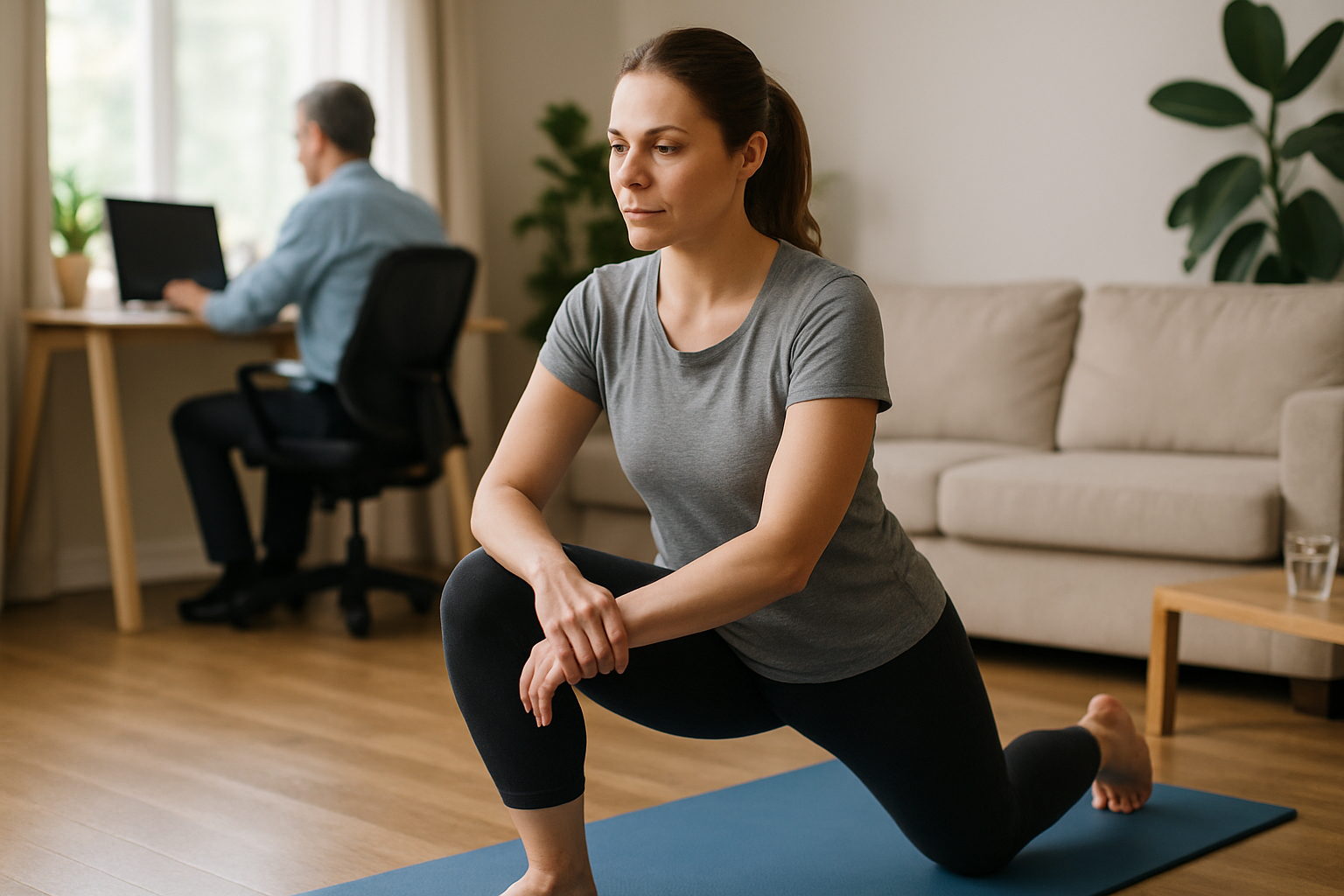
In today's fast-paced world, where technology and convenience often dictate our daily routines, poor body posture has become an increasingly prevalent issue. According to recent studies, a significant percentage of adults experience posture-related problems, largely due to lifestyle changes and the pervasive use of technology. Our reliance on devices like smartphones and computers, combined with sedentary habits, has contributed to a modern epidemic of slouching and misalignment.
Understanding poor posture
Poor body posture refers to the incorrect alignment of the body when sitting, standing, or lying down. While it might initially seem like a minor aesthetic concern, poor posture can have far-reaching implications for overall health. Many people mistakenly believe that posture is solely about appearance, but it's crucial to recognize that it plays a vital role in our physical well-being. Proper posture ensures that our bones and muscles are aligned correctly, reducing strain and preventing discomfort.
The significance of addressing poor posture
Ignoring poor posture can lead to a host of health problems, some of which may become chronic if left unaddressed. Misalignment can cause muscle fatigue, back and neck pain, and even impact our breathing and circulation. Additionally, poor posture can exacerbate existing health conditions, leading to more severe complications over time. By understanding the causes and effects of poor posture, we can take proactive steps to correct it and prevent potential health issues. In the following sections, we'll delve deeper into the factors contributing to poor posture and explore effective solutions to improve it.
Causes of poor body posture
Understanding the causes of poor body posture is crucial in addressing and preventing its adverse effects. In today's world, several lifestyle and physical factors contribute to the deterioration of our posture.
Lifestyle factors
One of the primary contributors to poor posture is our increasingly sedentary lifestyle. Many people spend prolonged hours sitting at desks, working on computers, or using smartphones. This constant forward-leaning position can lead to slouching, putting undue stress on the spine. Additionally, the habit of binge-watching on couches or beds encourages slumping, further exacerbating posture issues.
Another lifestyle factor is the improper use of technology. The frequent use of smartphones often leads to "text neck," a condition caused by the forward head position when looking down at a phone. Similarly, the incorrect setup of computer screens, keyboards, and chairs can strain the body and promote poor posture.
Carrying heavy bags, especially on one shoulder, and improper lifting techniques are other common lifestyle habits that contribute to imbalance and misalignment. These actions can lead to muscle strain and long-term posture problems.
Physical and medical factors
Beyond lifestyle habits, certain physical and medical factors can also influence posture. Weak muscles, particularly in the core and back, fail to support the spine adequately, leading to slouching. Obesity can exacerbate this issue, as excess weight places additional pressure on the spine and joints.
Injuries, such as those affecting the back or neck, can disrupt normal posture by causing pain and limiting mobility. Furthermore, underlying spine conditions like scoliosis or kyphosis can also lead to chronic poor posture if not properly managed.
Effects of poor body posture
The effects of poor posture extend far beyond aesthetics, impacting various aspects of physical health.
Physical health consequences
Poor posture is a leading cause of back and neck pain. When the body is misaligned, muscles and ligaments strain to maintain balance, leading to discomfort and fatigue. Over time, this can result in chronic pain conditions that significantly affect quality of life.
Moreover, poor posture can impact flexibility and mobility, making it difficult to perform everyday tasks. It can also interfere with breathing and circulation, as slouching compresses the chest cavity, limiting lung capacity and blood flow.
Potential for long-term health issues
Chronic poor posture can lead to more severe health problems if left unaddressed. It is known to contribute to tension headaches, as the strain on neck muscles can radiate upward. Additionally, poor posture can affect digestion, as a slumped position compresses abdominal organs, potentially leading to discomfort and digestive issues.
In the long run, ignoring posture problems can increase the risk of developing more serious conditions, such as degenerative disc disease or spinal misalignment, which may require medical intervention.
Visual representation of posture
To better understand the impact of posture, it's helpful to visualize the difference between correct and incorrect alignment. A diagram or infographic can illustrate how proper posture aligns the ears, shoulders, hips, and ankles, reducing strain on the body. In contrast, poor posture shows misalignment and the resulting stress on muscles and joints.
By recognizing these causes and effects, individuals can take proactive steps to improve their posture and prevent the associated health risks. In the next section, we'll explore practical methods and exercises to correct poor posture and maintain a healthier body alignment.
Methods to correct poor body posture
Correcting poor body posture is essential for maintaining overall health and well-being. Fortunately, there are several effective methods that can help improve posture and prevent the negative effects associated with misalignment.

Women's Posture Shirt™ - Black
Activates muscles, relieves pain, and improves posture awareness for daily relief.

Men's Posture Shirt™ - Black
Supports muscle activation, reduces pain, and encourages healthy posture daily.
Exercise and strengthening
Engaging in regular exercise is a fundamental way to improve posture. Specific exercises can target the muscles that support the spine and help realign the body. Core strengthening exercises, such as planks and bridges, are particularly beneficial as they enhance the stability of the torso. Additionally, neck extension exercises can alleviate tension and prevent forward head posture, while shoulder blade stabilization exercises promote proper shoulder alignment.
Ergonomics and support
Implementing ergonomic solutions in daily life can significantly impact posture. Ensuring that workspaces are set up correctly is crucial. This includes using an ergonomic chair that provides adequate lumbar support and adjusting desks and computer screens to the appropriate height. Proper desk setup ensures that the screen is at eye level, reducing the need to lean forward. Additionally, taking regular breaks to stretch and change positions helps maintain good posture throughout the day.
Practical advice for maintaining good posture
Being aware of one's posture and making conscious efforts to correct it can lead to long-term improvements. Simple self-checks, such as standing against a wall to assess alignment, can help individuals identify posture issues. It is also important to be mindful of posture during everyday activities, such as sitting, standing, and walking.
If posture problems persist despite self-correction efforts, seeking professional help from a physical therapist or chiropractor may be beneficial. These professionals can provide tailored advice and treatment plans to address specific posture-related concerns.
Frequently Asked Questions
Can poor posture be corrected at any age?
Yes, poor posture can be corrected at any age. With consistent effort and the use of proper techniques, individuals can improve their posture and reduce associated health risks.
How long does it take to see improvements in posture?
Improvements in posture can typically be seen within a few weeks when regularly engaging in exercises and making ergonomic adjustments. Consistency is key to achieving lasting results.
Are there any specific products that can help with posture correction?
Yes, there are several products designed to aid posture correction, such as posture braces, ergonomic chairs, lumbar supports, and posture braces. These tools can provide additional support and help maintain proper alignment throughout the day.
How can I maintain good posture while using a computer?
To maintain good posture while using a computer, ensure that your screen is at eye level, use a supportive chair with lumbar support, and take regular breaks to stretch and change positions. These practices help reduce strain and promote healthy posture. Wearing posture clothing can also serve as a reminder to maintain correct alignment during prolonged computer use.
What are the signs that poor posture is affecting my health?
Signs that poor posture may be affecting your health include persistent pain in the back or neck, frequent headaches, and difficulty breathing. If you experience these symptoms, it may be time to assess and improve your posture. For those experiencing pain in the knees or elbows due to poor posture or related strain, knee support and elbow support products can provide relief and stability.
Kilder
- Better Health Channel. "Posture." Better Health.
- Rehcore. "Dårlig kropsholdning." Rehabguiden.
- LiveWell. "Bli kvitt dårlig kroppsholdning." LiveWell.
- Rehaboteket. "Dårlig holdning." Rehaboteket.
- Brown Health. "Posture and How It Affects Your Health." Be Well.
- FysioDanmark. "Dårlig holdning - kropsholdning er vigtig." FysioDanmark.
- Oslo Naprapatklinikk. "Kroppsholdning." Oslo Naprapatklinikk.
- Visbody. "The Crucial Role of Posture: 10 Signs You're Doing It Wrong and How to Fix It." Visbody Blog.
- Visbody. "All You Need to Know About Bad Posture." Visbody Blog.
- Spine Health. "Poor Posture and Its Effects on the Body." Spine Health.