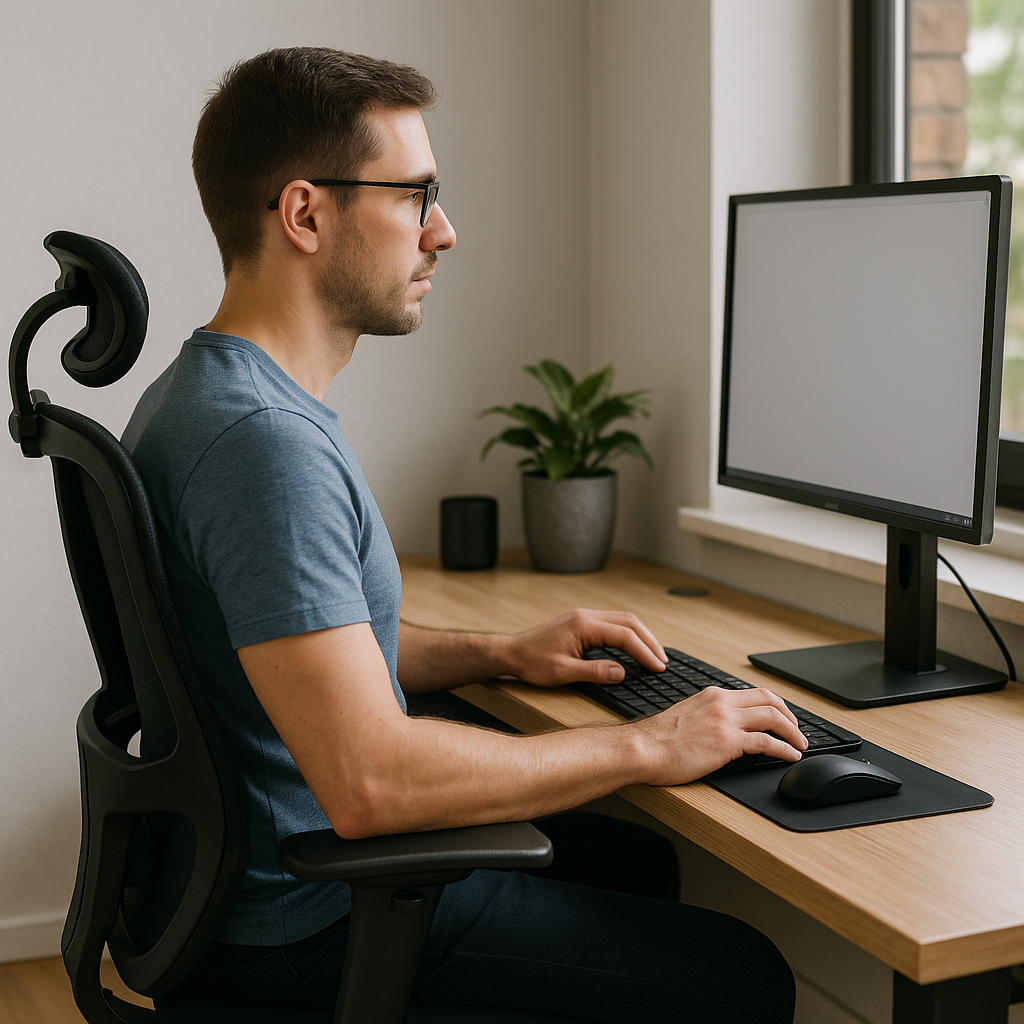
In today's fast-paced world, the concept of health and prevention is gaining unprecedented importance. As more individuals seek to maintain their overall well-being, lifestyle changes are becoming crucial. However, amidst the myriad of health advice available, two key components often remain overlooked: movement and posture. These elements are not just about physical appearance or comfort; they are foundational to preventive health strategies that can significantly impact long-term well-being.
Health and prevention encompass a broad spectrum of practices and policies aimed at maintaining health and avoiding diseases. From public health campaigns to personal lifestyle choices, the narrative of preventive health is expansive. Yet, within this broad scope, ergonomic solutions stand out as practical approaches that can be seamlessly integrated into daily life. By focusing on how we move and position our bodies, we can prevent a range of musculoskeletal issues and enhance our quality of life.
The importance of movement and posture in preventive health
Movement and posture are often perceived as secondary concerns, but they are, in fact, critical to maintaining health. Regular physical activity is known to prevent chronic diseases such as obesity, heart disease, and diabetes. Meanwhile, proper posture can reduce the risk of musculoskeletal disorders, which are among the most common causes of chronic pain and disability. Thus, understanding and implementing effective movement and posture strategies are essential for anyone looking to prioritize health and prevention.

Women's Posture Shirt™ - Black
Improves posture, relieves pain, and heightens body awareness. Suitable for both work and leisure.
The purpose of this post is to delve into how everyday actions, like maintaining proper posture and incorporating regular movement into our routines, can serve as powerful tools for long-term health. By exploring these often-neglected aspects of health and prevention, we aim to provide actionable insights that can help individuals lead healthier, more balanced lives. Whether you're at home, at work, or on the move, the way you carry your body can make a profound difference in your overall well-being.
Stay tuned as we explore these concepts further, offering practical advice and evidence-based strategies to help you unlock the secrets to a healthier life through movement and posture.
understanding preventive health
Preventive health is a proactive approach to maintaining well-being by averting diseases before they occur. It is categorized into three levels: primary, secondary, and tertiary prevention. Primary prevention aims to prevent disease onset by promoting healthy habits like regular exercise and balanced nutrition. Secondary prevention focuses on early detection and intervention, such as screenings and check-ups, to halt disease progression. Tertiary prevention seeks to manage and mitigate the impact of chronic illnesses through rehabilitation and supportive care.
In the context of musculoskeletal health, primary prevention can involve adopting ergonomic practices and maintaining good posture to prevent injuries. Secondary prevention might include regular health assessments to catch early signs of musculoskeletal disorders. Tertiary prevention involves managing existing conditions to prevent further deterioration.
movement and posture as preventive tools
Movement is a cornerstone of preventive health, offering numerous benefits in reducing the risk of chronic diseases. Engaging in regular physical activity enhances cardiovascular health, aids in weight management, and improves mental well-being. According to studies, even moderate-intensity exercises like walking or cycling can significantly lower the risk of conditions like hypertension and type 2 diabetes.
Posture, often overlooked, plays a crucial role in musculoskeletal health. Poor posture can lead to a range of issues, including back pain, neck strain, and joint problems. Good posture, on the other hand, ensures that the body is aligned correctly, minimizing stress on muscles and ligaments. This alignment helps in reducing the risk of developing chronic musculoskeletal disorders.

Men's Posture Shirt™ - White
Promotes better posture, stimulates muscles, and helps relieve pain and tension throughout the day.
To integrate movement and posture awareness into daily routines, consider the following tips:
- Take regular micro-breaks during work to stretch and move around, reducing the risk of stiffness and muscle fatigue.
- Set up an ergonomic workspace with a chair that supports your lower back and a desk that allows your screen to be at eye level.
- Incorporate posture-friendly exercises such as yoga or Pilates, which strengthen core muscles and promote flexibility.
linking individual and workplace prevention
Workplace ergonomics is vital for preventing musculoskeletal disorders, which can lead to absenteeism and decreased productivity. Implementing ergonomic practices in the workplace, such as adjustable desks and ergonomic chairs, can significantly reduce the risk of work-related injuries. This not only benefits employees by enhancing their comfort and health but also benefits employers by reducing healthcare costs and improving efficiency.
Case studies have shown that companies investing in ergonomic interventions report lower rates of absenteeism and higher job satisfaction among employees. For instance, a company that introduced sit-stand desks and conducted posture training saw a notable decrease in employee back pain complaints and a boost in overall workplace morale.
By prioritizing movement and posture both individually and in the workplace, we can unlock the secrets to a healthier life. These preventive measures not only enhance physical health but also contribute to mental well-being, creating a holistic approach to health and prevention.
Long-term health benefits of ergonomics
Embracing ergonomic practices offers substantial long-term health benefits, primarily by reducing the risk of musculoskeletal disorders. Consistently applying ergonomic principles, such as maintaining proper posture and incorporating movement into daily routines, can lead to sustained health improvements. Research has shown that individuals who practice good ergonomics experience fewer issues related to chronic pain, particularly in the back, neck, and shoulders. Over time, these practices contribute to enhanced physical well-being and a higher quality of life.
Moreover, the economic advantages of preventive ergonomics cannot be overstated. By investing in ergonomic solutions, both individuals and workplaces can significantly reduce healthcare costs associated with treating chronic musculoskeletal conditions. This preventive approach aligns with broader healthcare narratives that emphasize the cost-efficiency of early intervention and risk reduction. By mitigating the onset of work-related injuries and chronic pain, ergonomic practices not only promote health but also foster economic savings through reduced medical expenses and improved productivity.
Frequently Asked Questions
What is the connection between posture and chronic pain?
Poor posture can lead to chronic musculoskeletal pain by placing undue stress on muscles and ligaments, particularly in the back and neck. Over time, this stress can cause pain and discomfort, making it crucial to adopt corrective measures such as ergonomic seating and regular posture checks to alleviate and prevent pain.
Can ergonomic aids really prevent injuries?
Yes, ergonomic aids such as adjustable chairs, supportive footwear, and ergonomic keyboards can effectively prevent injuries. These tools are designed to support the body's natural alignment, reducing strain and minimizing the risk of repetitive strain injuries and other musculoskeletal disorders.
How often should I take breaks to protect my back?
It is recommended to take a break every 30 to 60 minutes to stand, stretch, and move around. These micro-breaks help relieve muscle tension, enhance circulation, and prevent stiffness, contributing to better back health.
Does movement contribute to mental health?
Absolutely. Regular physical activity is strongly linked to improved mental health. Exercise releases endorphins, which are natural mood lifters, and helps reduce stress and anxiety. Incorporating movement into your daily routine can thus enhance both physical and mental well-being.
What are simple ways to improve posture during daily activities?
Improving posture can be as simple as being mindful of your body alignment throughout the day. Ensure your computer screen is at eye level, keep your feet flat on the floor when sitting, and engage in exercises that strengthen core muscles. These small adjustments can significantly enhance your posture and overall health.
Kilder
- World Health Organization. (n.d.). "Factsheet: Health Professional Ear and Hearing Care."
- World Health Organization. (n.d.). "Deafness and Hearing Loss."
- World Health Assembly. (2017). "WHA70.34: Prevention of Deafness and Hearing Loss."
- San Diego State University. (n.d.). "Avoiding Health Misinformation."
- World Health Organization. (2021). "World Hearing Report."