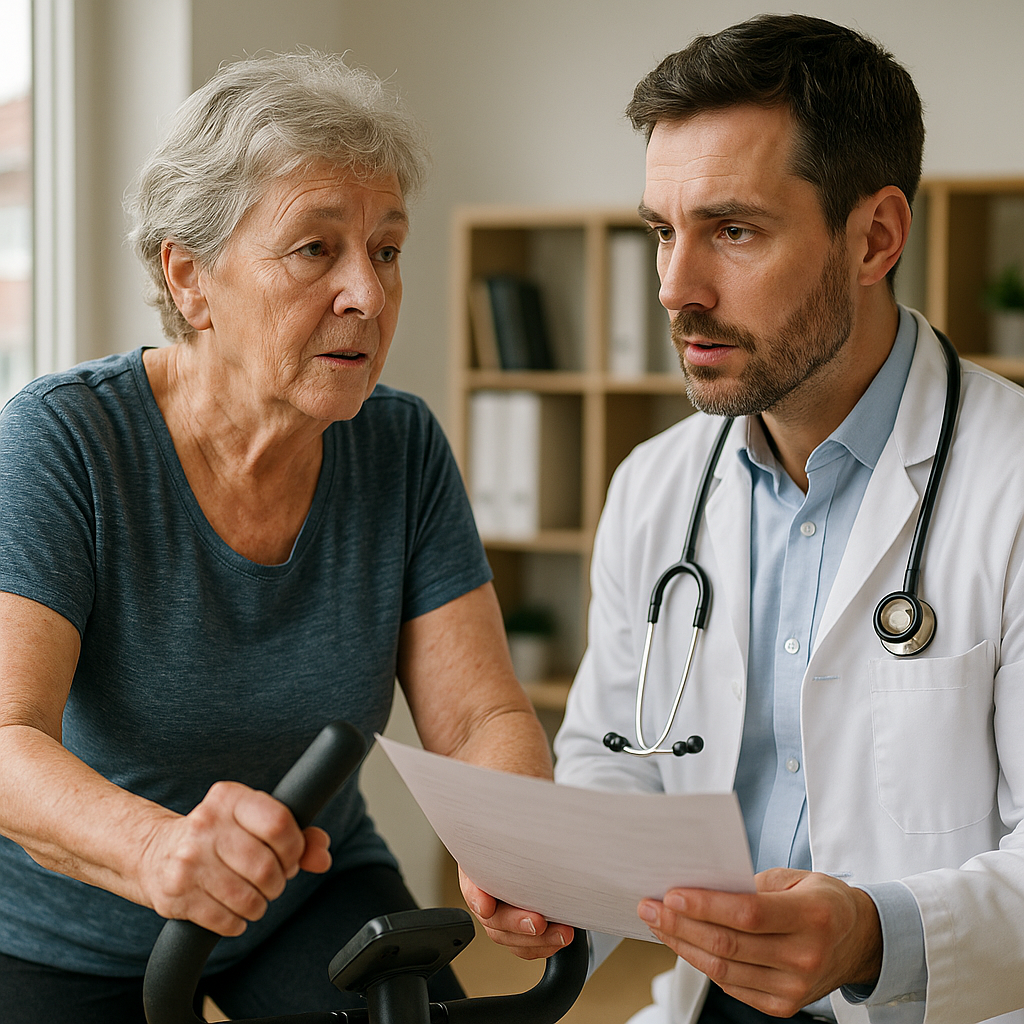
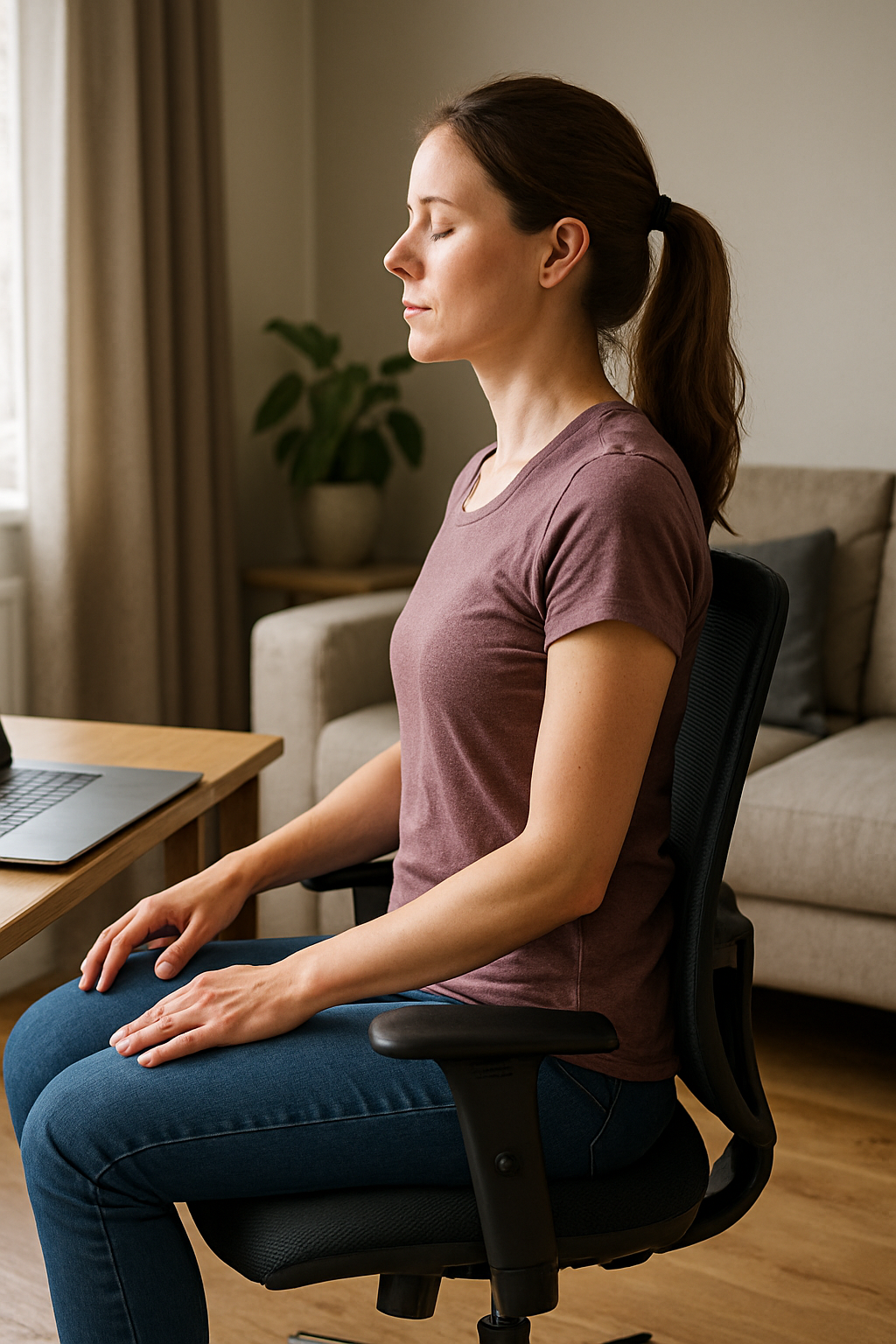
Exercise and weight loss is one of those pairings that sounds simple on paper: move more, weigh less. In real life, it’s both more interesting and more powerful than that. Exercise can reshape your body, improve how you feel day to day, and strengthen key health markers—even when the scale is stubborn. If your goal is a healthier body that functions better, the “wins” from regular movement often show up in places a bathroom scale can’t measure: your waistline, your energy, your sleep, and how steady you feel in your own body.
That’s why it helps to think of exercise as a tool for transformation, not punishment. It can build strength and resilience, support heart health, and make everyday tasks feel easier. And yes, it can contribute to fat loss—especially around the midsection—while helping you keep valuable lean mass. In other words, exercise doesn’t just change your weight; it can change your composition and your health trajectory.
Why exercise doesn’t always equal big weight loss
One of the biggest misconceptions is that exercise alone will automatically lead to dramatic weight loss. Many people do everything “right” in the gym and still don’t see the drop they expected. That doesn’t mean the effort is wasted. Your body can respond to training with subtle adaptations: you may feel hungrier, move less without noticing later in the day, or become more efficient at the same workout over time. These factors can reduce the size of the calorie deficit and slow changes on the scale.
Another myth is that the number on the scale is the only meaningful outcome. If you’re exercising consistently, you may be improving fitness, posture, and strength while reducing abdominal fat and supporting healthier blood pressure or blood sugar—results that matter regardless of what your weight does week to week.
What you’ll learn in this guide
In the rest of this post, we’ll break down what research and real-world experience agree on: how much exercise tends to make a difference, why 150 minutes per week is often a turning point, and why exercise becomes even more important after you’ve lost weight. You’ll also get practical, realistic advice for making movement sustainable—especially if discomfort, fatigue, or poor posture has been holding you back.
What research says about exercise and weight loss
If you’ve ever felt confused by conflicting advice online, you’re not alone. A review of weight-loss information in search results found that only a small fraction of sites provide high-quality, well-rounded guidance on nutrition, physical activity, and behaviour change. That matters because exercise and weight loss is not a one-variable equation. The most useful takeaway from the research is also the most reassuring: even when weight loss is modest, exercise can still deliver meaningful changes in health and body shape.
150+ minutes of aerobic exercise: a practical threshold
Across many controlled trials, a consistent pattern appears: when people reach at least 150 minutes per week of aerobic exercise (think brisk walking, cycling, swimming, or similar), they tend to see clinically meaningful improvements in waist circumference, total body fat, and visceral adiposity. Visceral fat is the deeper abdominal fat linked to higher cardiometabolic risk, and it often responds to regular aerobic training even when the scale changes slowly.
Another important finding is that the benefits are not limited to appearance. Regular aerobic exercise is associated with improvements in cardiometabolic markers such as blood pressure, blood lipids, and glucose regulation. In other words, you can be “winning” physiologically long before you see dramatic weight changes.
There’s also a dose-response pattern: more weekly minutes and higher energy expenditure generally lead to greater reductions in adiposity. Many people do best aiming for the 150–300 minutes per week range, because it’s high enough to move the needle while still being realistic for a busy life.
Why exercise matters even more after weight loss
Exercise is often oversold as the main driver of initial weight loss. In reality, research shows that exercise alone tends to produce small average weight loss for many people. Where exercise becomes especially powerful is in weight maintenance: staying active helps you keep weight off after the initial loss and supports long-term heart and metabolic health.
For maintenance, higher activity levels are commonly associated with better results over time, often in the range of 250–300 minutes per week. That doesn’t mean you need to do intense workouts daily. It means building a lifestyle where movement is frequent and consistent: longer walks, more active commuting, regular cycling, or structured cardio sessions spread across the week.
For many people, the most effective strategy is a two-phase approach: nutrition changes create the initial calorie deficit, while exercise helps protect your results and makes the “new normal” easier to sustain.
Body composition: why the scale can be misleading
One reason exercise and weight loss can feel frustrating is that the scale blends everything together: fat mass, lean mass, water, and even glycogen changes from training. Exercise can reduce fat while preserving (or building) lean mass, which may improve how your body looks and functions without a dramatic change in scale weight.
This is why measurements like waist circumference, how clothes fit, progress photos, and strength or endurance gains can be more motivating and more accurate than weighing yourself alone. If your waist is shrinking and your workouts feel easier, you’re moving in the right direction.
Compensation and adaptation: why effort doesn’t always equal results
It’s common to assume that burning more calories automatically leads to predictable fat loss. But the body is not a simple calculator. Research on exercise energetics highlights several reasons weight loss may be smaller than expected:
- Compensatory eating: exercise can increase hunger, cravings, or “reward eating,” which can quietly erase the calorie deficit.
- Reduced non-exercise activity: after a workout, some people unconsciously sit more, move less, or feel more fatigued the rest of the day.
- Improved efficiency: as fitness improves, the same workout may burn fewer calories than it did at the beginning.
None of this means exercise isn’t working. It means you may need to pair training with a realistic nutrition strategy, track habits for a short period to spot compensation, and focus on consistency rather than “all-out” sessions that leave you depleted.
Making regular movement sustainable with ergonomic support
One of the biggest barriers to consistent exercise is not motivation, but discomfort: back pain, sore knees, neck tension, or fatigue from poor posture and long hours sitting. When movement hurts, it’s harder to reach the weekly activity levels that support health, body composition, and weight maintenance.

Women's Posture Shirt™ - Black
Improves posture, relieves tension & pain, and supports everyday movement.

Lumbar support belt
Provides stabilize and adjustable support for lower back pain and activity.
Ergonomic solutions can help remove friction from your routine by making everyday movement feel more comfortable. Posture supports, supportive garments, and pain-relief tools can be useful for people who want to walk more, stand more, or return to training without feeling like their body is fighting them. The goal is not to “push through” pain, but to create conditions where movement is easier to repeat week after week.
When exercise becomes feasible, it becomes consistent. And consistency is what turns exercise and weight loss from a short-term project into a long-term change in health.
How to integrate exercise and weight loss into daily life
The most reliable results come from treating exercise and weight loss as a lifestyle system rather than a short-term sprint. That means combining structured training with daily movement, and pairing both with nutrition habits you can repeat. If you only “exercise hard” a few times per week but sit for long stretches, the total weekly energy expenditure may still be lower than you expect. On the other hand, a routine built around frequent, comfortable movement can make it easier to reach the activity levels associated with better body composition and long-term weight maintenance.
A practical weekly structure for many people is:
- Aerobic activity: build toward 150–300 minutes per week through brisk walking, cycling, swimming, or similar.
- Strength training: 2–3 sessions per week to support lean mass, joint stability, and functional strength.
- Daily movement: short walks, stairs, active commuting, and regular posture breaks to reduce long sitting periods.
This approach also helps with the “invisible” side of progress. Better sleep, higher energy, improved mood, and less stiffness can make it easier to keep your nutrition consistent, which is often what determines whether the scale changes over time.
Combine training with nutrition for better results
If your main goal is fat loss, exercise works best when it supports a realistic calorie deficit created through diet. You do not need extreme restriction. Instead, focus on habits that reduce overeating without feeling like punishment: prioritising protein and fibre at meals, planning snacks, limiting liquid calories, and keeping portions consistent on most days.
Exercise then plays two key roles. First, it helps protect lean mass while you lose fat, which supports a healthier body composition. Second, it makes weight maintenance more achievable after you have lost weight, because higher activity levels help balance energy intake and reduce the likelihood of regain. In practice, this means it is often easier to maintain results when movement is part of your identity and schedule, not just something you do “until the weight is gone.”
Make movement comfortable enough to repeat
Consistency is the real advantage in exercise and weight loss, and consistency depends on comfort. If you are dealing with back pain, knee discomfort, neck tension, or fatigue from long hours sitting, the goal is to lower the barrier to movement. Start with options that feel manageable: walking intervals, cycling with low resistance, water-based exercise, or strength training variations that reduce joint strain.
Ergonomic support can also help you stay active by reducing everyday discomfort. Posture supports and supportive garments may make it easier to stand and walk with better alignment, while targeted pain-relief tools can help you recover and keep moving. The point is not to “train through” pain. It is to create conditions where movement feels safe, repeatable, and sustainable—so you can accumulate the weekly minutes that drive health improvements.
Frequently Asked Questions
Can you lose weight with exercise alone?
You can lose some weight with exercise alone, but for many people the average change is modest. Common reasons include increased hunger, unintentional “reward eating,” and moving less during the rest of the day after workouts. Exercise is still highly valuable because it improves waist circumference, body fat distribution, fitness, and cardiometabolic health, and it is especially important for keeping weight off after you have lost it.
What is the best exercise for weight loss?
The best exercise is the one you can do consistently enough to reach meaningful weekly volume. Aerobic training (such as brisk walking, cycling, or swimming) is effective for increasing energy expenditure and reducing abdominal fat. Strength training supports lean mass and helps your body look and function better as you lose fat. HIIT can be time-efficient and improve fitness quickly, but it is not required and may be harder to recover from if you are new to training or have joint issues. A balanced mix of aerobic exercise plus 2–3 strength sessions per week works well for most people.
Why am I not losing weight even though I exercise?
This is common and does not mean exercise is failing. Weight loss can stall if you are eating more due to increased appetite, underestimating portion sizes, or compensating by being less active outside workouts. Your body can also become more efficient at the same routine over time. If progress is slow, track food intake for a short period to identify hidden calories, increase daily steps or weekly aerobic minutes gradually, and use waist measurements and fitness improvements alongside the scale.
How can you exercise safely with joint pain or poor posture?
Choose low-impact options (walking on even surfaces, cycling, swimming, elliptical), start with shorter sessions, and increase volume gradually. Prioritise technique in strength training, focus on controlled ranges of motion, and include mobility work for hips, ankles, and upper back. If posture or discomfort limits you, ergonomic aids such as posture supports or supportive garments can help you move with better alignment, and pain-relief tools may support recovery so you can stay consistent. If pain is sharp, worsening, or persistent, seek assessment from a qualified healthcare professional.
Källor
- Healthline. "Diet vs. Exercise: Which Is More Important for Weight Loss?"
- University of Virginia. "Study: Fitness, Physical Activity Appear Superior to Weight Loss for Reducing Risks of Obesity."
- American College of Sports Medicine. "Mythbusting Weight Loss."
- Healthline. "Does Exercise Help You Lose Weight?"
- Obesity Action Coalition. "Get Out, Be Active and Understand the Truth About Exercise for Weight Loss."
- Mayo Clinic Health System. "Does Exercise Help You Lose Weight?"
- WebMD. "Exercises for Weight Loss."
- Centers for Disease Control and Prevention. "Physical Activity for a Healthy Weight."
- Mayo Clinic. "Weight Loss: Choosing a Diet That's Right for You."
- PubMed Central. "The Role of Exercise and Physical Activity in Weight Loss and Maintenance."
- Harvard Health Publishing. "Diet and Weight Loss."
- National Center for Biotechnology Information. "Exercise for Weight Loss."
- PubMed Central. "Exercise and Weight Loss: A Review of the Evidence."
- Frontiers in Physiology. "Exercise and Weight Loss: Mechanisms and Strategies."