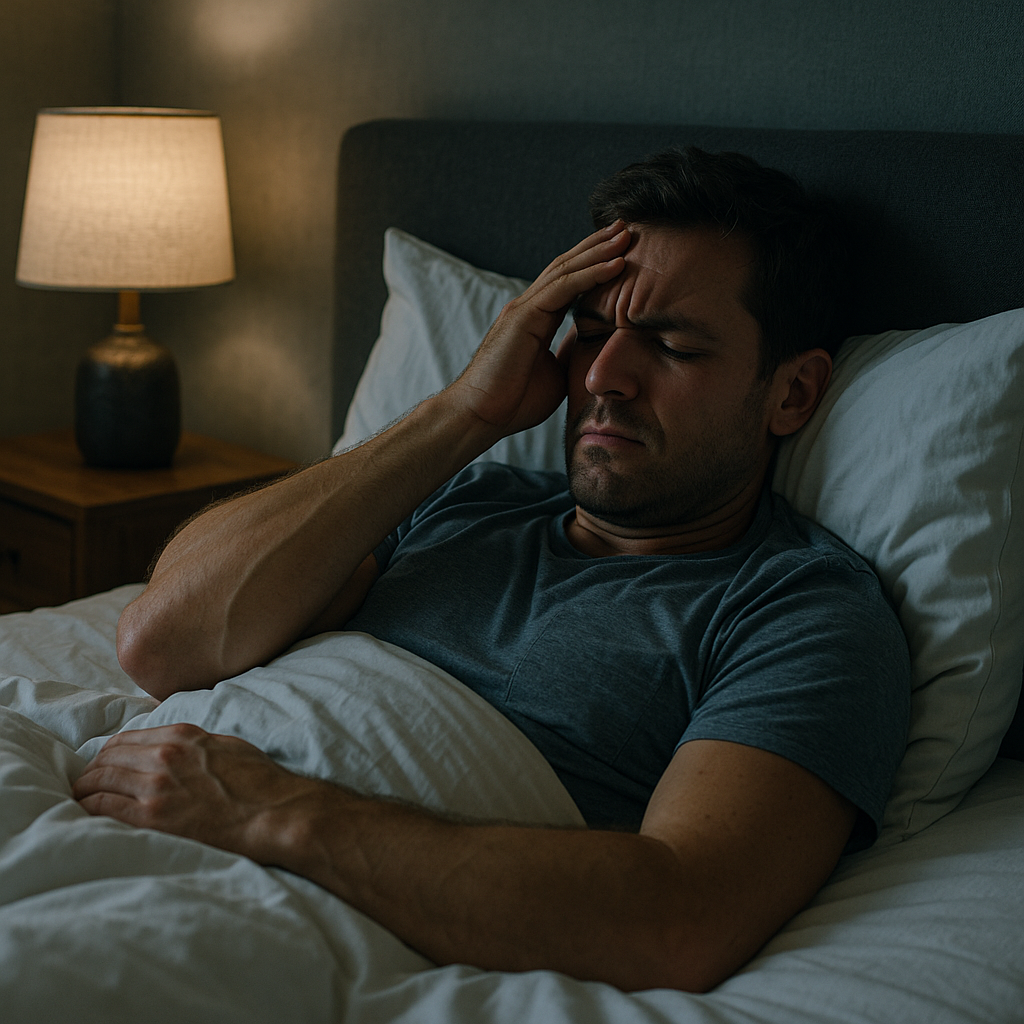
Sleep is the closest thing we have to a daily reset button. It shapes how steady your mood feels, how sharp your thinking is, how well you recover from training, and how resilient you are to stress. Yet many people wake up tired even after a full night in bed—because healthy sleep is not just about clocking hours. It’s about what happens while you’re there: how quickly you fall asleep, how often you wake, and whether your body actually gets the deep recovery it’s looking for.
If you’ve ever felt wired-but-tired, struggled with racing thoughts, or noticed that aches and stiffness pull you out of sleep, you’re not alone. Poor sleep quality can show up as daytime fatigue, irritability, low motivation, and that foggy feeling that makes even simple tasks feel heavier. Over time, it can also make it harder to maintain healthy routines—like exercising consistently or managing stress—creating a loop that’s tough to break.
What healthy sleep really means
Healthy sleep is best understood as a combination of several dimensions working together. Duration matters, but so do timing (when you sleep), continuity (how uninterrupted it is), and daytime alertness (how you function afterward). Just as important is satisfaction—your own sense of whether you slept well. In other words, healthy sleep includes both measurable patterns (like how much of your time in bed you’re actually asleep) and your lived experience of restfulness.
This is why two people can sleep the same number of hours and feel completely different the next day. One may drift off easily and stay asleep, while the other tosses, turns, and wakes repeatedly—often without realizing how much those micro-awakenings add up.
What you’ll learn in this guide
In the next sections, we’ll break down the most useful ways to think about sleep quality, including practical metrics like sleep efficiency and what a healthy range can look like. We’ll also look at everyday factors that influence healthy sleep—such as stress, movement, food, and screen habits—without turning bedtime into a performance.
Finally, we’ll cover a piece that’s often underestimated: your sleep environment and ergonomics. Light, noise, and temperature matter, but so does how your body is supported through the night. When your neck, shoulders, hips, or lower back aren’t comfortable, your sleep can become lighter and more fragmented. A few smart adjustments to comfort and alignment can make it easier to stay asleep, wake up less, and start the day feeling more like yourself.

Lumbar support belt
Provides stabilization and relief for lower back pain—adjust the fit for everyday therapeutic support.
Sleep quality and sleep efficiency: the metrics that matter
If healthy sleep is the goal, it helps to know what “good” looks like beyond hours slept. One of the most practical measures is sleep efficiency: the percentage of time you’re actually asleep while you’re in bed. As a general benchmark, an efficiency of about 85–95% is often considered a healthy range. Below that, your sleep may be too fragmented—think frequent awakenings, long periods of tossing and turning, or difficulty falling asleep.
Interestingly, very high sleep efficiency (for example, consistently above 95%) isn’t always a gold star. It can sometimes signal that you’re not spending enough time in bed to meet your sleep needs—so you fall asleep instantly and stay asleep because you’re running on a sleep deficit. In practice, the “best” number is the one that comes with enough total sleep and leaves you feeling alert and steady the next day.
Other useful indicators of sleep quality include how long it takes to fall asleep, how often you wake up, and how refreshed you feel in the morning. The key point is that there’s no single universal definition of sleep quality. Objective patterns (like awakenings) and subjective experience (like satisfaction) both count.
Lifestyle habits that support healthy sleep
Daily choices set the stage for what happens at night. You don’t need a perfect routine, but a few high-impact habits can make healthy sleep much more likely.
Move your body regularly. Consistent physical activity is linked with better sleep continuity and deeper rest for many people. The sweet spot is usually earlier in the day or late afternoon; intense exercise right before bed can be stimulating for some, while others tolerate it well. If you’re unsure, experiment for a week at a time and watch how your sleep responds.
Manage stress before it reaches the pillow. Stress doesn’t just keep you awake; it can also make sleep lighter and more easily disrupted. A short wind-down routine can help your nervous system shift gears: a warm shower, gentle stretching, breathing exercises, journaling, or a few pages of a book. The goal is consistency, not complexity.
Eat and drink with timing in mind. Heavy meals close to bedtime can increase discomfort and make it harder to settle. Caffeine can linger for hours, so an afternoon cut-off often helps. Alcohol may make you feel sleepy initially, but it can fragment sleep later in the night and reduce perceived restfulness.
Reduce screen exposure in the evening. Bright light and stimulating content can delay sleepiness and encourage “just one more” scrolling. If you can’t avoid screens, dim them, use warmer light settings, and set a clear stop time that gives your brain a buffer before bed.
Sleep environment and ergonomics: where comfort becomes continuity
Your bedroom should make sleep easier, not harder. Environmental basics matter: keep the room dark, quiet, and cool enough that you’re not waking up overheated. Even small changes—blackout curtains, a white-noise option, or adjusting bedding layers—can reduce micro-awakenings that chip away at sleep quality.
Ergonomics is the often-missed layer of healthy sleep: how well your body is supported for hours at a time. If your spine is twisted, your neck is angled, or pressure builds at the shoulders and hips, your brain may pull you into lighter sleep to prompt movement. That can show up as frequent position changes, waking up stiff, or feeling like you “slept wrong.”
Pillows and mattresses are not just comfort items—they’re alignment tools. A supportive setup helps keep the spine in a more neutral position, which can reduce strain and make sleep more continuous. For example:
- Side sleepers often benefit from a pillow height that fills the space between shoulder and head, plus support that keeps the top leg from pulling the pelvis forward.
- Back sleepers typically do well with a pillow that supports the natural curve of the neck without pushing the head too far forward.
- Stomach sleeping can place the neck in sustained rotation; if this is your default, experimenting with a different position and supportive aids may reduce morning stiffness over time.
If pain is waking you up, consider it a signal—not a personal failure. The right ergonomic adjustments can reduce discomfort, limit night-time awakenings, and help you spend more of your time in bed actually sleeping, which directly supports healthier sleep efficiency.

Men's Posture Shirt™ - Black
Improves posture and can relieve tension with patented technology for comfort and support.
What science tells us about sleep health and circadian timing
Sleep health is widely described as multidimensional, including duration, continuity, timing, alertness, and satisfaction. That matters because improving healthy sleep is rarely about one “magic” fix. It’s usually a combination of better habits, a calmer wind-down, an environment that protects sleep, and physical support that keeps your body comfortable.
Timing is especially important. Your circadian rhythm influences when you feel sleepy and when you feel alert. When sleep is consistently misaligned—late nights with early mornings, irregular schedules, or big weekend shifts—sleep can become less satisfying even if the total hours look fine on paper. A steady wake-up time is often the anchor that helps the rest of the rhythm fall into place.
Technology can support healthy sleep, but it cannot replace the basics
Sleep trackers, smart rings, and phone apps have made it easier to observe patterns that used to be invisible. Many tools estimate sleep duration, nighttime awakenings, and consistency, and some provide a daily sleep score based on multiple inputs. Used well, this can support healthy sleep by helping you spot trends: for example, whether late meals correlate with more restless nights, or whether a consistent wake-up time improves how you feel in the morning.
The key is to treat tracker data as a guide, not a diagnosis. Consumer devices typically provide estimates rather than clinical measurements, and different devices can produce different results for the same night. Instead of chasing perfect numbers, focus on the most actionable signals:
- Consistency: Are your bed and wake times stable across the week?
- Continuity: Are awakenings frequent, or is sleep mostly uninterrupted?
- Recovery: Do you feel alert and steady the next day?
If your tracker suggests frequent wake-ups, consider what might be triggering them. Stress and temperature are common culprits, but discomfort is another major factor. If you regularly wake to change position, feel numbness in an arm, or notice morning stiffness, ergonomics may be the missing link. Improving pillow height, mattress support, or adding targeted support for the neck, lower back, or knees can reduce pressure and help you stay asleep longer—supporting healthy sleep without relying on technology alone.
Using your sleep data to make practical changes
To turn tracking into progress, choose one variable at a time and test it for 7–14 nights. This keeps the process simple and helps you see what actually moves the needle.
For example, if your data shows long time awake during the night, try an environment-first approach (cooler room, darker space, less noise) and pair it with a comfort-first approach (adjust pillow loft, add support to keep the spine neutral). If your sleep seems short but efficient, the solution may be earlier bedtime rather than more optimization. Healthy sleep is not about maximizing a score; it is about meeting your needs with enough duration and stable quality.
Also watch for patterns that point beyond habits. Loud snoring, gasping, persistent insomnia, or extreme daytime sleepiness can signal issues that deserve professional assessment. Technology can highlight a trend, but it cannot tell you why it is happening.
Why healthy sleep is a public health issue
Sleep is increasingly viewed as more than a personal wellness goal. At a population level, poor sleep is associated with higher risk of long-term health problems and reduced day-to-day functioning. That is why sleep health is now monitored more closely in public health contexts, alongside other lifestyle factors.
From a workplace perspective, healthy sleep also affects safety, decision-making, mood, and productivity. Many people spend their days in positions that load the neck, shoulders, and lower back—especially in sedentary jobs. When that strain turns into pain, it does not stay at the desk. It can follow you into the night, fragment sleep, and reduce recovery.
This is where ergonomics becomes a practical bridge between daytime wellbeing and nighttime rest. Better support at work can reduce the physical stress that builds up during the day. Better support in bed can reduce the discomfort that wakes you at night. Together, these changes can make healthy sleep more achievable, especially for people whose sleep is disrupted by aches, stiffness, or repeated position changes.
Frequently Asked Questions
What is the ideal amount of sleep for adults?
Most adults do best with about 7–9 hours of sleep per night. Individual needs vary, so the most useful check is how you feel during the day: stable energy, good focus, and minimal sleepiness are common signs that your sleep duration is meeting your needs.
How can I improve my sleep efficiency?
Start with consistency: keep a regular wake-up time and aim for a predictable bedtime. Then reduce common disruptors by keeping your room dark, quiet, and comfortably cool. Finally, address comfort and alignment. If pain, pressure points, or awkward neck positioning wake you up, adjusting your pillow, mattress support, or adding ergonomic aids can reduce awakenings and help you spend more of your time in bed actually asleep.
Can technology really help me sleep better?
It can help you notice patterns and measure change over time, especially around consistency and nighttime awakenings. However, trackers are not perfect and should not be treated as clinical tools. The best results usually come from combining insights from technology with lifestyle habits, a supportive sleep environment, and ergonomic improvements that reduce discomfort.
Why is sleep considered a public health issue?
Poor sleep is linked with reduced mental and physical functioning and is associated with higher risk of chronic health problems. Because sleep affects safety, performance, and long-term health, it is increasingly included in broader public health monitoring and prevention efforts.
How can ergonomics improve my sleep?
Ergonomics helps your body stay in a more neutral, supported position for hours at a time. When the neck, shoulders, hips, or lower back are better supported, there is often less strain and fewer pain-driven awakenings. That can improve sleep continuity, make healthy sleep easier to maintain, and help you wake up feeling more restored.
Källor
- Sleep Foundation. (n.d.). "What is Healthy Sleep?"
- Region Hovedstaden. (n.d.). "Gode råd, hvis du har svært ved at sove."
- Healthline. (n.d.). "Healthy Sleep."
- Sundhed.dk. (n.d.). "Gode råd til en bedre søvn."
- American Heart Association. (n.d.). "How to Get Healthy Sleep Fact Sheet."
- Sundhedsstyrelsen. (n.d.). "Anbefalinger for søvnlængde."
- Centers for Disease Control and Prevention. (n.d.). "About Sleep."
- Sundhedsstyrelsen. (n.d.). "Anbefalinger for søvnlængde."
- MedlinePlus. (n.d.). "Healthy Sleep."
- Netdoktor. (n.d.). "Søvn - hvad er normalt?"
- UC Davis Health. (2023). "Better Sleep: Why It's Important for Your Health and Tips to Sleep Soundly."
- Vidensråd for Forebyggelse. (n.d.). "Søvn og Sundhed."
- National Heart, Lung, and Blood Institute. (n.d.). "Healthy Sleep."
- Sundhed.dk. (n.d.). "Den normale søvn."
- Mayo Clinic. (n.d.). "Healthy Sleep: Guide to Restful Nights."