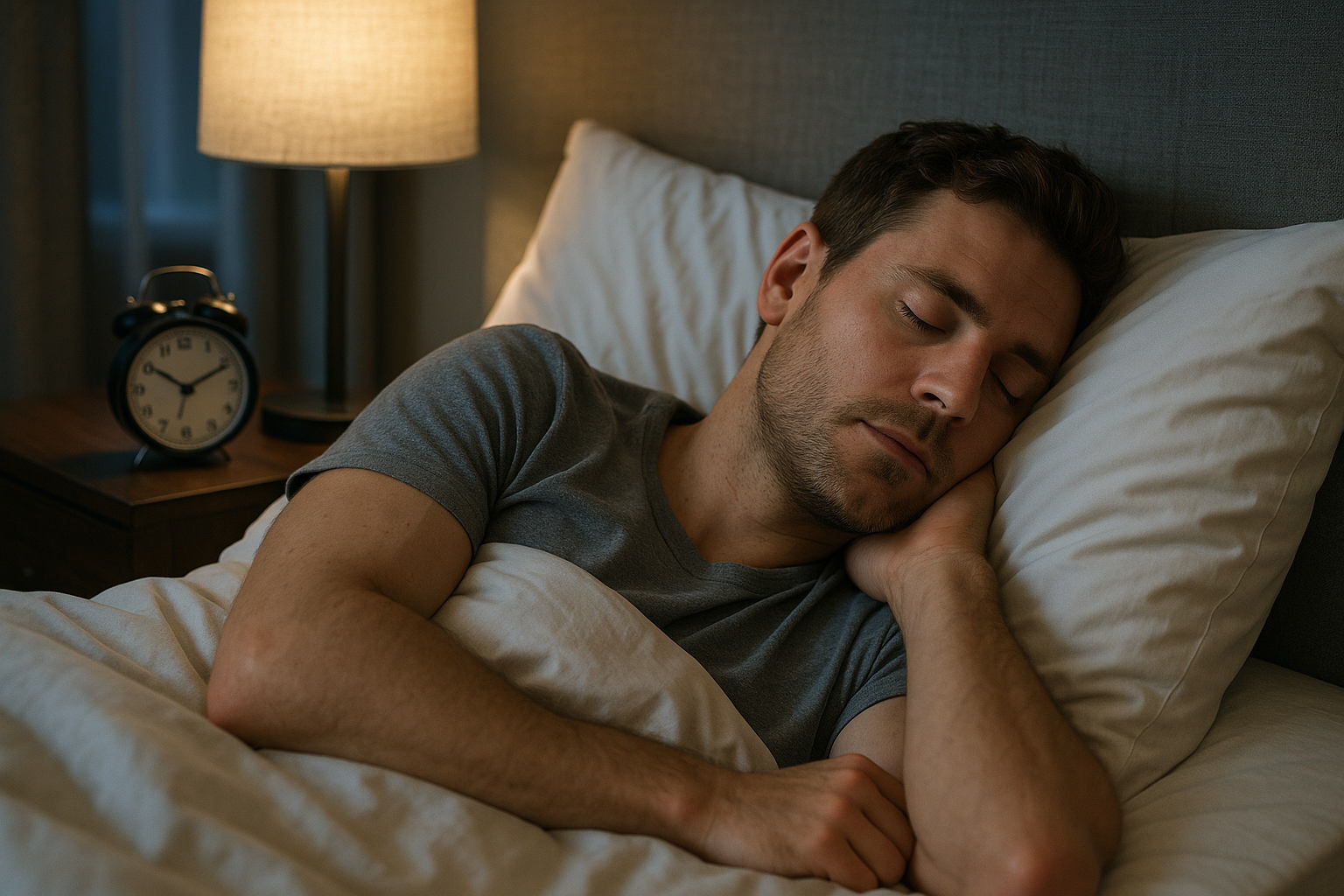
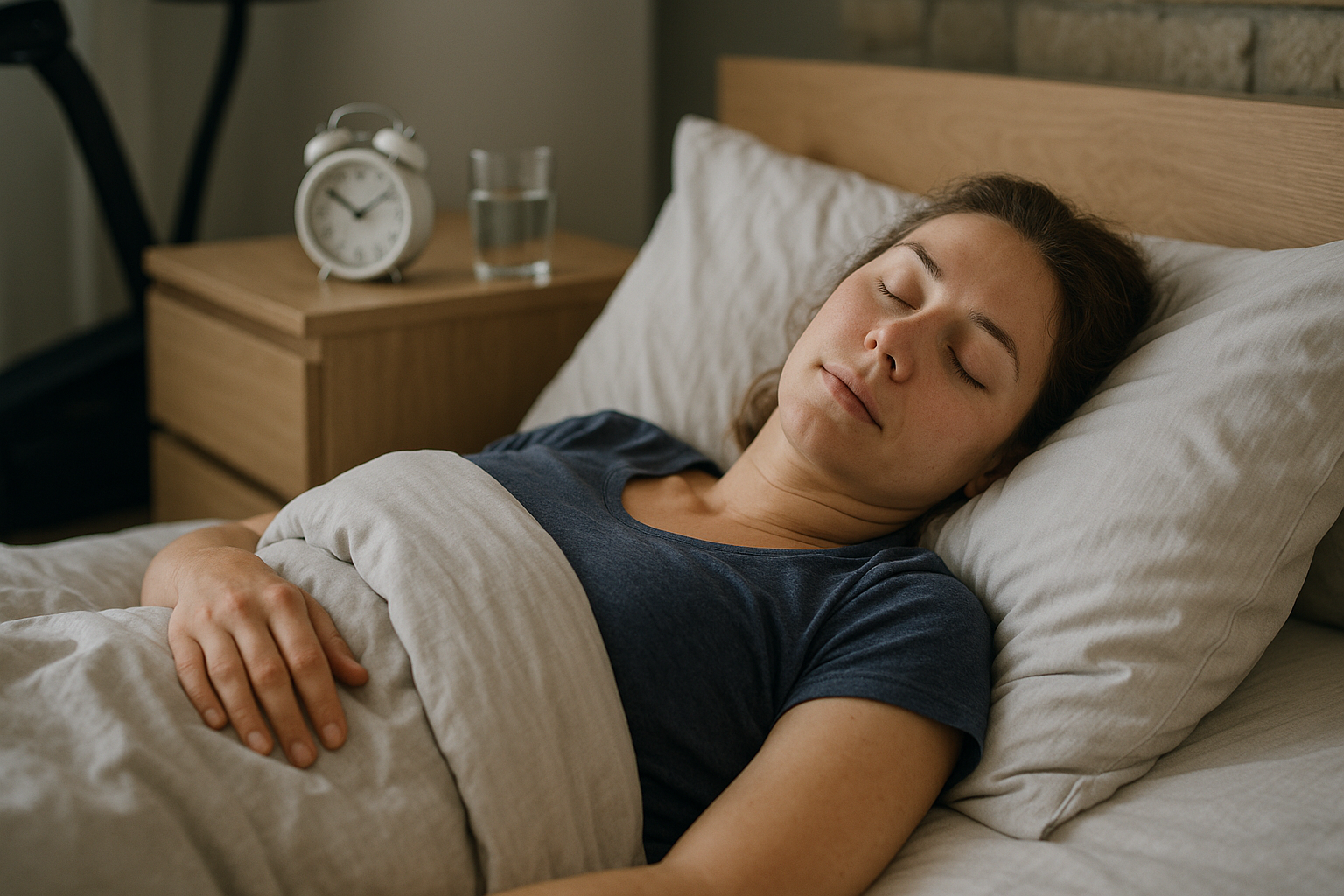
It’s 02:17, the room is quiet, and your brain is suddenly very loud. If you’ve ever stared at the ceiling thinking why can’t i sleep, you’re in good company. Sleep problems are incredibly common, and they rarely have just one simple explanation. For some people it’s stress and a busy mind. For others it’s habits that quietly push bedtime later and later. And sometimes, it’s the body itself that won’t fully switch off.
Occasional sleepless nights are a normal part of life—travel, deadlines, a crying child, a late meal, or a change in routine can all throw things off. But when it starts happening often, or when you wake up feeling unrefreshed even after “enough” hours in bed, it’s worth looking a little closer. Not to self-diagnose, but to spot patterns you can actually do something about.
This article is designed to help you do exactly that. We’ll cover the usual suspects you already know about, and then dig into the hidden reasons people miss—especially the physical ones. Because sometimes the real issue isn’t willpower or bedtime discipline. It’s that your system is staying on alert for a reason.
Why you can’t sleep can be more than one thing
Most sleep advice focuses on the mind and the schedule: worry less, scroll less, go to bed at the same time. Those are useful ideas, but they can feel frustrating when you’re doing “everything right” and still can’t fall asleep. The truth is that sleep is a full-body process. Your brain needs safety cues, your nervous system needs to downshift, and your body needs to be comfortable enough to stay still.
That’s why sleep issues often come from a combination of factors:
- Psychological load like stress, anxiety, or rumination that keeps thoughts looping.
- Lifestyle timing
- Environment including light, noise, temperature, pets, or a partner’s movements that interrupt deep sleep.
- Physical tension like tight shoulders, a stiff neck, low back discomfort, or pressure points that make it hard to settle.
When it’s time to pay attention
If you’re asking why can’t i sleep most nights, or you’re noticing daytime effects like irritability, low energy, headaches, or trouble concentrating, it’s a sign to investigate rather than just “push through.” In the next section, we’ll quickly map the most common causes—and then focus on an often-overlooked one: when your body can’t truly relax, your sleep doesn’t get the chance to do its job.
Common reasons you can’t sleep at night
If you’re lying awake wondering why can’t i sleep, it helps to start with the most common drivers. Many people have more than one factor at play, which is why “one simple fix” often doesn’t work.
Stress, anxiety, and a busy mind
When your brain is processing pressure—work deadlines, family worries, health concerns, or unresolved conflict—it can stay in problem-solving mode long after you turn the lights off. This often shows up as racing thoughts, a sense of restlessness, or repeatedly checking the clock. Even if you feel tired, your nervous system may still be running “on,” making it harder to fall asleep and easier to wake up during the night.
Caffeine, alcohol, nicotine, and timing
Caffeine can linger in the body for hours, so an afternoon coffee, energy drink, or strong tea may still be affecting you at bedtime. Nicotine is also stimulating and can contribute to lighter, more fragmented sleep. Alcohol can feel sedating at first, but it commonly disrupts sleep later in the night, increasing awakenings and reducing restorative sleep stages. If you regularly can’t fall asleep, it’s worth looking not only at what you consume, but when.
Irregular schedules and screens
Sleep thrives on rhythm. If your bedtime and wake time shift a lot—especially between weekdays and weekends—your internal clock can struggle to predict when it should power down. Screen time can add another layer: bright light and mentally engaging content can delay sleepiness and keep your attention “switched on,” even when you’re physically exhausted.
Bedroom environment: light, noise, temperature, and interruptions
Small environmental issues can have a big effect. Light leaking through curtains, a warm room, street noise, or a partner who tosses and turns can all cause micro-awakenings that you may not fully remember, but that still reduce sleep quality. Pets in the bedroom can also contribute through movement, noise, or allergens. Even your sleepwear can matter—if it traps heat or feels restrictive, your body may struggle to settle.
Less obvious triggers people overlook
Some sleep disruptors are surprisingly ordinary. Spicy or heavy meals late in the evening can trigger discomfort and reflux for some people, making it harder to drift off or stay asleep. Hot showers or baths right before bed can also backfire if they raise your core temperature too much, delaying the natural cooling process that supports sleep onset. Relationship dynamics can play a role too; tension, conflict, or even mismatched sleep schedules can keep your mind and body more alert than you realise.
The overlooked physical reason: your body can’t relax
Here’s the part many people miss when they keep asking why can’t i sleep: sometimes the problem isn’t primarily your mindset or your routine—it’s that your body can’t find a truly comfortable, supported position. When the body is tense or in pain, the brain stays more vigilant. That can delay sleep, reduce deep sleep, and cause repeated position changes that fragment the night.

Lumbar support belt
Provides lower back support to relieve pain, tension, and improve spine alignment.
How pain and tension keep you awake
Pain doesn’t have to be severe to affect sleep. Low-grade discomfort in the neck, shoulders, mid-back, lower back, hips, or knees can be enough to keep your nervous system on alert. You might notice:
- Difficulty “settling” because no position feels quite right
- Frequent tossing and turning to relieve pressure
- Waking up stiff, sore, or with a headache
- Falling asleep from exhaustion, then waking after a few hours
Over time, poor sleep can also increase pain sensitivity, creating a loop: discomfort disrupts sleep, and reduced recovery makes the body feel worse the next day.

Women's Posture Shirt™ - Black
Patented shirt activates muscles to support posture and may relieve discomfort.
Pressure points, posture, and inadequate support
Your sleep posture and your support surfaces matter because they influence joint position, muscle load, and pressure distribution. If your pillow is too high or too flat, your neck may be held in a strained angle for hours. If your mattress is too soft, you can sink and twist; too firm, and you may develop pressure points at the shoulders and hips. Either way, muscles may stay subtly “on” to stabilise you, rather than fully relaxing.
Daytime posture can also show up at night. Long hours at a desk, driving, or looking down at a phone can leave the upper back rounded and the neck and shoulders tight. When you lie down, those tissues don’t automatically reset—so your body may keep signalling discomfort until you move again.
Why ergonomics belongs in sleep hygiene
Sleep hygiene is often presented as a checklist of habits, but comfort and alignment are just as practical. Think of ergonomics as reducing the physical “noise” that keeps waking you up. When your spine is better supported and your muscles aren’t fighting gravity or poor positioning, your body has a clearer path to downshift into rest.
In the next part, we’ll walk through a simple self-assessment to help you identify whether pain or physical tension could be behind your sleeplessness—and what you can adjust to make tonight easier.
Self-check: Is discomfort the reason why can’t i sleep keeps happening?
If you regularly wonder why can’t i sleep, a quick body-focused self-assessment can help you spot whether discomfort is quietly driving the problem. You do not need severe pain for sleep to be affected. Even mild tension can lead to repeated micro-adjustments that fragment the night.
- Do you wake with neck, shoulder, or lower back stiffness? Especially if it eases after you move around.
- Do you change position often because you cannot get comfortable? If you “hunt” for a pain-free position, your sleep may be getting interrupted more than you realise.
- Do you wake up with numbness or tingling in an arm or hand? This can happen when joints and soft tissue are under pressure for too long.
- Do you sleep better in a different bed (for example, a hotel)? A noticeable difference can point to mattress or pillow support issues at home.
- Do you feel more tired when you wake than when you went to bed? This can be a sign of disrupted sleep architecture, sometimes linked to pain and frequent repositioning.
If you answered yes to several, it is worth treating ergonomics as part of your sleep strategy. That does not replace sleep hygiene or medical advice, but it can remove a major barrier: a body that cannot fully settle.
Combine sleep hygiene with ergonomics for a more stable night
Many people try to solve why can’t i sleep by focusing only on habits. Habits matter, but comfort and alignment often decide whether you can stay asleep once you do drift off. A practical approach is to combine both.
Keep the basics simple and consistent
- Protect your wind-down time: Aim for a predictable routine that signals “downshift” (dim lights, calmer activities, lower stimulation).
- Manage screens and light exposure: Reduce bright light and mentally engaging content close to bedtime.
- Watch timing of caffeine, nicotine, and alcohol: If sleep is fragile, even small timing changes can make a difference.
- Optimise the room: A dark, quiet, slightly cool bedroom supports the natural drop in arousal that helps sleep deepen.
Adjust your sleep position to reduce strain
- Side sleeping: Keep your neck neutral (not tilted up or down). A pillow between the knees can reduce hip and lower back rotation.
- Back sleeping: Choose a pillow that supports the natural curve of the neck without pushing the head forward. A small pillow or support under the knees can reduce lower back tension.
- Stomach sleeping: This position often increases neck rotation and lower back extension. If it is your default, consider gradually transitioning to side sleeping with supportive pillows.
Check pillow and mattress support
There is no universal “best” firmness, but there is a best match for your body and sleep style. As a general guide, you want the spine to stay as neutral as possible and pressure points at shoulders and hips to be reduced. If you consistently wake sore in the same places, that is useful data: it may indicate too much pressure or not enough support.
Try a short pre-bed mobility reset
A 5–10 minute routine can help your body feel safer and less guarded. Keep it gentle: slow breathing, light chest opening, hip mobility, and easy neck and shoulder movements. The goal is not to “stretch hard,” but to reduce baseline tension so you are not carrying the day into the night.
When to seek professional help
If you have tried adjustments and still keep asking why can’t i sleep, it may be time to involve a professional. Consider booking an assessment if you notice:
- Sleep problems most nights for several weeks, especially with daytime fatigue or impaired concentration
- Loud snoring, gasping, or pauses in breathing during sleep
- Severe or worsening pain, pain after injury, or pain with unexplained weight loss or fever
- Numbness, weakness, or symptoms that travel down an arm or leg
A GP can help rule out medical causes and discuss next steps. For musculoskeletal issues, a physiotherapist or chiropractor can assess posture, movement patterns, and pain drivers. If a sleep disorder is suspected, a sleep clinic may be relevant.
How Anodyne can support a body-friendly sleep setup
Ergonomic aids are not a “quick fix” for insomnia, but they can be practical tools when discomfort and tension are part of the picture. Anodyne’s ergonomic supports and posture-focused solutions are designed to help the body move better and feel more supported during daily activities. For many people, improving daytime alignment and reducing muscular overload can make it easier to relax at night as part of a broader plan that also includes sleep hygiene and, when needed, professional guidance.
Frequently Asked Questions
What could be causing my sleeplessness?
When you ask why can’t i sleep, the answer is often a combination of factors: stress and anxiety, timing of caffeine/alcohol/nicotine, irregular schedules and screens, bedroom environment (light, noise, temperature), and physical contributors like pain, tension, pressure points, or inadequate pillow and mattress support.
How serious is it if i can’t sleep?
Occasional poor sleep is common. But persistent sleep disruption can affect mood, concentration, energy, and pain sensitivity. If it is frequent or impacts daily function, it is worth addressing systematically and seeking help when needed.
What can i try at home before seeing a doctor?
Start with consistent sleep and wake times, a calmer wind-down routine, and a darker, quieter, cooler bedroom. If discomfort is present, adjust sleep position, review pillow and mattress support, and try gentle mobility work before bed to reduce tension.
When do i need professional help?
Seek help if sleep problems persist for weeks, cause significant daytime impairment, or if you have red flags such as breathing pauses, severe or worsening pain, or neurological symptoms like numbness or weakness.
What treatments or supports exist?
Options include cognitive behavioural therapy for insomnia (CBT-I), stress and anxiety support, medical evaluation for sleep disorders, and physical assessment for pain-related causes. Ergonomic adjustments and supportive aids can also help reduce strain and improve comfort as part of a comprehensive approach.
Källor
- Mayo Clinic Staff. (n.d.). "Insomnia - Symptoms and Causes." Mayo Clinic.
- Psykiater.no. (n.d.). "Søvnforstyrrelser i Ulike Aldersgrupper."
- Harvard Health Publishing. (n.d.). "8 Reasons Why You're Not Sleeping." Harvard Health.
- Overvinne.no. (n.d.). "Søvnproblemer."
- WebMD. (n.d.). "Sleep Fact and Fiction." WebMD.
- Apollo Hospitals. (n.d.). "Insomnia."
- Sleep Foundation. (n.d.). "Myths and Facts About Sleep." Sleep Foundation.
- Helse Bergen. (n.d.). "Årsaker til Søvnproblemer."
- Centers for Disease Control and Prevention. (n.d.). "About Sleep." CDC.
- Dr. Dropin. (n.d.). "Søvnmangel."
- National Center for Biotechnology Information. (2019). "Sleep and Health." NCBI.
- Sandvika Nevrosenter. (n.d.). "Søvnforstyrrelse og Søvnsykdommer."
- MedlinePlus. (n.d.). "Why Can't I Sleep?" MedlinePlus Magazine.